PARAMARIBO: A DISCREET LGBTQ+ GUIDE TO SURINAME'S CAPITAL
Paramaribo represents something increasingly rare in the Caribbean: a capital city with a multicultural, generally tolerant atmosphere where LGBTQ+ travelers can move freely without fear, yet where the community itself remains relatively private and low-profile. Unlike larger cities with established gay districts and Pride festivals, Paramaribo's LGBTQ+ scene is woven into the fabric of everyday life—intimate, organic, and often invisible to casual visitors unless they seek connection.
HISTORY AND LEGAL CONTEXT
Suriname decriminalized same-sex relationships in 2023, making it one of the few Caribbean nations without anti-sodomy laws. This recent legal shift reflects broader social change, though public displays of affection between same-sex couples remain uncommon in everyday spaces. The community has historically operated quietly, with acceptance growing generationally. Paramaribo's diverse population—including Hindu, Muslim, Christian, and Indigenous communities—means that tolerance varies by neighborhood and social circle, but xenophobia toward tourists is not a significant concern.
NEIGHBORHOODS
The city center radiates from Independence Square (Onafhankelijkheidsplein), where the iconic palm-lined plaza is surrounded by government buildings and colonial wooden architecture. This area is walkable, relatively safe during daylight, and home to most shops, restaurants, and cultural attractions. The downtown core extends roughly from the square westward along Waterkant (the waterfront promenade), which is popular for evening strolls and offers restaurants and bars with river views.
Souwest, the residential area beyond the commercial core, is where many locals live. Lelydorp, a nearby city, serves as a residential suburb but is less relevant for visitors.
The LGBTQ+ community is distributed throughout the city rather than concentrated in one neighborhood. Connections happen through social networks, dating apps (which are widely used), and word-of-mouth recommendations.
VENUES AND NIGHTLIFE
Paramaribo lacks dedicated gay bars or clubs, which can surprise visitors accustomed to larger Caribbean Pride scenes. Instead, the social scene operates through:
- Mainstream bars and restaurants along Waterkant and in the downtown core, which are frequented by diverse crowds including LGBTQ+ locals and visitors. These establishments are welcoming but not explicitly branded as gay spaces.
- Hotels with bars that serve as informal meeting points for travelers and locals.
- Private events and parties organized through social media and apps like Grindr and Hornet.
- Occasional themed nights at clubs in the city center, though these are not regularly scheduled.
Familiarity with local apps and community connections is valuable for discovering social events. Many bars and restaurants posted on tourism sites and Google Maps are genuinely welcoming; staff are typically unfazed by same-sex couples.
Saunas
Saunas are not known to be an established part of the scene.
EVENTS AND PRIDE
Paramaribo does not have a major Pride festival comparable to those in Barbados or Trinidad. However, International Day Against Homophobia (May 17) occasionally sees community observances and advocacy events organized by local LGBTQ+ organizations. December Pride events sometimes occur on a smaller scale. These are best learned about through local contacts or LGBTQ+ social media groups active in Paramaribo.
WHERE TO STAY
Hotels in the city center offer convenient access to attractions and dining. Guesthouses and budget accommodations are scattered throughout downtown. LGBTQ+-specific accommodations are not prominent, but hotels and guesthouses are generally unfazed by same-sex couples sharing rooms. Airbnb is available and sometimes offers more personal, local connections.
For comfort and central location, staying near Independence Square or along Waterkant provides easy access to restaurants, shops, and evening activities.
Paramaribo is generally safe for tourists in well-traveled areas during daylight and early evening. The city center, Waterkant, and main thoroughfares are regularly traversed by visitors. Standard precautions apply: avoid displaying expensive electronics, don't wander into unfamiliar residential areas at night, and use registered taxis or ride-apps rather than hailing cabs on the street.
For LGBTQ+ travelers specifically, visible same-sex affection is not recommended in public spaces, though holding hands typically draws no negative attention. The legal decriminalization is significant, but cultural attitudes remain mixed, particularly in more conservative residential areas and among older generations. In tourist areas and among younger, more educated populations, acceptance is notably higher.
TRANSPORTATION
Paramaribo's city center is walkable. The waterfront and main commercial areas can be explored on foot, though distances can be deceptive in tropical heat.
Local transportation relies on minibuses and shared taxis that follow set routes—an economical but sometimes confusing system for visitors. Uber operates in Paramaribo and is reliable for getting around. Registered taxi companies serve the airport and hotels. Rentals cars are available but not necessary for exploring the city center.
The airport (Johan Adolf Pengel International) is about 45 minutes from downtown; arrange transport in advance through your hotel or an app.
FOOD AND DINING
Paramaribo's cuisine reflects its multicultural population: Creole, Indian, Chinese, Indonesian, and Dutch influences blend throughout the food scene. Street food includes roti, cassava bread, and grilled meats. Restaurants range from casual eateries to upscale options, concentrated downtown and along Waterkant.
The city has no exclusively LGBTQ+ dining scene, but many restaurants and bars are welcoming to all clientele. Indian restaurants are excellent and affordable. Seafood is fresh and abundant. Supermarkets stock both local and international products.
DAY TRIPS AND NEARBY ATTRACTIONS
Galibi Beach, about 2-3 hours northeast, is a protected nature reserve and leatherback turtle nesting site (seasonal, April-August). It's a popular day or overnight excursion, though not specifically LGBTQ+ focused.
Rainforest tours can be arranged through local operators and offer wildlife viewing and Indigenous cultural experiences.
The interior Maroon communities (descendants of escaped enslaved people with distinct cultures) offer unique cultural tourism, though tours are primarily accessible through organized excursions.
Within the city, the Cultural Center, various museums, and colonial architecture provide enriching exploration.
CLIMATE AND BEST TIME TO VISIT
Paramaribo is tropical with high humidity and temperature year-round (averaging 26-30°C/79-86°F). Rainy seasons are April-August and November-February; dry seasons are February-April and August-November. The dry seasons offer the most comfortable weather and best conditions for outdoor exploration.
CONNECTING WITH COMMUNITY
For LGBTQ+ travelers seeking connection, social media groups and apps are the primary tools. Several private Facebook groups serve the Paramaribo LGBTQ+ community. Grindr and Hornet are active. Local LGBTQ+ organizations may be found through online searches; reaching out in advance can yield recommendations and social invitations.
Where to Stay
Hotels and guesthouses with staff knowledgeable about the city can sometimes provide informal guidance, though discretion is appreciated.
- Authentic Caribbean experiences without mass tourism infrastructure
- Colonial architecture and cultural diversity
- A genuine, non-touristy LGBTQ+ scene
- Relative safety and legal protections, with discreet social interaction
- Access to rainforest and nature nearby
- A slower pace and real connection with locals
It is less suited to those seeking a vibrant gay nightlife scene, Pride festivals, or large LGBTQ+ events. The rewards here are subtler: cultural richness, warm community, and the kind of travel that involves genuine discovery rather than following established gay tourist routes.
CONCLUSION
Paramaribo remains one of South America's best-kept secrets and a destination where LGBTQ+ travelers are genuinely welcome, even if the infrastructure reflects a community that values privacy and discretion. The city rewards curiosity, cultural interest, and willingness to connect with locals on their terms.
Frequently asked questions
Paramaribo has a generally tolerant atmosphere, and LGBTQ+ travelers can move freely without fear. Xenophobia toward tourists is not a significant concern. Public displays of affection between same-sex couples remain uncommon in everyday spaces.
The LGBTQ+ community is distributed throughout the city rather than concentrated in one neighborhood. Connections tend to happen through social networks, dating apps, and word-of-mouth recommendations.
Paramaribo lacks dedicated gay bars or clubs. Instead, the social scene operates through mainstream bars and restaurants along Waterkant and in the downtown core, which are frequented by diverse crowds including LGBTQ+ locals and visitors.
Public displays of affection between same-sex couples remain uncommon in everyday spaces in Paramaribo. While the atmosphere is generally tolerant, discretion is advised.
Unlike larger cities with established gay districts and Pride festivals, Paramaribo's LGBTQ+ scene is woven into the fabric of everyday life and remains relatively private and low-profile. There are no specific mentions of Pride festivals in the provided guide.
The guide mentions hotels with b... (information incomplete in source). The city center, radiating from Independence Square and extending along Waterkant, is walkable and home to most shops, restaurants, and cultural attractions, making it a convenient area to explore.
Your privacy choices.
We use cookies to run GayOut and, with your consent, measure usage. Learn more
Your privacy choices
We use cookies to keep GayOut running, remember your preferences, and (with your permission) measure how the site is used. You can accept all, reject all, or pick what you allow. Learn more
Essential
Required for sign-in, fraud prevention, CSRF protection and remembering your language. Cannot be disabled.
Always on
Remembers your favourites, dark mode and other interface preferences across visits.
Helps us understand which pages people visit (Google Analytics, server-side stats) so we can improve.
Used by campaign tracking pixels. None are active right now, reserved for future use.
Install GayOut
Add GayOut to your home screen for faster access, offline favourites, and Pride alerts.


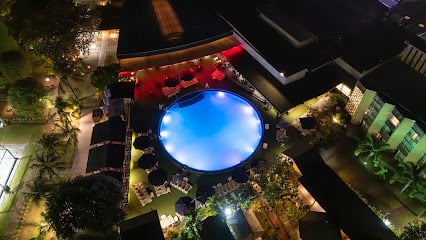 Gay-Friendly Hotel
Featured
(1347)
Gay-Friendly Hotel
Featured
(1347)




