
In this guide · 17 sections
- First, the thing that changes everything: winter, and how long it is
- Toronto at a glance
- The verified spots
- 1. David A. Balfour Park and the Vale of Avoca (Yonge & St. Clair)
- 2. Marie Curtis Park (Long Branch)
- The two the page names but doesn't list
- Hanlan's Point Beach (Toronto Islands)
- Cherry Beach and the Leslie Spit (Port Lands)
- When to go
- Getting around at night
- The apps
- The law in Canada
- Health, including the urgent bit
- Safety and etiquette, the honest version
- A bit of history, because Toronto has seven heritage listings
- If Toronto feels small
- Keep this page honest
Toronto is a city built on ravines. The downtown you see from the CN Tower is a grid of glass on top, but underneath it the land is cut with deep wooded valleys, dozens of them, running down to the lake, and most Torontonians live their whole lives without going into more than two. Gay men, historically, have known them better than anyone. The ravines are where the city cruised for a hundred years before the Village existed, and they still are, for about five months of the year, which is roughly how long Toronto isn't frozen.
It's also one of the safest cities on earth to be gay in, home to one of the biggest Prides, the first Pride in Canada (which happened at a nude beach, and we'll get to that), and a police force that learned a very public lesson about cruising spots in 2016. The scene here is open, well-lit and, being Canadian, apologetic. The wild part is the raccoons.
This guide covers the two places currently verified on GayOut's Toronto cruising page, plus the two the page names but doesn't list, Hanlan's Point and Cherry Beach, what each is like, when to go, how to get home, what the law says, and the things that only make sense after your first Toronto winter.
First, the thing that changes everything: winter, and how long it is
Every city in this series has a constraint. Toronto's is that the outdoor season is short and the winter is not a season, it's a tenant. From November to April the ravines are ice, the lake is a colour you don't want to swim in, the wind off the water goes through anything, and the outdoor spots are, honestly, shut. Nobody is cruising the Vale of Avoca at minus 18. The three saunas and the Village carry the winter, and they're good enough that most locals barely notice.
Then, some time in May, it turns, fast, and the city comes out with the specific hunger of people who haven't seen the sun in six months. You feel it most on Church Street. The first warm Friday in June, every patio in the Village is full by five, the music from the bars is out on the pavement, men are sitting on the railings with a beer in the last of the light, and the whole street has the slightly manic energy of a city that's been indoors since Halloween and has just remembered it has a body. The season runs late May to early October. June is the peak: Pride is the last weekend, and it's one of the biggest in the world, with the Village closed to traffic for days. July and August are hot, humid, and the beach is the answer. September is the secret: warm lake, thin crowds, and the best light of the year on the islands.
Plan around that. A weekend in Toronto in February and a weekend in July are two different cities and this guide is about the second one.
Toronto at a glance
- 2 verified cruising areas: David A. Balfour Park (the Vale of Avoca ravine) and Marie Curtis Park
- 2 gay beaches: beaches page, and Hanlan's Point is the one that matters
- 13 gay bars and clubs: Toronto bars page, most on Church Street
- 3 gay saunas: saunas page. The two to know by name are Steamworks, at 540 Church in the middle of the Village and open around the clock, and Spa Excess a few blocks away; between them they are the reason a Toronto January is survivable
- 2 gay shops: shops
- 24 gay-friendly hotels: hotels page
- 29 gay-friendly restaurants: restaurants
- 7 gay heritage listings: heritage page. Seven. This city has receipts
- What's on tonight: Tonight LIVE
- Tell someone where you are. The Vale, Cherry Beach and the Port Lands are all places you can be alone in, in a city of three million.
- Take less. Toronto is very safe, but a bag on a beach is a bag on a beach, and a bag on the ground in the Vale is a raccoon's bag now.
- Poison ivy. It's along the ravine trails from June on, three leaves, glossy, and it will ruin a week. Learn what it looks like before you go into the bushes.
- Ticks. Southern Ontario has Lyme disease and the ravines and the Spit are exactly the habitat. Long grass, check yourself, don't lie down without thinking.
- Mosquitoes. July in a ravine is a specific experience. Bring repellent or bring blood you don't need.
- The lake is cold and the ferry leaves. Both Hanlan's warnings, both real, both ignored by everyone the first time.
- Signals, not speeches. Torontonians are friendly but reserved, and in the ravines the culture is eye contact and a walk in the same direction, not a conversation. Canada is the only country where a man will say "sorry" before making eye contact with you on a trail, and "sorry" again when he leaves. Neither one is an apology. The first is hello and the second is thank you, and if you get a nod in between, that was the whole conversation.
- It's fine to feel awkward. Everyone does for the first ten minutes, and the Vale in particular has a lot of dog walkers who've seen it all and don't care. If it's empty or the mood's off, climb back up to Yonge and get a coffee. Nobody expects you to stay.
- Know which bit is which. Marie Curtis and Cherry Beach both have playgrounds and families in the day. The wooded edges are understood; the lawn is not.
- Take your rubbish. Toronto parks staff are fond of fences and lights, and litter is how a ravine gets both.
- Toronto gay saunas: three, and the reason winter is survivable
- Toronto gay bars: thirteen, nearly all on or around Church Street, and the fastest way to hear what's active this week
- Montreal: five hours by train, and the Village there stays out later
- New York: a short flight and the opposite of polite
- Canada overview: Vancouver has Wreck Beach, which is Hanlan's with mountains
City overview: gayout.com/usa-canada/canada/toronto

The verified spots
1. David A. Balfour Park and the Vale of Avoca (Yonge & St. Clair)
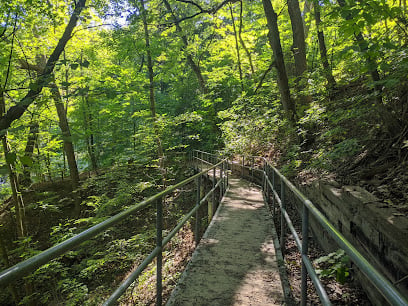
Balfour Park is the ravine below Yonge and St. Clair, in the neighbourhood the city calls Deer Park and everyone else calls "up by St. Clair". From the street it's a tidy little park. Walk to the edge and the ground drops away into the Vale of Avoca, a deep wooded valley with a creek at the bottom, trails along the sides, and the Mount Pleasant Cemetery on the far slope. It's one of the oldest documented cruising grounds in the city and it's been active for longer than the subway that stops above it.
Warm evenings, late spring to early autumn. Dusk onwards, and busiest on summer weeknights after work, when men come down from the offices on Yonge in the last of the light. The trails on the east side, away from the main path, are where it happens. The crowd is local, mixed ages, a lot of regulars, and quieter than you'd expect for a spot this central.
Practical: bring a torch, because once the sun's gone the ravine is genuinely dark, and the trails are roots, mud and a steep drop to the creek. Poison ivy grows along the edges in summer and it's not a myth; if you're from Europe or the Middle East and don't know what it looks like, it's the glossy three-leaf plant at ankle height along the trail edges, and if you think you've touched it, wash the skin as soon as you can with cold water and soap, not hot, because hot water opens the pores and spreads the oil. Mosquitoes in July are a plague. And the raccoons. Toronto's raccoons are famous for a reason: they are enormous, they are not afraid of you, and they can open a zip. Don't leave a snack or a piece of fruit in a backpack on the ground in the Vale, because you'll come back to an open bag, a missing banana, and a raccoon looking at you like you're the one being unreasonable.
Getting home is the easiest on this list: St. Clair subway station is at the top of the hill and runs until about 1:30am. After that, the 320 Yonge night bus runs all night down the same street.
"The Vale is the only place in Toronto where you can be 200 metres from a Starbucks and not hear a single car. That's the appeal. Also the raccoons have seen everything." (Local, paraphrased)

2. Marie Curtis Park (Long Branch)
Marie Curtis Park is the lakeside park at the far western edge of the city, where Toronto turns into Mississauga at the mouth of Etobicoke Creek. A beach, a playground, a lot of lawn, and behind them the wooded trails along the creek and the lake, which is where the activity is, well away from the family areas.
It's a car spot and a west-end spot: the crowd is local to Etobicoke and Mississauga, mostly drivers, and it's busiest on summer evenings and weekend afternoons. It's also the spot with the most history of the wrong kind, and the reason it's on this list is partly the reason it's famous. In late 2016 Toronto police ran a plain-clothes sting called Project Marie here, ticketed dozens of men for bylaw offences, and got such a public backlash from the city, the community and eventually the police board that the charges were withdrawn and the force publicly acknowledged it had got it badly wrong. Nothing like it has happened since, and the park is quieter for it. But you should know the story before you park.
Getting there: the 501 Queen streetcar runs all the way out to Long Branch loop, which is a long ride but a beautiful one along the lake, and the Long Branch GO station is a short walk. After midnight it's the 301 Queen night car or a ride-share, and from out here a ride-share back downtown is not cheap.
The two the page names but doesn't list
Hanlan's Point Beach (Toronto Islands)
Hanlan's Point isn't on the cruising list because it's filed as a beach, but it's the centre of everything from June to September and the most famous gay place in Canada. It's on the western tip of the Toronto Islands, a ferry ride from the foot of Bay Street, and it's the city's official clothing-optional beach: a long strip of sand facing west into the lake, with the skyline behind you and the sunset in front. The beaches page has the listing.
The gay and nude section is the southern end, and the dunes and wooded areas behind the beach have been a daytime cruising ground since before anyone wrote it down. Busiest on any hot weekend from noon on, and the crowd is everyone: the Village, the suburbs, tourists, people who found it by accident and stayed.
The history matters here. On 1 August 1971, the first Gay Day Picnic in Canada was held at Hanlan's Point, and it's the direct ancestor of Toronto Pride. The city formally recognised the beach's queer history in 2023, and through 2025 and 2026 it approved a heritage protection and restoration plan for the site, which means two things at once: the paths and access have been re-routed and rebuilt, and the beach's status as a queer heritage site is more secure than it has ever been. Expect some construction; don't expect it to go anywhere.
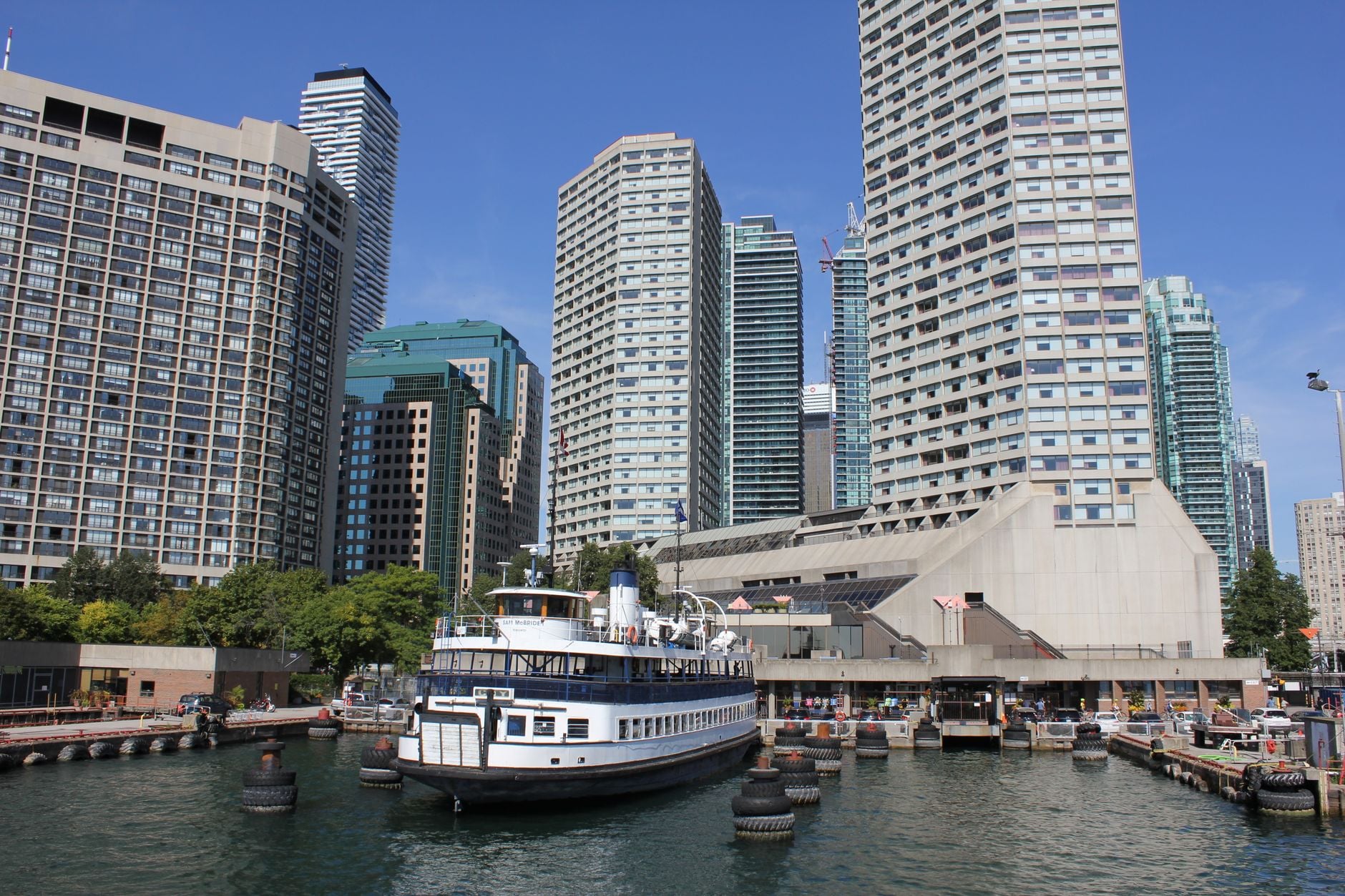
Practical, and this is the part people get wrong: getting there and back. The city ferry runs from the Jack Layton terminal at the foot of Bay Street, the Hanlan's boat is its own route, and on a hot weekend the queue for the outbound ferry can be an hour in the sun. The last boat back is not late, and if you miss it you're on an island with no bridge. Every local knows the workaround: the private water taxis. They run from the docks along the waterfront at York Street and Spadina, they cost about 10 to 12 dollars a head, they leave when they're full, and they'll bring you back after the ferry's stopped. Take the water taxi out to skip the queue, take the ferry back if you're on time, and keep the water taxi in reserve for the moment the sunset makes you forget the clock. Bring water and sunscreen; there's no shade on the sand.
And the lake. Lake Ontario is cold, and colder than the forecast. It rarely gets above 18 degrees even in August, it often feels closer to 15, and going from a 30-degree beach into it is a proper thermal shock, the full-body gasp, every time. Wade in slowly or don't wade in at all. Nobody is judging you from the towel.
"Everyone's first time at Hanlan's ends the same way: on the beach at sunset thinking it's the most beautiful place in the city, then running for the last ferry. Just check the schedule." (Local, paraphrased)
Cherry Beach and the Leslie Spit (Port Lands)
Cherry Beach is the lakeside beach at the bottom of Cherry Street in the Port Lands, the industrial eastern waterfront that the city has been slowly turning into parkland for twenty years. It's a real beach, dog-friendly and popular in the day, and the wooded stretches and trails between the beach and the water have documented after-dark activity in summer. Next to it, the Leslie Spit (Tommy Thompson Park) is a five-kilometre man-made headland of rubble and cottonwoods sticking out into the lake, wild, unlit and huge.
Two things to know. The Spit's gates are open on weekends and holidays and closed on weekdays for construction, and it's not a night place at all; the after-dark activity is at Cherry Beach, not on the Spit. And the Port Lands at night are empty in a way that's either romantic or unsettling depending on your mood: no houses, a lot of fences, long dark roads. Go with someone or go early. The 121 bus and the Cherry streetcar get you close in the day; at night it's a ride-share, and drivers are not always keen on the pickup.
When to go
| Spot | Season | Best time | Crowd | Getting home |
|---|---|---|---|---|
| Balfour Park / Vale of Avoca | Late May to early October | Dusk onwards, summer weeknights | Local, regulars | St. Clair subway, then 320 night bus |
| Marie Curtis Park | Late May to early October | Summer evenings, weekend afternoons | West end, drivers | 501 streetcar, GO, ride-share |
| Hanlan's Point | June to September | Noon to sunset | Everyone | Ferry, and check the last one |
| Cherry Beach | June to September | After dark | Local, sparse | Ride-share |
Winter: the saunas. All three. That's the list.
Getting around at night
The TTC is good and mostly honest about its limits. The subway closes around 1:30am (a bit later on Saturdays), and after that the Blue Night network runs buses and streetcars every 30 minutes on the main routes all night; the 320 Yonge, the 301 Queen and the 300 Bloor-Danforth cover most of what you'll need. Payment is the easiest part: you do not need a PRESTO card or any Toronto-specific ticket. Tap a credit or debit card, your phone or a smartwatch on the reader at the subway gate or on the streetcar and you're done, and transfers are free for two hours. The only barriers are the subway gates.
Uber and Lyft both work and are the default after 2am. Bike Share Toronto is everywhere downtown and a fine way to get to the Vale from the Village on a summer night, but the ravine trails are not bike trails, and the Bay Street ferry terminal has a dock. Nothing gets you home from the islands after the last ferry except a water taxi and regret.
Cabs are fine and metered. The city is big and flat and the distances are longer than they look, especially east-west.
The apps
Grindr runs the city and the beach, and Hanlan's on a Saturday afternoon has one of the densest Grindr grids in the country. Sniffles is bigger in North America than in most of Europe, and Toronto is one of its stronger cities; a lot of what happens at the Vale and Cherry Beach on a given night is on it first. Scruff has a solid following because of the bear and leather crowd, and Recon for the latter.
Canadians are polite on the apps in a way that reads as slow to Americans and Europeans. Expect "hey, how's it going" and a couple of exchanges before anyone says what they mean. A map pin under a tree is a suggestion, not a promise, and the ravines eat GPS.
The law in Canada
Same-sex activity has been legal in Canada since 1969, marriage since 2005, and Toronto is about as safe a city as exists for gay men. Nudity at Hanlan's is officially permitted; the city designated it clothing-optional in 1999 and the signs are posted.
Public sex is an offence under the Criminal Code ("indecent act", section 173), and the parks have bylaws and posted hours, which is what police used at Marie Curtis in 2016. But the aftermath of that operation is the real legal note: the backlash was so complete, and the police response so publicly contrite, that no equivalent operation has been run at a Toronto cruising spot since, and the unwritten policy is now to leave the wooded edges alone as long as nobody complains. Discretion is still the whole game, and the family areas are off limits, but you are not in a city that's hunting you.
Health, including the urgent bit
For routine testing, the Hassle Free Clinic on Church Street in the Village is the institution: free, anonymous, no health card needed, and it's been looking after Toronto's gay men since 1973. PrEP is covered under Ontario's drug programs for most people and the clinic will walk you through it.
For the urgent bit: PEP works if you start it within 72 hours, and every hour counts. In Toronto, any hospital emergency department can start it; St. Michael's downtown and Toronto General are the closest to the Village and both know the drill. Hassle Free can also start PEP during clinic hours. Say "PEP" at triage. If you're a visitor without Ontario health coverage, say that too; you'll be seen, and the paperwork is a later problem.
The saunas hand out condoms. The ravines don't, and the beach definitely doesn't. Bring your own.
Safety and etiquette, the honest version
A bit of history, because Toronto has seven heritage listings
The heritage page has seven entries and could have twenty. The short version: on 5 February 1981, Toronto police raided four bathhouses in a single night, Operation Soap, and arrested nearly 300 men, the largest mass arrest in Canada since the War Measures Act. The next night 3,000 people marched on 52 Division, and the city's modern gay movement, the Village, Pride as an annual event, and eventually the Church-Wellesley neighbourhood as you see it now, all date from that week. The bathhouse raids are Toronto's Stonewall, and the police apologised, formally, in 2016, the same year as Project Marie.
Before that, in 1971, the first Gay Day Picnic in Canada was held at Hanlan's Point, which is why the nude beach is a heritage site as well as a beach. And the ravines, the Vale of Avoca included, were where the city met for the whole of the century before any of it was legal. The trails are older than the Village by a long way.
And before all of it, this is Indigenous land: the traditional territory of the Mississaugas of the Credit, the Anishinaabe, the Haudenosaunee and the Wendat, and the islands and the ravines were theirs long before they were anyone's cruising ground. In Canada the queer story and the Indigenous one are more entwined than in most countries, and you'll see the term Two-Spirit on flags and posters in the Village, sometimes as the "2S" in 2SLGBTQ+. It's an umbrella term Indigenous people use for gender and sexual identities that pre-date colonisation and were part of many nations' cultures before the churches and the residential schools tried to erase them. Toronto Pride opens with a land acknowledgement and a Two-Spirit contingent leads the march. It's not a footnote to the city's queer history. In a real sense it's the first chapter.
If Toronto feels small
It's the fourth-largest city in North America. It won't. But:
Keep this page honest
Cruising spots change faster than any other category on GayOut, and Toronto's change with construction: the islands are being rebuilt, the Port Lands are being rebuilt, the ravines get trails re-routed every spring. If something here is wrong, use the "Report a correction" form on the Toronto cruising page, or add a place via Add a Venue. Local knowledge is the only thing that keeps a page like this worth reading.