Marriage equality since Obergefell v. Hodges (26 June 2015). The Respect for Marriage Act (December 2022) provides a congressional floor, requiring federal recognition of all valid same-sex and interracial marriages regardless of future Supreme Court rulings. Bostock v. Clayton County (2020) held that Title VII of the Civil Rights Act prohibits employment discrimination on the basis of sexual orientation and gender identity. No comprehensive federal anti-discrimination law in housing or public…
Washington, D.C. has one of the longest-established and most politically engaged LGBTQ+ communities in the United States, rooted in decades of activism and cultural institution-building. The city's queer history extends back to the mid-20th century, though the modern visible scene crystallized in the 1970s and 1980s, particularly in Dupont Circle. The AIDS crisis of the 1980s and 1990s devastated the community but also galvanized unprecedented activism and care networks. Today, D.C. is home to major national LGBTQ+ organizations including the Human Rights Campaign, Lambda Legal, and the Trevor Project, alongside local institutions that continue to shape policy and culture.
NEIGHBORHOODS AND GEOGRAPHY
Dupont Circle is the historic gay neighborhood, centered around the traffic circle of the same name in Northwest D.C. This area has been the spiritual center of gay life since the 1970s and remains anchored by iconic venues, bookstores, and community spaces. The neighborhood is dense, walkable, and filled with restaurants, cafes, and bars that serve both LGBTQ+ and general populations. Nearby to the south is Logan Circle, which has gentrified significantly over the past 15 years and now hosts many newer bars, restaurants, and a younger demographic of queer residents and visitors. The U Street Corridor, historically a Black cultural and entertainment district, has some LGBTQ+ venues and nightlife.
The areas around Capitol Hill, particularly South Capitol Street and Barracks Row, also have some LGBTQ+ nightlife and residents. Downtown D.C. near Metro Center hosts some commercial venues. Georgetown, the historic neighborhood west of Dupont, has some gay-friendly restaurants and bars but is less specifically LGBTQ+-focused than Dupont or Logan Circle. The waterfront and neighborhoods east of the Anacostia River are less developed for LGBTQ+ tourism but are becoming more inclusive.
VENUES AND NIGHTLIFE
D.C.'s bar and club scene is distributed across neighborhoods. JR.'s Bar & Grill in Dupont Circle is one of the longest-standing gay bars, known for its rooftop patio and varied clientele. The Fireplace in Dupont Circle is another historic venue. Nellie's Sports Bar, also in Dupont, is popular for its sports programming and social atmosphere. In Logan Circle, venues like Number Nine and others cater to a younger crowd with dance music and cocktails.
For nightlife and dancing, venues host regular DJ nights, circuit parties during Pride season, and themed events throughout the year. The city's nightlife scene is less centralized than in some other major cities, with events scattered across multiple venues. Some venues are men-focused, while others are mixed or women-focused; many are gender-inclusive.
The city has several adult-oriented venues including bathhouses and sex clubs, though these are not extensively documented in mainstream travel guides. Interested visitors should research current options and review community forums.
The LGBT Community Center of D.C. serves as a hub for programming, support services, and community gathering. Various LGBTQ+-focused nonprofits host events, film screenings, and social gatherings. The Smithsonian museums, while not exclusively LGBTQ+ spaces, host special exhibitions and programming related to LGBTQ+ history and culture.
PRIDE AND ANNUAL EVENTS
Washington Capital Pride is held annually in June and is one of the largest Pride celebrations in the United States, typically drawing 150,000 to over 200,000 people. The celebration includes a massive parade on a Sunday, with marching contingents including corporations, nonprofits, political organizations, and community groups. Festival stages are set up in multiple downtown locations with music, performances, and vendor booths. The week leading up to Pride includes numerous parties, brunches, and preliminary events at bars and clubs.
Beyond Pride, circuit parties and special events are hosted throughout the year. Many venues host Pride afterparties and themed events during the Pride week itself, drawing national and international crowds. The city's political calendar also influences LGBTQ+ events—inauguration periods and major political moments often draw activism and gatherings.
WHERE TO STAY
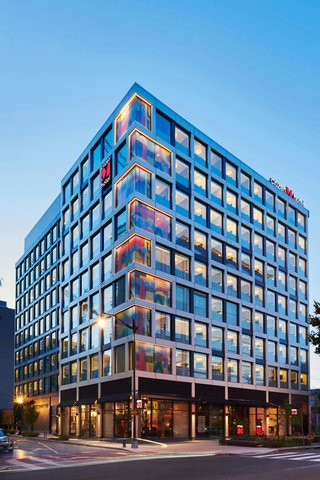
Dupont Circle has numerous hotels, many of which actively market to LGBTQ+ travelers. Mid-range and upscale chains are well-represented, and some smaller boutique hotels specifically cater to queer clientele. Logan Circle and nearby neighborhoods have newer hotels and short-term rentals. Capitol Hill also has accommodation options convenient to some nightlife venues. During Pride week, hotels fill quickly and rates increase substantially, so advance booking is essential.
For those seeking LGBTQ+-specific lodging experiences, guesthouses and bed-and-breakfasts operated by queer hosts are available through platforms like Airbnb, though availability fluctuates. Some smaller queer-owned hotels and inns operate in D.C., though the market is smaller than in cities like San Francisco or New York.
Washington's Metro (subway and bus system) is extensive and connects most major neighborhoods and attractions. Dupont Circle, Logan Circle, and Capitol Hill all have Metro stations. The system is generally safe and reliable, though like any urban transit system, passengers should exercise standard urban awareness, particularly late at night. Walking is safe in most central neighborhoods during daytime and early evening hours.
Taxis, Uber, and Lyft are widely available. D.C. is also increasingly bikeable, with a bike-share system (Capital Bikeshare) available throughout the city.
FOOD AND DINING
D.C. has become a major food city with numerous highly-regarded restaurants. Dupont Circle and Logan Circle have high concentrations of restaurants ranging from casual to fine dining. Many LGBTQ+-owned restaurants and cafes exist, though the city's restaurant scene is not exclusively queer. The city has diverse cuisine options reflecting its immigrant communities and international character. Casual dining, food trucks, and street food are abundant and accessible.
CULTURE AND DAY ACTIVITIES
The vast majority of D.C.'s world-class museums are free, including the Smithsonian Institution museums (National Museum of American History, National Gallery of Art, National Museum of Natural History, and many others). These museums often have LGBTQ+-related exhibitions and collections. The Library of Congress, while not a museum, offers tours and exhibits. The National Mall is a vast open space with monuments and memorials, walkable and free to explore.
Historical LGBTQ+ sites are scattered throughout the city. The Mattachine Society, one of the earliest gay rights organizations, had significant presence in D.C. The Lambda Rising bookstore (historically located in Dupont Circle, now online) was an iconic community institution. Plaques and markers throughout the city denote LGBTQ+ historical significance.
Theater, live music, and arts programming occur throughout the city at various venues. Kennedy Center and other performing arts venues host major productions. The city has a vibrant independent theater scene with productions relevant to LGBTQ+ themes and artists.
SAFETY CONSIDERATIONS
Washington, D.C. is generally safe for LGBTQ+ travelers, with well-developed civil rights protections and a large visible queer community. The city has strong anti-discrimination laws and the police department has LGBTQ+ liaison programs. However, like any large urban area, standard safety precautions apply: avoid isolated areas late at night, stay aware of surroundings, travel in groups when possible, and use reliable transportation.
Certain neighborhoods are safer than others, particularly at night. Dupont Circle, Logan Circle, and Capitol Hill are generally safe areas with good foot traffic and visibility. Isolated areas and parks should be avoided after dark. The city experiences property crime (theft, break-ins) at typical urban rates; travelers should secure valuables and not leave items visible in vehicles.
The U.S. political climate around LGBTQ+ issues fluctuates, but D.C. as a city and its federal laws provide robust protections. Local attitudes are generally welcoming; outward displays of affection between same-sex couples are normal and widely accepted in central neighborhoods.
HEALTH AND SERVICES
D.C. has numerous sexual health clinics and healthcare providers experienced in serving LGBTQ+ patients. PreP and PrEP-related services are available through multiple providers. The city's healthcare infrastructure is excellent. LGBTQ+-specific health and support services are available through community organizations.
Day Trips
DAY TRIPS FROM D.C.
The Washington, D.C. area provides access to numerous historical sites and natural areas. The Smithsonian's gardens and outdoor spaces are extensive. Nearby areas include Arlington, Virginia (across the Potomac, easily accessible by Metro) and suburban areas with parks and recreational areas. Longer day trips can reach natural areas in Maryland and Virginia's Blue Ridge region, though these are less explicitly LGBTQ+-focused destinations.
BESTTIME TO VISIT
June is ideal for Pride, though the city is busiest and most expensive during this period. Spring (April-May) and fall (September-October) offer pleasant weather and smaller crowds. Summers are hot and humid. Winters are mild compared to northern regions but can include occasional snow. Year-round visiting is feasible given the indoor attractions (museums) and climate control.
PRACTICAL INFORMATION
The United States uses the U.S. dollar. English is the primary language. Visitors from outside the U.S. may need passports and visas depending on nationality. The city operates on Eastern Time. Tipping is customary (15-20% in restaurants and bars). Alcohol and nightlife venues have age restrictions (21+ for bars and clubs).
Frequently asked questions
Washington, D.C. has a historically significant and politically engaged LGBTQ+ community. The city is known for its activism and has seen increasing visibility of its LGBTQ+ population in various sectors.
Dupont Circle is the most historically significant gay neighborhood and remains important to the community, hosting many LGBTQ+-friendly establishments. Logan Circle is also popular with younger professionals and features many bars and restaurants. The U Street Corridor also has bars, clubs, and restaurants welcoming to LGBTQ+ clientele.
Dupont Circle is known for its LGBTQ+-friendly establishments. Logan Circle and the U Street Corridor also feature bars, clubs, and restaurants that welcome LGBTQ+ patrons.
D.C. has one of the most established and politically significant LGBTQ+ communities in the United States. The scene emerged prominently in the 1970s and 1980s, with a strong history of activism and advocacy for civil rights.
The source guide mentions the historical significance of ACT UP demonstrations and the ongoing political engagement of the local LGBTQ+ community. It does not provide specific dates for Pride celebrations or other events.
Dupont Circle is a historically significant gay neighborhood with many LGBTQ+-friendly establishments. Logan Circle is increasingly popular and diverse, offering many restaurants, galleries, and bars. The U Street Corridor also has options welcoming to LGBTQ+ clientele.
Your privacy choices.
We use cookies to run GayOut and, with your consent, measure usage. Learn more
Your privacy choices
We use cookies to keep GayOut running, remember your preferences, and (with your permission) measure how the site is used. You can accept all, reject all, or pick what you allow. Learn more
Essential
Required for sign-in, fraud prevention, CSRF protection and remembering your language. Cannot be disabled.
Always on
Remembers your favourites, dark mode and other interface preferences across visits.
Helps us understand which pages people visit (Google Analytics, server-side stats) so we can improve.
Used by campaign tracking pixels. None are active right now, reserved for future use.
Install GayOut
Add GayOut to your home screen for faster access, offline favourites, and Pride alerts.


 Gay-Friendly Bars & Clubs
(21)
Gay-Friendly Bars & Clubs
(21)