Marriage equality since Obergefell v. Hodges (26 June 2015). The Respect for Marriage Act (December 2022) provides a congressional floor, requiring federal recognition of all valid same-sex and interracial marriages regardless of future Supreme Court rulings. Bostock v. Clayton County (2020) held that Title VII of the Civil Rights Act prohibits employment discrimination on the basis of sexual orientation and gender identity. No comprehensive federal anti-discrimination law in housing or public…
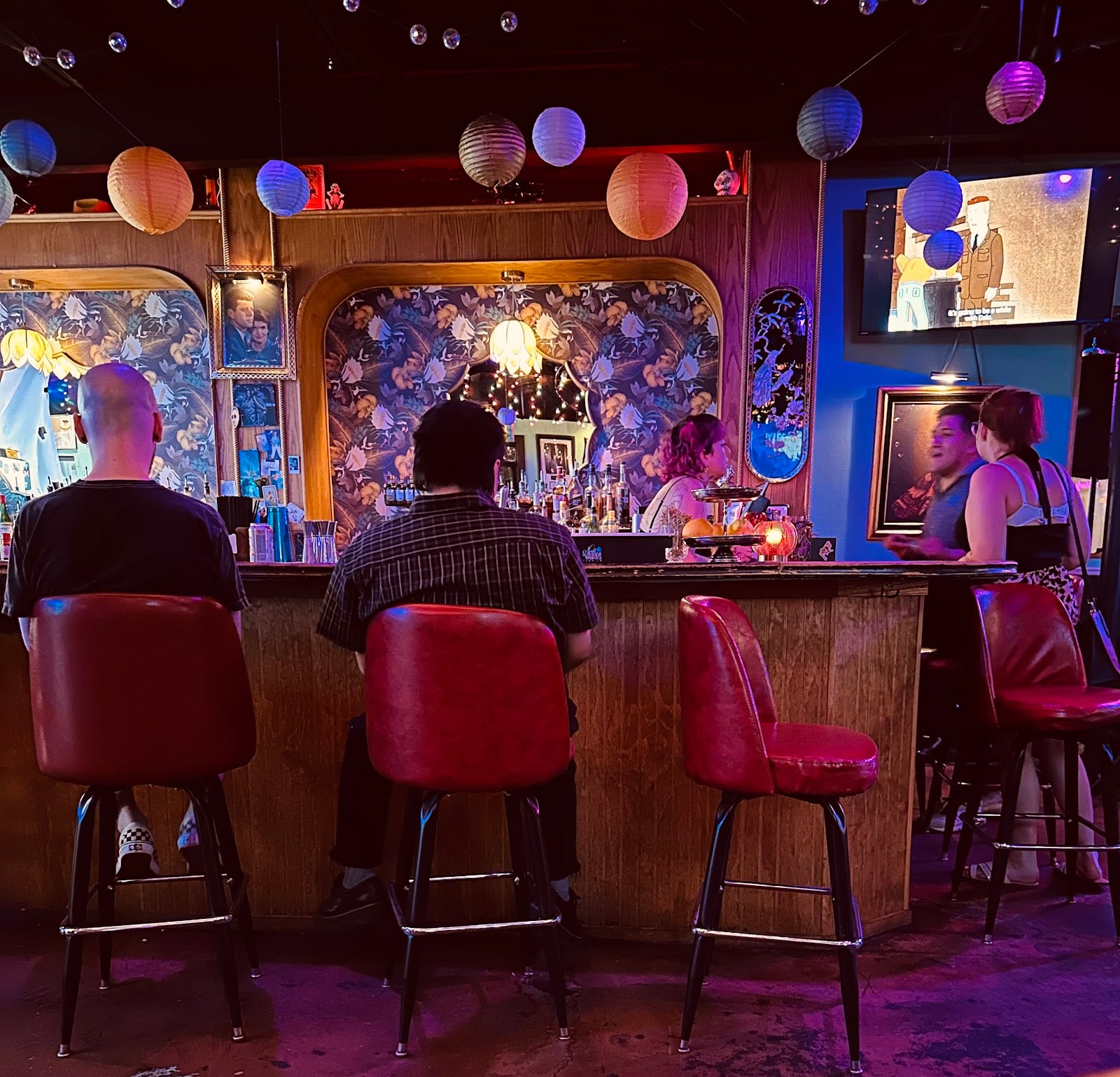
Such a laid back fun little place. Owner is super cool. Bartender ridge is amazing and so personable and amazings drinks. Good prices fun people. Good drag shows. I go there every weekend.
Awesome place to go and sing karaoke or just have a some drinks with friends! If I could rate 10 stars I would! Awesome club and always have fun singing karaoke on Sundays!!
Friendly service and fun atmosphere, diverse clientele, good music. Spacious patio outside, cute decor and warm, intimate seating inside. We had a lovely time. Five stars!
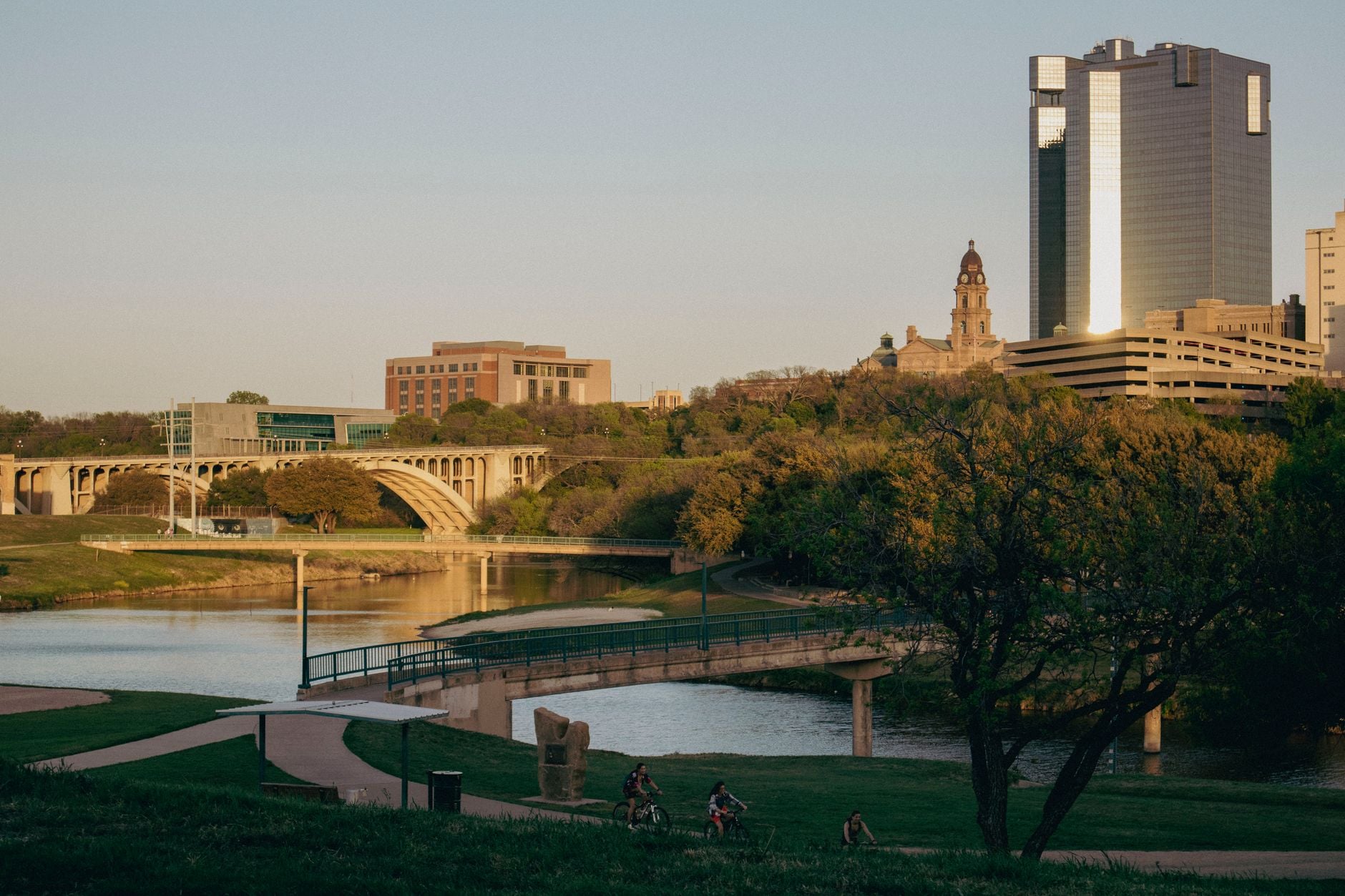
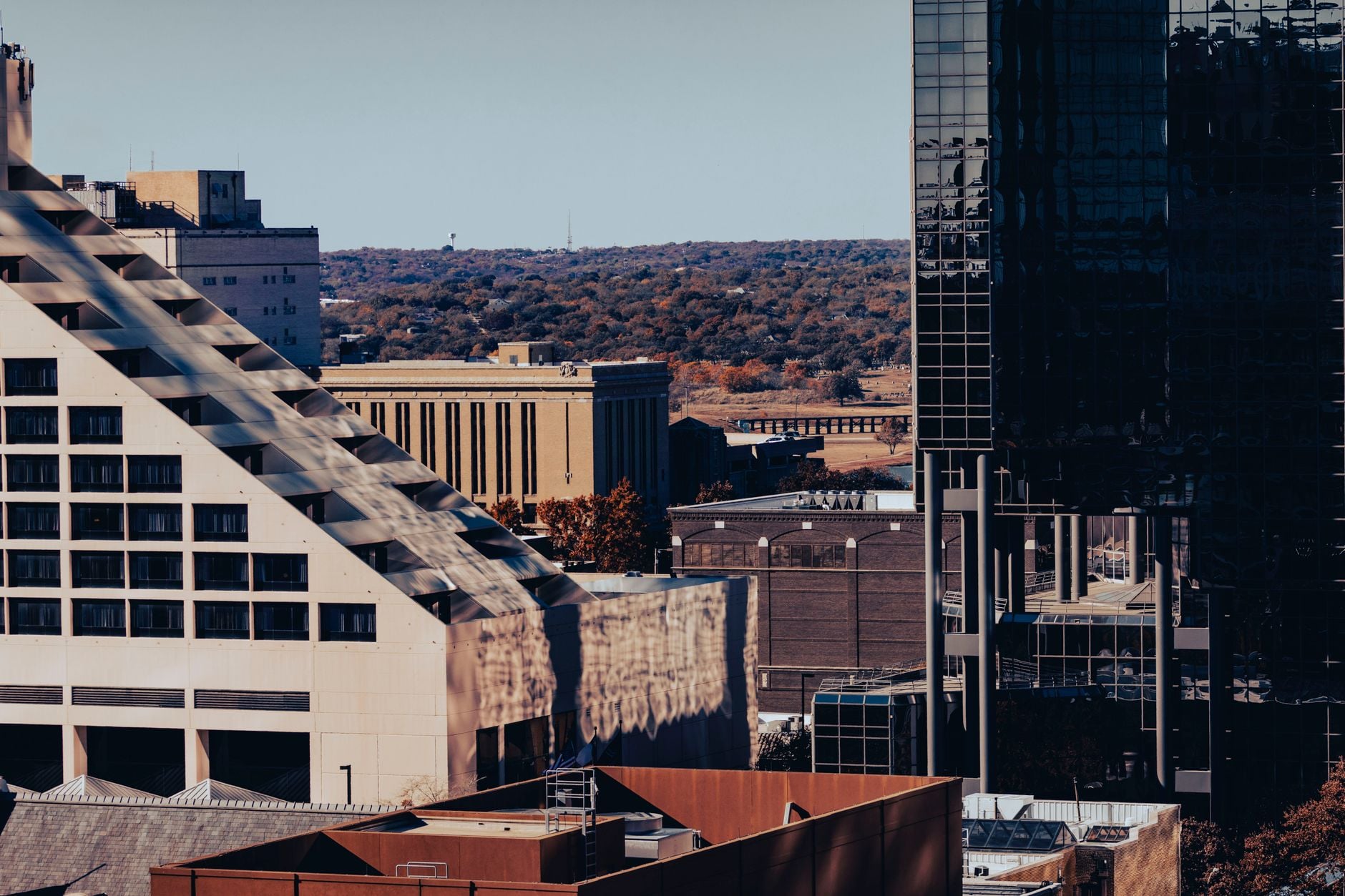
Fort Worth is often overshadowed by Dallas, its bigger neighbor 30 miles east, but it has developed a warm, visible and steadily growing LGBTQ+ community of its own. The scene is compact and neighborly rather than a sprawling nightlife circuit, and that is exactly its charm. Most of the action sits just south of downtown in the Near Southside, where a run of gay bars along South Jennings Avenue — locally nicknamed "The District" — anchors the community, backed by a queer-friendly strip on West Magnolia Avenue.
The District: South Jennings Avenue
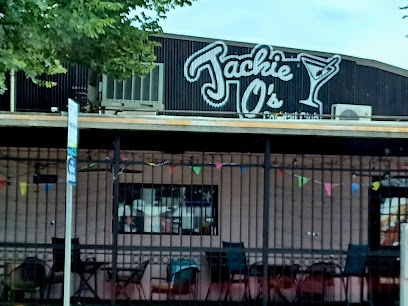
The 600 block of South Jennings Avenue is the closest thing Fort Worth has to a gayborhood, with several venues within a short walk of each other. Club Reflection (604 S Jennings) is a beloved country/western bar with Texas two-stepping, drag shows, go-go dancers and karaoke. Directly across the way, Liberty Lounge (515 S Jennings) is a friendly queer neighborhood dive known for trivia, art nights and community fundraisers. In recent years the block has gained Jackie O's Cocktail Club (609 S Jennings), a stylish mid-century-inspired craft-cocktail bar that opened in 2023, and Diablo Cantina (615 S Jennings), a newer LGBTQ+ Latin club.
A short drive east on East Lancaster Avenue you'll find Club Changes (2637 E Lancaster), Fort Worth's longest-running gay bar — an unpretentious spot with drag, karaoke, a game room and cheap drinks that's especially popular with the trans and lesbian community.
West Magnolia Avenue
A few blocks from South Jennings, West Magnolia Avenue is the Near Southside's dining-and-drinks corridor and its most reliably queer-friendly strip. Grandma's (715 W Magnolia) is an easygoing, dog-friendly bar that leans into the local queer scene with weekend DJs, Sunday karaoke, a monthly "Slay" drag brunch and Pride-season events. The surrounding blocks are full of LGBTQ-welcoming restaurants and cafés.
Saunas and Cruising
Fort Worth has no gay bathhouse; the nearest men's sauna is The Club Dallas, about 40 minutes east. For outdoor cruising, Marion "Buck" Sansom Park in northwest Fort Worth has a long-standing after-dark reputation, and Bright Lights, an adult arcade on Camp Bowie West, is noted for its private booths. As always in public settings, use discretion, be mindful of Texas law and prioritize your safety.
Trinity Pride
Fort Worth's main Pride is Trinity Pride Fest, held in late June in the South Main Village area of the Near Southside. It has grown into the largest Pride celebration in Tarrant County, especially as neighboring events have scaled back, and features live entertainment, drag, community and vendor booths and a block-party feel. The organizer is Trinity Pride (trinitypridefw.org).
Where to Stay
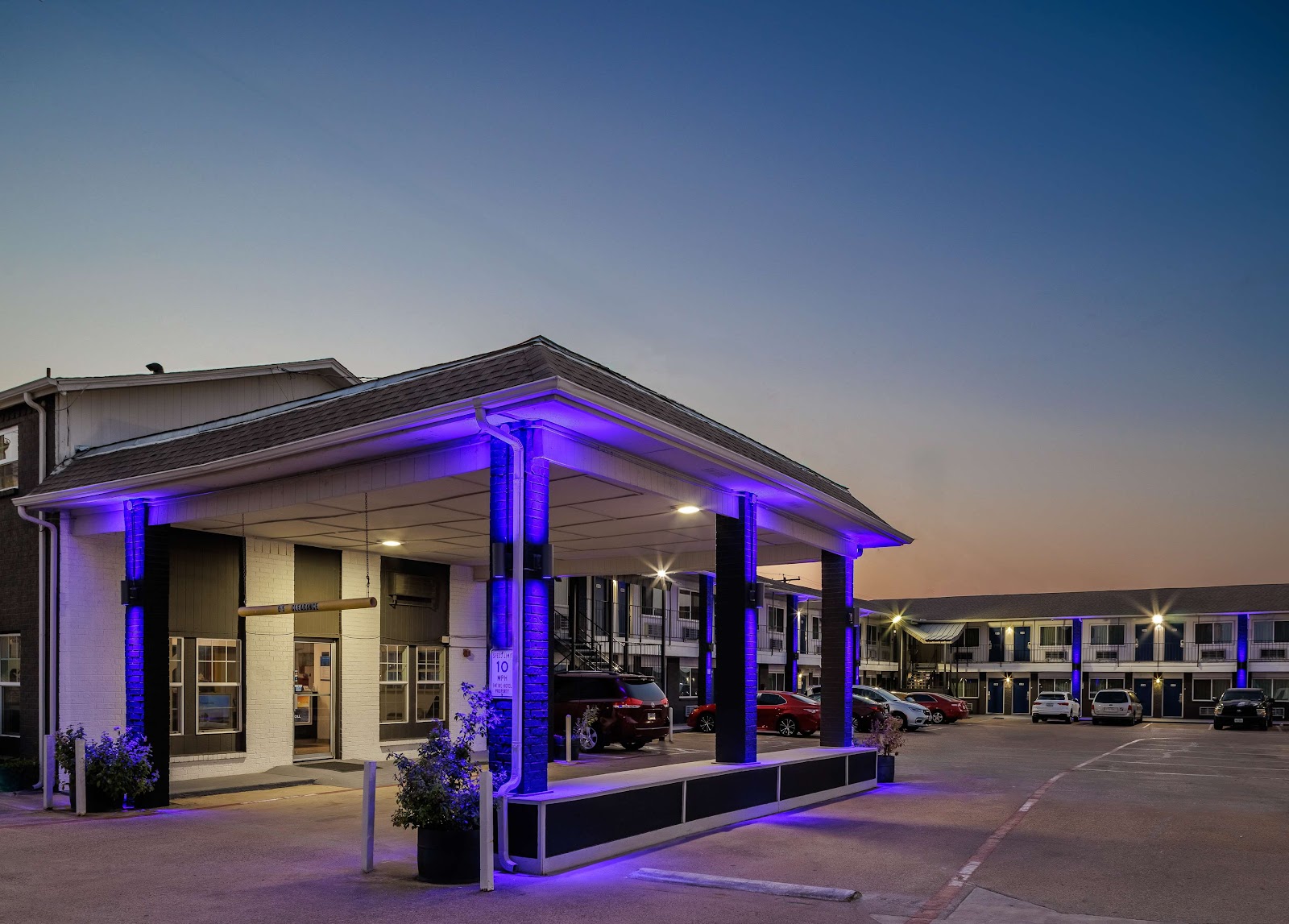
There are no exclusively LGBTQ+ hotels in Fort Worth, but several stylish, welcoming options put you near the scene. Hotel Dryce and Bowie House (an Auberge Resorts property) sit in the Cultural District, while Aloft Fort Worth Downtown is a short drive or rideshare from the Near Southside bars. Downtown and the Near Southside are both convenient bases for exploring the gay scene.
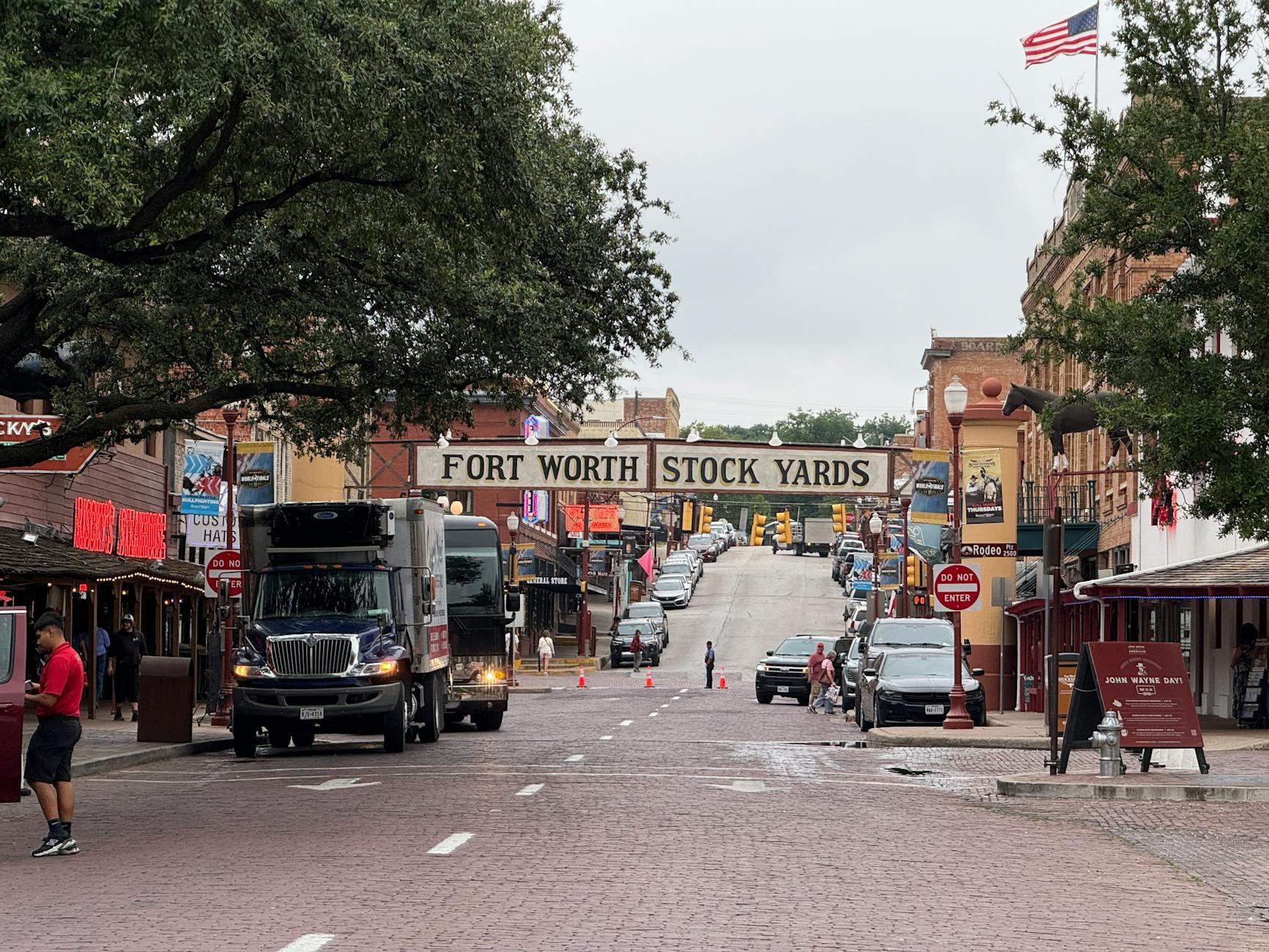
Fort Worth rewards daytime exploring. The Cultural District is home to the Kimbell Art Museum, the Modern Art Museum of Fort Worth and the Amon Carter, a genuinely world-class cluster of galleries. The Fort Worth Stockyards deliver Western heritage with twice-daily cattle drives, honky-tonks and rodeos (country-focused rather than queer, but a quintessential Texas experience). The Trinity River parks and trails and the Fort Worth Botanic Garden offer easy outdoor time.
Getting Around
Dallas Fort Worth International Airport (DFW) is about 30–40 minutes from the Near Southside. Fort Worth's local transit is run by Trinity Metro (buses, the TEXRail commuter line to DFW, and the Molly the Trolley downtown circulator), but coverage is limited compared with bigger metros, so most visitors rent a car or use rideshare. Once you're in the Near Southside, the South Jennings and Magnolia venues are walkable.
Safety and Practicalities
Fort Worth is generally safe and welcoming for LGBTQ+ visitors, and the Near Southside and downtown are visibly progressive. Texas state law has grown more restrictive on some LGBTQ+ issues in recent years — particularly regarding transgender rights — so trans travelers may want to stay informed, but everyday travel in Fort Worth's urban core is easy and public displays of affection in the gay district are unremarkable. English is universal, Spanish is widely spoken, and U.S. dollars and cards are standard. The best times to visit are Pride weekend in late June and the milder spring and fall months.
Frequently asked questions
Fort Worth's main gay nightlife district is the 600 block of South Jennings Avenue in the Near Southside — a cluster of bars locals now call "The District" — with a secondary queer-friendly strip along West Magnolia Avenue a few blocks away.
Yes. The core gay bars sit on South Jennings Avenue: Club Reflection (country/western dancing and drag), Liberty Lounge (a queer neighborhood dive), plus the newer Jackie O's Cocktail Club and Diablo Cantina. Club Changes on East Lancaster is Fort Worth's longest-running gay bar, and Grandma's on West Magnolia is a popular LGBTQ-friendly spot.
Fort Worth's LGBTQ+ community is smaller than Austin or Dallas but offers authentic charm and genuine friendliness. It has developed a welcoming and visible community over the past two decades.
Fort Worth's main Pride is Trinity Pride Fest, held in late June in the South Main Village area of the Near Southside. It has grown into the largest Pride celebration in Tarrant County.
Yes — the South Jennings "District" and West Magnolia Avenue are home to gay-owned bars, cocktail lounges and small businesses concentrated in a walkable stretch of the Near Southside.
There are no exclusively LGBTQ+ hotels in Fort Worth, but several welcoming, well-placed options exist, including Hotel Dryce and Bowie House in the Cultural District and Aloft Fort Worth Downtown near the Near Southside scene.
Your privacy choices.
We use cookies to run GayOut and, with your consent, measure usage. Learn more
Your privacy choices
We use cookies to keep GayOut running, remember your preferences, and (with your permission) measure how the site is used. You can accept all, reject all, or pick what you allow. Learn more
Essential
Required for sign-in, fraud prevention, CSRF protection and remembering your language. Cannot be disabled.
Always on
Remembers your favourites, dark mode and other interface preferences across visits.
Helps us understand which pages people visit (Google Analytics, server-side stats) so we can improve.
Used by campaign tracking pixels. None are active right now, reserved for future use.
Install GayOut
Add GayOut to your home screen for faster access, offline favourites, and Pride alerts.




 Gay Bars & Clubs
(87)
Gay Bars & Clubs
(87)