Chūō-ku Gay Guide: Ginza, Nihonbashi and a Handful of Old-School Bars
Chūō-ku is the small central ward that holds some of Tokyo's most famous addresses — Ginza, Nihonbashi and Tsukiji — but it is not where most of the city's gay nightlife happens. That reputation belongs to Shinjuku Ni-chōme, which sits in Shinjuku ward, about fifteen minutes away by train and often muddled with Chūō-ku in older listings. What Chūō-ku actually offers is quieter and easy to miss: a small cluster of veteran gay counter bars in Ginza, plus quick access to the busier scene just over its southern edge in Shimbashi.
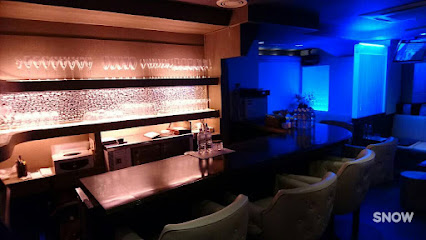
It helps to know where the line falls. Chūō-ku's own gay venues are spread across Ginza's 6-, 7- and 8-chōme blocks, with the 8-chōme corner sitting closest to Shimbashi Station. This is old Ginza bar country — narrow buildings stacked floor by floor with tiny counter bars, a few of them gay, most seating no more than eight or ten people. You sit at the bar, order a drink, and end up talking to the mama-san and whoever else is in that night. Ginza's gay bars have long drawn an older, well-dressed local crowd, and the mood is calm rather than loud. Ginza 大穴 (Daiana), 銀座コルベット (Ginza Corvette), 銀座ハイカラー (High Collar), ムー (Mu) and 銀座M's are the counter bars that carry this small scene, alongside the mixed, all-gender boon boon.
Neighbourhoods
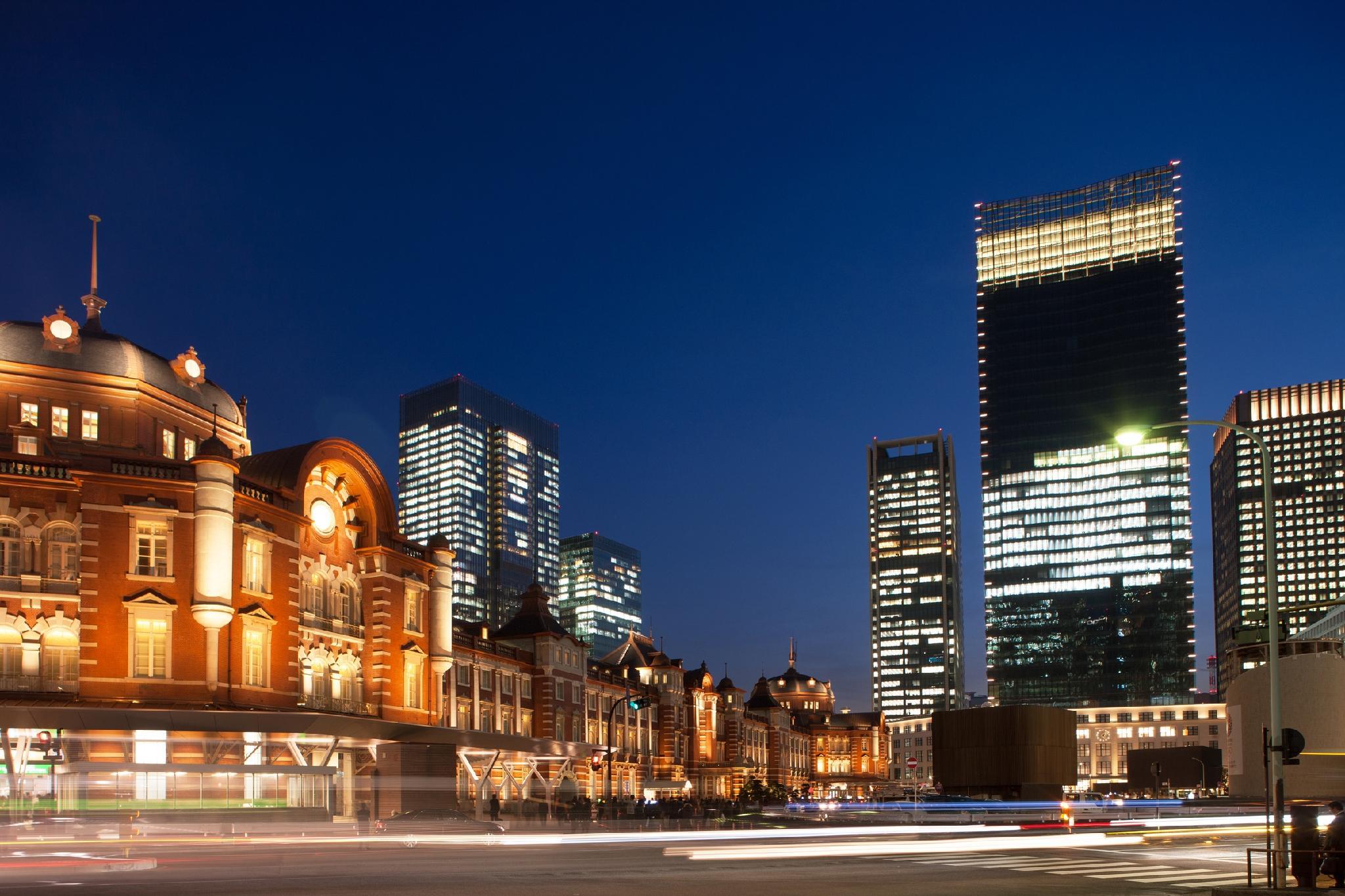
Ginza is luxury retail by day and a warren of small counter bars by night; the gay bars are down in 8-chōme, near the Shimbashi border. Nihonbashi is the historic merchant and banking district, full of department stores and business hotels — no gay venues, but a convenient, central base. Tsukiji, the old fish-market quarter, is now known for its outer market and food stalls and makes a quiet place to stay. The riverside pockets of Tsukuda, Kachidoki and Hatchōbori are residential and see little nightlife of any kind.
Where the real scene is
Two areas next door do the heavy lifting. Shimbashi (Shinbashi), just south in neighbouring Minato ward, is a five-minute walk from Ginza 8-chōme; it is an after-work drinking district with several gay bars tucked onto upper floors and down side streets, busy from early evening. For the main event, Shinjuku Ni-chōme — in Shinjuku ward, roughly fifteen minutes north on the Marunouchi line — is Tokyo's, and arguably Asia's, largest gay district, with a few hundred bars, clubs and mixed venues packed into a handful of blocks.
Safety and the law
Japan does not criminalise same-sex relationships, and Tokyo is one of the safest large cities anywhere. Chūō-ku is a business-and-shopping ward that stays calm and well-policed after dark. Same-sex marriage is not recognised nationally, though Tokyo has issued a same-sex partnership certificate since November 2022. As across Japan, public displays of affection tend to be low-key regardless of who you are.
Getting around
The Ginza, Marunouchi, Hibiya, Asakusa and Toei Oedo subway lines all thread through Chūō-ku, with JR services at Tokyo and Shimbashi Stations. For the Ginza gay bars, Ginza Station (exits A3 or A4) or Shimbashi Station leaves you a five-minute walk away. A Suica or Pasmo card works on every train, subway and bus. Trains run until around midnight and start again near 5am; taxis fill the gap and are easy to hail.
Where to stay
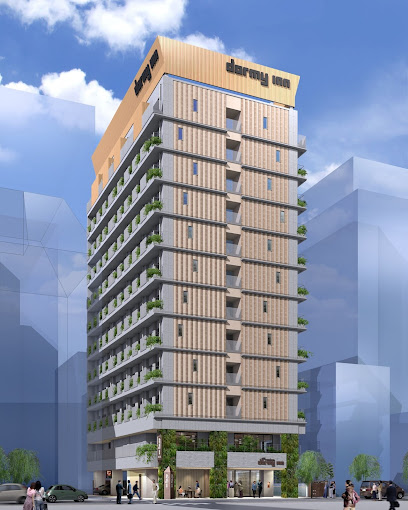
Chūō-ku is a strong base to sleep in. Nihonbashi and Ginza carry everything from business hotels to luxury towers, you are minutes from the Ginza bars and Shimbashi, and Shinjuku Ni-chōme is a short ride on the Marunouchi or Ginza line. Tsukiji offers quieter, often better-value rooms within the same ward.
Ginza and Tsukiji are two of Tokyo's best places to eat. Ginza runs from counter sushi and old kissaten coffee houses to department-store food halls; Tsukiji's outer market is the spot for a morning of tuna, tamagoyaki and street snacks. Prices swing from a few hundred yen for a bowl of noodles to serious money at the top sushi counters.
Events and Pride
Tokyo Rainbow Pride, Japan's largest LGBTQ+ event, is held around Yoyogi Park and Shibuya — in Shibuya ward, not Chūō-ku — usually across late April to early June, with a parade, stages and stalls drawing tens of thousands. There is no Chūō-ku-specific Pride; the ward's gay life is bar-based and year-round rather than event-driven.
The short version
Chūō-ku is not a gay-nightlife destination in its own right, and any guide that calls it "home to Shinjuku Ni-chōme" has simply mixed up the wards. What it is: an elegant, central, very safe base with a small cluster of genuine old-school Ginza gay bars, five minutes from the Shimbashi bars and fifteen from Ni-chōme — a good place to stay and a pleasant, low-key place to drink.








 同志酒吧與俱樂部
(8)