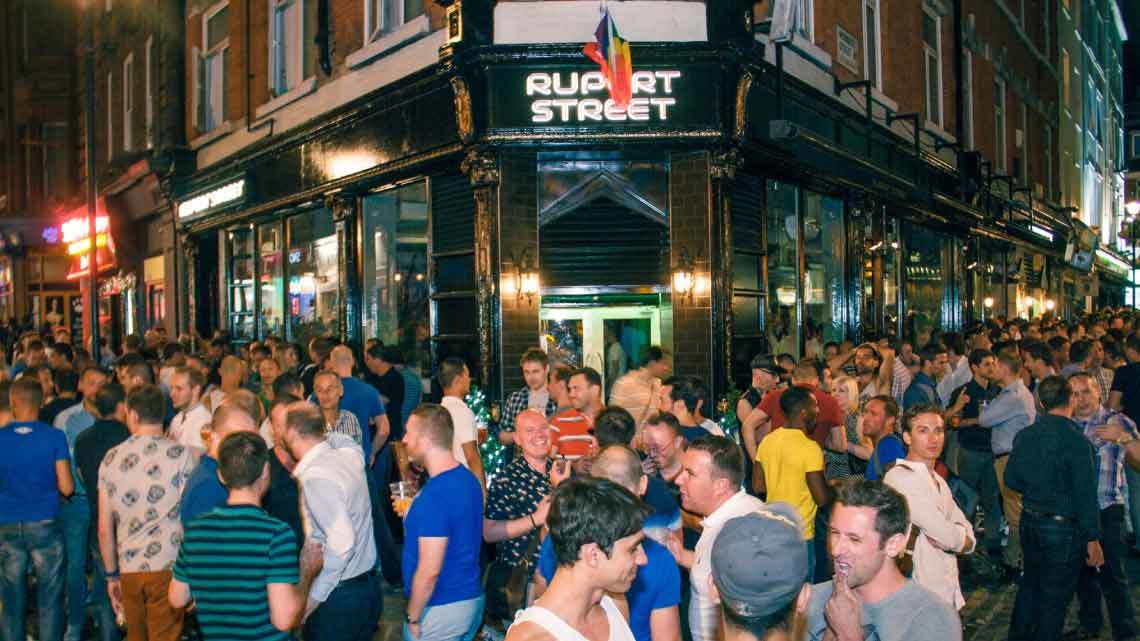
Shinjuku-ku's gay scene emerged in the 1970s as a quiet refuge for LGBTQ+ individuals in a country where homosexuality was (and remains) socially conservative despite never being illegal. Ni-chōme gradually developed as an informal gay quarter, growing through the 1980s and 1990s into a more visible community space. Unlike Western gay neighborhoods that emerged from post-Stonewall activism, Shinjuku's gay culture developed more discreetly, reflecting Japanese society's general preference for privacy and indirect expression. However, by the 2000s, the neighborhood became increasingly open, and today it represents one of Asia's most visible and accessible gay districts. The community remains tight-knit and family-like despite commercialization, with many bars operating for decades under the same ownership.
Geography and Neighborhoods
Ni-chōme (literally "2-chōme," the second block) is the heart of Shinjuku's LGBTQ+ scene, located within the larger Shinjuku San-chōme area. The district is roughly bounded by Meiji-dōri to the east, Kasuga-dōri to the north, and runs south and west into smaller streets and alleyways. It's a compact neighborhood—walkable in under 15 minutes end-to-end—but densely packed with venues. Most gay bars and clubs are concentrated on a few key streets and in small multi-story buildings; many venues occupy second, third, or fourth floors, marked only by small signs or business cards posted outside. This vertical organization means the neighborhood can feel less obvious than Western gay quarters, but locals and repeat visitors navigate it easily.
The neighborhood sits adjacent to the major entertainment and shopping zones of Shinjuku, so visitors can easily combine gay nightlife with mainstream restaurants, karaoke, cinemas, and department stores. Shinjuku Station (Shinjuku-eki) is the main transit hub and the eastern boundary of the neighborhood.
Venues and Nightlife
Shinjuku's LGBTQ+ venues are diverse in style and clientele. Many gay bars are small, intimate spaces with a dozen or fewer seats, catering to regulars and creating a community atmosphere. These bars often have a specific character—some attract older gay men, others younger crowds, some cater to women, trans folks, or specific subcultures. Larger dance clubs and live houses also operate, particularly on weekends. Key venues have operated for 20+ years, though the specific list changes regularly as some close and new ones open.
Establishments range from traditional Japanese-style bars serving whiskey and beer to modern cocktail lounges, karaoke venues, saunas, and clubs. Many venues charge a modest cover charge (typically 500–2,000 yen/$3–15) and require buying at least one drink. Unlike some Western bars, interaction with staff or other patrons is expected—sitting alone at the counter in a small bar will likely result in friendly conversation from the bartender or regulars. English is spoken in varying degrees; some bar staff are very fluent, others speak minimal English. However, the LGBTQ+ community in Shinjuku tends to be welcoming to visitors, and communication generally works despite language barriers.
Notable venue types include: host bars (where attractive male staff serve drinks and provide companionship), which are common in Ni-chōme and can be expensive if customers are not careful; dance clubs featuring DJ sets, typically located in larger venues on basement or upper floors; karaoke bars, extremely popular in Japan and common in the gay district; saunas (sen-tō or specialized gay saunas), which operate 24 hours in some cases; and women-focused bars and clubs, which have a strong presence in Ni-chōme despite the neighborhood's historical association with gay men.
Pride and Circuit Events
Tokyo Rainbow Pride, held annually in late April or early May, is the major LGBTQ+ event in the region. The main celebration takes place in nearby Yoyogi Park (in Shibuya ward, a short train ride from Shinjuku) and draws 100,000 to 200,000+ participants. The event features a parade, live performances, information booths from LGBTQ+ organizations, and multiple stages with music and entertainment. Many Shinjuku venues host Pride-related events, parties, and gatherings during the festival weekend.
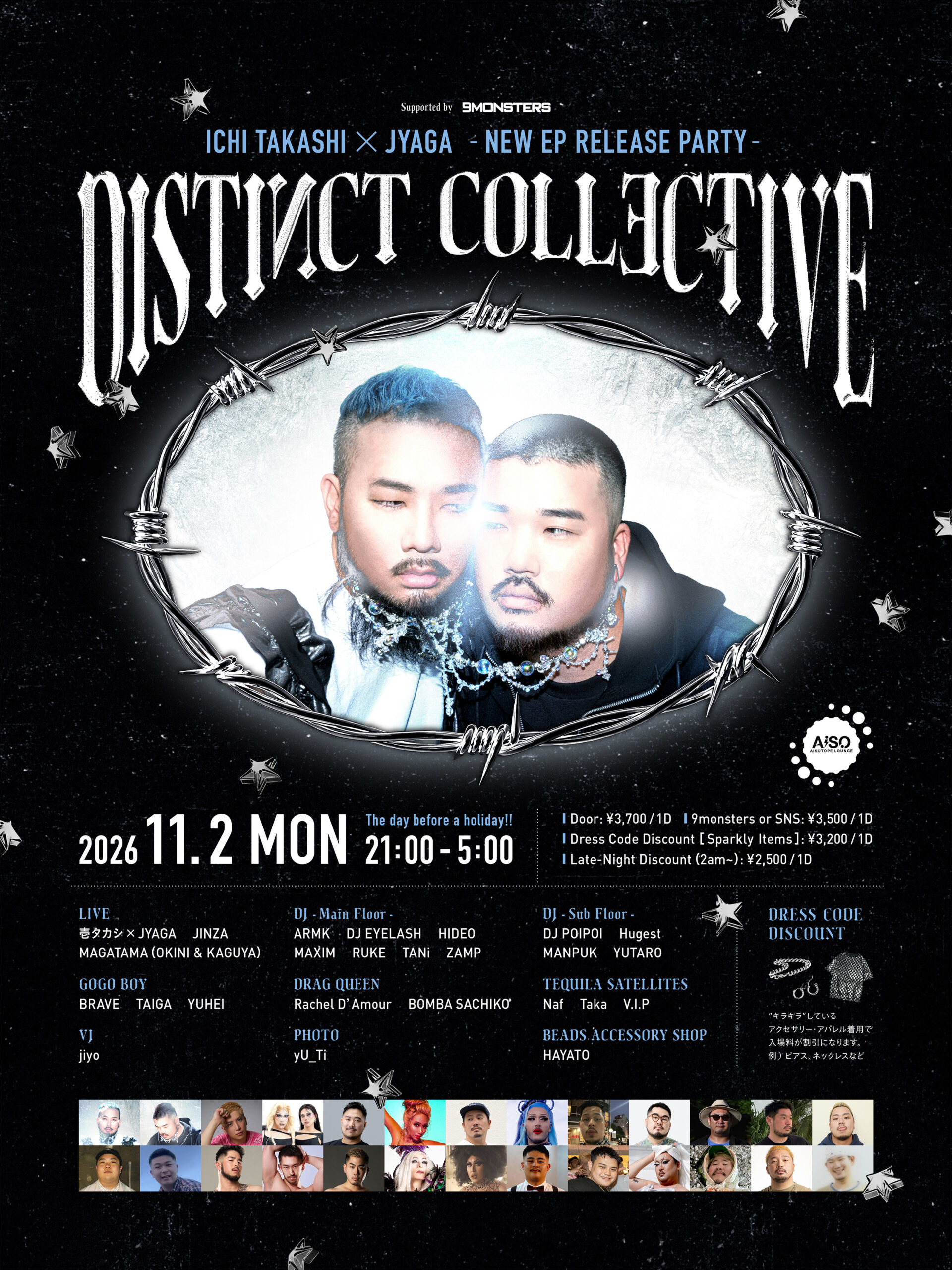
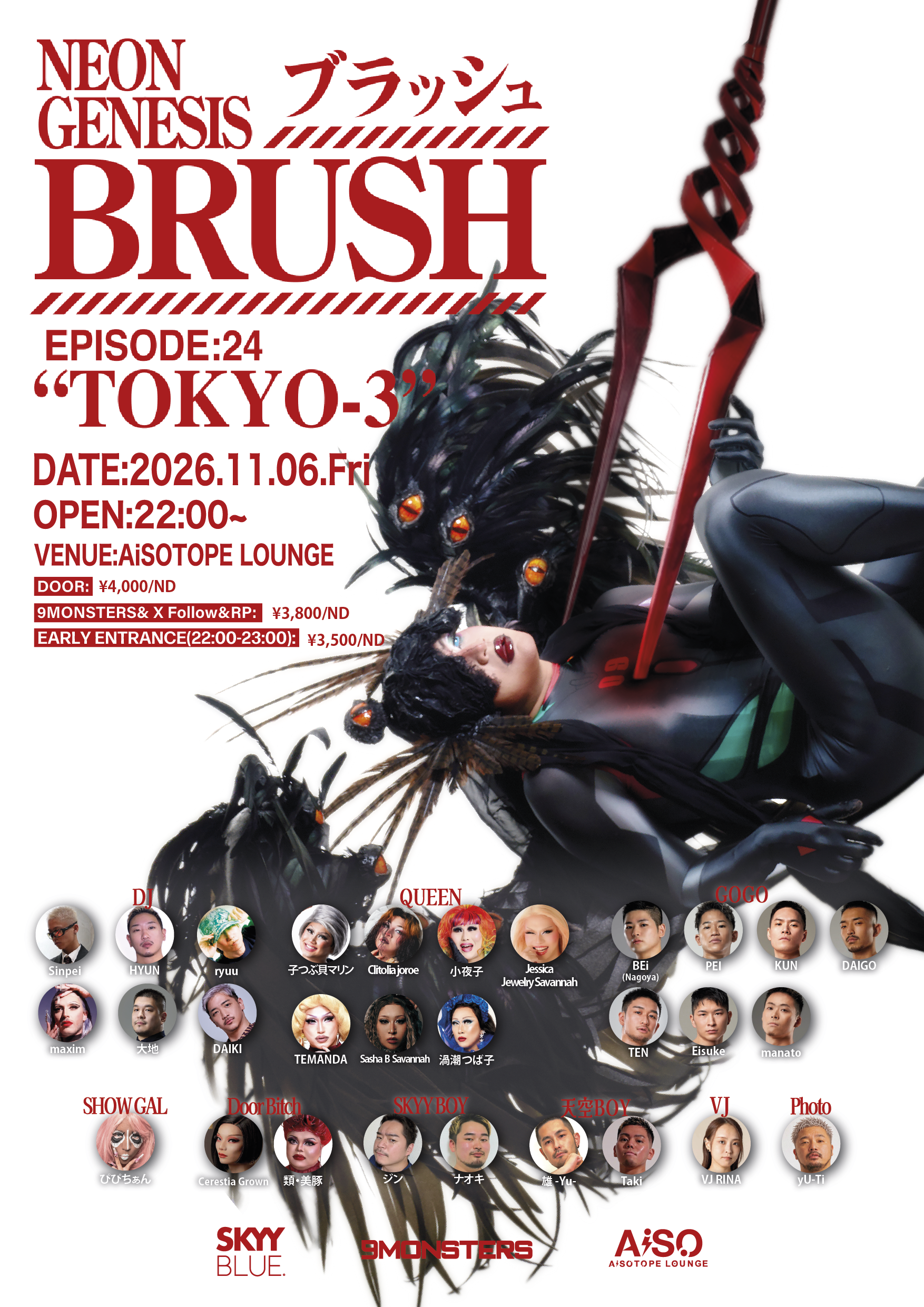
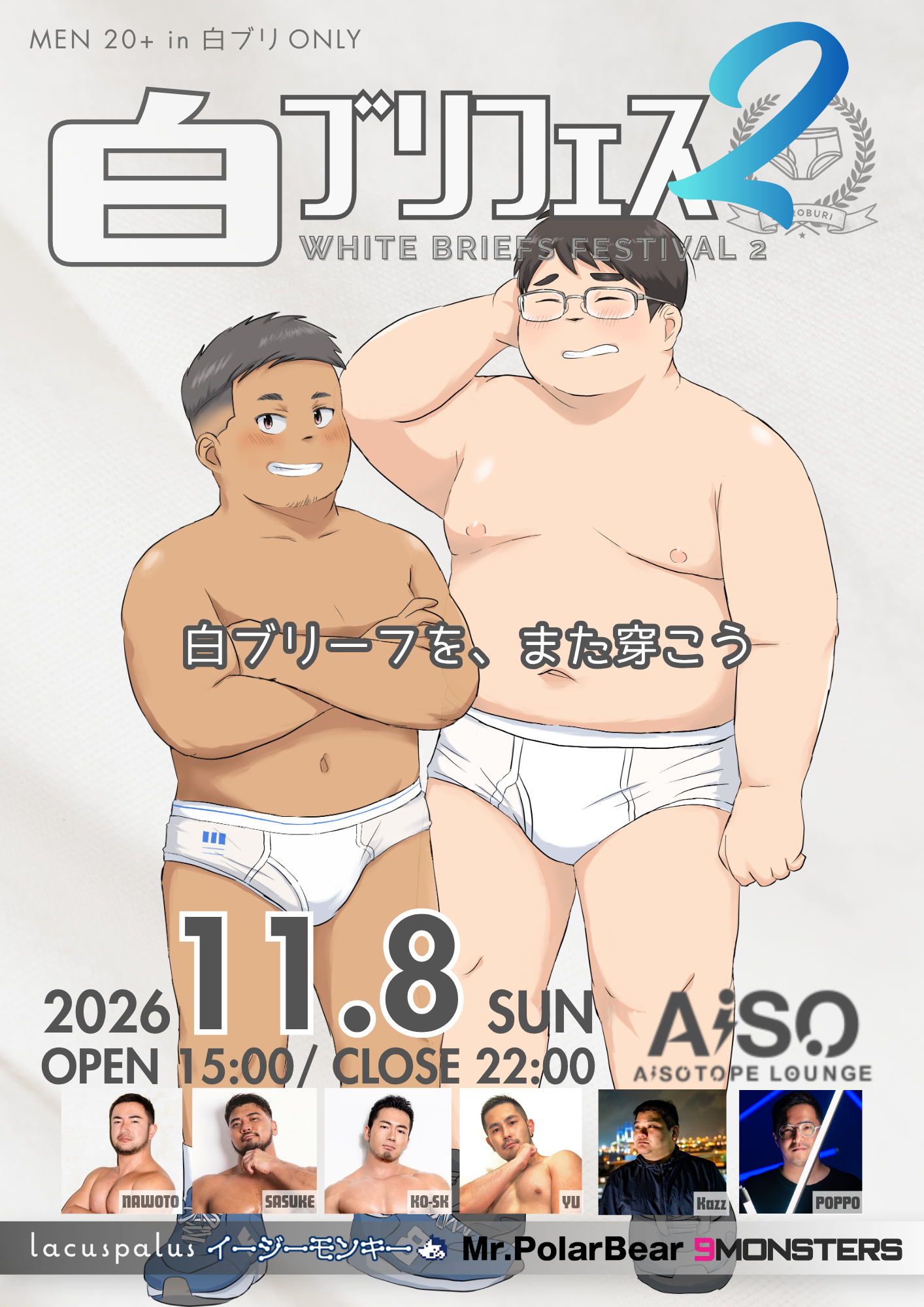
Beyond Pride, Shinjuku's gay venues host regular themed parties, drag shows, live music events, and DJ nights. During summer and winter, circuit parties and dance events draw visitors from across Asia. New Year's is celebrated heavily in Japan, and Shinjuku's gay venues often host special parties. Halloween and Christmas also draw large crowds.
Accommodation
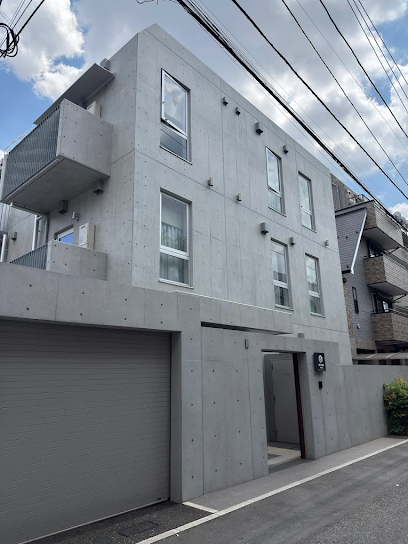
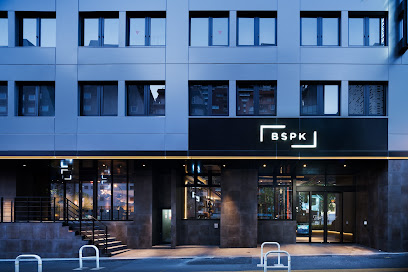
Shinjuku-ku has abundant hotels and hostels at all price points. The neighborhood itself is densely residential above the street-level business area, so accommodation options vary. High-end options include major hotels in the ward (such as those near Shinjuku Station), which are gay-friendly in the sense that Japanese hotels generally do not discriminate based on sexual orientation or gender identity. Mid-range business hotels and hostels are available throughout the area. Some LGBTQ+-specific or LGBTQ+-friendly hostels operate in Tokyo, offering community-oriented spaces, though the mainstream hospitality industry in Shinjuku is generally welcoming to LGBTQ+ guests without being explicitly marketed as such.
Accommodation near Shinjuku Station or within walking distance of Ni-chōme (in the Shinjuku San-chōme or Yotsuya areas) is ideal for nightlife access. The neighborhood's central location makes it convenient for day trips and sightseeing to other Tokyo districts.
Shinjuku Station is served by multiple metro lines (Marunouchi, Fukutoshin, Shinjuku lines) and JR railways, making it the primary transit hub. From central Tokyo, visitors can reach Shinjuku in 5–20 minutes depending on origin. The Shinjuku San-chōme Station (on the Marunouchi and Fukutoshin lines) serves the Ni-chōme district directly; exiting from the correct subway exit is crucial, as stations in Tokyo can be confusing. Staff at Shinjuku Station can provide directions to Ni-chōme if needed.
Once in the neighborhood, it's walkable and compact. A map or smartphone GPS is helpful for locating specific venues, though many addresses in Tokyo are numbered in a non-sequential grid system that can confuse visitors. Asking locals for directions is common and usually friendly.
Food and Dining
Shinjuku-ku is one of Tokyo's premier dining destinations, with thousands of restaurants, izakayas (casual dining establishments), ramen shops, sushi restaurants, and more. The gay district itself has several restaurants and cafes, though many visitors venture into the broader Shinjuku area for meals. Shinjuku is known for specific specialties: ramen alleys, tonkatsu (breaded pork cutlet), gyoza (dumplings), yakitori (grilled chicken skewers), and modern fusion cuisine. Restaurant prices range from 500 yen for a bowl of ramen to several thousand yen for fine dining.
Many LGBTQ+ venues serve food or have partnerships with nearby restaurants. Omoide Yokochō ("Memory Lane"), a narrow alleyway famous for yakitori stands, is adjacent to Shinjuku's main entertainment area and offers affordable, authentic street food.
Safety and Social Considerations
Shinjuku-ku is generally safe for LGBTQ+ travelers. The neighborhood is brightly lit, heavily trafficked, and regularly patrolled by police. Tokyo as a city has a low crime rate overall. However, visitors should be aware that Japan remains socially conservative, and overt public displays of same-sex affection may attract attention or disapproval, particularly outside the Ni-chōme area. Within Ni-chōme and gay venues, LGBTQ+ expression is completely normal and accepted.
Trans and non-binary travelers should be aware that Japan's legal system does not recognize gender identities outside the binary, and official documents (passports, visas, hotel registrations) reflect the sex listed at birth or on official documents. This can create bureaucratic friction but is not indicative of social danger. Shinjuku's gay community is generally welcoming to trans and non-binary visitors, particularly in community spaces.
Practical safety tips include using trusted taxis or transit after late-night outings, keeping valuables secure (as in any major city), and being cautious of extremely high-priced venues or offers that seem too good to be true. Host bars and some other venues can be expensive if patrons are not attentive to pricing and drink orders.
Language
English proficiency varies in Shinjuku. In major hotels, restaurants, and larger venues, English is often spoken. In smaller bars, karaoke, and local restaurants, English may be limited. Learning a few basic Japanese phrases (please, thank you, excuse me, one drink, the bill) is helpful and appreciated. Smartphone translation apps are invaluable. Most LGBTQ+ community members in Shinjuku, particularly younger staff and regulars in gay venues, speak some English.
Day Trips and Nearby Attractions
Shinjuku's central location in Tokyo makes it a base for exploring the city. Nearby attractions include Shibuya (10 minutes away), famous for the Shibuya Crossing and upscale shopping; Harajuku (10 minutes), known for youth culture and fashion; Meiji Shrine and Yoyogi Park (connected, 10 minutes), major cultural sites; Ikebukuro (10 minutes), another entertainment district; and Ginza (15 minutes), the luxury shopping and fine dining area. Tokyo's major museums, temples, and attractions are reachable within 20–30 minutes by train. For multi-day trips, Kyoto (2 hours by bullet train) offers traditional Japanese culture; Mt. Fuji and Hakone (1–2 hours) are accessible for day trips or overnight stays.
Practical Logistics
Visitors should obtain a JR Pass or IC card (such as Suica or Pasmo) for convenient transit payment. SIM cards or portable WiFi devices are available at the airport or convenience stores and make navigation and communication significantly easier. Convenience stores (7-Eleven, Family Mart, Lawson) are ubiquitous and open 24 hours, selling drinks, snacks, and basic supplies.
Tokyo's seasons are all pleasant for visiting: spring (March–May) features cherry blossoms and mild weather; summer (June–August) is warm and humid; autumn (September–November) offers comfortable temperatures and clear skies; winter (December–February) is cold but dry and features holiday festivities.
Conclusion
Shinjuku-ku, and particularly the Ni-chōme district, represents one of Asia's most welcoming and vibrant LGBTQ+ destinations. Its combination of lively nightlife, community spaces, accessibility, and integration within a world-class city makes it appealing for diverse travelers. Whether seeking dance clubs, intimate bars, cultural experiences, or simply a space to be openly queer in East Asia, Shinjuku offers a unique and memorable experience.








 友善同志友善飯店
(4567)