



本指南 · 22 章節
- What the 2024 law says and how it's used
- A history of violence
- The political situation in 2026
- Going out: the small queer scene
- Success Bar · 3 Vashlovani Street, off Rustaveli Avenue
- Bassiani and Horoom · 2 Akaki Tsereteli Avenue, under Dinamo Arena
- Other clubs with an open door
- Apps, phones and your data
- The sulphur baths of Abanotubani
- What to enjoy in Tbilisi
- Where to stay
- Practical tips
- Pride and community
- Want an open LGBTQ+ scene? Go here instead
- A few words of Georgian
- At a glance
- Frequently asked questions
- Is it legal to be gay in Georgia?
- Are there gay bars in Tbilisi?
- Is there a Pride in Tbilisi in 2026?
- Is it safe to use Grindr or other dating apps in Tbilisi?
- Are the Tbilisi sulphur baths gay?
Read this first: this is a Safety Mode guide. Sex between men is legal in Georgia, but since December 2024 a "family values" law has banned the "promotion" of same-sex relationships, Pride-style gatherings and much more. Far-right mobs broke up Pride events in 2021 and 2023, and the country has been in a political crisis since late 2024. A small queer nightlife survives in Tbilisi, and we name only the places that operate publicly and are already well documented internationally. We never list cruising places in Georgia. Keep a low profile, and read the safety sections before you go out.
Tbilisi takes its name from warmth: tbili means "warm" in Georgian, after the hot sulphur springs that still steam beneath the brick domes of the old bath quarter. Carved wooden balconies lean over crooked lanes, the Narikala fortress watches from the ridge, and the smell of fresh bread from clay tone ovens drifts through the Old Town. Dinners turn into long feasts of toasts, amber wine and dumplings eaten with your hands, and the techno clubs keep going until the morning. It's one of the most rewarding cities in this part of the world. It's also a capital where LGBTQ+ life has been pushed out of public view: Pride is effectively banned, organisers have closed their office, and visible affection can attract abuse. The scene that remains is small, discreet and mostly after dark. Here's how to enjoy the city and stay safe.
Legal in one line: sex between men has been legal since 2000 (age of consent 16), but the constitution has defined marriage as a union of a woman and a man since 2018, and the Law on Family Values and Protection of Minors, in force since December 2024, bans the "promotion" of same-sex relationships and gender identity in education, broadcasting and advertising, restricts gatherings that promote them, outlaws gender-affirming medical care and legal gender change, and bars LGBTQ+ people from adopting.
Emergency contacts – save these before you travel
- Emergency number: 112 for police, ambulance and fire. Canada's travel advice notes that the 112 Georgia app can connect you with emergency services in English.
- United States: US Embassy Tbilisi, 29 Georgian-American Friendship Avenue, Didi Dighomi; +995 32 227 7724, after hours +995 32 227 7000 (travel.state.gov, ge.usembassy.gov).
- United Kingdom: the Foreign Office in London answers 24 hours a day on +44 20 7008 5000. The British Embassy is in Tbilisi; check its current contacts on gov.uk before you go.
- Canada: the Consulate of Canada in Tbilisi, +995 32 298 2072 in office hours; outside them, Global Affairs Canada's Emergency Watch and Response Centre in Ottawa (travel.gc.ca).
- LGBTQ+ support: Equality Movement has given legal and psycho-social help to LGBTQ+ people in Georgia, including victims of violence and blackmail. Contact it through its official website from a safe device.
- If you're detained: ask for your embassy to be told and for a lawyer, don't sign anything you don't understand, and don't unlock your phone voluntarily.
- bans recognition of any "alternative" union other than marriage between a man and a woman;
- bars adoption and fostering by people who are not heterosexual or do not identify with their sex at birth;
- bans gender-affirming medical procedures and the recording of a changed gender in documents;
- restricts the "promotion" of same-sex relationships and gender identity in schools, in the media and in advertising;
- restricts public gatherings and demonstrations that promote them;
- makes 17 May, the international day against homophobia, a holiday honouring "family and parents".
- 17 May 2013: a small rally for the international day against homophobia in central Tbilisi was attacked by thousands of people led by Orthodox priests.
- 5 July 2021: far-right groups blocked the planned "March for Dignity" on Rustaveli Avenue, ransacked the offices of Tbilisi Pride and the Shame Movement and attacked journalists; 53 media workers were reported injured, and the march was cancelled. TV Pirveli cameraman Lekso Lashkarava, beaten that day, was found dead at home days later; the authorities said he died of an overdose. The far-right leaders behind the violence were not prosecuted for organising it.
- 8 July 2023: several thousand far-right protesters, led by the Alt-Info movement, stormed the Tbilisi Pride festival site at Lisi Lake on the city's edge and forced its cancellation, while police failed to stop them.
- 18 September 2024: the day after Parliament passed the "family values" law, trans model Kesaria Abramidze was murdered in Tbilisi. Her killer was sentenced to life in April 2025, a sentence upheld on appeal in July 2025.
- KHIDI: a mainstream techno club in a concrete space under a road bridge on the Mtkvari riverbank, still running events in October 2026. Face control applies.
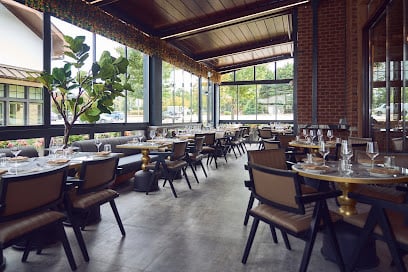
- Mtkvarze: a riverside club in a former Soviet glass-box restaurant, with an easier door and a friendlier, mixed crowd; its 14th-anniversary party was listed for 23 October 2026.
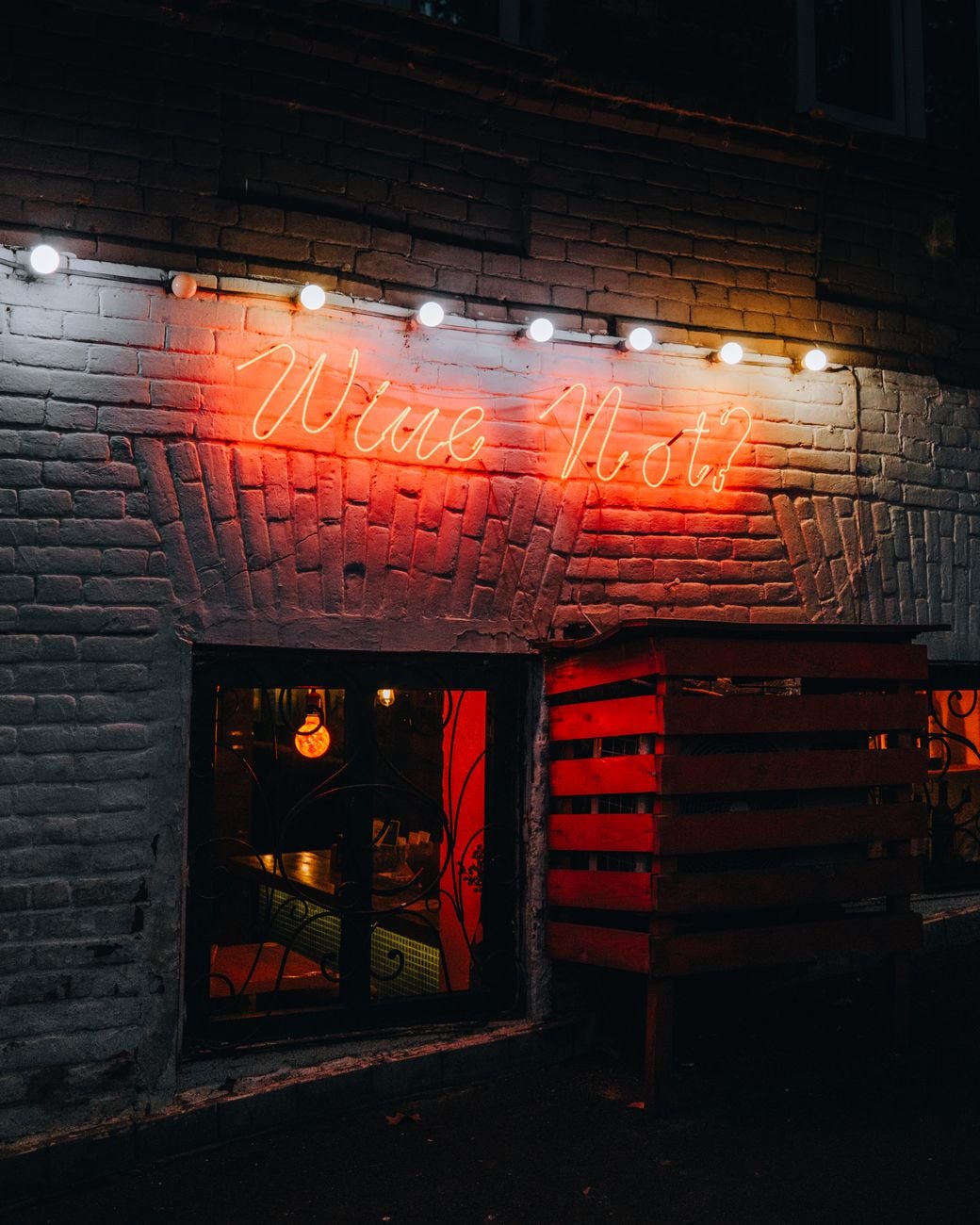
- Café Gallery, Rustaveli Avenue: a café by day and a dance club by night with a mixed, queer-friendly crowd. It keeps a lower profile than the techno clubs, so check its social media for current nights.
- Dating apps: Grindr and other apps are used in Tbilisi, but Equality Movement reported several attacks in 2024 that followed the same pattern: a meeting set up on a dating app, after which unknown people turned up and beat or abused the victim. One victim was a foreign national, and most victims didn't go to the police. Meet first in a busy public place, never go to a private address or get into a stranger's car, and tell a friend where you are.
- Blackmail and outing: the same report describes blackmail through the spreading of personal information and forced outing. If someone threatens you, stop contact, keep screenshots and call your embassy before paying anything.
- Your phone: before you travel, remove intimate photos from the phone and any synced album, turn off lock-screen previews and use a strong passcode.
- Social media: don't post LGBTQ+ content tagged in Georgia while you're there, and switch off location sharing on apps.
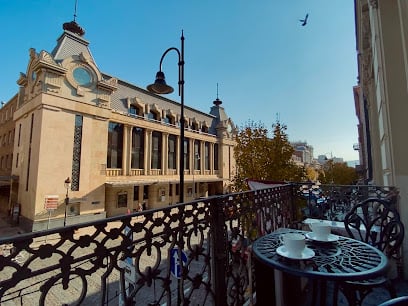
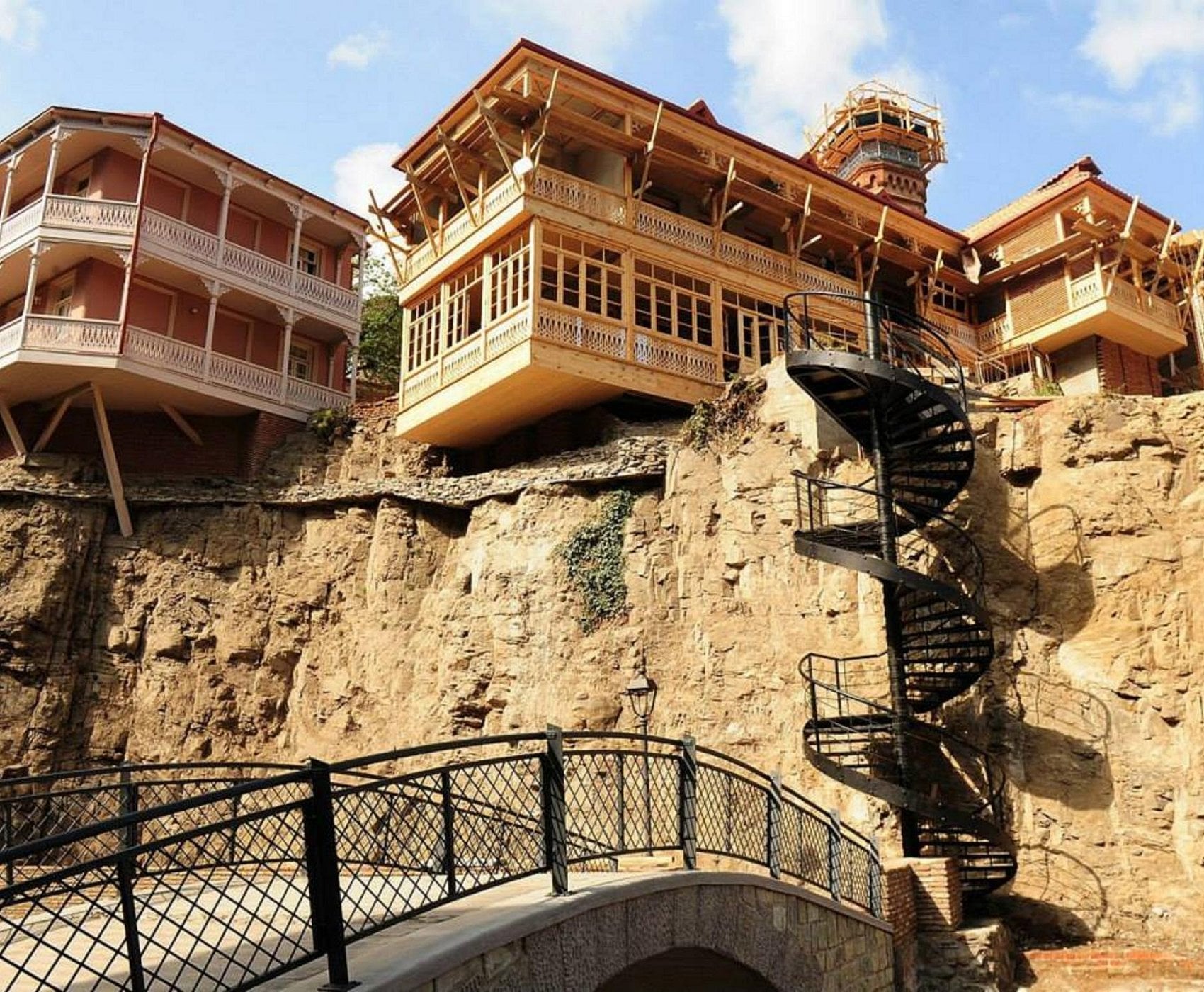
- The Old Town: wander from Abanotubani up the lanes of Kala to the Narikala fortress (walk up, or ride the cable car from Rike Park), then down past wooden balconies and courtyards to the river. Sunset from the ridge, with the city stacked below, is the best free show in town.
- Fabrika: a former Soviet sewing factory in Chugureti turned into a hostel and courtyard of cafés, bars and studios, with a young, creative crowd and the relaxed side of Tbilisi.
- Khachapuri: Georgia's cheese bread. Try Imeruli, round and stuffed with cheese, and Adjaruli, a boat of bread with molten cheese, a raw egg and butter that you stir together at the table and eat by tearing off the crust.
- Khinkali: pleated dumplings full of spiced meat and broth. Hold one by its twisted knob (kudi), bite a small hole, sip the broth, eat the rest and leave the knob on the plate. Locals count their tally by the knobs.
- The supra: the Georgian feast, where a tamada (toastmaster) leads a long series of toasts to family, friends, the dead and the homeland. If you're invited, accept, pace yourself and only drink when a toast is made.
- Natural wine: Georgia has made wine for thousands of years, fermenting it in buried clay jars called qvevri; the method is on UNESCO's intangible heritage list. Ask wine bars for amber (skin-contact) whites from Kakheti, and finish with a small glass of chacha, the grape brandy, carefully.
- Churchkhela: strings of walnuts dipped in thickened grape juice, sold in every market. They make a good gift to take home.
- Entry: citizens of the EU, the UK, the US and many other countries can usually visit Georgia without a visa for up to a year. Check the current entry rules, including any insurance requirement, with your government before travelling.
- Getting around: the metro is cheap and fast but stops around midnight. At night use a ride-hailing app such as Bolt rather than hailing cars in the street, and check the plate before you get in.
- Money: the currency is the Georgian lari (GEL). Cards are widely accepted in central Tbilisi; carry some cash for markets, small bars and bath attendants.
- Health: bring enough of any medication you use, including PrEP. If you need PEP after a risk, start it within 72 hours: go to a hospital emergency department or Tbilisi's national AIDS Centre (the Infectious Diseases, AIDS and Clinical Immunology Research Center).
- 17 May: now the official day of "family and parents", it has long been marked by church processions in central Tbilisi. Keep a low profile that day.
- Regions to avoid: the US, UK and Canada all advise against travel to the Russian-occupied regions of Abkhazia and South Ossetia, which can only legally be entered from Georgian-controlled territory with permission.
- Travel advice: the US currently rates Georgia at Level 1 (exercise normal precautions) apart from the occupied regions, but its LGBTQI+ section describes the 2024 law and attacks on gay and lesbian people in Tbilisi. Read the US, UK or Canadian advice before you go.
- Gamarjoba (გამარჯობა) – hello
- Madloba (მადლობა) – thank you
- Ki / ara (კი / არა) – yes / no
- Bodishi (ბოდიში) – sorry, excuse me
- Ra ghirs? (რა ღირს?) – how much is it?
- Gaumarjos! (გაუმარჯოს!) – cheers! (literally "victory to…")
- Gemrielia (გემრიელია) – it's delicious
- Nakhvamdis (ნახვამდის) – goodbye
What the 2024 law says and how it's used
The Law on Family Values and Protection of Minors was introduced by the ruling Georgian Dream party in June 2024 and passed its third reading on 17 September 2024 by 84 votes to 0, with the opposition boycotting. President Salome Zourabichvili refused to sign it, and the Speaker of Parliament signed it into law on 3 October 2024. It took effect at the start of December 2024. The package changed 18 other laws. Among other things it:
In 2025 Parliament went further: "gender identity" was removed from the anti-discrimination law and from the hate-crime grounds, and the gender equality law was rewritten. The Council of Europe's Committee of Ministers urged Georgia to repeal the 2024 law, and the government ignored an EU deadline of 31 August 2025 to restore LGBTQ+ protections.
The law's biggest effect has been to end public LGBTQ+ life: no Pride, cancelled health and trans-care programmes and organisations working under pressure. Equality Movement described monitoring of how the law is applied as "vague", and we found few published reports of it being used against individual visitors. Canada's travel advice still warns that LGBTQ+ people may face discrimination and possible charges under it. Assume that anything that looks like "promotion" in public, such as a rainbow flag, a Pride T-shirt or a social media post tagged in Tbilisi, can get you into trouble.
A history of violence
ILGA-Europe reports that, as of 2025, there had been no effective investigation of the 2021 and 2023 attacks.

The political situation in 2026
Georgia has been in a deep political crisis since the disputed parliamentary election of October 2024. When Prime Minister Irakli Kobakhidze announced in November 2024 that the government was shelving EU accession talks until 2028, protests began on Rustaveli Avenue outside Parliament and have continued in waves ever since. Rights groups documented homophobic abuse by police and special forces during the November and December 2024 crackdown, and opposition figures were jailed in 2025.
In April 2025 Parliament passed a Foreign Agents Registration Act and changes to the grants law that require government approval for foreign funding, which have squeezed civil society, including LGBTQ+ and HIV groups. In January 2026 the human rights group Rights Georgia suspended its work, citing the repressive environment. On 6 March 2026 the European Commission suspended visa-free Schengen travel for holders of Georgian diplomatic, service and official passports for 12 months, citing the crackdown on protesters, opposition politicians and independent media, and said it could extend the measure to all Georgian citizens.
Stay away from protests. Canada rates Tbilisi "exercise a high degree of caution" because of protests, and warns that foreigners who join them may face fines, detention, deportation or problems re-entering Georgia. The UK says demonstrations have led to violent clashes and that tensions can escalate without warning. Rustaveli Avenue and Freedom Square, right next to the main nightlife streets, are the usual focus. Check local news and route around them.
Going out: the small queer scene
Tbilisi's queer nightlife lives in a handful of bars and in the techno scene, whose clubs have long presented themselves as safe spaces with strict door policies. None of it advertises loudly. Check each venue's own Instagram or Resident Advisor page for this week's nights, go with someone you trust if you can, and take a Bolt there and back rather than walking around late.

Success Bar · 3 Vashlovani Street, off Rustaveli Avenue
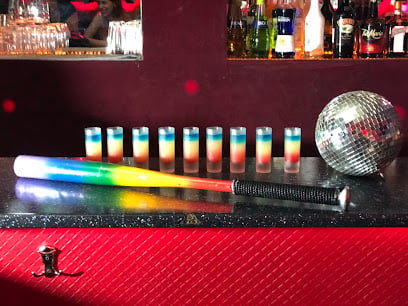
The long-running queer bar of Tbilisi, small and colourful, with 1960s-style décor and cheap drinks. Travel Gay lists it as open from Thursday to Saturday, 22:00–03:00; other listings add Sunday and an earlier start, so check before going. Reviews from early 2026 describe busy nights out, and a June 2026 nightlife guide still called it the heart of the city's queer scene. Expect a young, local, mixed LGBTQ+ crowd and a friendly door. Be discreet in the street outside, and don't photograph other guests. Travel Gay also lists two smaller LGBTQ+-friendly bars a few doors away at 8 Vashlovani Street, Mozaika and Mimosa, with drag and themed nights; we couldn't confirm their current programme, so ask at Success.
Bassiani and Horoom · 2 Akaki Tsereteli Avenue, under Dinamo Arena
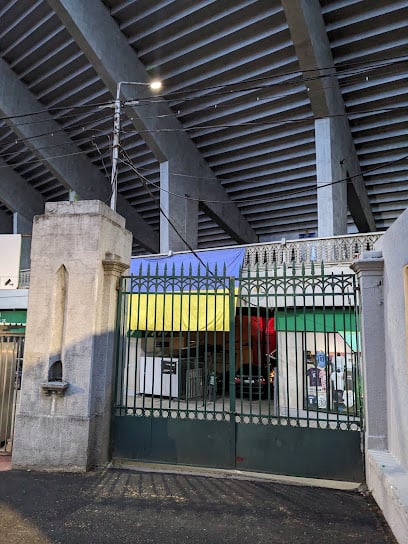
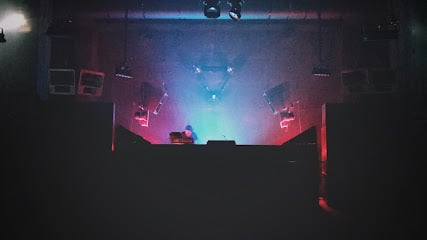
Tbilisi's internationally known techno club, built in a drained Soviet-era swimming pool under the national football stadium. Its Horoom nights are the city's main queer-oriented parties, with careful vetting of guests. Horoom ran at Bassiani in February 2026, and Resident Advisor listed the next one for Friday 23 October 2026, followed on Saturday 24 October by Eau De Cologne, a queer party that returned to Bassiani in March 2025 with its first event since the law was passed. Buy tickets through the club's official channels and expect face control and a short conversation at the door. Phone cameras are covered with a sticker, and filming is banned, which is part of what keeps guests safe. In May 2018 police raided Bassiani and Café Gallery, and thousands of people danced in protest outside Parliament in response.

Other clubs with an open door
Getting home safely. The UK Foreign Office warns about strangers who approach visitors to take them to a restaurant or nightclub, and about drink spiking: buy your own drinks and keep them in sight. Georgia's drug laws are very harsh, with the UK warning of prison sentences of 5 to 25 years. Don't kiss or hold hands in the street on the way out, and leave by app taxi.
Apps, phones and your data
The sulphur baths of Abanotubani
At the foot of Narikala, the low brick domes of Abanotubani, the bath district, sit over the hot springs that founded the city. The most photographed bathhouse is the Chreli Abano (Orbeliani Baths), with its blue mosaic façade. You can choose a single-sex public hall or rent a private room by the hour, and an attendant will give you a vigorous kisi scrub with a coarse mitt. Bring flip-flops, drink plenty of water, and don't stay in the hot water too long.
Be clear about what they are: these are ordinary, traditional bathhouses used by locals, families and tourists. They are not gay venues or cruising places, and any sexual behaviour could lead to serious trouble. Treat them like any public bath in a conservative country. A private room is the relaxed way to go if you're a couple.
What to enjoy in Tbilisi

Where to stay
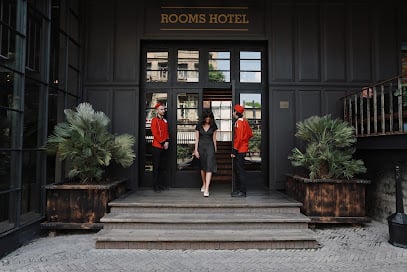
International and design hotels are the easiest choice for couples: state your bed preference when booking and you shouldn't need to explain. Rooms Hotel Tbilisi, at 14 Merab Kostava Street in Vera, is a design hotel in a converted Soviet-era building, a short ride from Rustaveli Avenue. See all gay-friendly hotels in Tbilisi. Small family guesthouses may be less relaxed about two men sharing a bed.
Practical tips

Pride and community
There is no public Pride in Tbilisi. The Tbilisi Pride organisation, founded in 2019, held no physical Pride events in 2024 after the 2023 attack. ILGA-Europe reports that it largely suspended its activities in 2025, closed its office and relocated staff, saying it could not hold Pride Week safely. We found no public Pride event in Tbilisi in 2026. Queer life carries on quietly, in the bars and club nights above, among friends and online. If you want to support local LGBTQ+ people, follow and donate to Georgian organisations such as Equality Movement through their official channels.
Want an open LGBTQ+ scene? Go here instead
If you'd rather travel without looking over your shoulder, Greece has had same-sex marriage since 2024 and open scenes in Athens and Thessaloniki.
A few words of Georgian
Georgian has its own beautiful, curling alphabet and no relation to Russian. Many older people also speak Russian, and younger people often speak English.
At a glance
| Place | Type | Where | When | Note |
|---|---|---|---|---|
| Success Bar | Queer bar | 3 Vashlovani St | Thu–Sat late (check) | Long-running; be discreet outside |
| Bassiani (Horoom) | Techno club; queer-oriented night | 2 Akaki Tsereteli Ave, under Dinamo Arena | Horoom listed Fri 23 Oct 2026 | Vetted entry; no photos |
| KHIDI | Techno club | Under a road bridge, Mtkvari riverbank | Event nights (check RA) | Mainstream; face control |
| Mtkvarze | Club | Mtkvari riverbank | Event nights (check RA) | Easier door, mixed crowd |
| Café Gallery | Café and club | Rustaveli Ave | Café by day, club at night | Mixed, queer-friendly; check nights |
| Abanotubani baths | Traditional sulphur baths | Below Narikala, Old Town | Daily | Not a gay venue; private rooms by the hour |
| Rooms Hotel Tbilisi | Design hotel | 14 Merab Kostava St, Vera | Year-round | Mainstream, relaxed |
Frequently asked questions
Is it legal to be gay in Georgia?
Yes. Sex between men has been legal since 2000, with an age of consent of 16. But a law in force since December 2024 bans the "promotion" of same-sex relationships, Pride-style gatherings, gender-affirming care and adoption by LGBTQ+ people, so discretion is wise.
Are there gay bars in Tbilisi?
A few. Success Bar on Vashlovani Street is the long-running queer bar, and the techno club Bassiani hosts Horoom, a vetted queer-oriented night. Venues keep a low profile, so check their own social media before you go and travel there and back by app taxi.
Is there a Pride in Tbilisi in 2026?
No. The 2024 law bans gatherings that promote same-sex relationships, and Tbilisi Pride largely suspended its work in 2025 and closed its office. We found no public Pride event in Tbilisi in 2024, 2025 or 2026.
Is it safe to use Grindr or other dating apps in Tbilisi?
Use them with care. Equality Movement reported several attacks in 2024 that began with meetings arranged on dating apps, including one on a foreign visitor. Meet first in a busy public place, never at a private address, and tell someone where you are going.
Are the Tbilisi sulphur baths gay?
No. The bathhouses of Abanotubani are ordinary, traditional baths used by locals, families and tourists, with single-sex public halls and private rooms rented by the hour. They are not gay venues or cruising places, so treat them like any public bath.
Part of the GayOut city guides. See the Georgia country page for the national overview. This guide is general information, not legal advice; laws and their enforcement can change quickly.
