
?? Safety Warning ? Jordan (Hostile)
Same-sex acts aren't explicitly illegal in Jordan, but public order and morality laws regularly get used against LGBTQ+ people. Police entrapment via dating apps has been documented. There's no visible LGBTQ+ scene. Exercise extreme discretion in all public contexts. International chain hotels are strongly recommended for accommodation. Read this guide before travelling.
Jordan: Technically Legal, Functionally Hostile
Jordan's a tricky place for LGBTQ+ travelers. The country decriminalized male homosexuality in 1951, earlier than most of its neighbors. The current Penal Code doesn't explicitly criminalize same-sex acts. So, by the narrow measure of formal legality, Jordan is different from Malaysia, Lebanon, or Sri Lanka.
But that legal distinction offers limited protection. Jordanian police use public order laws, public morality provisions, and "obscenity" charges against LGBTQ+ people. They raid venues and private gatherings. Police have even used Grindr and other dating apps to entrap gay men—setting up profiles, arranging meetings, and arresting those who show up. Human Rights Watch has documented this. Jordanian society is deeply conservative; LGBTQ+ identity doesn't fit with the family and religious values that shape mainstream life there. Any public visibility carries serious social and legal risk.
Jordan is still a legitimate travel destination. Petra, Wadi Rum, the Dead Sea, and Aqaba are some of the Middle East's most spectacular sights. Visitors come, LGBTQ+ visitors among them, and most have unremarkable experiences if they're discreet. This guide tells you what that discretion means.
The Legal Framework
The Jordanian Penal Code of 1951 (with amendments) doesn't explicitly criminalize homosexual acts. That sets Jordan apart from Egypt (which uses "debauchery" laws), Lebanon (Article 534), and the Gulf states. The 1951 decriminalization came partly from the British Mandate's legal inheritance and the relatively modernist legal framework Jordan adopted at independence.
What they use instead: Article 319 on "indecent acts in public," broadly written public morality provisions, and police power to detain people on public order grounds with limited judicial oversight. The Jordan Penal Code's Article 280 on "public indecency" and related provisions have been used against LGBTQ+ gatherings. They've also used administrative detention—detention without charge for investigative purposes—against gay men. The practical effect is that just because there's no explicit criminalization doesn't mean there's no criminal risk.
Dating app entrapment: Human Rights Watch documented systematic police use of Grindr to entrap gay men in Jordan in a 2018 report and in subsequent years. The pattern is consistent: fake profile, arranged meeting, arrest. This risk is real and specific. Any visitor using dating apps in Jordan should take it seriously.
Amman's Very Small Scene
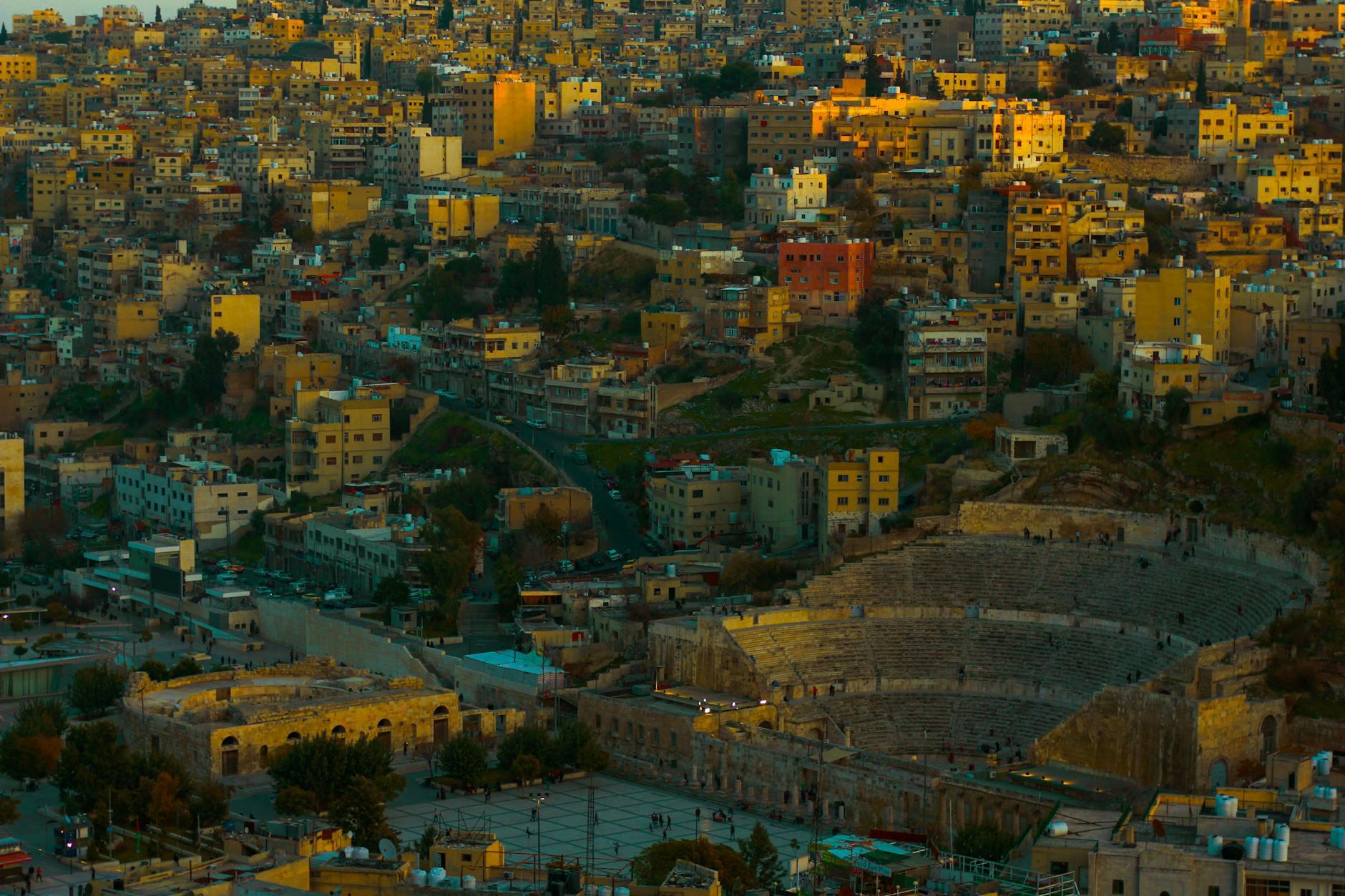
Amman has what you could generously call a minimal underground LGBTQ+ scene. There are no openly gay bars or clubs. What you'll find is a small number of semi-private gatherings, a handful of bars in the Jabal Amman / Rainbow Street area that are known to attract LGBTQ+-tolerant crowds without explicit identification, and a social network you mostly access through trusted personal connections.
Rainbow Street—the pedestrianized street on Jabal Amman, Amman's most culturally progressive neighborhood—is known for relative social tolerance by Jordanian standards. The independent cafes, galleries, and restaurants on and around Rainbow Street draw a more liberal demographic. This isn't an LGBTQ+ safe space—it's not—but it's the area of Amman where an LGBTQ+ visitor is least likely to attract hostile attention.
International chain hotels: For LGBTQ+ visitors to Jordan, staying at an international chain property (Marriott, Hyatt, Hilton, etc.) is strongly recommended. These properties operate under global non-discrimination policies, their staff are trained in professional hospitality, and they offer a more secure and comfortable environment than locally-owned alternatives. The Four Seasons Amman, the Grand Hyatt Amman, and the W Amman are all in the Abdoun / Sweifieh area and are good options.
Safety Rules for Jordan
- No dating apps in public spaces or for meeting strangers: The entrapment risk is documented and specific. If you use Grindr or similar apps, be extremely cautious about who and where you agree to meet.
- No public affection anywhere: Jordan is deeply conservative outside the small educated elite in Amman. Even in the most progressive parts of the city, public same-sex affection is dangerous.
- International hotels only: Don't share accommodation in locally-owned guesthouses or with people you've just met through apps.
- Don't discuss LGBTQ+ identity with officials or service providers: Border crossings, check-ins, police interactions—keep your personal life entirely private.
- Know your embassy: The US, UK, French, German, and other Western embassies are all in Amman. Know the emergency line. Consular access is a right if you're detained.
- Petra, Wadi Rum, Aqaba: These tourist sites are more focused on managing international visitors than on policing personal conduct. They aren't gay-friendly, but the intense presence of tour groups and international visitors provides a degree of cover that pure Amman city travel doesn't.
Jordan is visitable for LGBTQ+ travelers who are absolutely discreet and take the specific risks—especially dating app entrapment—seriously. The country's formal legal position (not explicitly criminalized) is real but shouldn't be confused with safety. Amman has minimal underground social infrastructure for LGBTQ+ visitors. The major tourist sites are manageable with appropriate behavior. Stay at international chain hotels, avoid apps in unfamiliar contexts, and treat Jordan as the conservative, hostile-in-practice environment it is.