Marriage equality since May 2013 (Loi Taubira). Decriminalised 1791 — oldest in the world. ART/IVF for lesbian couples since 2021. Conversion therapy banned February 2022. Trans legal gender change without surgery since 2017, but requires court order (not self-certification). Non-binary gender not legally recognised. Blood donation restrictions fully lifted 2022. March 2024: state recognised persecution of gay men pre-1980. Paris is one of the world's top LGBTQ+ destinations; Le Marais is a…
Never miss a gay event in Antibes
One email a week — the weekend lineup, parties and deals. No spam, unsubscribe anytime.
Weekly event updates. Notifications appear on your lock screen.
On iPhone: first add GayOut to your Home Screen (Share → Add to Home Screen), then open it from there to enable notifications.
Antibes occupies a unique position on the French Riviera as a sophisticated seaside town that welcomes LGBTQ+ travelers while maintaining a distinctly local, non-touristy character compared to nearby Cannes. The city's gay-friendly atmosphere stems from France's progressive legal framework regarding LGBTQ+ rights and the Côte d'Azur's long history as a cosmopolitan destination. While Antibes lacks the concentrated gay scene of larger Mediterranean cities, it offers authenticity, natural beauty, and genuine French hospitality.
HISTORY OF LGBTQ+ PRESENCE
France decriminalized homosexuality in 1791, making it one of Europe's earliest nations to do so. The French Riviera has attracted LGBTQ+ visitors since the early 20th century, though Antibes specifically developed as a more subtle alternative to the legendary gay scenes of nearby resort towns. Post-2000s, as same-sex partnerships gained legal recognition (civil unions in 1999, marriage equality in 2013), French coastal towns became increasingly comfortable hosting openly gay establishments and events. Antibes' scene reflects this gradual normalization—visitors will encounter welcoming attitudes rather than visible gay institutions on every corner.
NEIGHBORHOODS
Vieux Antibes (Old Town): The medieval heart of the city, characterized by narrow lanes, stone buildings, and a human-scale atmosphere. This neighborhood contains most of the city's restaurants, cafés, and cultural venues. Gay travelers find themselves naturally integrated here; the area has no specific gay quarter but offers excellent dining and people-watching.
Le Port Vauban: The working harbor area with waterfront restaurants, yacht clubs, and promenades. Scenic for evening strolls and provides excellent vantage points for Mediterranean views.
Cap d'Antibes: A residential peninsula extending into the sea, featuring upscale properties, hiking trails, and discrete beaches. Popular with LGBTQ+ tourists seeking privacy and natural beauty.
La Pinède: The residential area extending south from the Old Town toward the airport, containing family-friendly hotels and local establishments.
KEY VENUES AND ESTABLISHMENTS
Antibes' gay-friendly establishments are predominantly restaurants and cafés rather than dedicated gay bars or clubs. This reflects both the city's character and its smaller resident LGBTQ+ population compared to Nice or Cannes.
Dining: The Old Town contains numerous restaurants welcoming to gay couples and groups. Establishments ranging from casual bistros to fine dining fill the narrow streets near Rue Thiers and the waterfront areas. Provençal seafood, Mediterranean cuisine, and French classics predominate. Notable options include casual pizzerias, Italian restaurants, and upscale French dining establishments; specific recommendations should be verified for current hours and quality as the restaurant scene shifts seasonally.
Cafés and Bars: Waterfront cafés and bars provide daytime and evening social spaces where LGBTQ+ visitors naturally congregate. These establishments serve coffee, pastries, wine, and cocktails without being exclusively gay-identified—the welcoming atmosphere extends to all patrons. Evening drinks along the harbor or in Old Town squares create opportunities for socializing.
Nightlife: Unlike Nice or Cannes, Antibes does not host major gay dance clubs or dedicated gay discos. Those seeking nightclubs typically travel to nearby Cannes (20 minutes by train) or Nice (30 minutes by train), which host seasonal gay clubs and regular LGBTQ+ events. Antibes' nightlife focuses on wine bars and traditional bistros rather than dedicated gay venues.
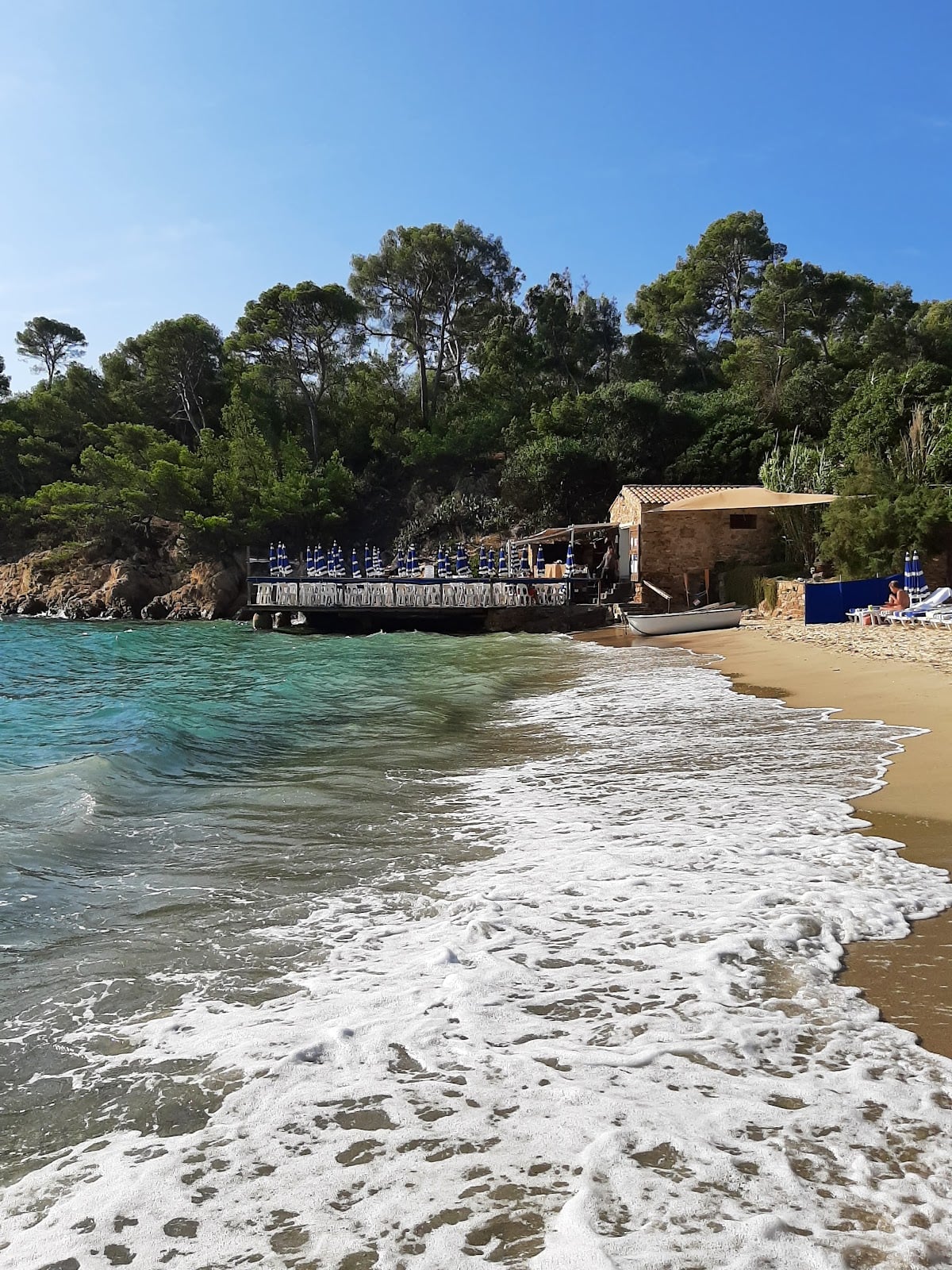
Beaches: Plage de la Garoupe, Plage de Ponteil, and Plage de l'Ilette attract mixed and gay-friendly crowds. These are standard Mediterranean beaches with facilities, restaurants, and casual atmospheres. Summer months (June-September) show the highest gay visitor presence. Clothing-optional beaches are not characteristic of Antibes proper, though some visitors explore more remote coastal areas.
PRIDE AND EVENTS
Antibes does not host a major dedicated Pride event. Instead, visitors should be aware of wider Côte d'Azur pride celebrations:
Nice Pride (July/August): Approximately 50 kilometers east, Nice hosts one of France's larger Pride celebrations with parades, parties, and multiple events spanning several days. Many Antibes-based visitors travel to Nice during this period.
Cannes Film Festival (May): While not explicitly LGBTQ+-focused, the festival attracts significant gay crowds and LGBTQ+-themed films. The town fills with visitors during this internationally renowned event.
Regional Circuit Events: Summer months feature circuit parties, beach events, and themed nights at various venues across the Riviera, typically advertised through LGBTQ+ travel sites and social media.
Local cultural events, including art exhibitions, classical music performances, and food festivals, welcome LGBTQ+ attendees without specific LGBTQ+ programming. The city's calendar reflects arts and culture rather than dedicated gay events.
WHERE TO STAY
Hotels throughout Antibes welcome same-sex couples and LGBTQ+ guests without issue. The city contains boutique hotels, mid-range properties, and budget accommodations distributed across neighborhoods.
Old Town/Port Area: Hotels near the harbor and Old Town provide walkable access to restaurants, shops, and waterfront activities. These locations prove most convenient for cultural exploration and dining.
Residential Areas: Hotels in outlying neighborhoods offer quieter experiences and often better value, though they require transportation to the city center.
Cap d'Antibes: Upscale properties and villas cater to affluent visitors seeking privacy and natural beauty, often with private beach access.
Online booking platforms, mainstream hotel chains, and independent properties all serve the market. No hotels specifically market themselves as "gay hotels," reflecting the integrated and normalized acceptance of LGBTQ+ guests.
France offers strong legal protections for LGBTQ+ individuals. Same-sex marriage, adoption rights, and anti-discrimination laws provide robust frameworks. Antibes maintains a safe, welcoming environment for openly gay travelers. Public displays of affection comparable to heterosexual couples encounter no hostility or legal concerns.
Petty theft affects tourists more than any targeted incidents. Standard precautions include not displaying expensive jewelry or electronics, being aware in crowded areas, and securing valuables. The city maintains good police presence in tourist areas.
Language: While English is spoken in tourist-oriented businesses, basic French phrases enhance interactions with locals. Younger residents and service industry staff typically speak English; older residents may not.
TRANSPORTATION
Antibes is accessible via multiple transit options:
Train: The Gare SNCF (rail station) connects to Nice (approximately 30 minutes), Cannes (20 minutes), and further points along the Côte d'Azur. Trains provide the most convenient connection to larger cities for day trips or accessing nightlife unavailable in Antibes.
Bus: Local and regional buses serve Antibes. The central bus station provides connections throughout the region.
Car Rental: For those comfortable driving in France, car rental enables flexible exploration of the Riviera. However, Old Town Antibes contains narrow streets with limited parking; parking fees apply in central areas.
Walking: The Old Town and waterfront are entirely walkable. Most tourist activities are reachable on foot from central hotels.
Bicycles: Bike rentals are available for exploring Cap d'Antibes and surrounding areas. Dedicated cycling paths facilitate movement along the coast.
FOOD AND DINING
Antibes' culinary scene emphasizes Mediterranean ingredients, fresh seafood, and French techniques. Dining represents a major draw for all visitors, including LGBTQ+ travelers.
Traditional Provençal Cuisine: Bouillabaisse, seafood pasta, ratatouille, and herb-focused preparations predominate. Local restaurants emphasize seasonal ingredients and traditional recipes.
Italian Influence: Proximity to Italy means excellent Italian restaurants offering pasta, risotto, and Mediterranean-Italian fusion.
Fine Dining: Upscale establishments offer Michelin-focused cuisine, wine pairings, and gastronomic experiences.
Casual Options: Pizzerias, crêperies, casual bistros, and waterfront cafés provide affordable, relaxed dining.
Markets: The traditional markets (especially the morning market in the Old Town) offer fresh produce, local cheeses, cured meats, and prepared foods. Markets provide both ingredients for self-catering and ready-to-eat options.
Wine: Local and regional wines, including Provence rosé, feature prominently in bars and restaurants. Wine tasting opportunities exist at nearby wineries and through guided tours.
DAY TRIPS AND NEARBY DESTINATIONS
Antibes' location provides access to numerous attractions within day-trip distance:
Cannes (20 minutes by train): Home to the famous Film Festival, Cannes offers beaches, the Croisette promenade, upscale shopping, and gay-friendly nightlife including seasonal dance clubs and bars.
Nice (30 minutes by train): France's largest Mediterranean city features a full-scale LGBTQ+ scene, Pride events (typically July/August), dedicated gay bars and clubs, beaches, museums, and extensive dining. Nice serves as the Riviera's primary LGBTQ+ hub.
Monaco/Monte Carlo (45 minutes by train): The principality offers luxury shopping, casinos, and unique atmosphere, though it provides limited LGBTQ+ specific attractions.
Grasse (1 hour by bus): Known for perfume production, Grasse offers perfumery museum visits, factory tours, and charming Provençal atmosphere.
Musée Picasso: Located in Antibes itself, the museum houses Picasso's works and occupies a significant cultural position for art-focused visitors.
Cap d'Antibes Trails: Hiking paths provide Mediterranean sea views and coastal exploration without travel required.
Côte d'Azur Coastal Exploration: Train access enables exploration of numerous small coastal towns including Juan-les-Pins (adjacent to Antibes), Villefranche-sur-Mer, and Menton, each offering distinct character and coastal beauty.
WHO SHOULD VISIT
Antibes suits travelers prioritizing cultural activities, dining, beach relaxation, and authentic French experience over dedicated nightlife. Couples, small groups of friends, and solo travelers find the city welcoming and accessible. Those seeking to combine LGBTQ+-friendly atmosphere with Mediterranean beauty and cultural exploration will appreciate Antibes' specific character.
Visitors should arrive with realistic expectations: Antibes is not a gay resort or party destination comparable to Spain's Sitges, Croatia's Hvar, or Greece's Mykonos. Instead, it represents a sophisticated, integrated gay-friendly destination where LGBTQ+ visitors experience the same welcoming French Riviera experience as other tourists, with added comfort in the country's strong legal protections and progressive attitudes.
Optimal visiting periods include shoulder seasons (April-May, September-October) when weather remains pleasant, crowds diminish compared to summer, and restaurants maintain full operations. July-August brings peak tourism and potential overcrowding, though beach days prove excellent during these months.
Frequently asked questions
France decriminalized homosexuality in 1791, fostering a permissive cultural environment. Antibes integrates its LGBTQ+ community throughout the town, with natural acceptance cultivated over decades.
Antibes integrates its LGBTQ+ community throughout the town, particularly in the Vieille Ville (Old Town) and along the waterfront. Unlike some destinations, it does not have defined gay quarters.
The Vieille Ville (Old Town) is the heart of LGBTQ+ social activity, with many restaurants and cafés attracting patrons. The waterfront promenade near Port Vauban is also a social zone.
Antibes lacks the concentrated gay bar and club scene of major cities. The LGBTQ+ social scene occurs primarily in mixed venues rather than exclusively gay establishments.
The beach areas, particularly Plage de la Gravette and Plage du Ponteil, see LGBTQ+ sunbathers and swimmers during summer. These beaches are family-friendly and welcoming to all.
The source guide does not mention specific LGBTQ+ events or Pride timing in Antibes. The LGBTQ+ presence has grown quietly but steadily, with the community becoming increasingly visible and integrated into local life.
Your privacy choices.
We use cookies to run GayOut and, with your consent, measure usage. Learn more
Your privacy choices
We use cookies to keep GayOut running, remember your preferences, and (with your permission) measure how the site is used. You can accept all, reject all, or pick what you allow. Learn more
Essential
Required for sign-in, fraud prevention, CSRF protection and remembering your language. Cannot be disabled.
Always on
Remembers your favourites, dark mode and other interface preferences across visits.
Helps us understand which pages people visit (Google Analytics, server-side stats) so we can improve.
Used by campaign tracking pixels. None are active right now, reserved for future use.
Install GayOut
Add GayOut to your home screen for faster access, offline favourites, and Pride alerts.


 Gay Beaches
(185)
Gay Beaches
(185)



