Cluj-Napoca: A Growing LGBTQ+ Destination in Transylvania
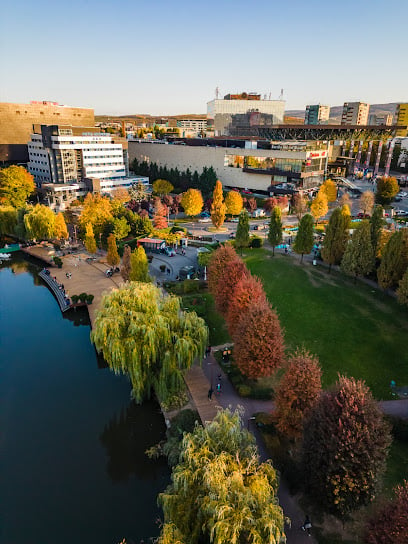
Cluj-Napoca, often simply called Cluj, is Romania's second-largest city and the unofficial capital of Transylvania. Over the past decade, it has developed into the country's most LGBTQ+-friendly urban destination outside of Bucharest, attracting visitors interested in progressive culture, medieval history, and an authentic Eastern European experience. The city's young population, driven by approximately 70,000 university students, creates a more liberal social atmosphere than much of rural or conservative Romania.
A Brief History of LGBTQ+ Life in Cluj
Romania decriminalized homosexuality in 2001 and has since achieved legal same-sex partnership recognition, though full marriage equality remains absent. Cluj's LGBTQ+ scene developed gradually in the 2000s, emerging from underground networks into visible community spaces. The city's ClujPride festival, established in the mid-2000s, has become a barometer of increasing acceptance and visibility. Unlike Bucharest's more established gay infrastructure, Cluj's scene remains more grassroots and activist-oriented, with strong connections between the LGBTQ+ community and broader cultural movements centered on art, music, and progressive politics.
Neighborhoods and Orientation
The Old Town (Centrul Istoric) remains the heart of Cluj's social and nightlife scene. This medieval core features narrow cobblestone streets, the impressive Matthias Church, and dense clusters of cafes, bars, and restaurants. Most LGBTQ+-friendly venues cluster here or within walking distance. The Gheorghe Dima area, near the famous Horejzu Steps, offers additional bars and cafes with younger crowds. Marasti is a broader residential neighborhood popular with young professionals and students, with scattered venues and a more everyday gay presence. Gheorgheni, another student-heavy zone, hosts various cultural venues and nightlife.
The city is compact and walkable; most points of interest are within 15-20 minutes on foot or a short tram ride.
Venues and Gay-Friendly Spaces
Cluj's LGBTQ+ scene is smaller and less formalized than Bucharest's, but it remains visible and welcoming. Several bars and clubs actively cater to or openly welcome LGBTQ+ customers. Specific venues evolve over time, so current visitors are advised to check local LGBTQ+ groups on Facebook or contact the local Pride organizers for up-to-date recommendations. The city has hosted occasional pride events, themed parties, and club nights, particularly around Pride season.
The bar and cafe scene in the Old Town generally feels progressive and welcoming to LGBTQ+ visitors. Many younger-oriented establishments, particularly those focused on craft beer, cocktails, or alternative music, attract mixed LGBTQ+ crowds. Cafes along Piata Unirii and Piata Avram Iancu are standard meeting points for both tourists and locals.
ClujPride and Events
ClujPride is typically held in May or June and has grown significantly in recent years. The event includes marches, cultural programs, exhibitions, and parties. The 2023 edition saw several thousand participants and attracted international LGBTQ+ visitors. ClujPride differs from Bucharest Pride by maintaining a stronger grassroots, activist character; it emphasizes community-building and cultural visibility alongside celebration. Exact dates and activities vary annually, so visitors should check the official ClujPride website or local LGBTQ+ organizations for upcoming editions.
Beyond Pride, Cluj hosts numerous cultural events, music festivals, and art exhibitions year-round. The LGBTQ+ community is active in theater, film festivals, and underground music scenes, creating consistent opportunities for queer cultural participation.
Where to Stay
The Old Town offers the best location for visitors, with numerous hotels, guesthouses, and hostels within the historic center. Staying here provides walkability to most attractions, restaurants, and bars. Mid-range hotels like Hotel Astoria or Hotel Napoca are centrally located and well-reviewed. Budget travelers can find hostels throughout the Old Town, many of which have become informal social hubs for young travelers.
Alternatively, the broader city center and Marasti neighborhood offer excellent accommodations slightly removed from Old Town crowds, while remaining accessible via tram.
Cluj-Napoca is generally safe for LGBTQ+ travelers, and the city center is well-policed and well-lit. Like any Eastern European city, standard urban caution applies—avoid isolated areas at night, be mindful of valuables, and stick to well-traveled routes after dark.
Romanian society remains socially conservative outside major cities, with traditional religious values predominant in rural areas. However, Cluj's young, urban character means open hostility to LGBTQ+ people is less common than in smaller towns. Public displays of affection between same-sex couples are increasingly normalized in the city center but may attract unwanted attention in peripheral neighborhoods. Most travelers report feeling comfortable and safe, particularly in the Old Town and central areas.
Visitors should be aware that Romania has not yet legalized same-sex marriage, though partnership protections have expanded. National laws are relatively neutral, but social attitudes vary. No specific legal risks target LGBTQ+ tourists, and standard anti-discrimination protections exist in hotels and restaurants.
Getting Around
Cluj is accessible via Henry Coandă International Airport, served by budget carriers like Wizz Air and Ryanair. The airport is about 9 km from the city center; shuttle buses, taxis, and ride-sharing apps provide affordable transportation. Within the city, an extensive tram and bus network covers all major areas. A single ticket costs less than €1; day passes are economical for visitors. The city is very walkable, especially the Old Town and central districts. Bike-sharing systems operate throughout the city for those preferring two-wheeled transport.
Food and Dining
Cluj's food scene has expanded dramatically in recent years, with excellent local restaurants, international options, and vibrant cafe culture. Traditional Transylvanian cuisine emphasizes hearty meat dishes, stews, and pastries. Restaurants like Hanu' lui Manuc or local spots in the Old Town serve authentic regional food at reasonable prices. The city also offers contemporary Romanian cuisine with modern presentation, craft beer venues, and diverse international restaurants reflecting its cosmopolitan population.
Cafe culture is deeply embedded in Cluj life; long afternoons in cafes with coffee, beer, or wine are standard social rituals. Many cafes are visibly popular with LGBTQ+ groups, particularly younger establishments.
Day Trips and Broader Exploration
Cluj's location in Transylvania offers unparalleled access to the region's iconic sights. Bran Castle (Dracula's castle) is roughly 150 km south and can be visited as a day trip by car or organized tour. Turda Gorge, a stunning natural formation, lies about 20 km away and is accessible via a short drive or organized excursion. The Saxon villages of Transylvania—Sighisoara, Medias, and others—showcase medieval architecture and traditional culture, typically 1-3 hours from Cluj by car.
Mountain hiking opportunities abound in the Carpathian ranges surrounding Cluj, with various difficulty levels and scenic routes. These day trips don't specifically cater to LGBTQ+ travelers but offer authentic Transylvanian experiences away from the city.
Why Visit Cluj
Cluj appeals to LGBTQ+ travelers seeking a less-touristed alternative to Western European gay capitals, with the added benefit of genuine medieval architecture, vibrant student culture, and emerging queer visibility. The city offers lower costs than Western Europe, friendlier crowds than Romania's more conservative regions, and an authentic experience of post-communist Eastern European transformation. For those interested in LGBTQ+ activism in developing contexts, Cluj represents Romania's progressive edge and offers insight into how queer communities organize and build visibility in socially complex environments.
The city is best visited during warmer months (May-September), particularly around ClujPride in late spring. Winter is quieter but offers fewer outdoor activities and colder temperatures.
Frequently asked questions
Cluj-Napoca is considered Romania's most LGBTQ+-friendly destination outside of Bucharest. While the scene is intimate, the city has a visible queer community and hosts a significant Pride celebration.
Most LGBTQ+-friendly venues are located in or near the city center. The Gheorghe Dima area, near the university, is known for student-oriented bars and cafés frequented by younger queer people.
Cluj Pride is Romania's second-most established Pride celebration after Bucharest, having begun in 2005. The event grows steadily each year, and major nightclubs may host themed nights or circuit events around this season.
Cluj's gay scene is described as small but genuine. Dedicated LGBTQ+ venues are limited compared to larger cities, with the scene tending to concentrate in mixed nightlife venues rather than exclusively gay spaces.
Dedicated LGBTQ+ venues are minimal in Cluj-Napoca. The scene tends to be more integrated into mixed nightlife venues and university-area cafés that welcome queer clientele.
Homosexuality was decriminalized in Romania in 2001. Same-sex civil partnerships became legally recognized in 2023, marking a significant milestone.
Your privacy choices.
We use cookies to run GayOut and, with your consent, measure usage. Learn more
Your privacy choices
We use cookies to keep GayOut running, remember your preferences, and (with your permission) measure how the site is used. You can accept all, reject all, or pick what you allow. Learn more
Essential
Required for sign-in, fraud prevention, CSRF protection and remembering your language. Cannot be disabled.
Always on
Remembers your favourites, dark mode and other interface preferences across visits.
Helps us understand which pages people visit (Google Analytics, server-side stats) so we can improve.
Used by campaign tracking pixels. None are active right now, reserved for future use.
Install GayOut
Add GayOut to your home screen for faster access, offline favourites, and Pride alerts.


 Gay-Friendly Bars & Clubs
(22)
Gay-Friendly Bars & Clubs
(22)