


In this guide · 13 sections
- Top Gay Cruising Areas in London
- First, the legal picture
- Hampstead Heath (West Heath) — the one everyone knows
- Clapham Common — South London's fixture
- Hyde Park — central and convenient
- Surrey Quays / Russia Dock Woodland — the East London night spot
- Tooting Bec Common — the quieter alternative
- Battersea — under Chelsea Bridge
- Holland Walk — the central-west path
- Reading the ground rules
- Getting home in the early hours
- Looking out for each other
- When to come — and the indoor plan B
Top Gay Cruising Areas in London
London's cruising scene isn't a modern trend — it's a 300-year-old institution. Long before decriminalisation, men were meeting in the shadows of St James's Park and Moorfields at immense personal risk, and the habit outlived the laws that created it. Today the apps have thinned the crowds in some parks, but the historic grounds — West Heath above all — are still busy, shared by a younger generation and regulars who have walked these paths for decades.
This guide covers what's active in 2026, how to get there, how to get home, and what the law actually says. That last part matters more than most guides admit.
First, the legal picture
Cruising itself is legal in England. Walking around a park looking for men is not a crime. What the law restricts is the sex:
- Sex in a public toilet is a specific criminal offence — Section 71 of the Sexual Offences Act 2003, up to 6 months. This is why cottaging carries real risk while park cruising mostly doesn't.
- Sex outdoors is not itself an offence — but if it happens where others could see it, you can be charged with outraging public decency (a common law offence with serious maximum penalties) or under the Public Order Act. The practical test: could a member of the public have witnessed it? Deep in woodland at night, realistically no. On an open lawn at 6pm, yes.
- Police policy in London is generally hands-off. The Met treats established cruising grounds as a fact of life and patrols them mostly for the cruisers' own safety. Hampstead Heath has been effectively tolerated since the late 1990s, with sexual health outreach on site rather than arrests. That tolerance depends on discretion — sex kept out of sight, no litter, nothing in daylight near families.
- After dark means after dark. The daytime exceptions (West Heath) exist because the woodland genuinely screens everything. Everywhere else, wait for night.
- Take everything with you. Litter — especially the obvious kind — is what turns councils against a cruising ground faster than any complaint about the cruising itself.
- No means no, silently. A shake of the head or simply walking on ends an approach. Persistence is the one thing that gets men ejected by other cruisers.
- Phones away. Filming or photographing anyone is the cardinal sin, and in the UK could itself be a criminal offence.
- Mind the mud. This is England. After a rainstorm, West Heath and Clapham turn into slick, clay-like mud. Leave the white sneakers at the hotel; wear sturdy, dark shoes you don't mind wiping down later.
- Phone flashlights point down. The woods get pitch black. If you need to check your footing, angle your light straight down at the dirt. Shining a beam into someone's face is the quickest way to ruin the mood and blind everyone's night vision.
- Tell someone, or share your location. Robberies targeting cruisers happen occasionally — men assumed to be carrying phones and unlikely to report. A live location shared with a friend costs nothing.
- Valuables minimal. Take one card and your phone, leave the rest.
- Trust your gut. If someone seems to be watching rather than cruising, or a corner feels off, simply step back toward the main lit path or drift toward another group. No drama needed.
- If something happens, report it. The Met takes homophobic crime seriously and you will not be charged for having been cruising. Galop (the LGBT+ anti-abuse charity) runs a helpline if you'd rather not go to police directly.
- Sexual health. Free and fast in London: 56 Dean Street in Soho is Europe's busiest sexual health clinic and built its reputation on serving exactly this community. PrEP is free on the NHS.
In short: keep it in the trees, after dark, and you're operating in the same grey zone thousands of London men use every week without incident. If you'd rather skip the grey zone entirely, London's gay saunas offer the fully legal indoor version — more on that at the end.

Hampstead Heath (West Heath) — the one everyone knows
If you cruise one place in London, it's this. West Heath has been in continuous use since the 19th century and is probably the busiest outdoor cruising ground in Europe. George Michael cruised here and said so on television.
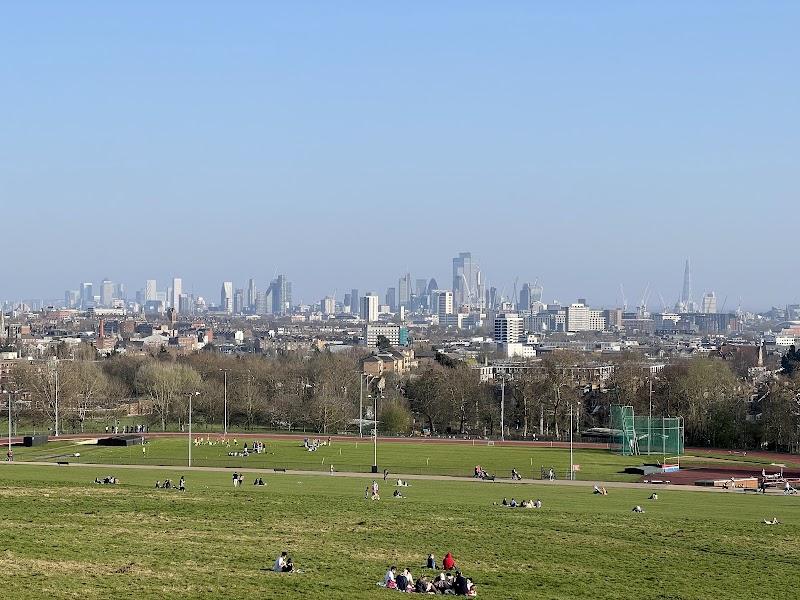
The active section is West Heath, the wooded area on the Hampstead side — not the swimming ponds or Parliament Hill, which are regular park. Take the Northern line to Hampstead station, walk north up Heath Street, and the main entrance is by the site of the old Jack Straw's Castle pub (the building is still there, converted to flats).
Daytime activity is real here, which is rare — the woodland is dense enough that West Heath works in daylight, though dusk is peak. Summer evenings draw the biggest crowds. The scene made national news in 2025 when anti-cruising posters appeared on the heath; locals tore them down within a day, and coverage in The Times sided largely with the cruisers, who noted they'd been there rather longer than the complainers. The heath has its own small police force, the Hampstead Heath Constabulary, which has coexisted with the scene for decades.
Clapham Common — South London's fixture
The action is in the triangular wooded section on the common's west side, near the South Circular Road — roughly a ten-minute walk from Clapham Common or Clapham South tube (Northern line). Strictly after dark; the woods are too thin for daytime. Busiest after pub closing time, and noticeably busier in summer.
Clapham carries history worth knowing. This is where Welsh Secretary Ron Davies had his 1998 "moment of madness" that ended his career. It's also where Jody Dobrowski was murdered in a homophobic attack in 2005 — a case that became one of the UK's landmark hate-crime prosecutions. The London of 2026 is a different city: the scene today is calm, and police presence, when it appears, is protective rather than hostile. But Clapham is the reason the buddy advice in the safety section below isn't boilerplate.

Hyde Park — central and convenient
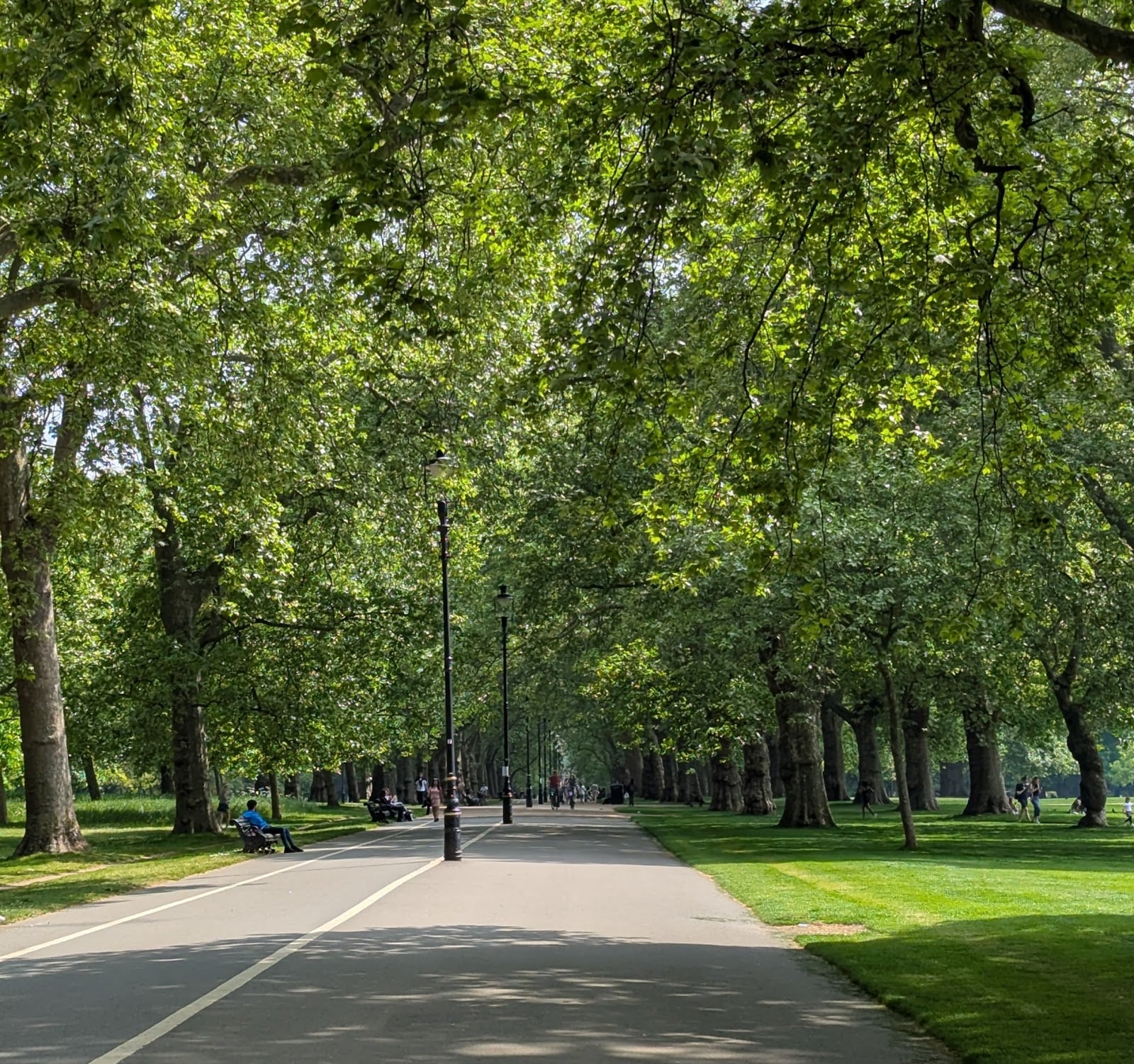
Central London's option, active after dusk along the quieter northern edges. Nearest tube is Hyde Park Corner (Piccadilly line). Activity runs until the park's closing routines wind things down — later in summer, earlier in winter. This is a royal park with regular patrols, so the after-dark rule is absolute here; the same paths at 4pm are full of tourists. Lower-key than Hampstead or Clapham, but its location means a steady mix of locals and visitors.
Surrey Quays / Russia Dock Woodland — the East London night spot
A rewilded stretch of old dockland in Rotherhithe. The action is on the paths running beneath Stave Hill, at the bottom of the hill, strictly at night. Nearest stations are Surrey Quays or Canada Water (Overground/Jubilee). It's darker and more secluded than the big parks — some men prefer exactly that, others will find it too quiet. Bring your phone charged.

Tooting Bec Common — the quieter alternative
Known locally rather than internationally, which keeps it relaxed. From Balham station (Northern line/National Rail), head to the area north of Bedford Hill, west of the railway cutting. After dark. If Clapham feels like a scene, Tooting Bec feels like a neighbourhood habit.
Battersea — under Chelsea Bridge
A long-running car park and riverside spot under Chelsea Bridge, SW11. Draws all types, mostly late. Car-based cruising happens here as well as on foot, which gives it a different rhythm from the parks.

Holland Walk — the central-west path
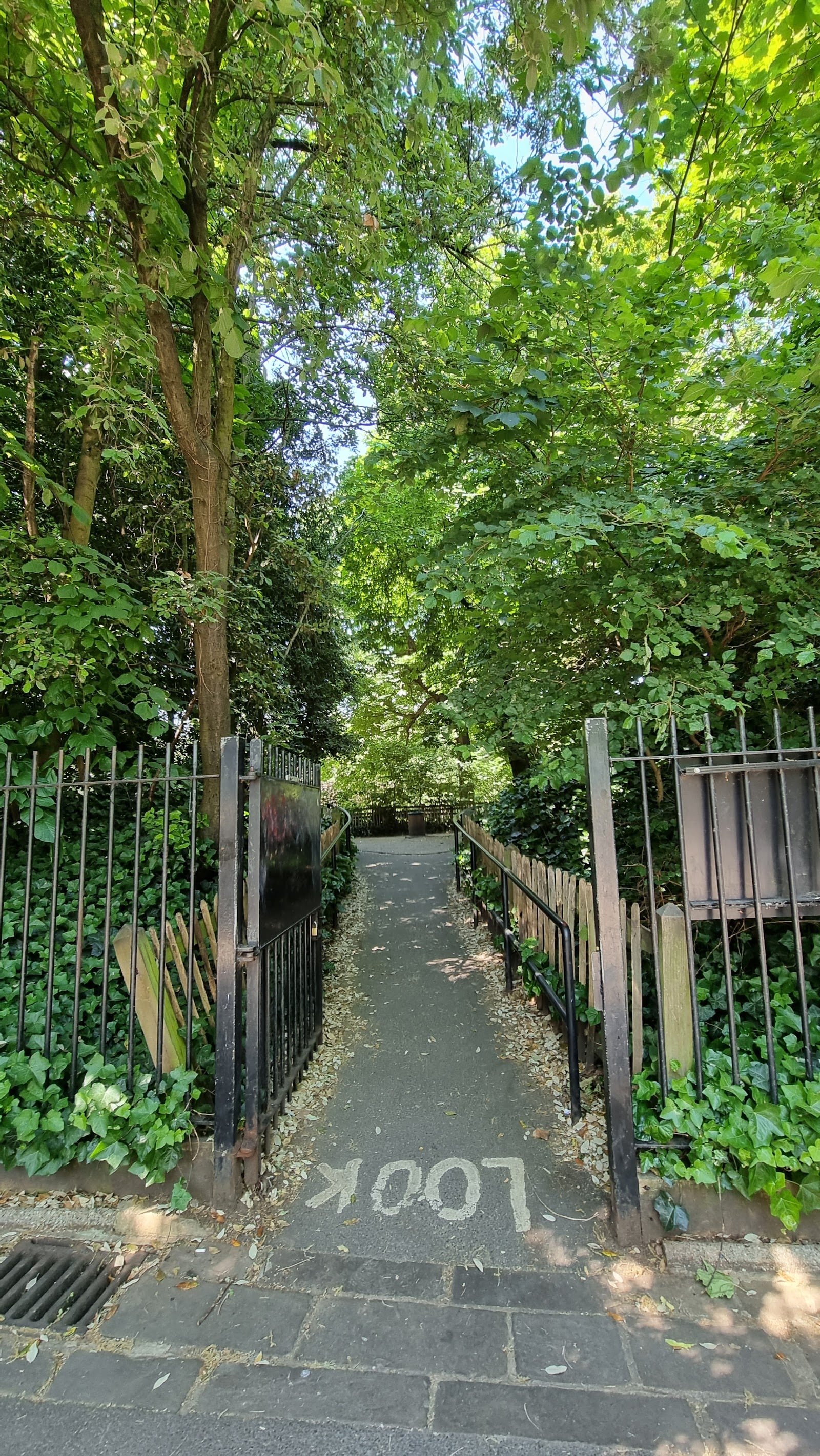
A tree-lined footpath running along the east side of Holland Park, steps from Holland Park station (Central line). Late-night only. It's a linear route rather than a woodland, so the cruising is a slow walk-and-turn rather than a wander — more intimate, easier to read, and easy to leave if the night's quiet.
Reading the ground rules
Every ground has the same unwritten code, and it's what keeps the police tolerant:

Getting home in the early hours
This catches out more visitors than anything else. London's Night Tube runs 24 hours on Fridays and Saturdays only — and conveniently, the Northern line, which serves Hampstead, Clapham and Balham, is one of the night lines. Sunday through Thursday, the Tube shuts around midnight.
If you're staying out late midweek, map your Night Bus route home before you head out, or rely on Uber, Bolt or Free Now — drivers know the park-edge pickup points well. From Surrey Quays, the Windrush line (Overground) also stops around midnight midweek, so budget for a taxi if you stay past it.
Looking out for each other
London is one of the safest major cities in the world for queer people, and the police posture toward cruisers is overwhelmingly protective rather than hostile. The grounds stay safe because the regulars keep an eye out — you are rarely as isolated as you feel.
Respect the space, watch out for the next guy, and you're part of a very long, very resilient London tradition.

When to come — and the indoor plan B
Summer is the season: long evenings, warm nights, and the biggest crowds from May to September. Winter cruising exists but shrinks to the hardcore at Hampstead and Clapham.
And when it's raining sideways in February — this is London, it will be — the scene simply moves indoors. London's gay saunas run late and stay busy year-round: Pleasuredrome in Waterloo is the biggest, with a pool and multiple floors; Sweatbox in Soho sits in the middle of the bar district and runs around the clock; The Locker Room is the relaxed veteran of the scene. Add the cruise clubs and dark-room club nights and you've got a fully legal, fully heated alternative for every night the parks are a swamp.