

In this guide · 12 sections
- Gay Cruising Areas in Valencia — The Ultimate Guide
- The legal picture: Spain barely cares
- Turia Gardens — the 9-kilometre cruising spine
- Playa de Pinedo / l'Arbre del Gos — the gay beach
- Playa de la Devesa (El Saler) — the wilder sister
- La Malvarrosa & Patacona — the city beaches
- Parque de Cabecera — the local secret
- Indoors: Valencia's cruise bars and sauna
- The gay district: Ruzafa, Pelayo Street & Canovas
- Valencia Pride
- Practical notes
- Ground rules, Valencia edition
Gay Cruising Areas in Valencia — The Ultimate Guide
If Barcelona feels too crowded and Madrid too intense, Valencia is the antidote. It's Spain's third-largest city, but it has quietly preserved what the bigger capitals lost years ago: space, unhurried energy, and a Mediterranean beach scene where cruising happens in golden sand dunes just twenty minutes from the city centre. The gay scene clusters around Ruzafa and the Canovas area, but the cruising map is much bigger — a 9-kilometre riverbed park, two nudist beaches backed by pine scrub, and some of the best cruise bars on the Spanish east coast.
This guide covers all of it, plus the legal picture — which in Spain is friendlier than almost anywhere in Europe.
The legal picture: Spain barely cares
Here's the part that surprises visitors from the UK or the US: in Spain, cruising is not a crime, and neither — in most circumstances — is sex outdoors.
- The Penal Code (Article 185) only criminalises obscene exhibition in front of minors or people with disabilities requiring special protection. Sex between adults in a park, witnessed by other consenting adults, doesn't meet the definition. Police sources have confirmed this publicly: in general terms, sex in public spaces is not prohibited under Spanish criminal law.
- What can apply is administrative law — the Ley de Seguridad Ciudadana (the "gag law") and municipal ordinances, which can mean a fine, not a criminal record. Enforcement varies by city; some municipalities fine public sex, others have no applicable ordinance at all.
- Nudity is legal on beaches. Spain has no national law against public nudity, and Pinedo and El Saler have decades-old naturist traditions.
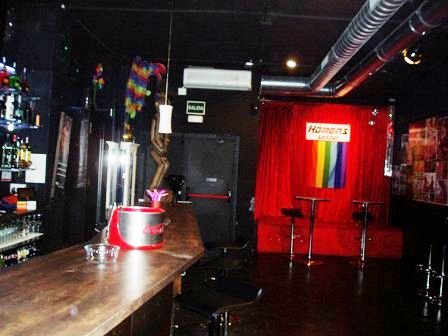
- Hòmens — the city's biggest cruise club, right in the centre, open daily from 5pm. Dark rooms, a maze, slings, showers. Weekends are the show, with the crowd arriving around midnight, but weekdays deliver too.
- Tête-à-Tête — the highest-rated cruise bar in town, with themed nights (naked parties, 80s/90s music nights) and a small dance floor. Friendlier and more social than a pure dark-room venue.
- Sauna Olimpic — Valencia's main gay sauna, in Ruzafa a short walk from the centre: two floors, clean, with the full steam-and-cabins setup. See all Valencia saunas.
- Valencia is 90 minutes from Madrid on the high-speed AVE, or about 3.5 hours from Barcelona along the coast.
- July and August are hot and humid; June and September are the sweet spot — full beach season, easier nights.
- The Valencia City Card covers metro and buses, which matters here more than in most cities: the beaches are a bus ride, not a walk.
- Recommended accommodation: Valencia Lounge Hostel (social atmosphere), Soho Valencia Hotel (design hotel near the gay area).
- Beaches by day, Turia by night. The dunes work in daylight thanks to the long-standing naturist culture; the Turia riverbed and Cabecera are strictly after-dark spots.
- Bring mosquito repellent. The Albufera is a wetland reserve, and as the sun sets over the pines behind Pinedo and El Saler, the mosquitoes come out in force. If you're staying in the dunes past dusk, repellent is as essential as sunscreen.
- Footwear for the dunes. The afternoon sand in July and August gets genuinely scorching, and the pine trails behind the beach are scattered with dry twigs and burrs. It's a nude beach, sure — but keep the flip-flops on until you reach your towel.
- Leave no trace. The Devesa dunes are a protected ecosystem. Take everything out with you — litter is the single quickest way to get natural areas fenced off.
- Water and sun protection are not optional. Valencian summer sun on a nude beach with no chiringuito for a kilometre is no joke. Pack more water than you think you need.
- Phones stay in the bag. Photographing anyone, in the dunes or under the pines, breaks the cardinal rule of discretion and violates Spain's strict privacy laws.
- August note: half of Valencia leaves the city, and the beach scene absorbs everyone who stays plus every visitor. Pinedo in August is the busiest you'll ever see it.
The practical version: be discreet, keep it away from families and daylight foot traffic, and the worst realistic outcome is being asked to move along. Valencia's police have far bigger priorities.

Turia Gardens — the 9-kilometre cruising spine
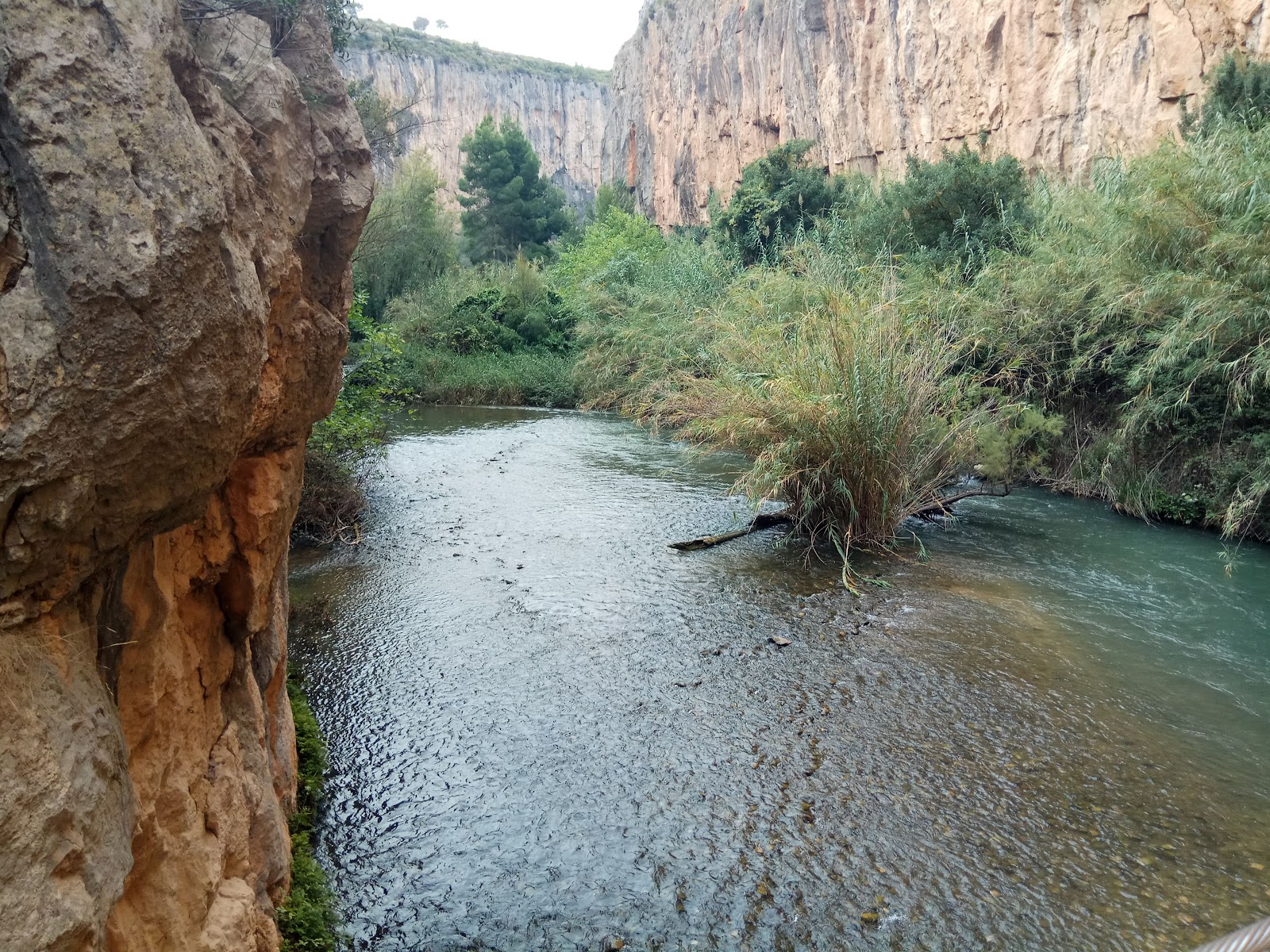
After the catastrophic 1957 flood, Valencia diverted the river and turned the old bed into the Jardines del Turia — a sunken linear park running right through the city, with cycling paths, sports fields, and the City of Arts and Sciences at its eastern end. By day it's the city's living room. By night, parts of it become one of the longest cruising grounds in Spain.
The active stretch runs between the Royal Bridge (Pont del Real) and the Calatrava bridges, where the landscaping thickens and the banks offer shrub cover. Activity starts after dark and peaks on warm summer nights, when the sunken riverbed stays cooler than the streets above. Because the park sits below street level, you're screened from the city even on open paths — one reason the scene here has run quietly for decades.
Getting there is trivial: the Turia borders the old town, and you can drop in from any bridge. Alameda metro station puts you right at the active stretch.
Playa de Pinedo / l'Arbre del Gos — the gay beach
This is the one the current guide barely hints at, and it's the region's main event. South of the port, between Pinedo village and El Saler, runs a long clothing-optional beach that has been Valencia's gay beach for generations. The gay section sits about halfway down, next to the abandoned factory behind the dunes — the landmark everyone navigates by. Locals also know the stretch as l'Arbre del Gos.
The beach itself is wide, clean and never as packed as Malvarrosa. Behind it: dunes, low pine scrub behind the bike path, and the parking areas — all of which see cruising, the pines discreetly, the car parks both day and night. On the sand it's classic Mediterranean gay beach life — nude sunbathing, eye contact, and groups that form over an afternoon.
Getting there without a car: buses 14 and 15 from near Estación del Nord run to Pinedo (about 40 minutes); buses 24 and 25 from Puerta del Mar reach Camping Col Vert in about 25 minutes — get off there, walk back 100 metres to the traffic island, take the short road to the sea, and the gay beach is directly on your left. By car, take the CV-500 toward El Saler and park near the L'Estibador restaurant; the gay section is to its left. Bring water and food — there's nothing on this stretch except showers, and no toilets.
Getting back at night: the buses run well during the day but taper off sharply in the evening and stop around 10:30–11pm. If you stay in the dunes past dusk, don't count on flagging a passing taxi — street cabs don't cruise the dune road at night. Download Free Now or Cabify (the apps that rule Valencia) and order a ride straight back to Ruzafa.
Season runs June to September at full strength, with warm-weekend life stretching into October.

Playa de la Devesa (El Saler) — the wilder sister
Continue south past Pinedo and the beach becomes the Devesa del Saler, inside the Albufera Natural Park — bigger, emptier, and backed by protected dunes and pine forest. There's a long-established nudist tradition here too, and cruising in the dune paths and around the far parking areas near the old Sidi Saler hotel and the Les Gavines area. If Pinedo feels sociable, the Devesa feels wild; some men make a day of walking between the two. Same CV-500 access, and the same rule: carry in your own water.
The Albufera lagoon behind the beach is also where you finish the day — the villages around it invented paella, and sunset over the lagoon is the best free show in the province.
La Malvarrosa & Patacona — the city beaches
Valencia's main urban beach runs north of the port, backed by the Paseo Marítimo. It's a family and tourist beach first, but the northern end toward Patacona draws a gay crowd on summer afternoons, and Patacona itself has a relaxed, gay-friendly reputation. The chiringuitos (beach bars) along the promenade are welcoming across the board, and a few function as informal gay meeting points in high season. Cruising here is subtle — this is a looking-and-meeting beach, not a dunes beach. For action, everyone heads south to Pinedo.
Parque de Cabecera — the local secret
At the western head of the Turia park, past the Bioparc, Parque de Cabecera wraps walking trails around an artificial lake. Evenings, especially in summer, the quieter trails see activity from a crowd that's more local than tourist — this is where Valencians go when they don't want to run into visitors. Nearest metro: Nou d'Octubre or Beniferri, then a short walk. It's the sleeper pick on this list: less reliable than the Turia stretch, more rewarding when it's on.
Indoors: Valencia's cruise bars and sauna
Valencia's indoor scene punches above the city's size, and it's the plan for any night the weather or the mood doesn't cooperate:
All three are fully legal, and between them they cover every night of the week.
The gay district: Ruzafa, Pelayo Street & Canovas
Valencia's bar scene clusters in two overlapping zones. Calle Pelayo and the Canovas area, just north of the old centre, hold the established names — Deseo 54, the long-running gay disco, plus The Muse and a string of smaller bars. Ruzafa, south of the station, is the neighbourhood that's grown into the city's creative-queer heart: café by day, bars and Sauna Olimpic by night, and the best restaurant density in the city.
Valencia doesn't have the concentrated gay-street density of Chueca or the Gaixample, and that's part of the appeal — venues are established, crowds are mixed and local, and nobody's performing for tourists.
Valencia Pride
Held in June, with the parade through the city centre and the party spilling across Canovas and Ruzafa. It has grown steadily but stays community-scale — regularly cited as the friendlier, less crushing alternative to Madrid or Barcelona Pride. If you want a Pride where you can actually get a drink at the bar, this is it.
Practical notes
Ground rules, Valencia edition
The code is the same as everywhere, with local touches — think of these as the things a Valencian friend would tell you before you head out:
Valencia's magic is its unpretentious, open-air lifestyle. The vibe on the beach and in the Turia is welcoming and unhurried — smile, take your time, and don't rush anything; the night here starts late anyway. And when the afternoon winds down, do what the locals do: authentic paella by the Albufera lagoon, sunset included.