Everything worth knowing before you go.
Ottawa, Canada's capital, is a destination with a notable and established LGBTQ+ community. The city's gay scene has developed significantly since the 1980s, existing alongside its role as the national capital.
Ottawa's LGBTQ+ community began organizing in the 1970s, with early Pride events in the 1980s. The movement progressed alongside national advancements in equality, with Canada legalizing same-sex relationships in 1996 and same-sex marriage in 2005. As the capital, many early Pride events in Ottawa had political significance, advocating for federal rights. Over time, the community has become more visible through businesses, community centers, and municipal support for Pride.
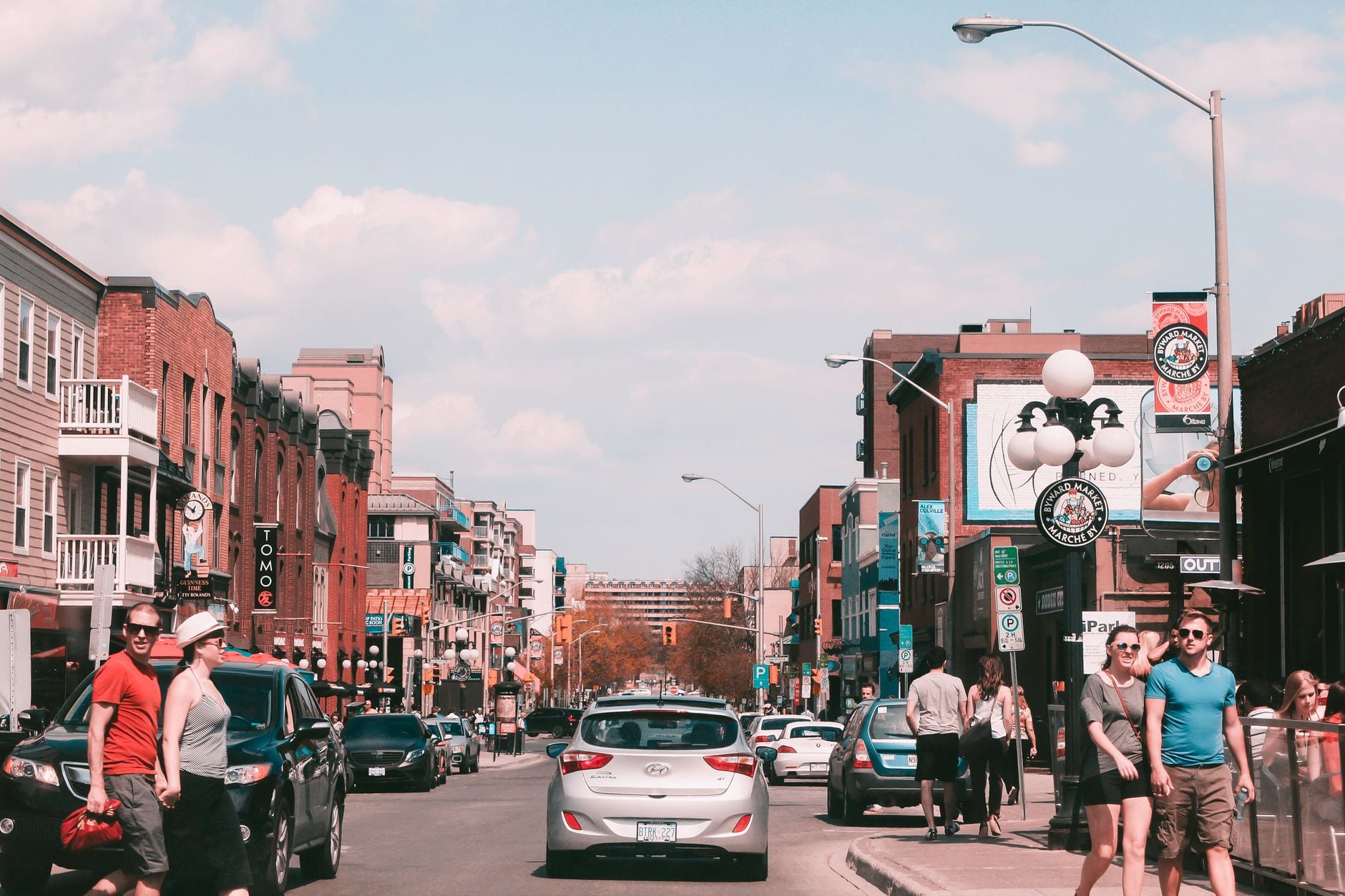
The Byward Market, Ottawa's most recognized neighborhood, has historically been a hub for LGBTQ+ nightlife and commerce. This downtown district features cobblestone streets, market vendors, restaurants, bars, and shops. Numerous establishments catering to the LGBTQ+ community are found here, and many community resources are nearby.
Centraltown, south of the Byward Market, also has an LGBTQ+ cultural presence. This area offers residential streets, cafes, and community spaces, providing a quieter atmosphere while remaining close to downtown attractions.
The Glebe, a neighborhood south of downtown, is a progressive residential area with businesses and restaurants that are LGBTQ+-friendly, though it is not as specifically focused on the gay community as the Byward Market or Centretown.
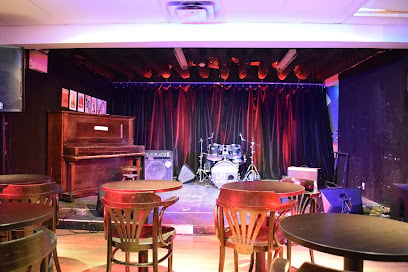
Ottawa's bar scene is largely concentrated in the Byward Market. Travelers should research current venue options as specific establishments can change. The market has historically been home to gay bars, dance clubs, and mixed venues with strong LGBTQ+ followings. The city offers various venues that welcome LGBTQ+ patrons, though some may have specific event nights. Beyond bars, LGBTQ+-owned restaurants, cafes, and cultural venues are present throughout downtown and nearby neighborhoods. The National Arts Centre sometimes hosts LGBTQ+-themed performances.
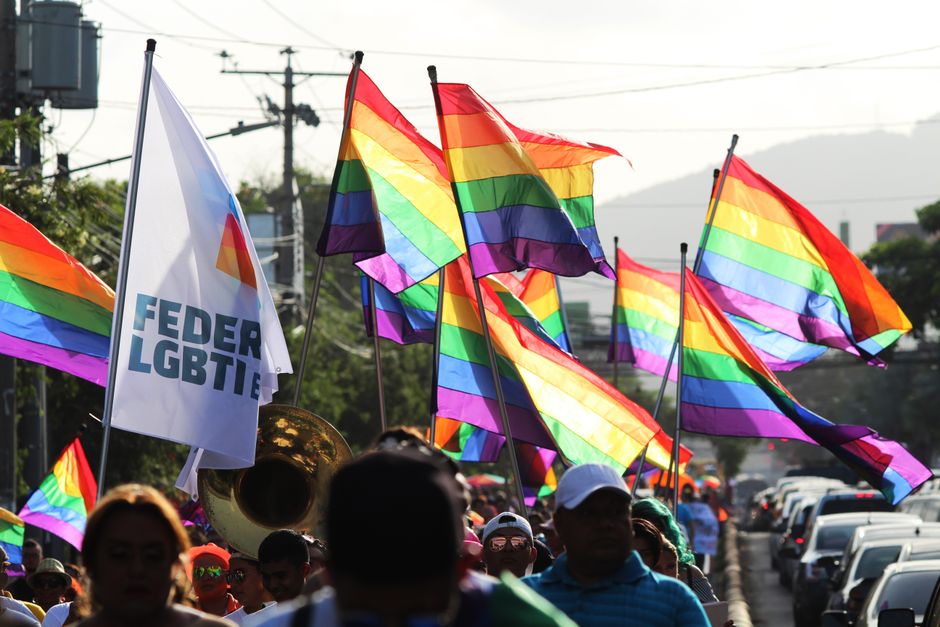
Ottawa Pride occurs annually in August and is a major Canadian Pride celebration. The main parade typically takes place mid-to-late August, drawing large crowds through downtown streets. The city hosts a Pride festival throughout August with stages, vendors, performances, and community activities. Various neighborhood events, parties, and celebrations also occur during the month. Many hotels, restaurants, and venues participate in Pride programming. The Inside Out Film Festival, also in August, showcases LGBTQ+ cinema. Community organizations host regular social events and support groups throughout the year.
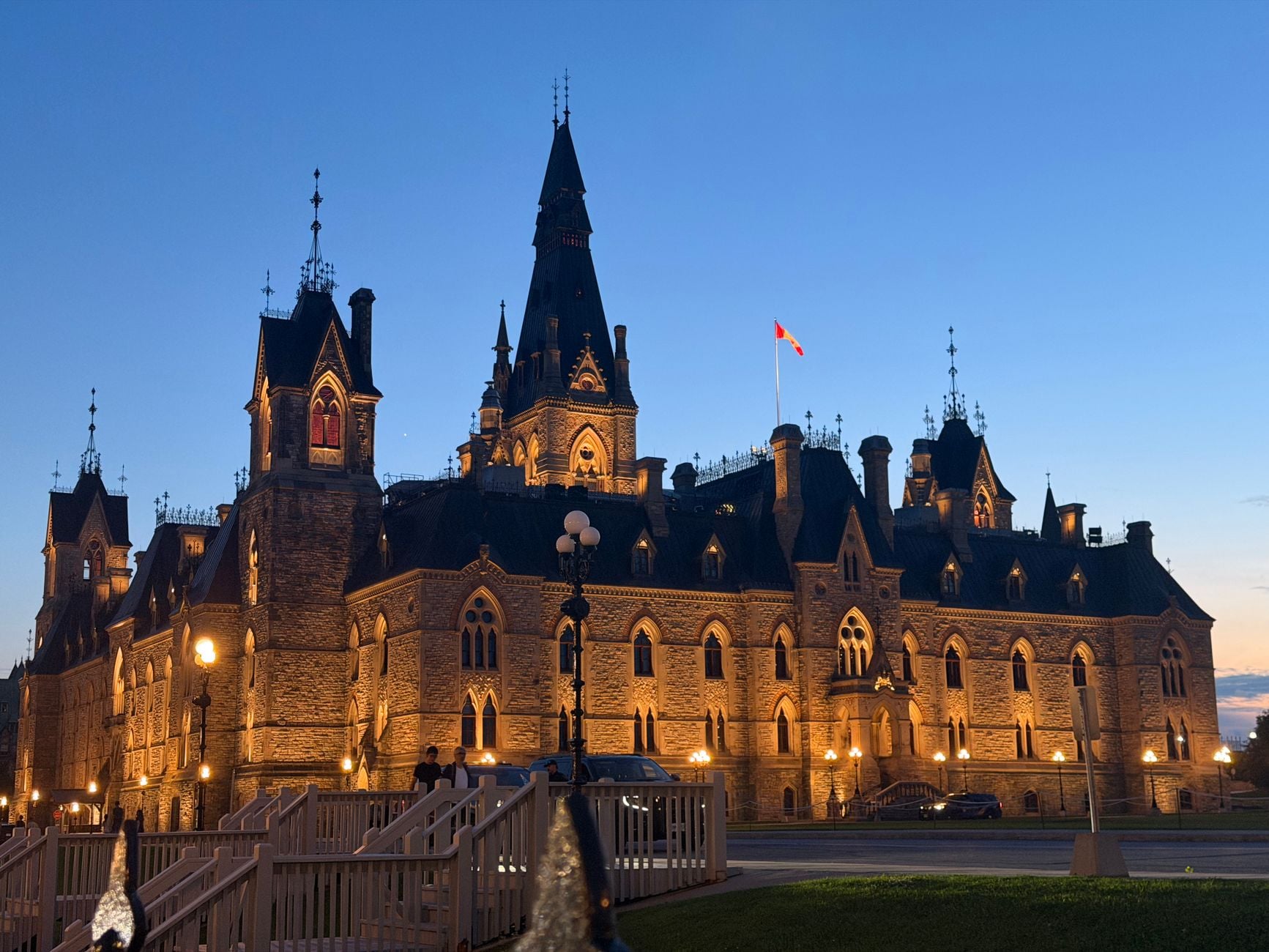
For accommodation, the Byward Market area provides convenient access to LGBTQ+ venues and nightlife, with many hotels nearby. Downtown hotels near Parliament Hill offer good transit connections. The Glebe offers quieter, more residential lodging. Most LGBTQ+ travelers choose downtown or Byward Market locations for convenience and walkability.
Canada has strong legal protections for LGBTQ+ individuals, including federal anti-discrimination laws and hate crime protections. Ottawa is generally considered safe for LGBTQ+ travelers, with visible police presence at Pride events and community support.
Public transportation in Ottawa is provided by OC Transpo buses. The Confederation Line light rail system offers rapid transit through downtown, with stations near Parliament Hill and downtown hotels. Walking is practical in central neighborhoods like the Byward Market and Centretown. Ride-sharing apps are available.
Ottawa's food scene includes numerous LGBTQ+-owned and LGBTQ+-friendly restaurants across downtown and its neighborhoods. The Byward Market offers cafes, restaurants, and food vendors, while larger downtown areas provide diverse international cuisine. Museums such as the Canadian Museum of History, Canadian Museum of Nature, and the National Gallery of Canada are accessible via public transit.
Gatineau, Quebec, is across the Ottawa River and accessible by bridges or transit, offering additional dining and entertainment options, as well as Gatineau Park for outdoor activities. The Rideau Canal, a UNESCO World Heritage site, runs through downtown Ottawa and is suitable for walking and cycling. Day trips to the surrounding rural areas and provincial parks are also possible.
Ottawa experiences four distinct seasons, with cold winters and warm summers. The city is primarily English-speaking, with French also being an official language. Healthcare is publicly funded. Canada has no entry restrictions based on sexual orientation or gender identity.













 Gay Bars & Clubs
Featured
(864)
Gay Bars & Clubs
Featured
(864)