We had a fantastic time! The staff and service were great, the place was clean and dj was fabulous! They even had a water station at the bar which was a very nice, and appreciated touch!
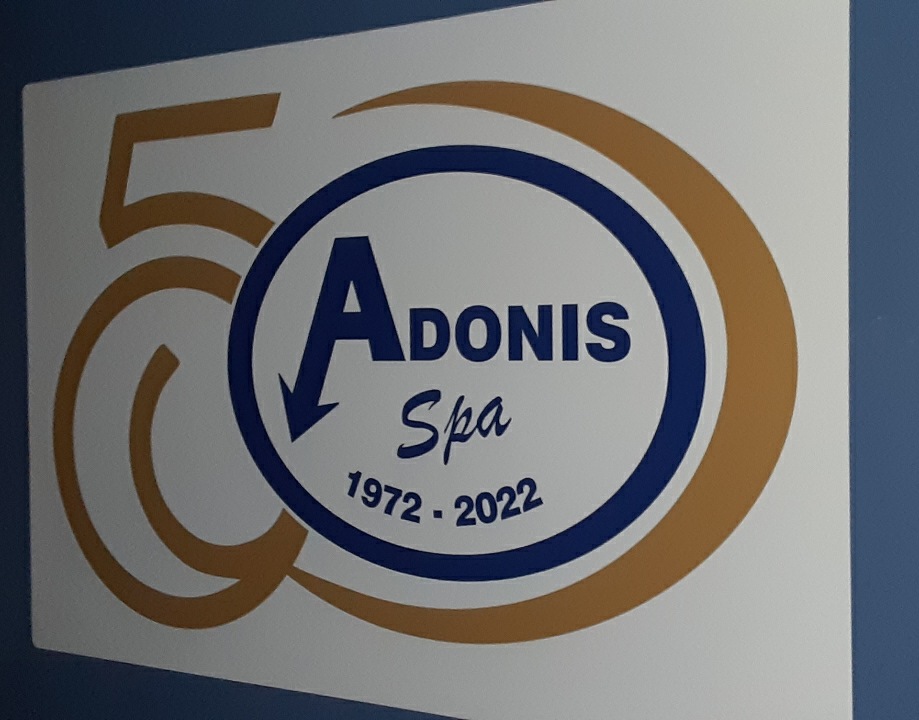
Adonis Spa is a luxurious wellness retreat located in Canada. Nestled in the heart of a picturesque landscape, Adonis Spa offers a wide range of rejuvenating treatments and services designed to…
Located at Winnipeg James Armstrong Richardson International Airport, this sleek hotel is a 5-minute walk from the terminals. It's also 8.6km from downtown Winnipeg.
Winnipeg's queer history reflects the broader Canadian arc of gradual legal recognition and community organizing. The city has been home to active LGBTQ+ organizing since at least the 1970s and 1980s, with community groups emerging alongside national Canadian progress on rights and recognition. Like many Canadian cities, Winnipeg benefited from earlier legal protections than the United States, though community organizing remained essential for cultural acceptance and institutional inclusion. Today, the city's LGBTQ+ community is integrated throughout civic life while maintaining distinct social and cultural spaces.
Neighborhoods and Districts
The Exchange District is Winnipeg's historic core and remains the primary hub for LGBTQ+ social life. Centered around Portage Avenue and Main Street, this walkable neighborhood features heritage architecture, restaurants, galleries, and entertainment venues. The Exchange has undergone revitalization in recent decades and attracts a diverse, arts-oriented population. Many LGBTQ+ travelers base themselves here for easy access to venues and events.
Downtown Winnipeg proper, adjacent to the Exchange, continues to develop as a mixed-use district with residential, dining, and entertainment options. The downtown has seen increasing investment and development, making it increasingly accessible and visitor-friendly.
Osborne Village, located south of downtown, is another neighborhood with a diverse, progressive character. While not exclusively LGBTQ+-oriented, it features restaurants, cafes, and cultural spaces popular with queer residents and visitors.
Key Venues and Nightlife
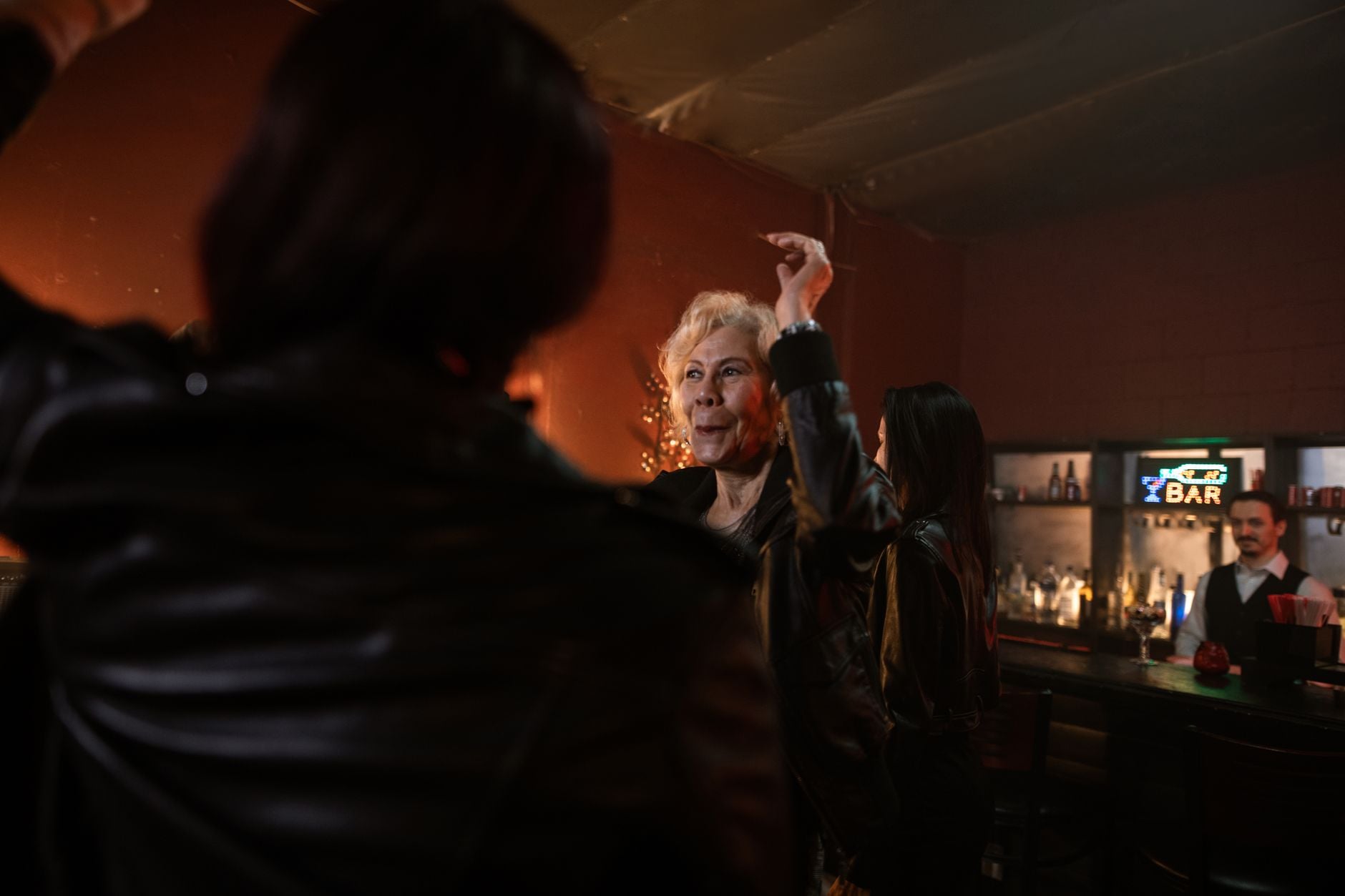
Winnipeg's LGBTQ+ venue landscape is more modest than major Canadian cities like Toronto or Vancouver but provides genuine community gathering spaces. Venues tend to operate as social hubs rather than massive nightclubs, reflecting the city's scale and community-oriented culture.
The city has hosted dedicated gay bars and social venues in recent years, though the specific landscape has shifted as LGBTQ+ nightlife has evolved nationally. Rather than listing specific bars that may have changed, prospective visitors should check with local community resources, Pride Winnipeg's website, or the Tourism Winnipeg LGBTQ+ resources for current venue information and social events.
Winnipeg's Pride Society maintains updated listings of participating venues and events during Pride month. Beyond commercial venues, the community is active in social media groups and apps like Meetup, where travelers can connect with locals and find current social gatherings.
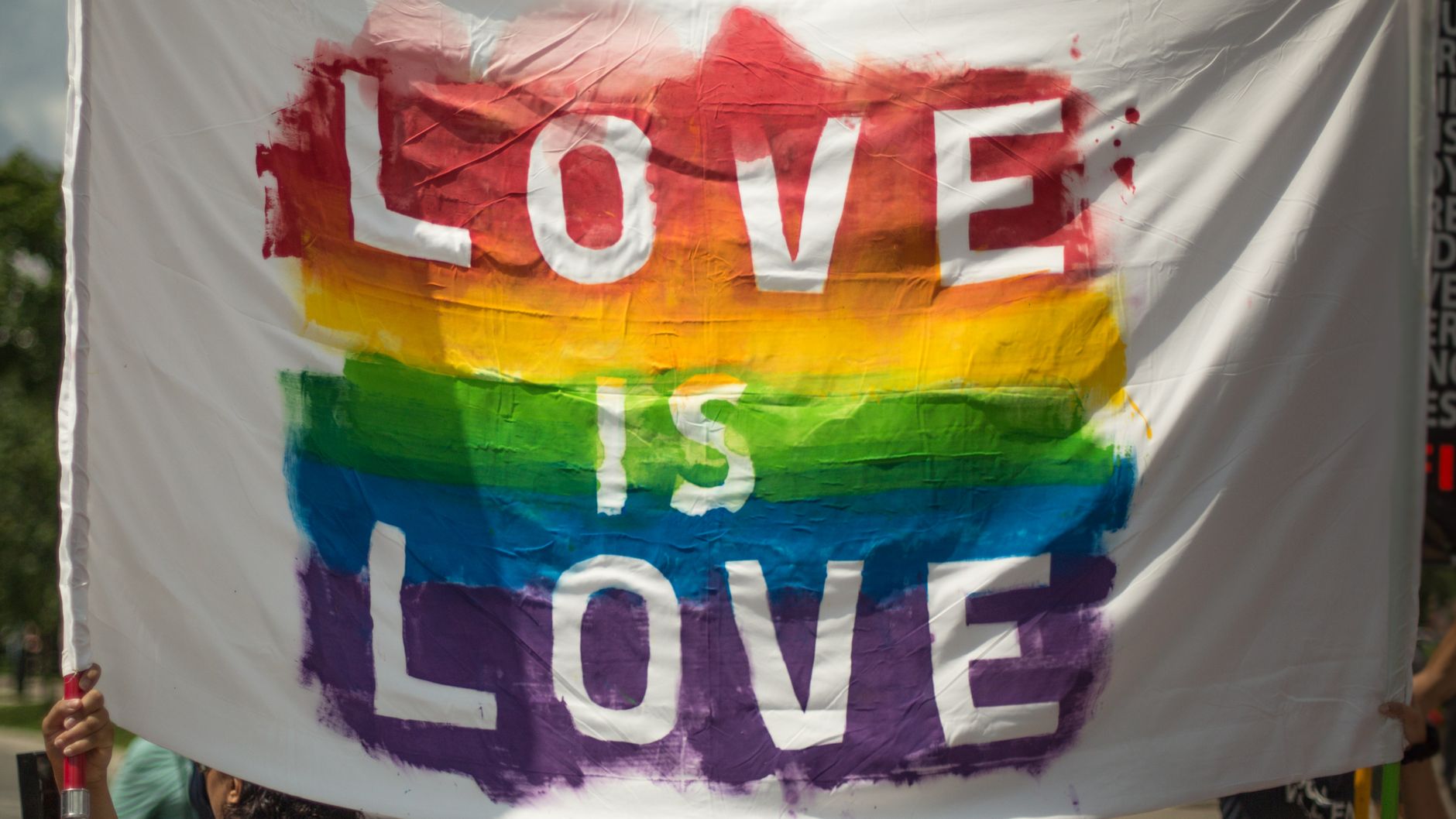
Pride Winnipeg takes place in June and is the city's marquee LGBTQ+ event. The celebration typically includes a parade, festival grounds with community booths, live entertainment, and various satellite events at local venues throughout the month. The parade, traditionally held mid-June, draws thousands of spectators and participants, with strong support from local businesses and institutions.
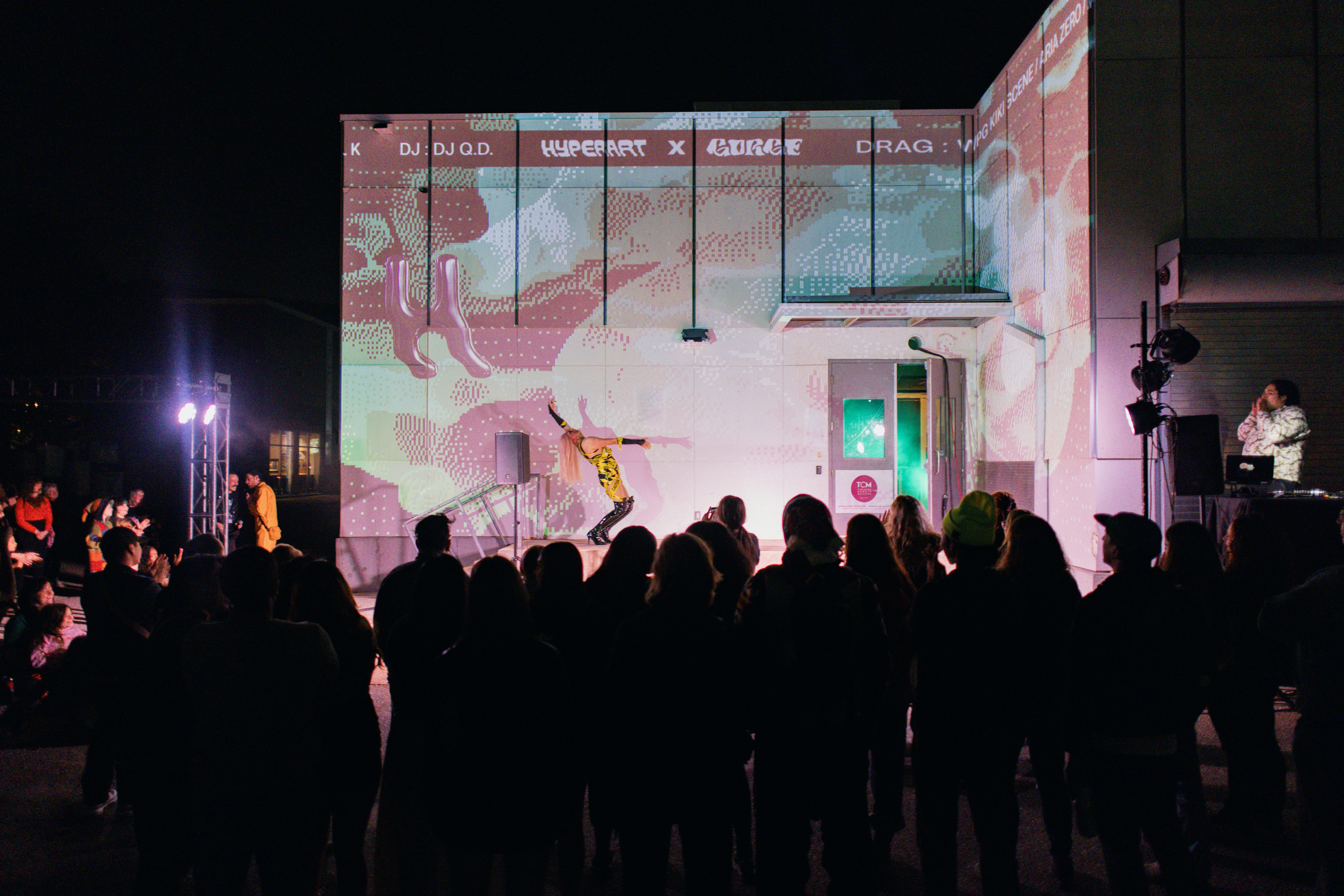
Beyond Pride month, Winnipeg's LGBTQ+ community hosts regular events including film screenings, cultural performances, social mixers, and fundraising events for various LGBTQ+ nonprofits and causes. The community calendar is active year-round, particularly through fall and winter months when outdoor festivals are less common.
Where to Stay
The Exchange District and downtown Winnipeg offer the most convenient options for LGBTQ+ travelers. Several mid-range and upscale hotels are located in these areas, providing walkable access to venues, restaurants, and cultural spaces. The Winnipeg hotel market includes both large chains and independent properties. Accommodations here typically range from budget-conscious to upscale options.
Other neighborhoods like Osborne Village offer boutique accommodations and alternative lodging options. Airbnb and vacation rental platforms also provide options throughout the city.
Winnipeg is served by Winnipeg James Armstrong Richardson International Airport (YWG), with direct flights from major North American cities. The airport is located about 10 kilometers west of downtown and is accessible via taxi, ride-share services, and public transit.
Within the city, Winnipeg Transit operates bus services throughout the metropolitan area. The downtown and Exchange District are compact and walkable for most purposes. Ride-share services like Uber and local taxi services are available. Many visitors find a rental car unnecessary for accessing central LGBTQ+ venues and attractions, though having a vehicle provides flexibility for day trips.
Food and Dining
Winnipeg's food scene reflects its multicultural population and prairie heritage. The city has developed an increasingly diverse restaurant landscape with options ranging from contemporary Canadian cuisine to international offerings. The Exchange District and downtown have concentrated dining options, while Osborne Village and other neighborhoods offer additional choices.
Many restaurants and cafes throughout the city are welcoming to LGBTQ+ guests. The community is active in supporting inclusive businesses, and local guides and social media resources can highlight LGBTQ+-owned or particularly welcoming establishments.
Cultural Attractions
Beyond LGBTQ+ specific venues, Winnipeg offers cultural attractions including The Winnipeg Art Gallery, the Canadian Museum for Human Rights, and various theaters and performance venues. The Canadian Museum for Human Rights, located on the Forks, includes exhibitions relevant to LGBTQ+ history and rights. The city's arts community is active and welcoming to LGBTQ+ artists and audiences.
Day Trips and Nearby Attractions
Winnipeg's location on the prairies offers access to natural areas and regional attractions. The Forks, a historic convergence of the Red and Assiniboine Rivers in downtown Winnipeg, is a major attraction featuring parks, museums, and dining options, and is easily accessible by transit or walking.
For day trips, Assiniboine Park offers green space, gardens, and cultural facilities. The Winnipeg Zoo is located within the park. Various provincial parks are accessible within driving distance for those interested in prairie landscapes and outdoor activities.
Safety Considerations
Winnipeg is generally a safe city for LGBTQ+ travelers. Canada maintains strong legal protections for LGBTQ+ people, and Winnipeg's community institutions actively support inclusion and safety. As with any urban area, standard urban safety practices apply, particularly in evening hours. The downtown core and Exchange District are well-traveled areas with good visibility and active foot traffic.
Community resources and local organizations are accessible for support or information. The LGBTQ+ community is integrated throughout civic institutions, and local police have engaged in community policing and relationship-building with LGBTQ+ populations.
Who Winnipeg is For
Winnipeg appeals to LGBTQ+ travelers seeking authentic community connection, cultural exploration, and a more intimate scale than major metropolitan centers. The city works well for visitors interested in prairie landscapes, Canadian history, and arts and culture. Travelers should arrive with interest in the community itself rather than expecting a high-intensity nightlife scene—Winnipeg's appeal lies in its genuine, inclusive, grassroots character.
Frequently asked questions
Winnipeg is generally safe for LGBTQ+ travellers. Canada has strong legal protections, including marriage equality and anti-discrimination law, and Winnipeg has a visible, active queer community centred downtown and in Osborne Village. Standard urban precautions apply, but there is no specific elevated risk for LGBTQ+ visitors.
Downtown Winnipeg is the primary hub for LGBTQ+ venues and social spaces. Osborne Village, south of downtown, is a trendy, walkable neighborhood popular with younger queer residents and visitors, known for its bohemian character.
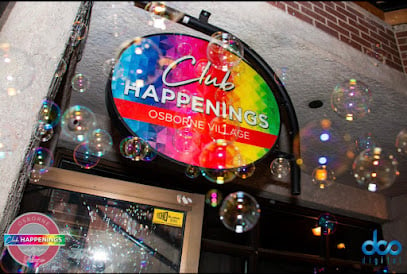
Winnipeg's main gay venues are Club 200 (190 Garry Street), the city's long-running gay-owned bar and club; Fame Nightclub in the Exchange District; and Club Happenings in Osborne Village, a 2SLGBTQIA+ bar with drag and dance nights. Adonis Men's Spa and Aquarius Bath serve the city's bathhouse scene.
Winnipeg's LGBTQ+ population is estimated at around 2-3% of the city, roughly 10,000-15,000 people. The actual community is larger when including allies and supporters.
Pride Winnipeg is held from late May into early June. In 2026 the festival runs May 26 to June 7, with the main parade on June 7 and celebrations centred at The Forks.
Winnipeg has no exclusively LGBTQ+ hotels, but the downtown hotels near the gay venues — including The Fairmont Winnipeg, Inn at The Forks and numerous chain properties — are welcoming to LGBTQ+ guests.
Your privacy choices.
We use cookies to run GayOut and, with your consent, measure usage. Learn more
Your privacy choices
We use cookies to keep GayOut running, remember your preferences, and (with your permission) measure how the site is used. You can accept all, reject all, or pick what you allow. Learn more
Essential
Required for sign-in, fraud prevention, CSRF protection and remembering your language. Cannot be disabled.
Always on
Remembers your favourites, dark mode and other interface preferences across visits.
Helps us understand which pages people visit (Google Analytics, server-side stats) so we can improve.
Used by campaign tracking pixels. None are active right now, reserved for future use.
Install GayOut
Add GayOut to your home screen for faster access, offline favourites, and Pride alerts.








 Gay-Friendly Bars & Clubs
(824)
Gay-Friendly Bars & Clubs
(824)