


 Gay Bars & Clubs
Featured
(1356)
Gay Bars & Clubs
Featured
(1356)

🇧🇷
Gay Brasília 2026
LGBTQ+ Travel Guide & City Directory · Federal District
3,055,000 residents
05:45 GMT-03:00
View on Maps
22°C · Clear
BRL R$
Build a 3-Day Brasília Trip
4 Gay Bars & Clubs
2 Gay Saunas
1 Cruising Areas
5 Gay-Friendly Hotels
3 LGBTQ+ Organizations
LGBTQ+ Legal Status in Brazil
Based on national laws as of 2025
91/100
LGBTQ+ Friendly
Legal 60/60 · Scene 31/40 · Brazil national score
Brazil — Gay Travel Index profile →
Compare all 208 countries →
Legal rights details
✓
Same-sex relations legal
✓
Equal age of consent
✓
Partnership / union
✓
Same-sex marriage
✓
Adoption rights
✓
Anti-discrimination law
✓
Legal gender change
Marriage equality since 2013 (Supreme Court). Homophobia criminalised since 2019. However, LGBTQ+ people face significant societal violence.
Upcoming Events in Brasília

10
OCT
2:00 PM
Festival Fluir inicia venda de passaportes para primeira edição em Pirenópolis
agenda.bsb.br
Festival
Know an event that's not listed here?
+ Add it now
Never miss a gay event in Brasília
One email a week — the weekend lineup, parties and deals. No spam, unsubscribe anytime.
Weekly event updates. Notifications appear on your lock screen.
On iPhone: first add GayOut to your Home Screen (Share → Add to Home Screen), then open it from there to enable notifications.
Gay-Friendly Bars & Clubs in Brasília
Gay Bars & Clubs
Featured
(1356)
 Gay Bars & Clubs
(46)
Gay Bars & Clubs
(46)
Zoom Gay Bar Brasília
Asa Sul (SCS)
An inclusive and welcoming spot in Brasília for the LGBTQ+ community and allies.
gay
gay-men
cruise
Verified by GayOut
Sep 2026
 Gay-Friendly Bars & Clubs
(2604)
Gay-Friendly Bars & Clubs
(2604)
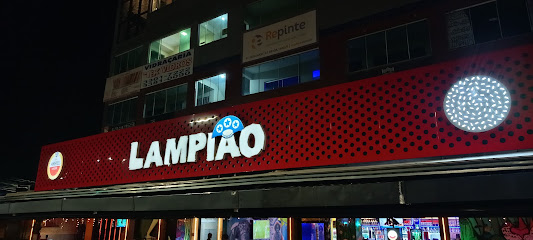
Lampião Gastrobar
Guara II (Polo de Moda)
Lampião Gastrobar in Brasília is an inclusive and welcoming spot for the LGBTQ+ community.
gay-friendly
food
chill
LGBTQ+ Friendly
Sep 2026
 Gay-Friendly Bars & Clubs
(5073)
Gay-Friendly Bars & Clubs
(5073)
Gay Saunas in Brasília
Cruising Areas in Brasília
 Cruising Areas
(8676)
Cruising Areas
(8676)
Parque da Cidade Sarah Kubitschek (Cruising)
Asa Sul
gay
gay-men
outdoor-cr
Verified by GayOut
Sep 2026
Gay-Friendly Hotels in Brasília
View all 5 → Gay-Friendly Hotel
(36)
Gay-Friendly Hotel
(36)
GoldMen Business Hotel Brasília
Gay-Friendly Hotel
An inclusive and welcoming hotel in Brasília, Brazil for LGBTQ+ travelers.
gay-friendly
mixed-lgbtq
gay-popular
LGBTQ+ Friendly
Sep 2026
 Gay-Friendly Hotel
(2848)
Gay-Friendly Hotel
(2848)
B Hotel Brasília
Gay-Friendly Hotel
Experience a welcoming stay at B Hotel Brasília, an inclusive hotel in the heart of Brazil's Federal District.
gay-friendly
wifi
air-conditioning
LGBTQ+ Friendly
Sep 2026
 Gay-Friendly Hotel
(182)
Gay-Friendly Hotel
(182)
Casa Lumen Hotel e Hostel
Gay-Friendly Hotel
Casa Lumen Hotel e Hostel in Brasília offers inclusive and welcoming accommodation for LGBTQ+ travelers.
gay-friendly
card-payments
walk-ins
LGBTQ+ Friendly
Sep 2026
 Gay-Friendly Hotel
(1407)
Gay-Friendly Hotel
(1407)
Joy Hostel
Gay-Friendly Hotel
Joy Hostel in Brasília: An inclusive and welcoming stay for LGBTQ+ travelers in Brazil's capital.
gay-friendly
wifi
card-payments
LGBTQ+ Friendly
Sep 2026
Where to stay in Brasília
via Stay22Where to stay in Brasília
Loading map…
🎟️ Tours & Experiences in Brasília
via GetYourGuideSkip-the-line tickets, walking tours, day trips and unique LGBTQ+ friendly experiences — booked instantly with free cancellation.



- Free cancellation
- Reserve now, pay later
- Mobile tickets
LGBTQ+ Organizations in Brasília
Mega Events in Brasília

Date TBA
MEGA EVENT
Brasília, Brazil
Parada do Orgulho LGBT+ de Brasília
Brasília's pride parade takes on extra significance by happening in the planned capital of Brazil — the city where Congress, the…
More Guides for Brasília
Gay Bars & Clubs in Brasília
Brasília's Vibrant LGBTQ+ Nightlife: A Guide to Gay Bars and Clubs Brasília, Brazil's modernist capital, might be renowned for its striking architecture an
Gay Hotels in Brasília
Brasília's Welcoming Embrace: A Guide to Gay Hotels and the LGBTQ+ Scene Brasília, Brazil's modernist architectural marvel, might not immediately conjure i
Travel Guide
Gay Brasília — Your Complete Guide
Everything worth knowing before you go.
Gay venues
5
LGBTQ+ status
Welcoming
Brasília, Brazil's purpose-built modernist capital, designed by Oscar Niemeyer, has an LGBTQ+ scene that is smaller and more low-key than Rio or São Paulo, but it's genuinely welcoming. As the seat of the federal government, the city sat at the center of Brazil's rights advances: the 2011 recognition of same-sex civil unions and the Supreme Court's 2019 ruling criminalizing homophobia and transphobia were both decided here. Everyday attitudes across the Plano Piloto are relatively progressive, though ordinary big-city caution still applies.
Brasília doesn't have a single "gayborhood." The scene clusters in the central Plano Piloto — the commercial blocks of Asa Sul (South Wing) and the Setor Comercial Sul (SCS), with some spots reaching into Asa Norte and the satellite cities such as Ceilândia and Taguatinga. The addresses worth knowing are the 413 Sul block, the SCS near the Galeria dos Estados, and the CLS 109 Sul stretch.
LAH, on the 413 Sul block in Asa Sul, anchors gay nightlife. It's the city's main gay bar and dance club, pulling a mixed young crowd for karaoke, drag, and a busy weekend dancefloor. Zoom Gay Bar, on the Setor Comercial Sul, reopened in late 2025 as a men's bar-and-cruise spot with a darkroom and private cabins. Bar Beirute — an Arab restaurant-bar on CLS 109 Sul, open since 1966 and the site of a historic 1979 "beijaço" (kiss-in) gay-rights protest — is a bohemian institution that turns queer and mixed by night. Lampião Gastrobar in the Guará Polo de Moda rounds out the friendly options.
For bathhouses, Clube Soho on the Setor Comercial Sul (Asa Sul) is the city's main gay sauna — a central, multi-level dry and steam sauna with a bar and private cabins. Cei Club, a men's sauna club out in Ceilândia, serves the LGBTQ+ crowd of the western satellite towns.
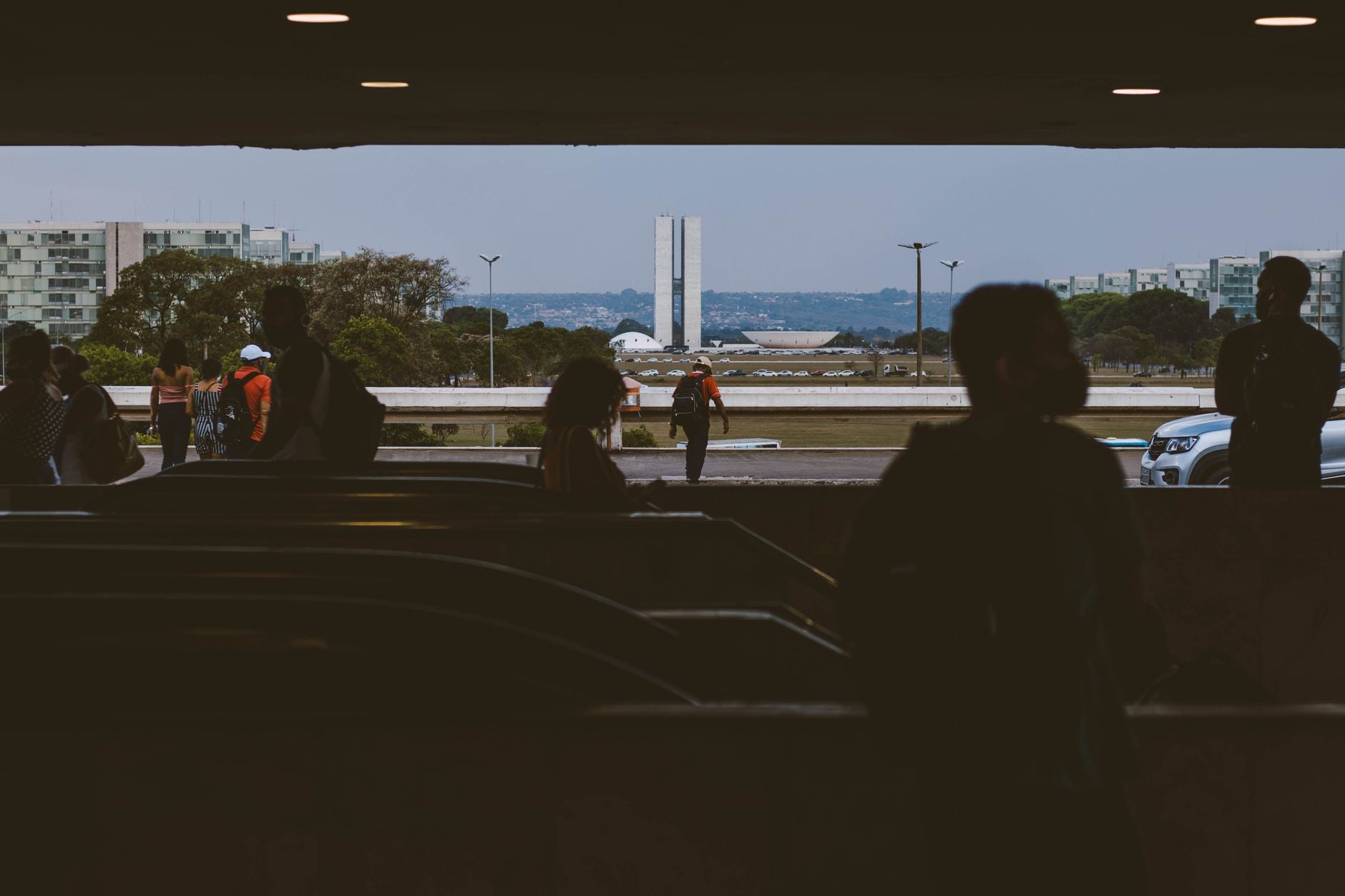
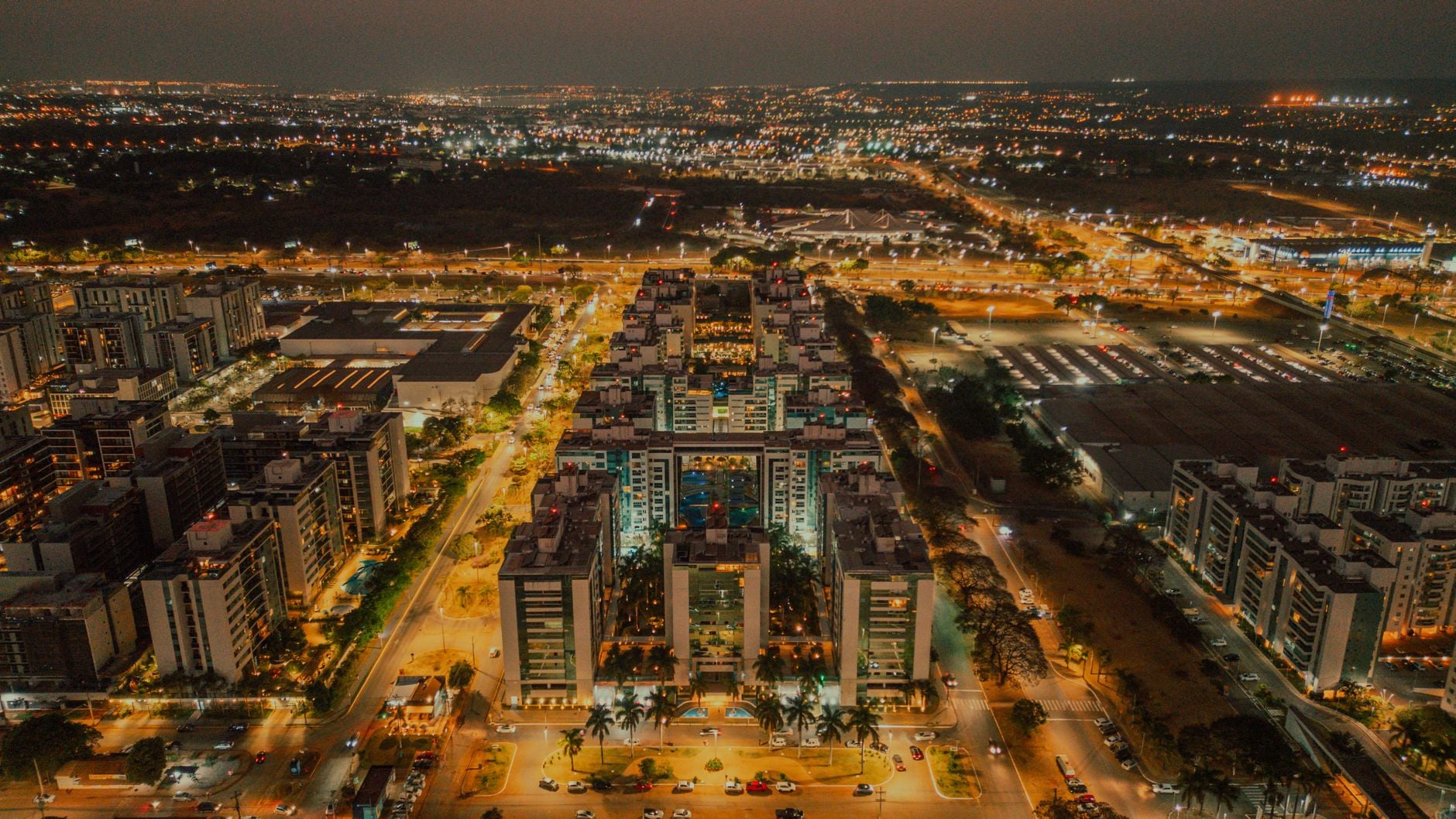
Outdoor cruising (pegação) has long been documented in the wooded areas of the Parque da Cidade Sarah Kubitschek, the vast central park beside the hotel sectors and the Congresso Nacional, mainly after dark. Brazil has marriage equality and the Federal District is comparatively tolerant, but this is a public park — be discreet (public sex acts fall under Brazil's "ato obsceno" law), keep valuables secure, and stay aware of your surroundings.
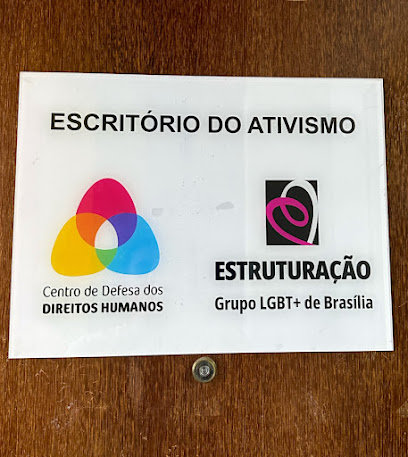
Brasília's Parada do Orgulho LGBT+, organized by the Brasília Orgulho collective, is one of Brazil's oldest Pride marches. It happens in July on the Esplanada dos Ministérios / Eixo Monumental, concentrating in front of the Congresso Nacional before the parade sets off in the afternoon. Separate, smaller parades are held in the satellite cities — the Parada LGBTQIAP+ de Taguatinga runs in September at the Praça do Relógio. The capital's veteran LGBT+ group Estruturação (founded 1994) and the Casa Rosa shelter in Sobradinho are the community's long-standing pillars.
For accommodation, the central hotel sectors (Setor Hoteleiro Sul and Norte) are the most convenient base for reaching restaurants, cultural sites, and the Plano Piloto's venues. The city's hotel infrastructure is modern and professional; book ahead during Pride season and major political events that draw crowds to the capital.
Brasília's public transport combines a bus network and a two-line metro connecting the wings and satellite cities, but the planned layout is built for cars — ride-hailing apps like Uber and 99 are the easiest way to move between venues at night, and taxis are widely available.
The city has excellent dining well beyond the tourist areas. Brazilian churrascarias (barbecue houses) are highly regarded, Asa Sul is full of upscale restaurants and cafés, and casual eating happens everywhere. The food scene is modern and varied rather than specifically LGBTQ+-oriented, so visitors eat where everyone eats.
On safety, Brasília is generally calmer than Rio or Salvador, with lower street crime in the main commercial and residential sectors. LGBTQ+ travelers should apply the same common sense used in any unfamiliar city — stay aware at night, keep expensive items out of sight, and use ride-hailing after dark. Brazil as a nation records anti-LGBTQ+ violence, so read the room, but the Plano Piloto isn't a hostile environment.
Day Trips
Day trips reward those with time: Chapada dos Veadeiros National Park, a few hours north, has dramatic waterfalls, canyons, and hiking. The New-Age town of Alto Paraíso and the crystal-clear rivers around the region make popular escapes from the capital.
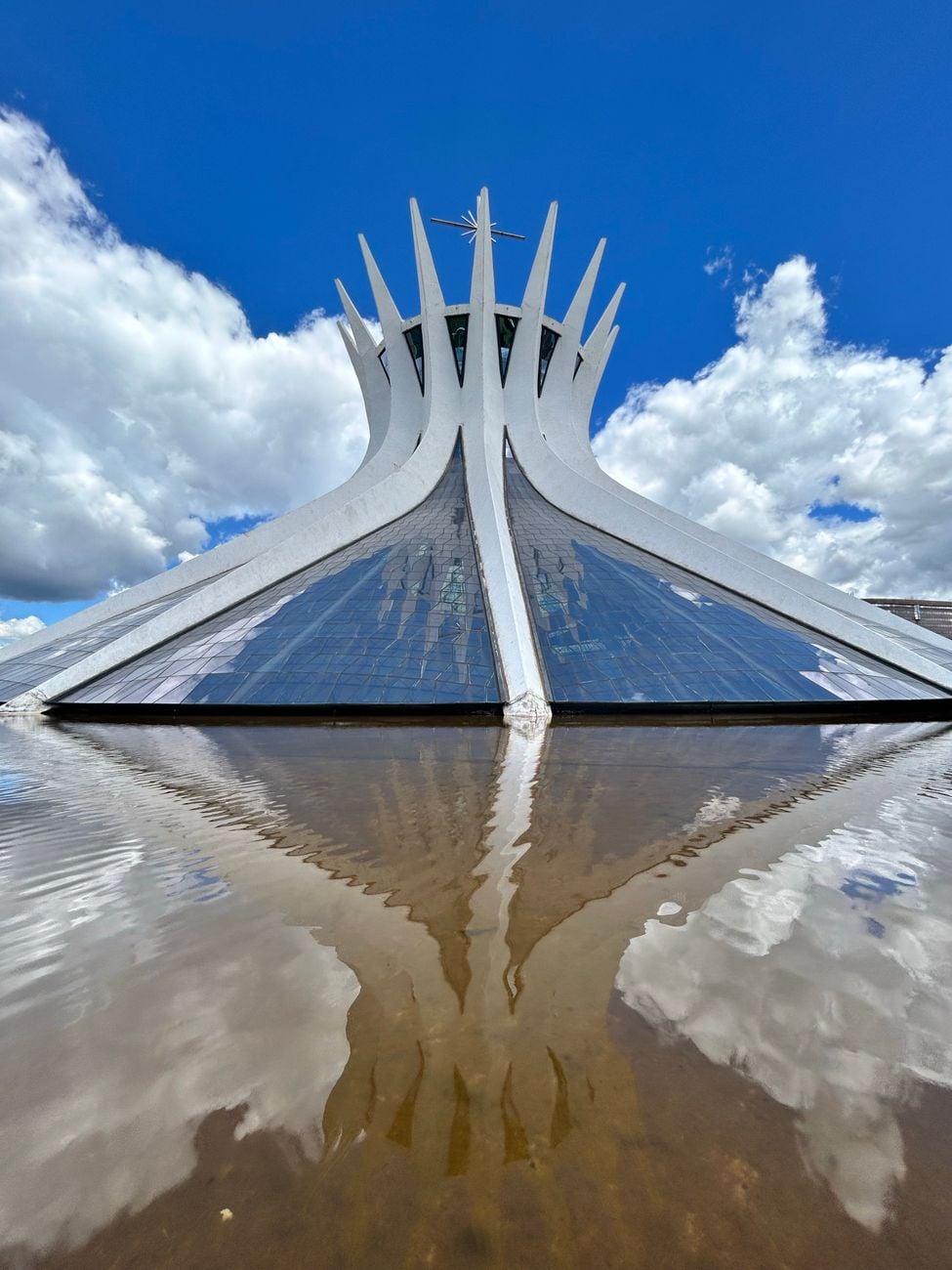
Cultural highlights include the Catedral Metropolitana with its soaring modernist design, the Congresso Nacional and Palácio da Alvorada, the museums of the Monumental Axis, and Niemeyer's civic architecture throughout — sights that appeal to every visitor regardless of orientation.
Brasília rewards travelers who value culture, architecture, and an easygoing, integrated queer scene over high-intensity nightlife. It's a compact but real gay destination, best approached with openness, curiosity, and the same street-smart caution you'd use in any mid-sized Brazilian capital.
Frequently asked questions
Asa Sul is the primary area for gay nightlife, centred on the commercial blocks — the 413 Sul block (home to LAH), the Setor Comercial Sul (SCS), and the CLS 109 Sul stretch. There is no single 'gayborhood'; venues are scattered across the central Plano Piloto, with some spots in the satellite cities of Ceilândia and Taguatinga.
The Asa Sul neighborhood, which is the heart of Brasília's gay scene, is described as safe, well-lit, and heavily foot-trafficked during evening hours. The city's rational grid layout also makes orientation relatively easy.
Brasília's gay nightlife scene is more compact and less formal than in cities like Rio or São Paulo. While venues may not always advertise explicitly as 'gay,' they are known gathering spots within the community, particularly in Asa Sul. Weekend nights, especially Fridays and Saturdays, are the busiest.
Brasília's main LGBTQ+ Pride, the Parada do Orgulho LGBT+ de Brasília, is held in July on the Esplanada dos Ministérios / Eixo Monumental, in front of the Congresso Nacional. Organised by the Brasília Orgulho collective, it is one of Brazil's oldest Pride marches. A separate, smaller Parada LGBTQIAP+ de Taguatinga takes place in September at the Praça do Relógio in the satellite city of Taguatinga.
Brasília's scene is compact but real. The anchors are LAH (the main gay bar and dance club on the 413 Sul block), Zoom Gay Bar on the Setor Comercial Sul, the historic gay-friendly Bar Beirute on 109 Sul, and two men's saunas — Clube Soho (SCS, central) and Cei Club (Ceilândia). Weekend nights, especially Fridays and Saturdays, are busiest.
Yes. There is no dedicated gay hotel district, but central options in the Setor Hoteleiro Sul/Norte — such as B Hotel Brasília, Casa Lumen Hotel e Hostel and Joy Hostel — are welcoming and well placed for the Plano Piloto's venues, restaurants and monuments. Book somewhere central and use ride-hailing to reach the nightlife.
Cities like Brasília
Gay Brasília on YouTube
Videos representative of Brazil

Rio de Janeiro's Gay Scene: Things You MUST Know Before You Go
Know a great venue in Brasília?
Help the community by adding it to our directory — it's free and reviewed within 48 hours.