
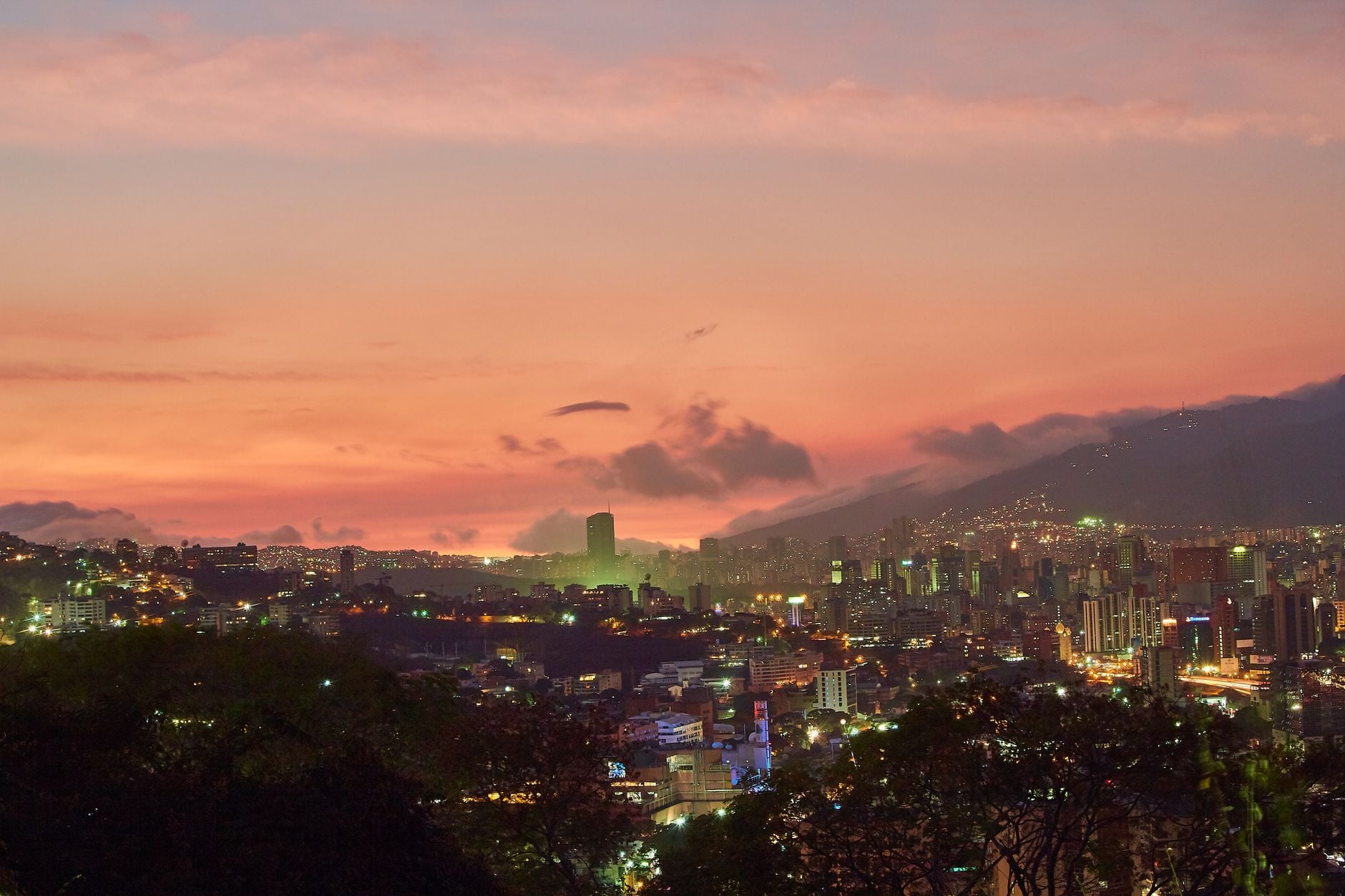
 Gay Bars & Clubs
(5)
Gay Bars & Clubs
(5)

🇻🇪
Gay Caracas
LGBTQ+ Travel Guide & City Directory · Capital District
2,900,000 residents
01:31 GMT-04:00
View on Maps
22°C · Clear
Build a 3-Day Caracas Trip
3 Gay Bars & Clubs
1 Gay Saunas
5 Gay-Friendly Hotels
Never miss a gay event in Caracas
One email a week — the weekend lineup, parties and deals. No spam, unsubscribe anytime.
Weekly event updates. Notifications appear on your lock screen.
On iPhone: first add GayOut to your Home Screen (Share → Add to Home Screen), then open it from there to enable notifications.
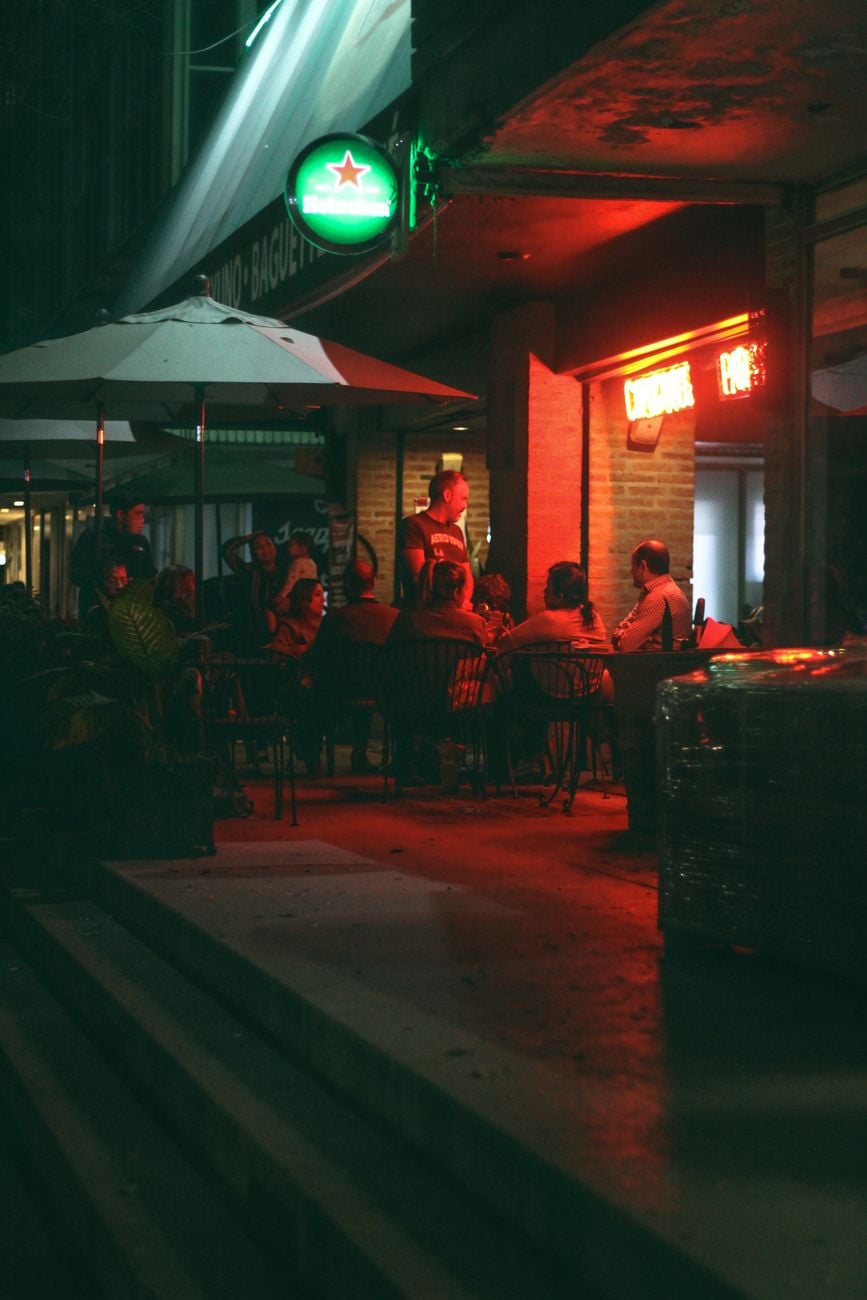
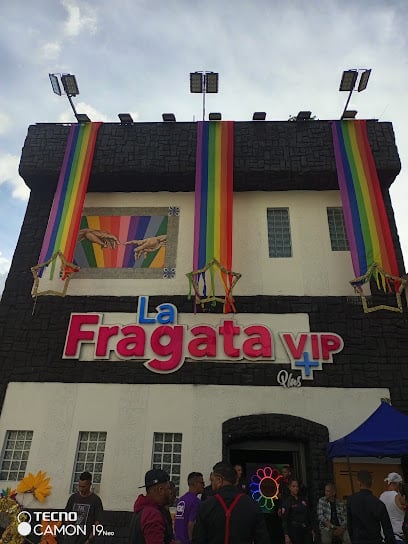
Gay Bars & Clubs in Caracas
Gay Saunas in Caracas
Gay-Friendly Hotels in Caracas
View all 5 →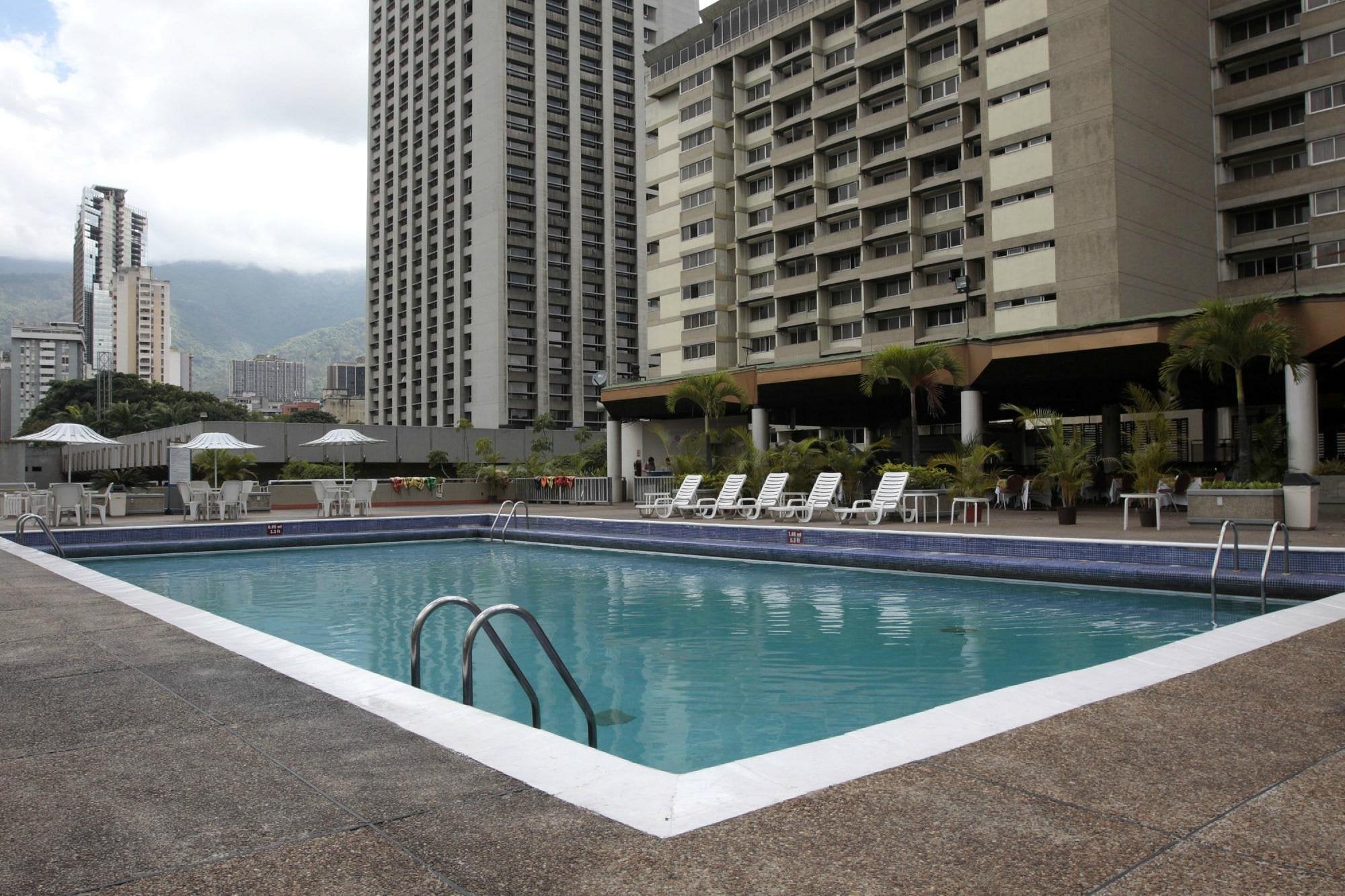 Gay-Friendly Hotel
(2483)
Gay-Friendly Hotel
(2483)
 Gay-Friendly Hotel
(31)
Gay-Friendly Hotel
(31)
Sorokaima hotel
Gay-Friendly Hotel
Sorokaima Hotel in Caracas: An inclusive and welcoming stay for LGBTQ+ travelers in Venezuela's vibrant capital.
gay-friendly
wifi
air-conditioning
LGBTQ+ Friendly
Jun 2026
 Gay-Friendly Hotel
(916)
Gay-Friendly Hotel
(916)
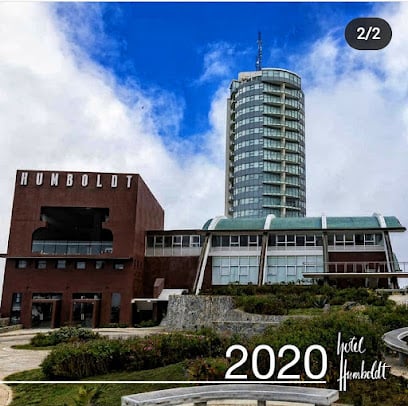
Hotel Humboldt
Gay-Friendly Hotel
Hotel Humboldt in Caracas: A welcoming and inclusive hotel experience in Venezuela's Capital District.
gay-friendly
card-payments
wifi
LGBTQ+ Friendly
Jun 2026
 Gay-Friendly Hotel
(296)
Gay-Friendly Hotel
(296)
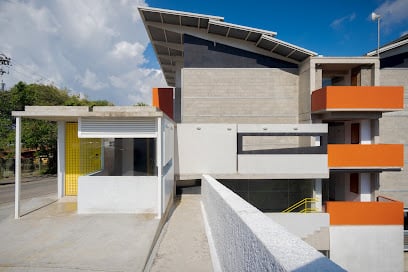
Verticem Space Hotel Boutique Bar Restaurant
Gay-Friendly Hotel
Experience inclusive hospitality at Verticem Space Hotel Boutique Bar Restaurant in Caracas, Venezuela.
food
gay-friendly
reservations
LGBTQ+ Friendly
Jun 2026
Where to stay in Caracas
via Stay22Where to stay in Caracas
Loading map…
🎟️ Tours & Experiences in Caracas
via GetYourGuideSkip-the-line tickets, walking tours, day trips and unique LGBTQ+ friendly experiences — booked instantly with free cancellation.


- Free cancellation
- Reserve now, pay later
- Mobile tickets
Mega Events in Caracas

Date TBA
MEGA EVENT
Caracas, Venezuela
Caracas Pride (Venezuela)
Caracas Pride is Venezuela's main LGBTQ+ march, held each June in the country's capital against a backdrop of serious political…
More Guides for Caracas
Gay Bars & Clubs in Caracas
Caracas Gay Bars & Clubs: A Vibrant LGBTQ+ Scene in Venezuela's Capital Caracas, Venezuela's bustling capital, offers a surprisingly dynamic and welcoming
Gay Hotels in Caracas
Caracas: A Vibrant Hub for LGBTQ+ Travelers Caracas, Venezuela's bustling capital, offers a surprisingly vibrant and welcoming scene for LGBTQ+ travelers.
Gay Saunas in Caracas
Caracas Gay Saunas: A Guide to Relaxation and Connection Caracas, Venezuela's vibrant capital, offers a surprisingly diverse and welcoming scene for LGBTQ+
Travel Guide
Gay Caracas — Your Complete Guide
Everything worth knowing before you go.
Gay venues
2
LGBTQ+ status
Welcoming
In this guide · 12 sections
- Caracas: LGBTQ+ Travel Guide
- Historical Context and Current Landscape
- Neighborhoods and Geography
- Venues and Social Spaces
- Pride and Events
- Accommodation and Getting Around
- Food and Culture
- Safety Considerations
- LGBTQ+ Specific Considerations
- Getting There and Practical Information
- Day Trips and Surrounding Areas
- Conclusion
Caracas: LGBTQ+ Travel Guide
Historical Context and Current Landscape
Caracas previously had a noticeable LGBTQ+ nightlife, particularly from the 1980s to the early 2000s, with venues concentrated in affluent areas. Legal advancements in the early 2000s included recognition of same-sex partnerships and anti-discrimination protections in the 1999 Constitution and labor laws.
However, the country's economic crisis, beginning around 2010 and intensifying after 2013, has altered life in Caracas. Hyperinflation, shortages, and violence have led to significant emigration, including many LGBTQ+ individuals. This has resulted in a substantial contraction of the LGBTQ+ scene, with many established venues closing. Those remaining have focused on personal safety and daily necessities.

Neighborhoods and Geography
Historically, LGBTQ+ social life in Caracas was centered in eastern neighborhoods. Chacao, a wealthy district, and nearby Altamira, a residential area, hosted gay bars and social venues. Las Mercedes, an exclusive commercial and residential zone, also had LGBTQ+ spaces.
Western Caracas, including areas like Catia, is generally not recommended for unfamiliar travelers. Central Caracas and the historic downtown, while containing cultural sites, are also not advised for independent exploration.
Venues and Social Spaces
Current information on operating gay bars and clubs in Caracas is scarce and subject to frequent change due to security and economic conditions. Many long-standing venues have closed. Unlike other major Latin American cities, Caracas does not have readily available, updated directories of LGBTQ+ establishments.
For current information on functioning venues, it is advisable to connect with established LGBTQ+ organizations in Venezuela or seek advice from current residents. Social networks and personal referrals are the primary means for visitors to locate LGBTQ+ social spaces.

Pride and Events
Caracas used to host Pride celebrations, typically in June. However, organized public Pride marches and festivals have become infrequent or nonexistent in recent years due to security concerns and resource limitations. Any LGBTQ+ gatherings that do occur are generally smaller, private, or community-based.
Accommodation and Getting Around
Hotel infrastructure in Caracas has declined. International hotel chains have reduced operations, and tourism services are limited. Most visitors stay in secure hotels in areas like Chacao or Las Mercedes, or with known contacts.
Public transportation, including the Metro, operates inconsistently due to infrastructure issues. Taxis and ride-sharing apps may be available in some areas but are not reliably safe for unfamiliar visitors. Independent movement through much of the city, especially after dark, is generally discouraged.
Find gay-friendly hotels in Caracas, venezuela
Real prices · Free cancellation · Verified bookings

Food and Culture
Caracas retains a rich culinary tradition, though food scarcity and restaurant closures have reduced dining options. Remaining establishments in affluent neighborhoods may offer Venezuelan cuisine, but availability and quality can be inconsistent. Arepas and empanadas remain culturally significant when accessible.
The city has cultural institutions like museums and theaters, but operating hours and accessibility are unpredictable due to resource constraints.
Safety Considerations
Safety is the primary concern for any visitor to Caracas. The city experiences high rates of violent crime, including armed robbery and carjacking, affecting both residents and visitors. Crime rates vary by neighborhood, with eastern areas like Chacao and Altamira generally considered safer than western and central zones, though no area is risk-free.
Government travel advisories from various countries recommend against travel to Venezuela or against all but essential travel. For LGBTQ+ visitors, general crime poses a greater risk than specific LGBTQ+-targeted violence, though discrimination and harassment can occur.

LGBTQ+ Specific Considerations
While legal protections exist for LGBTQ+ people in Venezuela, social attitudes vary. In urban, educated circles, particularly among younger generations in affluent neighborhoods, LGBTQ+ identities are generally more accepted. However, machismo culture remains prevalent, especially in working-class and rural areas. Public displays of affection between same-sex couples may attract unwanted attention.
The Venezuelan LGBTQ+ community has been significantly affected by emigration. Many activists, community leaders, and younger queer individuals have left the country. This has reduced the visibility of organized LGBTQ+ community spaces and events.
Getting There and Practical Information
Simón Bolívar International Airport (CCS) serves Caracas, but flight availability and operations are limited. Many airlines have reduced or eliminated service to Venezuela.
Visa and entry requirements vary by nationality. Travelers should verify current requirements and ensure their documents are in order, as administrative processes can be unreliable.
Medical care faces challenges due to medicine shortages and infrastructure decay. Travelers are strongly advised to obtain travel insurance and to carefully consider the necessity of travel given the risks.

Day Trips and Surrounding Areas
Historically accessible areas near Caracas, such as the Andes mountains and coastal regions, may pose security risks for independent travelers under current conditions.
Conclusion
Caracas does not currently function as a practical or safe LGBTQ+ travel destination in the conventional sense. The city's severe economic and security challenges make it inaccessible to most leisure travelers. LGBTQ+ individuals with compelling reasons to visit, such as family connections or humanitarian work, should do so only after extensive consultation with people currently in the country and their own government's travel advisories. Those seeking vibrant LGBTQ+ scenes and reliable tourist infrastructure should consider other major Latin American cities.
Frequently asked questions
Caracas requires careful consideration of safety and practical constraints. While the city has a documented LGBTQ+ history, contemporary travel necessitates prioritizing safety due to current conditions.
Traditionally, Chacao and Las Mercedes have been primary neighborhoods for LGBTQ+ social life. Altamira is another affluent area that has hosted LGBTQ+-friendly businesses. These areas are considered relatively safer than other parts of Caracas.
The current status of specific LGBTQ+ venues is difficult to verify with confidence due to economic collapse and frequent closures. It is recommended to seek current local guidance through diaspora networks or LGBTQ+ contacts rather than relying on published lists.
Caracas has hosted LGBTQ+ Pride events, typically during June. However, events have been canceled or restricted during periods of political tension, so current scheduling should be verified locally.
Tourist accommodation options have severely contracted. Business travel accommodations in Chacao and Las Mercedes are more likely to be operational than budget options elsewhere. Staying with local contacts is a significantly better option.
Yes, Venezuela's 1999 constitution included sexual orientation protections, positioning the country as relatively progressive on LGBTQ+ legal matters within Latin America.
Cities like Caracas
Gay Caracas on YouTube
Videos representative of Venezuela

PUERTO VALLARTA GAY NIGHTLIFE - Best Gay Bars & Clubs
Know a great venue in Caracas?
Help the community by adding it to our directory — it's free and reviewed within 48 hours.