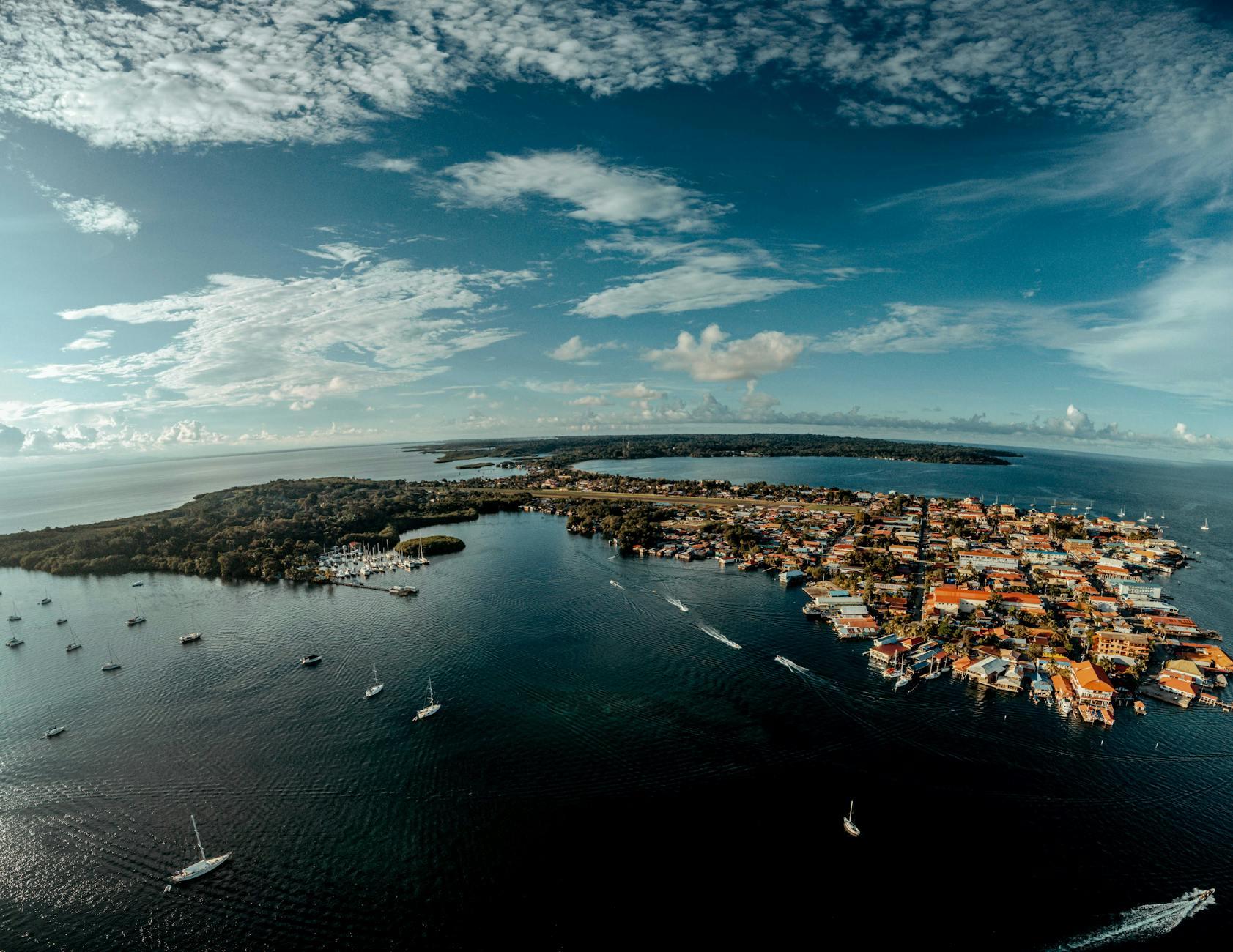
Belize holds a significant place in Central American LGBTQ+ history. In 2016, the country decriminalized same-sex relationships, a landmark achievement following years of activism and legal challenges. This move overturned colonial-era sodomy laws, representing considerable progress in a region where such laws persist in many nations. Belize City, as the nation's largest urban center, is home to its most visible LGBTQ+ community. While modest by international standards, the scene is authentic and growing. It comprises both locals and expatriates, with increasing visibility over the past decade. Social attitudes are more accepting in downtown areas and among younger populations, though conservative views remain in some neighborhoods and rural areas. Overall, Belize City is generally considered more open than many other Central American capitals.
Neighborhoods and Areas
Downtown Belize City serves as the commercial and social heart, concentrating most venues and activities. The area around Albert Street and the waterfront features several bars and restaurants that welcome LGBTQ+ patrons. Fort George, an older colonial neighborhood near the waterfront, offers historical charm with accommodations and dining options. The Southside of Belize City is primarily residential and working-class.
Key Venues and Nightlife
Belize City's LGBTQ+ nightlife is understated compared to larger Caribbean destinations. Historically, venues like Jaguar's Temple Bar and Club Brewski have welcomed queer patrons, but it is advisable to verify current information closer to your travel dates as the venue landscape can change. The city also has mainstream bars and clubs that attract mixed crowds, including LGBTQ+ individuals. The scene often favors smaller gatherings and house parties over large club events. Social media and local LGBTQ+ groups are the primary channels for discovering current events and meetups. For more extensive nightlife, visitors may consider nearby islands like San Pedro on Ambergris Caye, which attracts more international tourists and has a more developed tourism infrastructure.
Pride and Events
Belize City Pride typically takes place in May or June, featuring celebrations, parades, and community gatherings. This event has gained visibility in recent years, mirroring the increasing LGBTQ+ presence nationwide. Other observances include Rainbow Flag Day and community fundraisers. Due to the scene's size, events are usually promoted through social media and local LGBTQ+ networks rather than mainstream tourism channels.
Where to Stay
Accommodations in Belize City range from budget guesthouses to mid-range hotels. Many international visitors opt for the Fort George area or downtown for convenient access to restaurants and attractions. Dedicated LGBTQ+ accommodations are limited. Most mainstream hotels are welcoming. Travelers seeking specific types of accommodations, such as those catering to ecotourism or adventure travelers, may find open-minded proprietors by booking directly and communicating their needs. Many travelers also choose to stay on nearby cayes like Caye Caulker or San Pedro, which offer more developed tourism infrastructure and sometimes more visible LGBTQ+ scenes, using Belize City primarily as a transit point.
Belize City, like many urban centers, faces crime issues unrelated to LGBTQ+ status. Petty theft, robbery, and gang violence are documented concerns, particularly in certain neighborhoods and after dark. Visitors should adhere to standard urban safety practices: avoid walking alone at night, stay in well-trafficked areas, use registered taxis, and secure valuables. Legally, same-sex relationships are decriminalized, offering protection. However, social acceptance varies. Public displays of affection between same-sex couples may attract unwanted attention in some areas, especially outside downtown and away from tourist zones. The LGBTQ+ community is generally discreet but not entirely hidden. Travelers should exercise reasonable discretion while recognizing that Belize is more progressive than many neighboring countries.
Transportation
Belize City is compact and navigable. Philip S. W. Goldson International Airport is located approximately nine miles north of downtown. Taxis and shuttle services are available for airport transfers; using registered taxis or hotel-arranged transportation is recommended. Within the city, taxis are the primary mode of transport for visitors. While public buses exist, they are less convenient for tourists unfamiliar with the routes. The city also serves as a hub for water taxis to the cayes and a departure point for overland buses to other parts of Belize and neighboring countries. Most visitors explore downtown on foot, with taxis being an inexpensive option for longer distances.
Food and Dining
Belizean cuisine is a multicultural blend of Maya, Creole, Spanish, and Caribbean influences. Regional specialties include stew chicken, hudut (fish dumplings), and ceviche. Rice and beans, fried chicken, and seafood are common staples. Fresh tropical fruits and coconut are widely available. Downtown Belize City offers a variety of restaurants, cafes, and street food vendors, many of which welcome diverse clientele. International cuisine is available, though local food is generally more affordable and authentic. Dining options range from casual street vendors to mid-range sit-down establishments.
Day Trips and Nearby Attractions
Belize City's proximity to natural and cultural attractions is a significant advantage. The Belize Barrier Reef, the second-longest in the world, is accessible via day trips to cayes like Caye Caulker or San Pedro, offering snorkeling and diving opportunities. Inland, Mayan ruins such as Xunantunich can be visited by bus or organized tours. The Belize Zoo, located between Belize City and the inland regions, focuses on native wildlife conservation.
Community and Resources
The LGBTQ+ community in Belize City, while small, is organized. Social media platforms, particularly Facebook, host LGBTQ+ groups and event announcements. Information about local events and community resources is often shared through these networks. For the most current information on active venues and gatherings, connecting with locals or checking online resources closer to your travel dates is advisable. Word-of-mouth and local recommendations are frequently the most reliable ways to discover authentic community spaces.
Practical Tips
Learning basic Spanish phrases is helpful, as Spanish is commonly spoken alongside English. The currency is the Belize Dollar (approximately 2 BZD to 1 USD). While credit cards are accepted in many establishments, cash is essential in some areas. The climate is tropical, characterized by heat and humidity, with a rainy season from May to November. Travelers should use insect repellent and consult health resources regarding vaccinations and malaria prevention. Belize City is best experienced as part of a broader trip to Belize, often serving as a transit point or a base for exploring nearby cayes and attractions.
Frequently asked questions
While Belize City is generally considered welcoming, it's important to understand that the country has a conservative national context. While same-sex conduct has been decriminalized, legal protections for LGBTQ+ individuals do not exist. Standard urban safety precautions are advised, especially at night.
The primary district for LGBTQ+ venues and social spaces is Downtown Belize City, centered around Albert Street and the harbor area. This historic commercial heart is where most gay-friendly bars and gathering spots are located.
Belize City has a limited but genuine gay scene. The bar scene centers on a few key establishments known for being welcoming to LGBTQ+ clientele.
Pride celebrations have become increasingly visible since the early 2010s, reflecting growing acceptance in urban areas like Belize City.
The source guide does not mention specific LGBTQ+ hotels. The Fort George area has seen development with hotels and restaurants, but LGBTQ+ venues remain concentrated downtown.
While same-sex conduct was decriminalized by a Supreme Court ruling in 2016, no new legislation explicitly decriminalized same-sex relationships. This means that while people generally live openly, legal protections for employment, housing, and partnership recognition do not exist.
Your privacy choices.
We use cookies to run GayOut and, with your consent, measure usage. Learn more
Your privacy choices
We use cookies to keep GayOut running, remember your preferences, and (with your permission) measure how the site is used. You can accept all, reject all, or pick what you allow. Learn more
Essential
Required for sign-in, fraud prevention, CSRF protection and remembering your language. Cannot be disabled.
Always on
Remembers your favourites, dark mode and other interface preferences across visits.
Helps us understand which pages people visit (Google Analytics, server-side stats) so we can improve.
Used by campaign tracking pixels. None are active right now, reserved for future use.
Install GayOut
Add GayOut to your home screen for faster access, offline favourites, and Pride alerts.


 Gay-Friendly Hotel
(1059)
Gay-Friendly Hotel
(1059)