Same-sex marriage is legal in all states (Supreme Court ruled in 2022 that bans are unconstitutional). Federal anti-discrimination protections exist. Safety varies greatly by region.
Mexico City's Zona Rosa represents one of Latin America's most significant and long-established gay neighborhoods, with a history rooted in the city's broader evolution toward greater LGBTQ+ acceptance and visibility.
Historical Context
Zona Rosa emerged as a gay neighborhood in the 1970s and 1980s, during a period when Mexico City was experiencing urban modernization and demographic shifts. The neighborhood, originally developed as a commercial and residential district in the late 19th century, gradually became an informal LGBTQ+ hub as gay bars and businesses opened to serve the community. Unlike some gay neighborhoods that developed more recently, Zona Rosa's establishment predates widespread internet connectivity and represents an organic gathering of LGBTQ+ people and allies. The neighborhood solidified its identity through decades of community building, cultural events, and the establishment of LGBTQ+-friendly businesses. While Mexico City had underground gay scenes in other areas, Zona Rosa became the visible, established center of gay life in the metropolis.
Geography and Neighborhoods
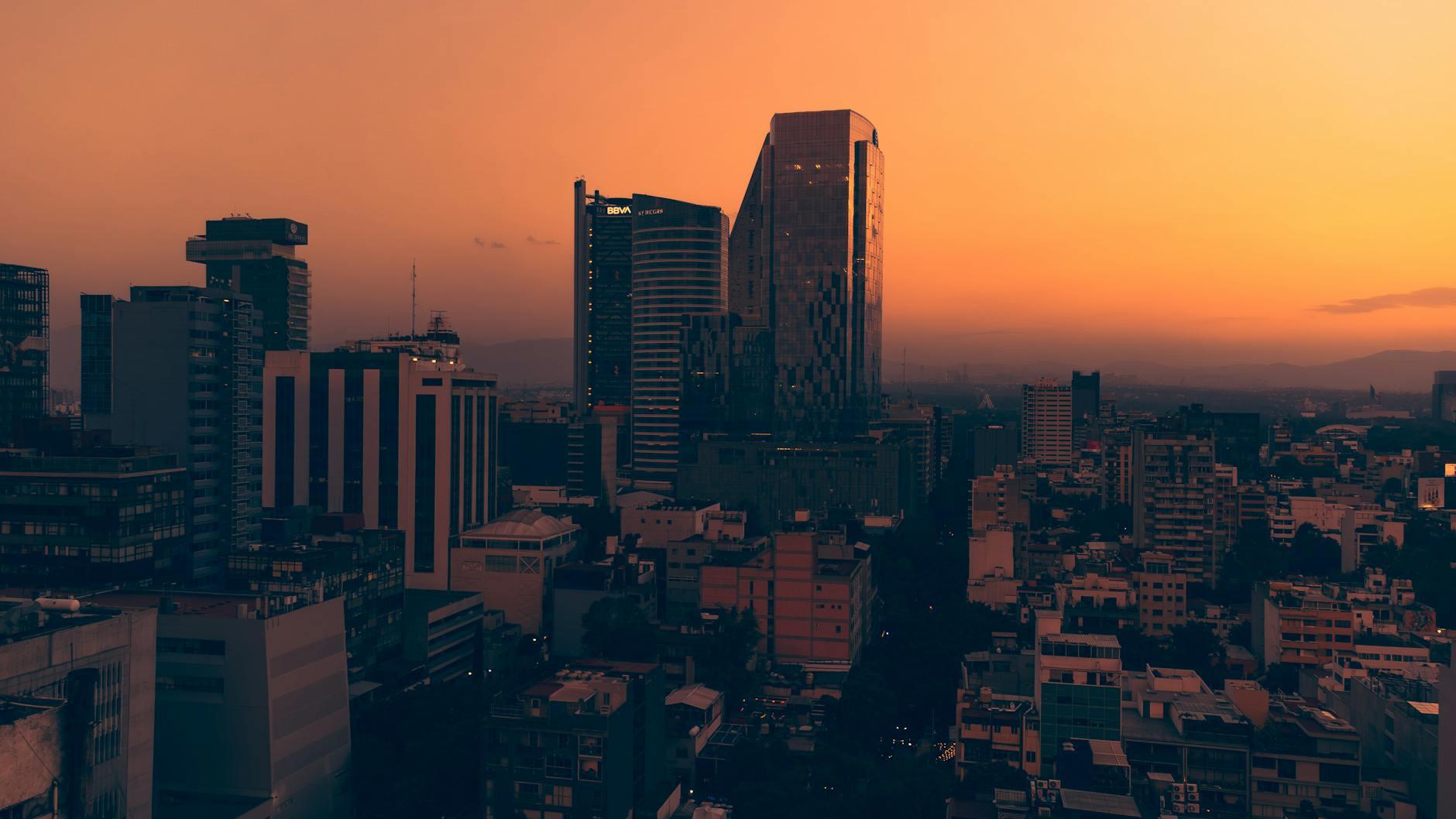
Zona Rosa is bounded roughly by Paseo de la Reforma to the west, Avenida Chapultepec to the south, and other major thoroughfares, encompassing several blocks in the Cuauhtémoc borough. The neighborhood's core gay district centers on Avenida Chapultepec, which has been the traditional heart of gay nightlife and culture. This tree-lined avenue features numerous bars, restaurants, and clubs. The surrounding streets, including smaller avenues and plazas, contain additional venues, hotels, and shops. The neighborhood maintains a mix of residential buildings, commercial spaces, and cultural institutions, giving it a lived-in, urban character rather than a exclusively tourist-oriented feel.
Venues and Nightlife
Zona Rosa's nightlife scene includes numerous bars and clubs serving different interests. Long-established venues include traditional gay bars where locals and visitors mix, as well as dance clubs featuring electronic and Latin music. The neighborhood has hosted venues like Lipstick (a lesbian bar), various mixed dance clubs, and upscale cocktail lounges. Many venues operate on Avenida Chapultepec and surrounding streets. The scene is dynamic, with venues occasionally changing locations or closing, so current information from local sources is advisable. Dance clubs typically feature DJ sets from late evening through dawn, while bars offer a range of atmospheres from intimate lounges to high-energy dance spaces. Live music venues also operate in the area, showcasing local and international artists.
Pride Mexico City, celebrated in June, is one of Latin America's largest Pride celebrations. The event includes a major parade through central Mexico City, with significant festivities in and around Zona Rosa. The parade typically draws hundreds of thousands of participants and supporters. Beyond Pride, Zona Rosa hosts various cultural events, art exhibitions, and community gatherings throughout the year. Many venues hold themed nights and special events catering to different interests within the LGBTQ+ community.
Where to Stay
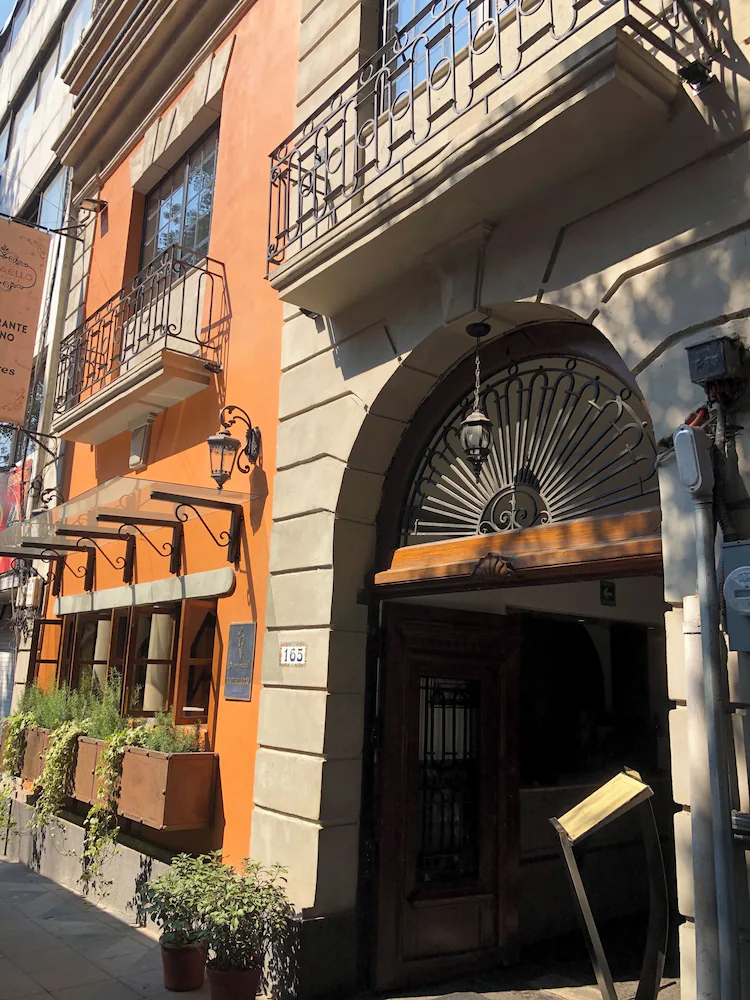
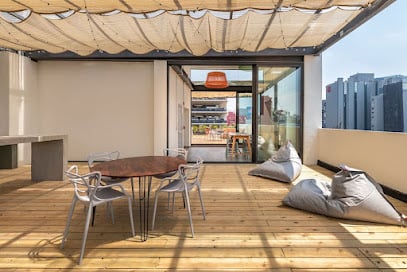
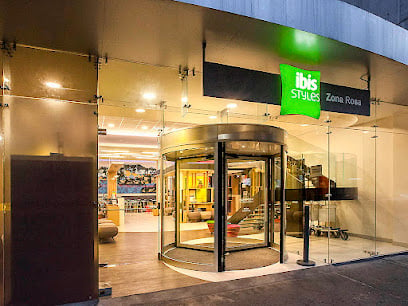
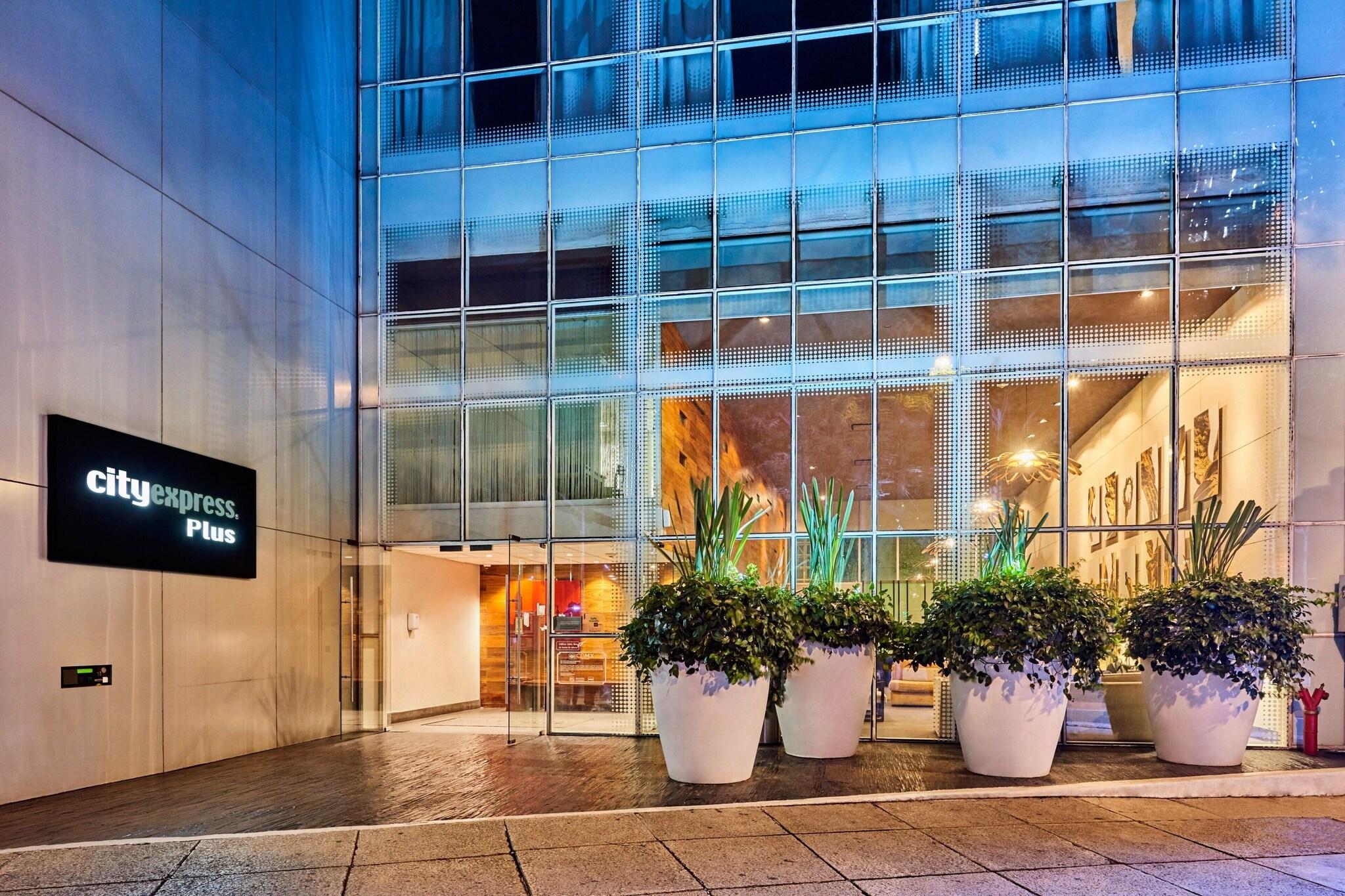
Zona Rosa contains multiple hotels catering to LGBTQ+ travelers. Options range from luxury properties to mid-range boutique hotels and budget accommodations. Many hotels in and near Zona Rosa are actively marketed to LGBTQ+ clientele and offer welcoming environments. The neighborhood's central location makes it convenient for exploring Mexico City's museums, galleries, restaurants, and other attractions. Staying in Zona Rosa provides easy access to the gay scene while maintaining proximity to other major destinations.
Beyond nightlife, Zona Rosa offers diverse dining options reflecting Mexico City's status as a culinary destination. Restaurants range from casual taquerias to upscale fine dining establishments. Many LGBTQ+-owned restaurants and cafes operate throughout the neighborhood. The area also contains galleries, bookstores, and cultural spaces. Mexico City's world-class museums, including the Museo de Antropología and Museo de Arte Moderno, are accessible via public transit or short taxi rides from Zona Rosa.
Transportation
Zona Rosa is well-served by Mexico City's metro system. Multiple metro stations provide access to the neighborhood, with direct connections to other parts of the city. Buses also serve the area extensively. Taxis and ride-sharing apps operate throughout Mexico City and provide convenient transportation, though metro and bus transit are economical alternatives. The neighborhood itself is walkable, with most gay venues and shops within walking distance of one another.
Safety and Practical Considerations
Mexico City is generally safe for LGBTQ+ travelers, with Zona Rosa being a well-established, relatively affluent neighborhood with significant police and security presence due to its commercial importance. However, visitors should exercise standard urban precautions as in any major city: avoiding displays of excessive wealth, being aware of surroundings, and using registered taxis or ride-sharing apps rather than hailing cabs on the street. The LGBTQ+ community in Mexico City has achieved significant visibility and legal protections, though discrimination and violence against LGBTQ+ people does occur in Mexico more broadly. Zona Rosa specifically has a long history of LGBTQ+ presence and acceptance.
Language and Communication
While Spanish is the primary language, many businesses in Zona Rosa catering to tourists employ English-speaking staff. Learning basic Spanish phrases enhances the experience and is appreciated by locals. English-language resources about the gay scene are available online.
Day Trips and Extended Exploration
From Zona Rosa, visitors can access Mexico City's broader attractions. The historic city center, Coyoacán district, Xochimilco's floating gardens, and other neighborhoods are accessible via public transit. Pyramid sites like Teotihuacán lie outside the city but are reachable as day trips.
Cultural Context
Mexico City's LGBTQ+ community has become increasingly visible and politically active over recent decades. Same-sex marriage has been legal in Mexico City since 2009, and the city has adopted progressive anti-discrimination laws. This legal framework, combined with the city's large, diverse population and cosmopolitan character, has created an environment where Zona Rosa can thrive as an openly gay neighborhood. However, societal attitudes vary across Mexico, and visitors should be aware of broader cultural context while enjoying the relative openness of Mexico City.
Frequently asked questions
Mexico City is considered progressive regarding LGBTQ+ rights, and Zona Rosa is an openly gay neighborhood. However, like all of Mexico, there are some safety concerns in certain areas.
The main gay-oriented streets in Zona Rosa include Avenida Amberes, Calle Génova, and the surrounding blocks. The neighborhood is walkable and has a mix of residential, commercial, and dining spaces.
Dady'O is a famous gay nightclub known for its multi-level dance floors and top DJs, typically packed on Friday and Saturday nights. New York New York is another prominent dance club offering a similar high-energy experience.
Yes, the nearby neighborhoods of Juárez and Roma are increasingly LGBTQ+-friendly with younger crowds and alternative venues. Condesa also has gay-friendly bars and restaurants.
Mexico City legalized same-sex marriage in 2009, making it one of the first jurisdictions in the Americas to do so. While the guide doesn't specify Pride dates, the legal framework supports a visible gay community.
Zona Rosa offers a range of nightlife, from high-energy dance clubs like Dady'O and New York New York to more casual venues like Chiches Café for daytime and early evening socializing.
Your privacy choices.
We use cookies to run GayOut and, with your consent, measure usage. Learn more
Your privacy choices
We use cookies to keep GayOut running, remember your preferences, and (with your permission) measure how the site is used. You can accept all, reject all, or pick what you allow. Learn more
Essential
Required for sign-in, fraud prevention, CSRF protection and remembering your language. Cannot be disabled.
Always on
Remembers your favourites, dark mode and other interface preferences across visits.
Helps us understand which pages people visit (Google Analytics, server-side stats) so we can improve.
Used by campaign tracking pixels. None are active right now, reserved for future use.
Install GayOut
Add GayOut to your home screen for faster access, offline favourites, and Pride alerts.



 Gay-Friendly Bars & Clubs