Marriage equality since Obergefell v. Hodges (26 June 2015). The Respect for Marriage Act (December 2022) provides a congressional floor, requiring federal recognition of all valid same-sex and interracial marriages regardless of future Supreme Court rulings. Bostock v. Clayton County (2020) held that Title VII of the Civil Rights Act prohibits employment discrimination on the basis of sexual orientation and gender identity. No comprehensive federal anti-discrimination law in housing or public…
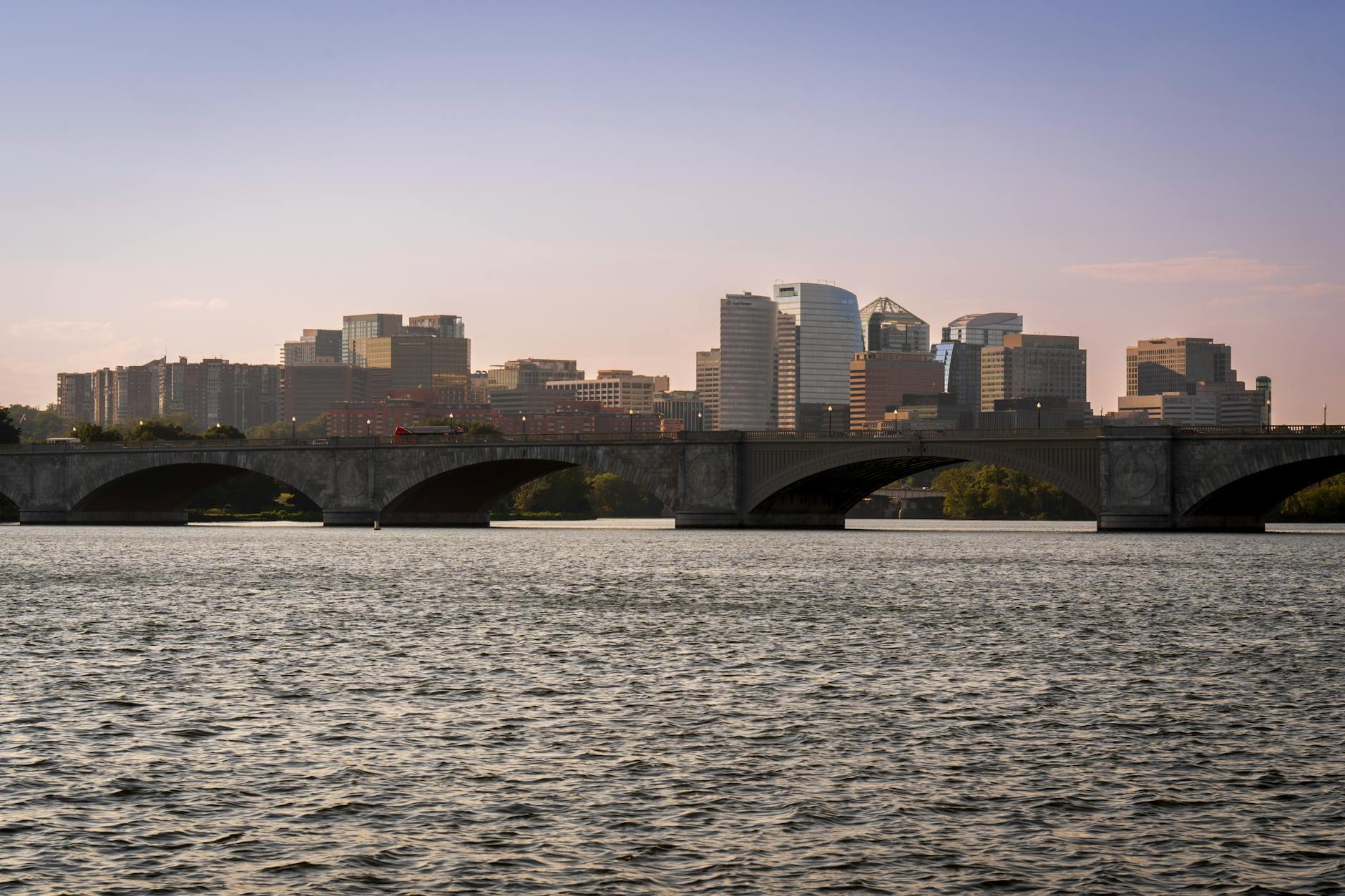
Arlington has quietly become one of the most LGBTQ+-friendly communities in Northern Virginia, offering a blend of progressive values, community-centered events, and convenient access to Washington D.C.'s larger gay scene. While Arlington doesn't have a concentrated gay district like some major metropolitan areas, its integrated and welcoming character, combined with excellent transit connections, makes it an increasingly popular destination for LGBTQ+ travelers.
History and Community
Arlington's LGBTQ+ community has grown significantly over the past two decades as the county became increasingly progressive and diverse. The city government has been notably supportive of LGBTQ+ rights and non-discrimination protections. Unlike Washington D.C., which has long had an established gay culture and nightlife scene, Arlington's LGBTQ+ presence is more woven into the fabric of everyday community life—in local businesses, restaurants, cultural institutions, and residential neighborhoods. This has created a welcoming environment where LGBTQ+ people and allies live and socialize throughout the city rather than concentrated in one area.
Neighborhoods
Clarendon has emerged as Arlington's most LGBTQ+-visible neighborhood, located along the Orange and Silver Metro lines. This area features diverse dining options, bars, retail shops, and a strong sense of community. The neighborhood hosts street festivals and events throughout the year and maintains a vibrant, progressive character. Many LGBTQ+ residents and visitors gravitate toward Clarendon for its walkability, nightlife, and inclusive atmosphere.
Downtown Arlington, centered around Wilson Boulevard and the Rosslyn area near the waterfront, offers additional dining, shopping, and entertainment options. This district continues to develop with new restaurants, galleries, and cultural venues. The Ballston neighborhood, also served by Metro, provides more residential character while maintaining good access to nightlife and dining.
The Rosslyn waterfront area offers parks and recreational opportunities and has become increasingly popular with younger residents and visitors seeking outdoor activities combined with urban amenities.
Venues and Nightlife
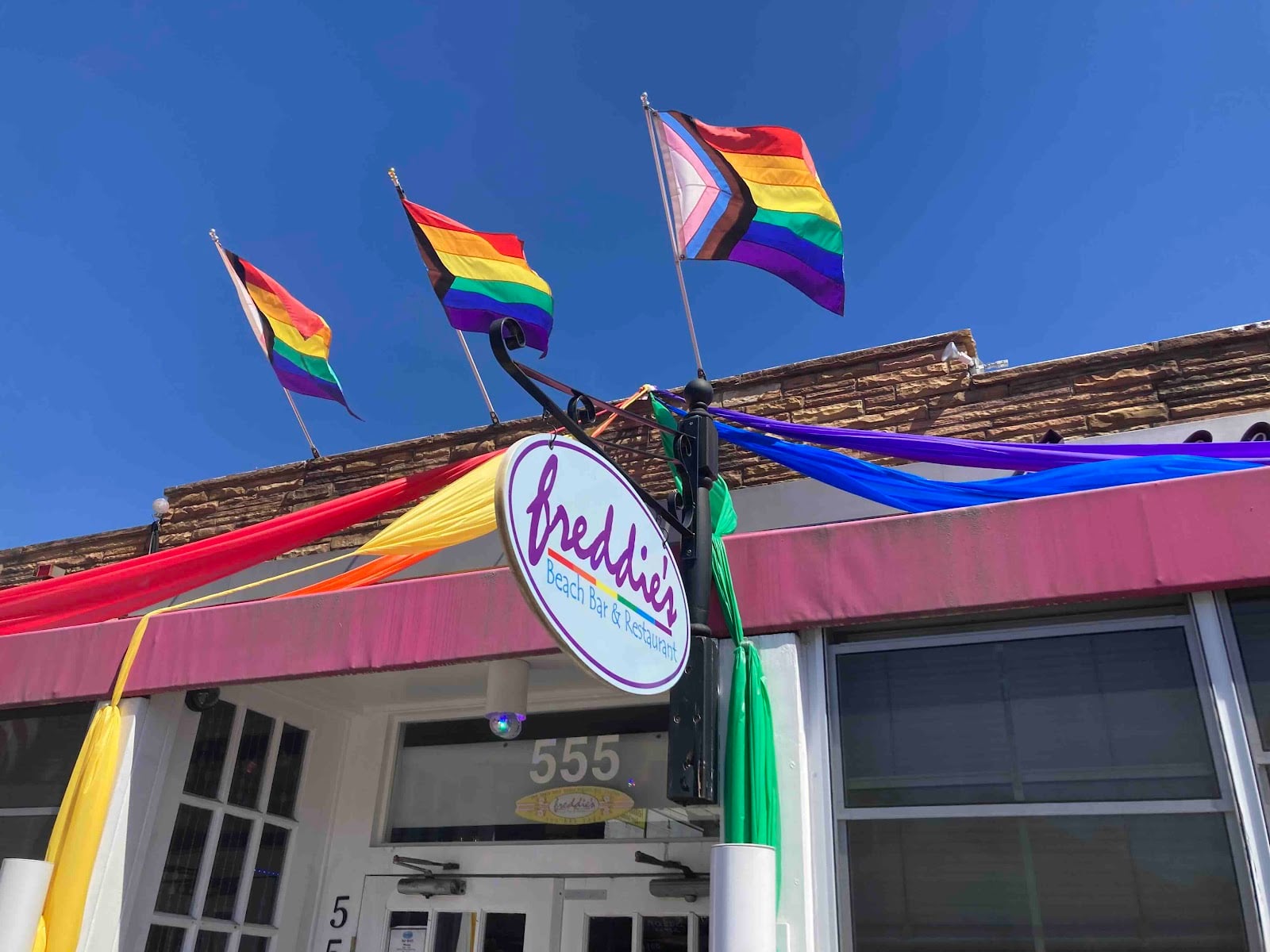
While Arlington doesn't have large dedicated gay nightclubs, the county's one dedicated gay venue is Freddie's Beach Bar & Restaurant (555 23rd Street S), a beloved beach-and-tiki themed gay bar and restaurant in the Crystal City / National Landing area that has been Northern Virginia's premier LGBTQ+ nightspot since 2001. Freddie's is famous for its drag shows, drag bingo, karaoke and weekend drag brunch, drawing a warm mix of longtime regulars, LGBTQ+ families, allies and visitors. Beyond Freddie's, LGBTQ+ social life in Arlington is woven into welcoming neighborhood bars and restaurants in Clarendon, Ballston and Crystal City rather than concentrated in a single gay district.
For travelers seeking more extensive gay nightlife—including dedicated gay clubs, dance venues, and larger cruising scenes—Washington D.C. is easily accessible via Metro (typically 20-30 minutes from central Arlington). D.C.'s Dupont Circle and Logan Circle neighborhoods have long been established gay hubs with numerous bars, clubs, and bathhouses. This proximity is one of Arlington's key advantages for LGBTQ+ travelers: access to a major gay scene without the higher costs and intensity of staying in D.C. itself.
Arlington's own Pride celebration is the Penrose Pride Parade, organized each June by Equality Arlington in the Penrose neighborhood of South Arlington - a community-focused neighborhood parade and gathering with local LGBTQ+ organizations, families, neighbors and allies. Regionally, NOVA Pride produces the larger Northern Virginia PrideFest each fall at Bull Run Regional Park, and the massive DC Capital Pride is a short Metro ride across the Potomac each June. These events celebrate the Arlington community's diversity and inclusivity. It's smaller and more community-focused than major metropolitan Pride celebrations but offers authentic local character.
Beyond Pride, Arlington hosts various community events throughout the year. The city's LGBTQ+ organizations Equality Arlington and Equality NoVa (founded in 1981 as the Arlington Gay & Lesbian Alliance, the oldest LGBTQ+ group in Virginia) run programming, advocacy, support and social events throughout the year. Arlington does not have its own standalone LGBTQ+ community center; the nearest is The DC Center across the river in Washington, D.C.
Where to Stay
Arlington offers numerous hotel options across different price ranges. The city has no exclusively LGBTQ+ hotels, but major chains and independent properties throughout Arlington welcome all guests. Hotels near Metro stations (Clarendon, Ballston, Arlington stations) offer convenient access to transit, dining, and nightlife.
For travelers seeking to be in the most LGBTQ+-visible area, the Clarendon neighborhood offers convenient hotel access along with nearby bars, restaurants, and shops. The Rosslyn waterfront area provides a quieter, more resort-like atmosphere while maintaining good Metro access to other parts of Arlington and D.C.
Short-term rentals through platforms like Airbnb are widely available throughout Arlington and often provide better value, particularly for longer stays or groups.
Arlington is exceptionally well-served by the Washington Metropolitan Transit Authority (WMATA) Metro system. The Orange, Silver, and Blue lines run through Arlington, providing reliable, safe transit throughout the city and direct connections to Washington D.C., Reagan National Airport, and surrounding areas. Buses supplement rail service comprehensively.
The city is highly walkable, particularly in Clarendon, Downtown Arlington, and Ballston. Most residents and visitors navigate primarily on foot or via Metro without needing a car.
Reagan National Airport (DCA) is just across the Potomac in D.C. and easily accessible via Metro. Dulles International Airport is further out but also accessible via Metro's Silver line.
Food and Dining
Arlington has developed a strong restaurant scene with exceptional diversity. The Clarendon neighborhood particularly offers numerous dining options ranging from casual to upscale. Thai, Vietnamese, Japanese, Mediterranean, and American restaurants proliferate throughout the city. Many restaurant owners and staff are LGBTQ+ identified or allies, creating a welcoming dining atmosphere.
Safety and Practical Considerations
Arlington is generally a safe city with lower crime rates compared to many major metropolitan areas. LGBTQ+ visitors should experience no particular safety concerns and will find the community and local government supportive. Non-discrimination protections are strong in Arlington and Virginia has statewide non-discrimination protections in employment and public accommodations.
Solo LGBTQ+ travelers will find Arlington welcoming and navigable. The city's progressive character and strong police community relations create a secure environment. Standard urban safety practices (avoiding isolated areas late at night, being aware of surroundings) apply, but Arlington does not present heightened safety concerns for LGBTQ+ visitors.
Day Trips and Regional Exploration
Washington D.C. is the obvious adjacent destination. The National Mall, Smithsonian museums, monuments, and D.C.'s larger LGBTQ+ scene are readily accessible via Metro. The Dupont Circle neighborhood in particular offers historic gay bathhouses, bars, and community institutions.
Virginia's Blue Ridge Mountains and Shenandoah National Park are within 90 minutes to two hours driving and offer outdoor recreation. Northern Virginia's wine country near Middleburg provides scenic rural experiences.
Practical Travel Tips
Metro operates with a smart card system (WMATA SmarTrip) that can be purchased at stations. Day passes and multi-day passes offer value for visitors. The Metro is safe, generally clean, and efficient, though occasional delays occur.
Arlington's weather varies seasonally—summers are warm and humid (70s-90s F), winters cool (30s-50s F), spring and fall pleasant (50s-70s F). May-October generally offers the best weather for outdoor activities.
Many Arlington restaurants and bars are clustered in Clarendon and Downtown, making evening explorations convenient via Metro or short walks.
Conclusion
Arlington offers LGBTQ+ travelers a welcoming, progressive community with excellent amenities, strong transit access, and an easy gateway to Washington D.C.'s larger gay scene. The city's integration of LGBTQ+ life throughout its neighborhoods, rather than concentration in one area, reflects Arlington's inclusive character. For visitors seeking a relaxed, community-oriented experience combined with access to a major metropolitan gay scene, Arlington provides an excellent home base.
Frequently asked questions
Arlington County has robust anti-discrimination protections and consistently ranks among America's most LGBTQ+-friendly communities, with visible community support.
Clarendon is described as the heart of Arlington's most walkable district with a young, progressive vibe and many LGBTQ+ residents. Court House is also a walkable neighborhood with a community feel, popular with LGBTQ+ families.
Arlington's gay nightlife centers on Freddie's Beach Bar & Restaurant (555 23rd St S) in the Crystal City / National Landing area - Northern Virginia's only dedicated gay bar, open since 2001 and known for drag shows, karaoke and weekend drag brunch. For a wider choice of gay clubs and dance venues, Washington, D.C.'s Dupont Circle and Logan Circle are 20-30 minutes away by Metro.
Yes. Arlington's own Pride is the Penrose Pride Parade, held each June in the Penrose neighborhood and organized by Equality Arlington. Regionally, NOVA Pride produces the larger Northern Virginia PrideFest each fall at Bull Run Regional Park, and DC Capital Pride (June) is a short Metro ride across the Potomac.
Arlington's gay nightlife is more limited than D.C.'s, reflecting its suburban character. Arlington residents and visitors frequently take the Metro into Washington, D.C., which has significantly more dedicated venues.
Arlington has no exclusively LGBTQ+ hotels, but the county's welcoming chain hotels make a convenient base. LGBTQ+ visitors often stay in the Crystal City / National Landing area (walking distance to Freddie's Beach Bar) or in Rosslyn, both with easy Metro access to Washington, D.C. Properties near Metro stations make it simple to reach both Arlington and the city's larger gay scene.
Your privacy choices.
We use cookies to run GayOut and, with your consent, measure usage. Learn more
Your privacy choices
We use cookies to keep GayOut running, remember your preferences, and (with your permission) measure how the site is used. You can accept all, reject all, or pick what you allow. Learn more
Essential
Required for sign-in, fraud prevention, CSRF protection and remembering your language. Cannot be disabled.
Always on
Remembers your favourites, dark mode and other interface preferences across visits.
Helps us understand which pages people visit (Google Analytics, server-side stats) so we can improve.
Used by campaign tracking pixels. None are active right now, reserved for future use.
Install GayOut
Add GayOut to your home screen for faster access, offline favourites, and Pride alerts.






 Gay Bars & Clubs
Featured
(792)
Gay Bars & Clubs
Featured
(792)





