Marriage equality since Obergefell v. Hodges (26 June 2015). The Respect for Marriage Act (December 2022) provides a congressional floor, requiring federal recognition of all valid same-sex and interracial marriages regardless of future Supreme Court rulings. Bostock v. Clayton County (2020) held that Title VII of the Civil Rights Act prohibits employment discrimination on the basis of sexual orientation and gender identity. No comprehensive federal anti-discrimination law in housing or public…
Fort Myers, located in Lee County on Florida's southwestern Gulf Coast, has become an increasingly welcoming destination for LGBTQ+ travelers seeking a more relaxed alternative to Miami or Tampa. While the city lacks the concentrated gay district found in larger Florida metros, it offers authentic Gulf Coast charm, beautiful natural environments, and a genuine sense of community among its LGBTQ+ population.
History of the LGBTQ+ Scene
Fort Myers has historically been more conservative than South Florida's major urban centers, but this has shifted substantially over the past two decades. The LGBTQ+ community here has grown gradually alongside the city's overall development, with increasing visibility in business, culture, and civic life. Pride celebrations have become increasingly prominent, and local LGBTQ+ organizations now actively engage in community building and advocacy. The city's relatively affordable cost of living compared to Miami has also attracted LGBTQ+ residents and business owners seeking to establish themselves in Florida.
Neighborhoods and Areas
The River District downtown is the primary cultural and entertainment hub, featuring historic brick buildings converted into galleries, restaurants, and shops. This walkable area hosts Art Walk events and attracts a diverse, progressive crowd. The area around Central Avenue and First Street has seen significant revitalization and increasingly welcomes LGBTQ+ visitors and residents.
The Beach areas, particularly near Fort Myers Beach and the barrier islands, offer more traditional resort settings with vacation rentals and hotels catering to various demographics. Sanibel Island and Captiva Island to the south are upscale beach communities with LGBTQ+-friendly accommodations and restaurants.
The Lehigh Acres area represents the broader residential community where many full-time LGBTQ+ residents have established homes and families.
Venues and Social Spaces
Fort Myers' LGBTQ+ venue scene is smaller than major Florida cities but continues to develop. The downtown River District hosts several LGBTQ+-friendly bars and restaurants where locals and visitors mingle. While traditional gay bars have fluctuated in presence, the city maintains social spaces where the community gathers.
The Patio Restaurant & Bar has been a recognizable gathering spot in downtown, and various restaurants throughout the city actively welcome LGBTQ+ patrons. Coffee shops and cafes in the River District serve as informal community spaces.
For dining, the River District offers farm-to-table restaurants, ethnic cuisine, and casual eateries. The nearby Gulf Coast provides fresh seafood at waterfront establishments. Many restaurants are independently owned and operate with genuine welcome toward LGBTQ+ guests.
Pride and Events
Fort Myers Pride typically occurs in June and has grown significantly in recent years. The celebration includes a Pride Festival in downtown, often featuring live entertainment, vendor booths, community organizations, and a parade. Events typically concentrate in the River District, drawing hundreds to over a thousand participants depending on the year.
Beyond Pride, the city hosts Art Walk events monthly in the River District, attracting a mixed crowd of creative and progressive community members. Various LGBTQ+ organizations host social events, community dinners, and fundraisers throughout the year.
Where to Stay
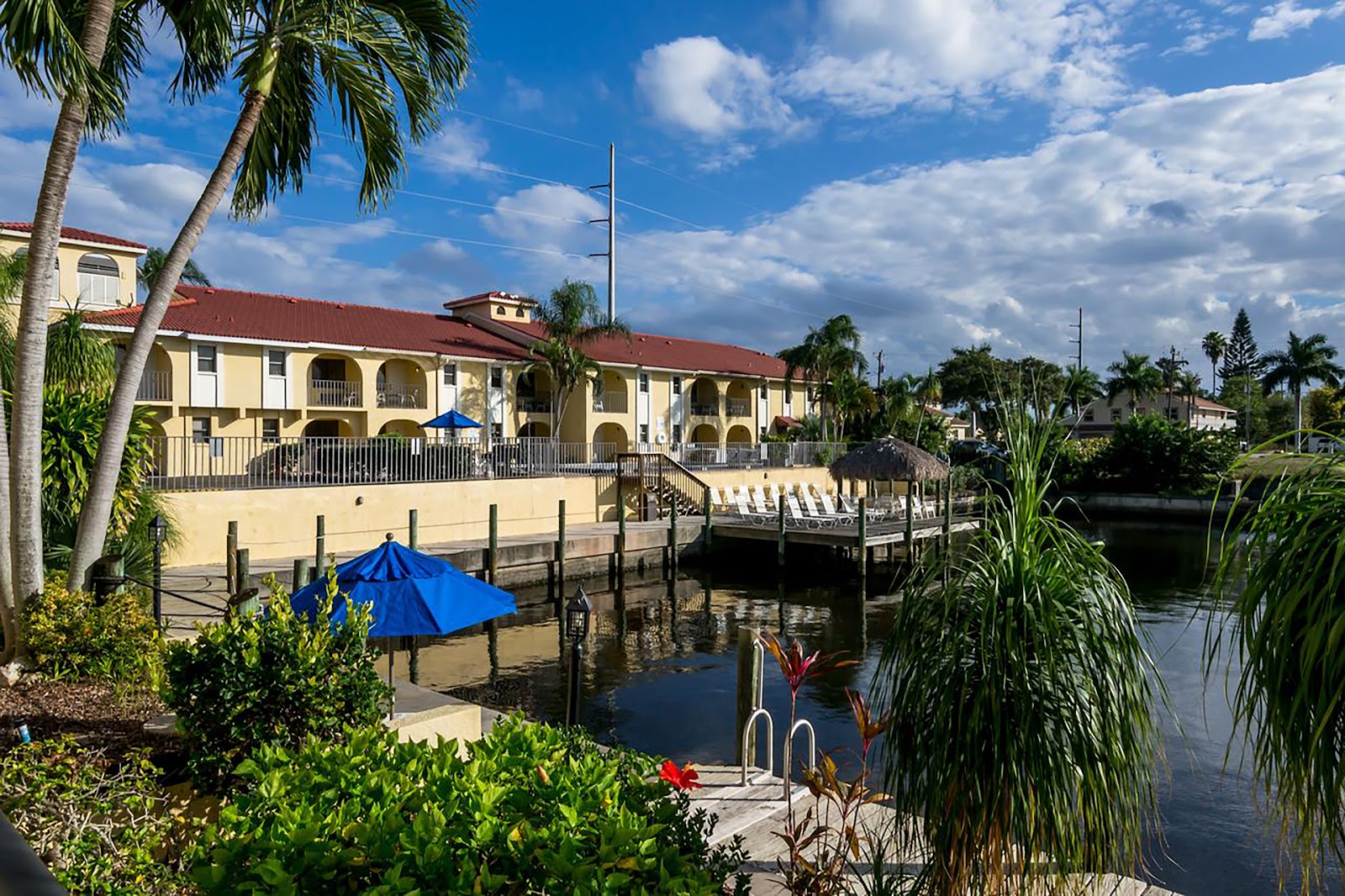
Downtown Fort Myers offers boutique hotels and modern accommodations within walking distance of restaurants and galleries. The Riverside Hotel and similar properties in the historic downtown area provide convenient access to cultural venues and social spaces.
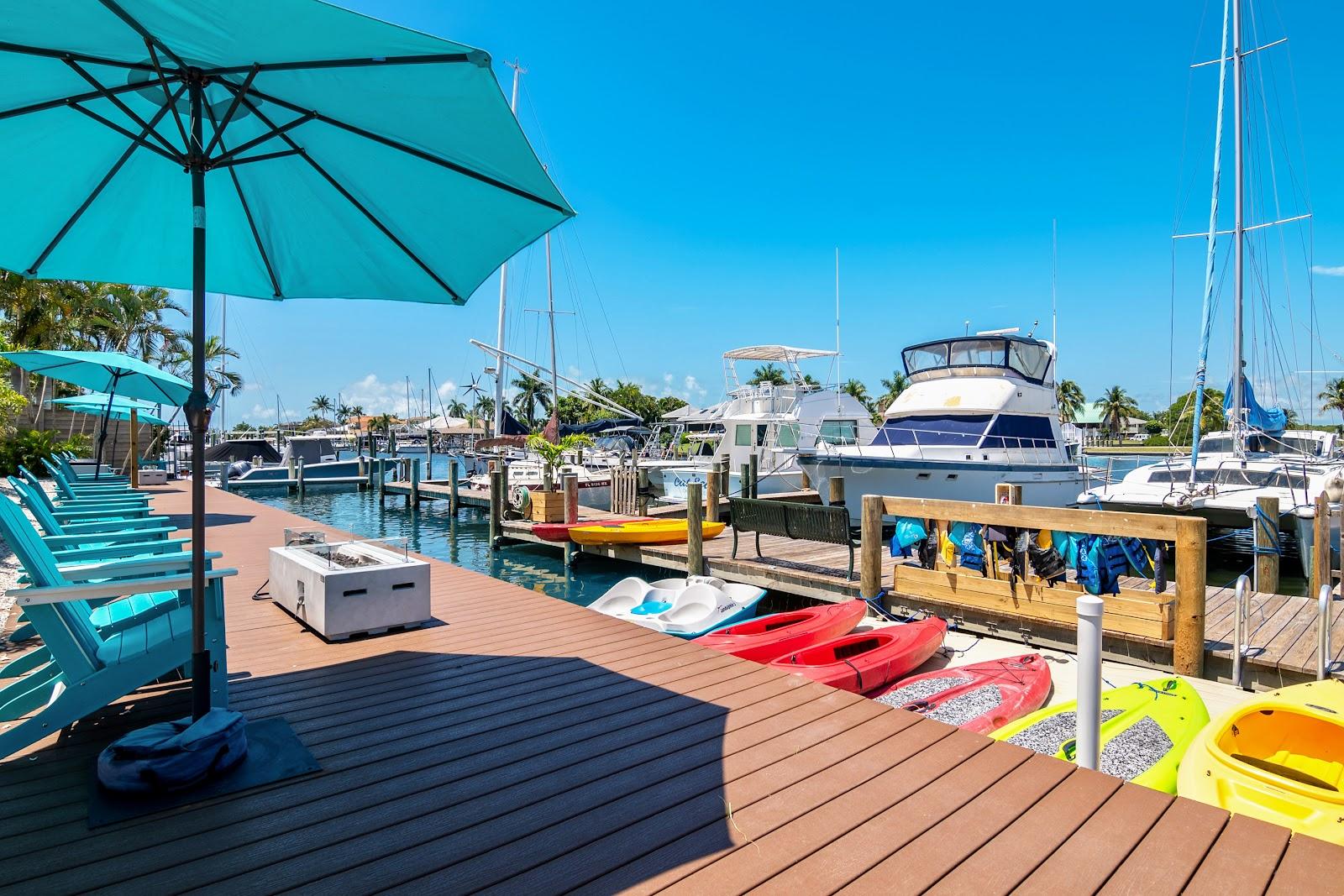
Beach resorts on Fort Myers Beach, Sanibel, and Captiva offer more traditional vacation experiences. Many vacation rental companies explicitly welcome LGBTQ+ guests, and numerous LGBTQ+-owned or operated properties cater to this market.
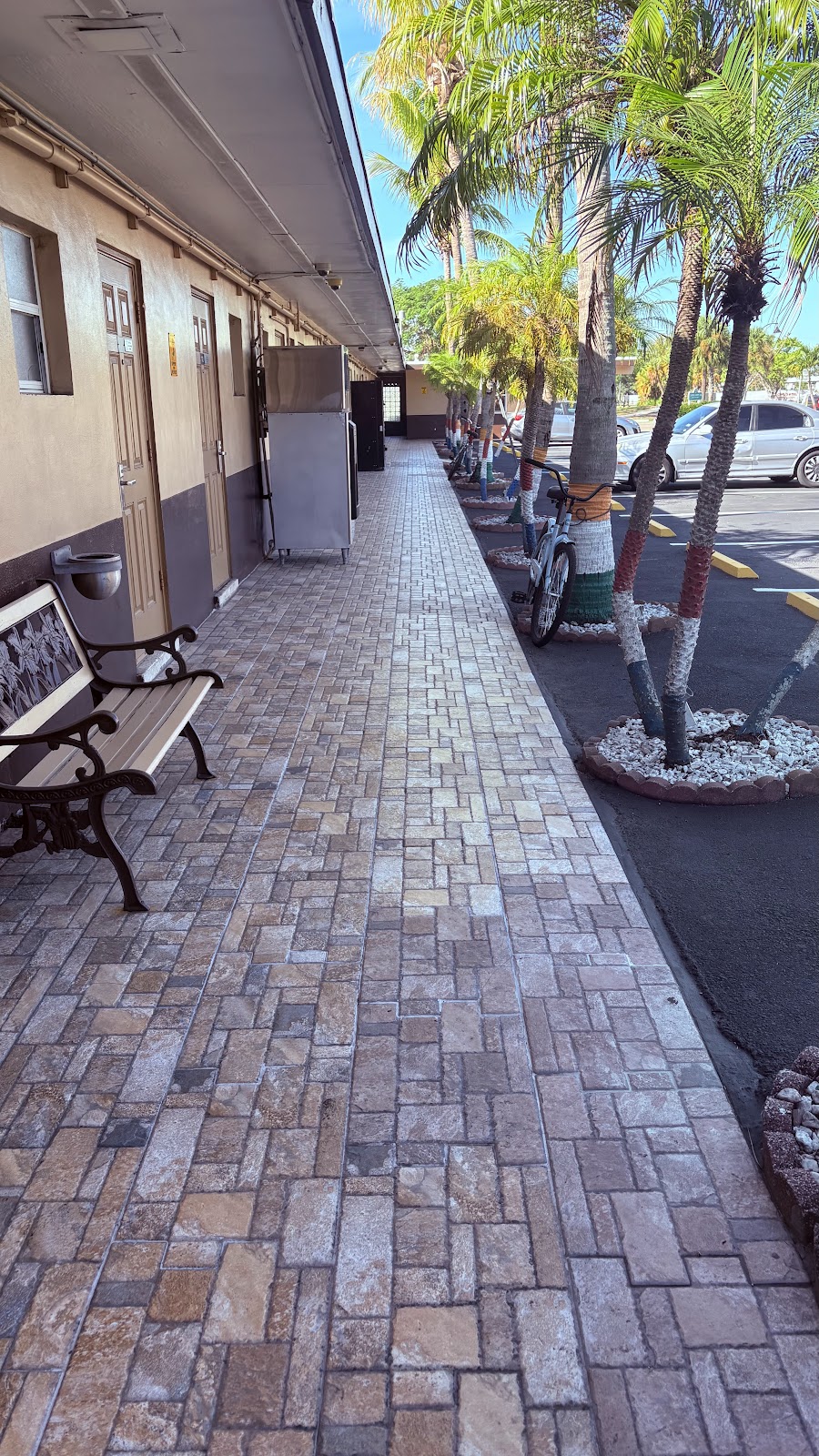
For budget-conscious travelers, standard hotel chains throughout the city offer reliable accommodations, though they lack distinctive character.
Fort Myers is generally safe for LGBTQ+ travelers, though visitors should exercise normal urban awareness, particularly when downtown after dark. Florida as a state has seen increasing political focus on LGBTQ+ issues, though Lee County remains more moderate than some other regions. LGBTQ+ community members live openly throughout the city, and public displays of affection are acceptable in progressive areas like the River District, though discretion may be preferred in more conservative neighborhoods.
Transportation and Getting Around
Fort Myers is car-dependent for most activities. The airport, Southwest Florida International Airport (RSW), is located about 20 minutes south of downtown and serves major airlines. Rental cars are recommended for exploring the region, though the walkable River District can be experienced on foot.
Public transit through Lee County transportation is limited compared to other Florida metros. Rideshare services operate throughout the area.
Day Trips and Nearby Activities
The nearby beaches of Sanibel Island and Captiva Island offer pristine environments for kayaking, shelling, and beach relaxation. Estero Bay and surrounding areas provide excellent paddling opportunities. The Edison and Ford Winter Estates offer cultural attractions and beautiful gardens.
Bigger Cypress National Preserve and Everglades areas are within driving distance for nature-focused travelers. The city also provides access to numerous Gulf Coast natural areas and state parks.
Food and Dining
Beyond the River District, Fort Myers' broader dining scene reflects its Gulf Coast location with extensive fresh seafood options. Waterfront restaurants provide sunset dining experiences. The city has increasingly attracted progressive chefs and restaurateurs, creating diverse culinary options. Local favorites include fresh fish, stone crab (seasonal), and Cuban cuisine reflecting South Florida influences.
When to Visit
Winter months (November through March) bring the most pleasant weather and the largest visitor populations. Summer heat and humidity are significant, though fewer tourists visit. Hurricane season runs June through November, with September and October presenting the highest risk. Pride season in June coincides with heat and early hurricane season but is the primary LGBTQ+ celebration.
Overall Experience
Fort Myers offers LGBTQ+ travelers a distinctly different experience from Miami or Tampa: a smaller community, slower pace, natural beauty, and the opportunity to connect with genuine local culture rather than large-scale tourism infrastructure. Visitors seeking party-focused nightlife should consider larger cities, but those seeking relaxation, natural exploration, and authentic community connections will find Fort Myers rewarding.
Frequently asked questions
Downtown Fort Myers, particularly the River District, has an increasingly progressive vibe. Sanibel and Captiva Islands also have significant LGBTQ+ populations and gay-friendly resorts. Estero is a residential area with LGBTQ+ families and businesses.
The Dock at Harborside in downtown Fort Myers is a popular waterfront bar and restaurant with a welcoming atmosphere. Other nightlife venues are located downtown, but the scene is modest compared to larger Florida cities. Fort Myers does not have dedicated gay saunas or large dance clubs.
Pride events have become established annual fixtures in Fort Myers.
Fort Myers offers a more relaxed, community-oriented experience. The social scene is relatively modest compared to larger cities like Miami or Tampa, with much activity occurring through community organizations and events rather than concentrated nightlife.
Sanibel and Captiva Islands, off the coast of Fort Myers, feature gay-friendly resorts and restaurants. The guide does not specify other LGBTQ+ specific hotels within Fort Myers itself.
Fort Myers has seen increasing visibility and acceptance for the LGBTQ+ community over the past 15 years. The guide highlights a growing number of gay-friendly businesses and events, suggesting a welcoming environment.
Your privacy choices.
We use cookies to run GayOut and, with your consent, measure usage. Learn more
Your privacy choices
We use cookies to keep GayOut running, remember your preferences, and (with your permission) measure how the site is used. You can accept all, reject all, or pick what you allow. Learn more
Essential
Required for sign-in, fraud prevention, CSRF protection and remembering your language. Cannot be disabled.
Always on
Remembers your favourites, dark mode and other interface preferences across visits.
Helps us understand which pages people visit (Google Analytics, server-side stats) so we can improve.
Used by campaign tracking pixels. None are active right now, reserved for future use.
Install GayOut
Add GayOut to your home screen for faster access, offline favourites, and Pride alerts.


 Gay-Friendly Bars & Clubs
(46)
Gay-Friendly Bars & Clubs
(46)