Marriage equality since Obergefell v. Hodges (26 June 2015). The Respect for Marriage Act (December 2022) provides a congressional floor, requiring federal recognition of all valid same-sex and interracial marriages regardless of future Supreme Court rulings. Bostock v. Clayton County (2020) held that Title VII of the Civil Rights Act prohibits employment discrimination on the basis of sexual orientation and gender identity. No comprehensive federal anti-discrimination law in housing or public…
The Fair Expo Center is a convention center located in Miami, Florida, adjacent to the campus of Florida International University. It has been built in stages since 1952.
Key Biscayne: A Traveler's Guide to Miami's Quieter Island Community
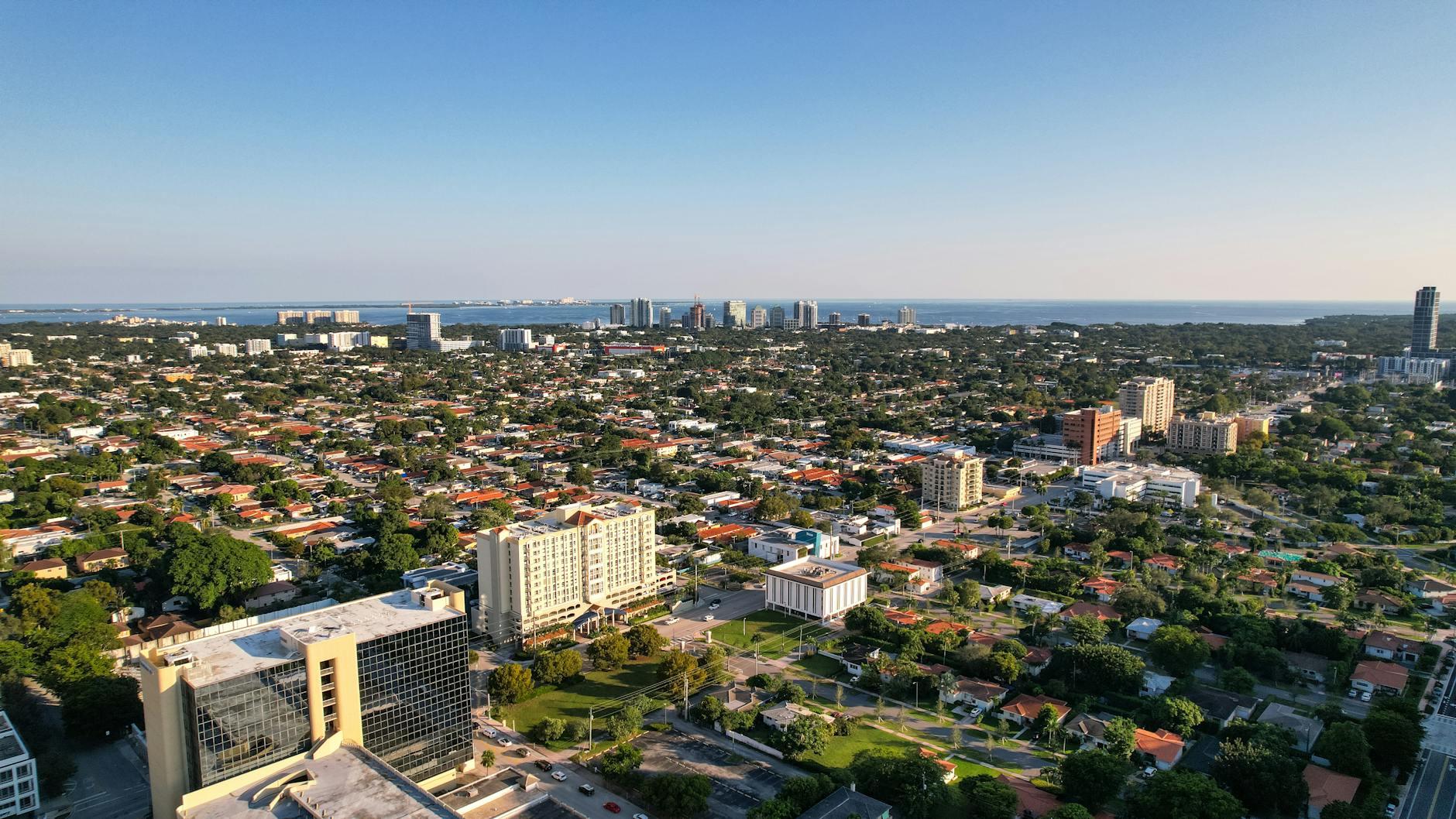
Key Biscayne is an upscale residential and recreational island community located approximately 15 miles south of downtown Miami, connected by the Rickenbacker Causeway. Unlike its more famous neighbors Miami and Miami Beach, Key Biscayne has cultivated a deliberately quieter, more family-oriented and nature-focused character. For LGBTQ+ travelers, this means a different experience than what one might expect from the greater Miami area.
History and Community Context
Key Biscayne developed as an exclusive residential enclave beginning in the early 20th century. The island became a popular destination for wealthy residents and tourists seeking upscale amenities and natural beauty. While the broader Miami-Dade County area has a rich and vibrant LGBTQ+ history, Key Biscayne itself has never developed a concentrated gay neighborhood or scene. Instead, LGBTQ+ residents and visitors are dispersed throughout the island and tend to integrate into the broader upscale community. The closest LGBTQ+ epicenter remains Miami Beach to the north, where South Beach has served as a major gay travel and nightlife destination since the 1980s.
Geography and Neighborhoods
Key Biscayne is relatively small, covering approximately 33 square miles including water. The main populated areas include the village of Key Biscayne proper, which features most commercial establishments, residential neighborhoods, and parks. The island is primarily accessed via the Rickenbacker Causeway from mainland Miami. Key Biscayne Village is the commercial hub, with restaurants, shops, and services concentrated along Crandon Boulevard. There are no distinct LGBTQ+ neighborhoods; instead, businesses are distributed throughout the island. The southern portion of the key includes Bill Baggs Cape Florida State Park, one of the area's most significant natural attractions.
Where to Stay
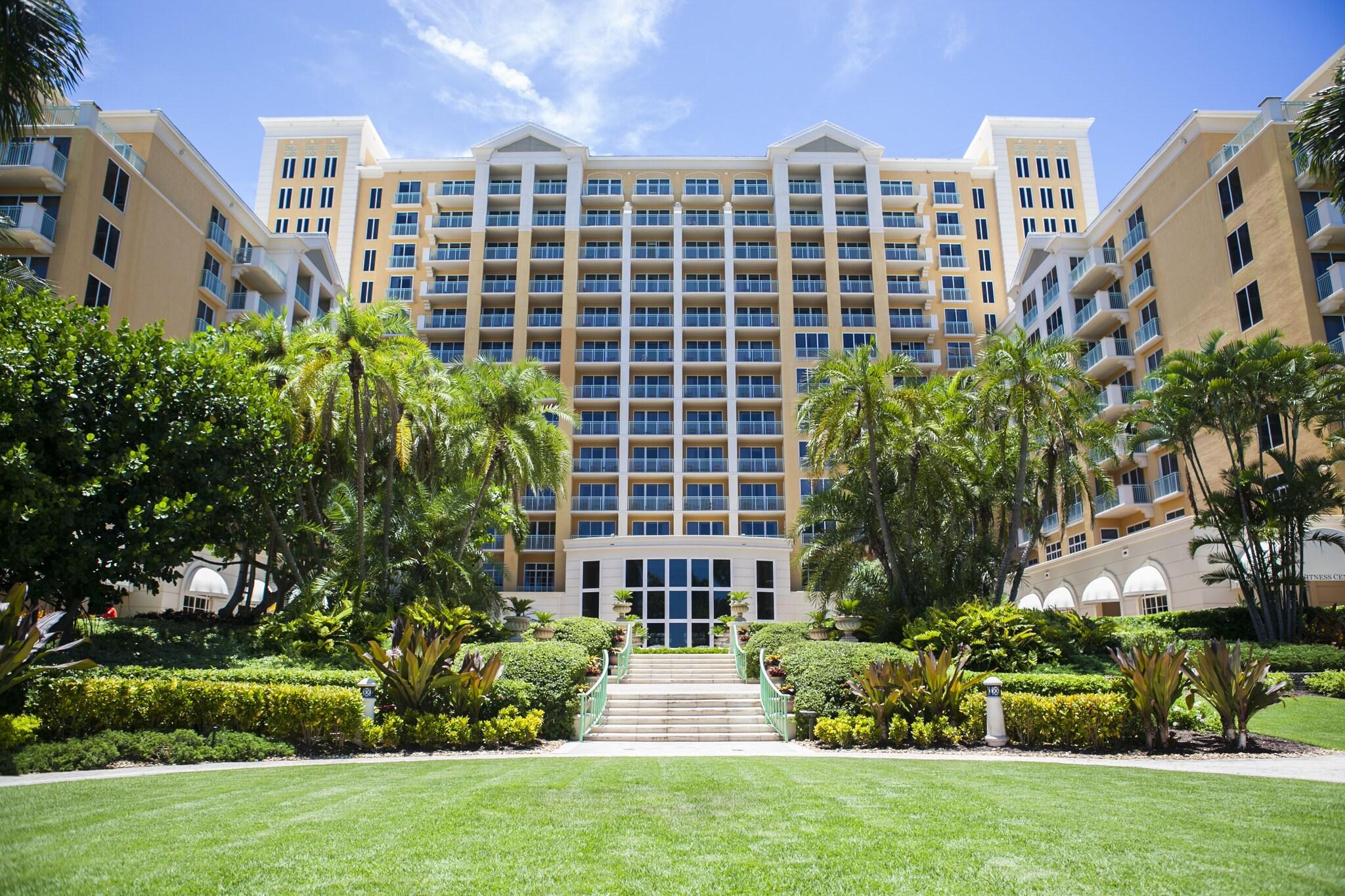
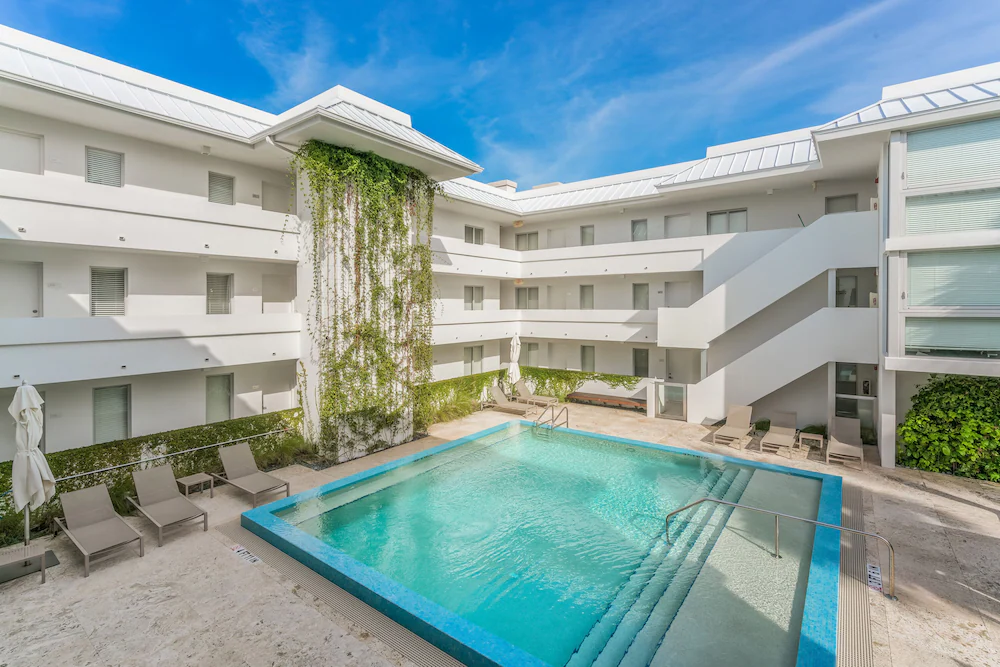
Accommodations on Key Biscayne range from luxury resorts to smaller inns and vacation rentals. The Ritz-Carlton Key Biscayne is the island's most prominent resort property, offering upscale amenities, beachfront access, and a generally welcoming atmosphere for LGBTQ+ guests. The hotel features fine dining, a spa, and excellent beach facilities. For visitors seeking more casual options, various condos and smaller hotels are available throughout the island. Many LGBTQ+ travelers choose to stay in Miami Beach or Wynwood and day-trip to Key Biscayne for its natural attractions, given the limited nightlife scene on the island itself.
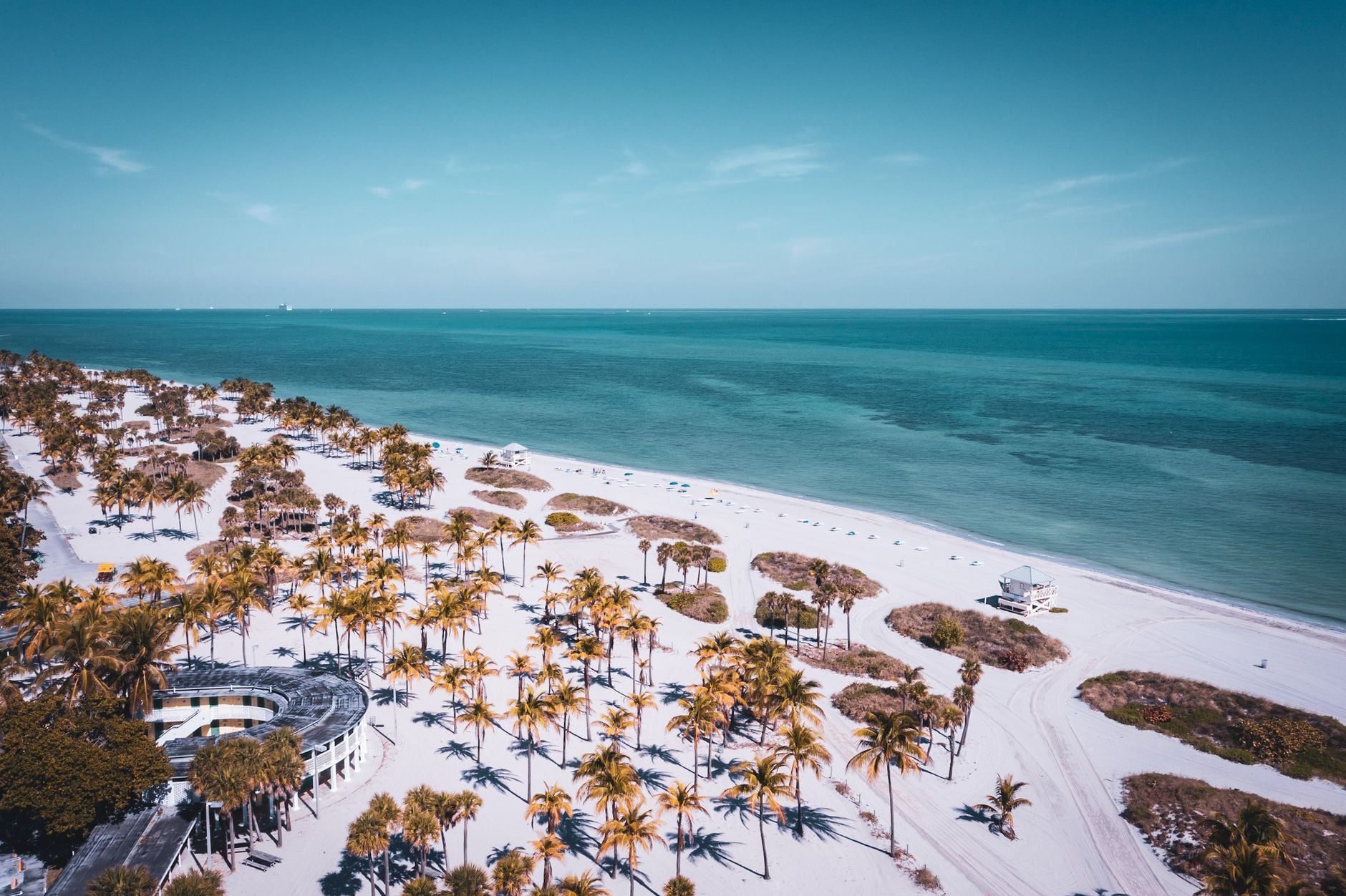
Bill Baggs Cape Florida State Park is Key Biscayne's crown jewel. This 680-acre park encompasses pristine beaches, nature trails, and the historic Cape Florida Lighthouse. It offers excellent opportunities for swimming, sunbathing, picnicking, and photography. The park's relatively peaceful character makes it popular with visitors of all orientations seeking natural beauty.
Crandon Park spans 1,211 acres and includes beautiful beaches, a mangrove shoreline, and recreational facilities. The park is popular for swimming, boating, and picnicking. Crandon Park's wide, clean beaches attract both locals and tourists.
Water activities are central to Key Biscayne's appeal. The island is surrounded by coral reefs and marine ecosystems, making it excellent for snorkeling and scuba diving. Several dive operators offer trips to nearby reefs and shipwrecks. Deep-sea fishing, boating, and kayaking are also popular.
The Miami Seaquarium, located on the island, is a marine life facility featuring dolphin shows, sea lion performances, and aquarium exhibits. While not specifically LGBTQ+-oriented, it's a popular family and tourist attraction.
Dining and Nightlife
Key Biscayne's dining scene leans toward upscale waterfront restaurants rather than casual establishments. The Ritz-Carlton operates several on-site restaurants offering fine dining. Various other waterfront establishments offer seafood and international cuisine with scenic views.
The island does not have a developed gay bar or nightclub scene. Social venues that exist serve the broader community rather than specifically targeting LGBTQ+ clientele. For nightlife, most LGBTQ+ visitors travel to Miami Beach, approximately 20-30 minutes away via causeway, where South Beach offers numerous gay bars, clubs, and lounges. Established venues in South Beach include The Palace, Twist, and Mansion, among others.
Key Biscayne itself does not host major LGBTQ+-specific events or Pride celebrations. Miami's main Pride festival typically occurs in March and is centered in the Wynwood Arts District and surrounding areas. Miami Beach Pride events and parties are concurrent. South Beach hosts numerous circuit parties and events throughout the year, particularly during winter months when visitor populations peak.
The closest significant LGBTQ+ event to Key Biscayne would be Miami Pride in March, which draws tens of thousands of visitors to the greater Miami area. However, celebrations and events themselves occur primarily on the mainland and in Miami Beach rather than on Key Biscayne.
Transportation
Key Biscayne is most easily accessed by car via the Rickenbacker Causeway, which charges a toll for entry ($2.50 for motorcycles and cars, as of recent years). Ride-sharing services like Uber and Lyft operate on the island. Public transportation via Miami-Dade County buses serves Key Biscayne but with limited frequency compared to mainland Miami.
Once on the island, a car is practically necessary for most activities, as distances between attractions are significant and walkability outside the commercial village is limited. Visitors flying into Miami International Airport would typically rent a car or arrange ride-sharing to reach Key Biscayne.
Food Scene
Beyond upscale resort dining, Key Biscayne has casual restaurants and cafes. The village area includes pizza places, casual seafood restaurants, and chain establishments. Given the island's focus on leisure and natural attractions rather than food culture, culinary variety is more limited than in Miami proper. Many visitors choose to dine on the island for dinner or special occasions, then explore Miami's broader restaurant scene on day trips.
Safety and Practical Considerations
Key Biscayne is generally considered a safe community with lower crime rates than many Miami-area neighborhoods. The island's affluent, residential character contributes to an overall secure environment for visitors. Standard urban precautions apply, but violent crime affecting tourists is uncommon.
The island's culture is conservative and family-oriented compared to South Beach. While residents and businesses are generally professional and welcoming, the area lacks the visible LGBTQ+ presence and culture of Miami Beach. Public displays of affection and LGBTQ+ expression are less prominent than in more explicitly gay-friendly destinations. Visitors should expect a more mainstream, understated environment.
Weather considerations are significant. The Miami area, including Key Biscayne, experiences hurricane season from June through November, with peak activity in September and October. Summer months are hot and humid with frequent afternoon thunderstorms. Winter (December through March) offers the most pleasant weather and attracts the most visitors.
Day Trips and Nearby Areas
Miami Beach is 20-30 minutes away by car and offers extensive LGBTQ+ nightlife, dining, and beach culture. The Art Deco Historic District features colorful buildings, galleries, and the full spectrum of South Beach venues.
Wynwood Arts District, on the mainland, features street art, galleries, restaurants, and breweries. It has become increasingly LGBTQ+-friendly and hosts much of Miami's Pride celebrations.
Downtown Miami offers cultural institutions, restaurants, and the Pérez Art Museum Miami, which hosts contemporary art exhibitions.
Vizcaya Museum and Gardens, near Key Biscayne on the mainland, showcases an Italian Renaissance-style villa and formal gardens, popular for photos and culture.
Who Key Biscayne Is For
Key Biscayne works best for LGBTQ+ travelers seeking natural beauty, peaceful surroundings, and upscale leisure rather than an active social scene. Couples looking for romantic getaways, nature enthusiasts interested in marine ecosystems and parks, and travelers preferring relaxation over nightlife will find Key Biscayne appealing. Those specifically seeking gay nightlife, Pride celebrations, or concentrated LGBTQ+ community experiences should focus on Miami Beach or Miami proper, though Key Biscayne makes an excellent day-trip destination or quieter base with easy access to those areas.
Conclusion
Key Biscayne offers LGBTQ+ travelers a different Miami experience than the region's famous party destinations. Its strength lies in natural attractions, upscale accommodations, and a peaceful island atmosphere. While the LGBTQ+ scene is minimal compared to South Beach, the island's proximity to Miami means travelers can easily access broader community resources and nightlife while enjoying Key Biscayne's tranquility as a home base.
Frequently asked questions
Key Biscayne is described as a peaceful island with a welcoming LGBTQ+ presence. The island's upscale character and focus on family-friendly recreation have attracted many LGBTQ+ couples seeking a stable, safe community environment.
Key Biscayne functions differently than traditional gay destinations and does not serve as a nightlife hub. It offers a quieter alternative for LGBTQ+ travelers who appreciate nature and privacy, with proximity to Miami's vibrant gay scene.
Key Biscayne does not have a documented historic LGBTQ+ district like Miami Beach's South Beach area. The island consists primarily of residential neighborhoods, with community areas including Old Cutler, Mashta Island, and the downtown area.
Key Biscayne lacks a dedicated gay resort infrastructure. However, upscale hotels like The Ritz-Carlton Key Biscayne and private home rentals are available for visitors.
The provided guide does not mention any specific LGBTQ+-specific events or Pride celebrations taking place in Key Biscayne.
Key Biscayne's appeal for LGBTQ+ visitors lies in its natural environment. Bill Baggs Cape Florida State Park offers uncrowded beaches and nature trails, and Crandon Park provides additional beach access and water sports.
Your privacy choices.
We use cookies to run GayOut and, with your consent, measure usage. Learn more
Your privacy choices
We use cookies to keep GayOut running, remember your preferences, and (with your permission) measure how the site is used. You can accept all, reject all, or pick what you allow. Learn more
Essential
Required for sign-in, fraud prevention, CSRF protection and remembering your language. Cannot be disabled.
Always on
Remembers your favourites, dark mode and other interface preferences across visits.
Helps us understand which pages people visit (Google Analytics, server-side stats) so we can improve.
Used by campaign tracking pixels. None are active right now, reserved for future use.
Install GayOut
Add GayOut to your home screen for faster access, offline favourites, and Pride alerts.




 Gay-Friendly Bars & Clubs
(3431)
Gay-Friendly Bars & Clubs
(3431)