Marriage equality since Obergefell v. Hodges (26 June 2015). The Respect for Marriage Act (December 2022) provides a congressional floor, requiring federal recognition of all valid same-sex and interracial marriages regardless of future Supreme Court rulings. Bostock v. Clayton County (2020) held that Title VII of the Civil Rights Act prohibits employment discrimination on the basis of sexual orientation and gender identity. No comprehensive federal anti-discrimination law in housing or public…
Dedicated to the late Village Trustee William R. Vogel, the 11,000-square-foot Civic Center contains a large exhibition hall, a unique circular rotunda room, a column-flanked grand hall, the Jane M.
Orland Park is a suburban village in Cook County, Illinois, situated in the southwestern Chicago metropolitan area. While not traditionally known as an LGBTQ+ destination, it offers value as a safe, accessible community with proximity to Chicago's world-renowned gay scene.
HISTORY AND CONTEXT
Orland Park was incorporated in 1892 and developed primarily as a residential suburb. The broader Chicago area, particularly neighborhoods like Boystown (Lakeview), has had a visible gay community since the 1960s and 1970s. Orland Park itself follows broader suburban patterns where LGBTQ+ communities are dispersed throughout residential neighborhoods rather than concentrated in specific districts. The village has implemented non-discrimination ordinances and maintains an inclusive municipal environment, though it lacks the dedicated gay infrastructure found in urban centers.
NEIGHBORHOODS AND AREAS
Orland Park's residential areas are distributed throughout the village, with no specific "gay neighborhood" designation. The downtown area, centered around 143rd Street and Ravinia Avenue, contains retail and dining establishments. The village is well-zoned with parks, including the extensive Orland Park Village Center and various recreational facilities. Most LGBTQ+ residents are integrated into standard residential neighborhoods rather than clustered in particular zones.
VENUES AND ESTABLISHMENTS
Unlike urban gay destinations, Orland Park lacks dedicated LGBTQ+ bars, clubs, or saunas. Standard retail, dining, and entertainment venues throughout the village welcome LGBTQ+ customers. The Orland Park Public Library provides community resources and often hosts inclusive programming. Visitors seeking dedicated gay venues should plan excursions to nearby Chicago neighborhoods.
CHICAGO PROXIMITY
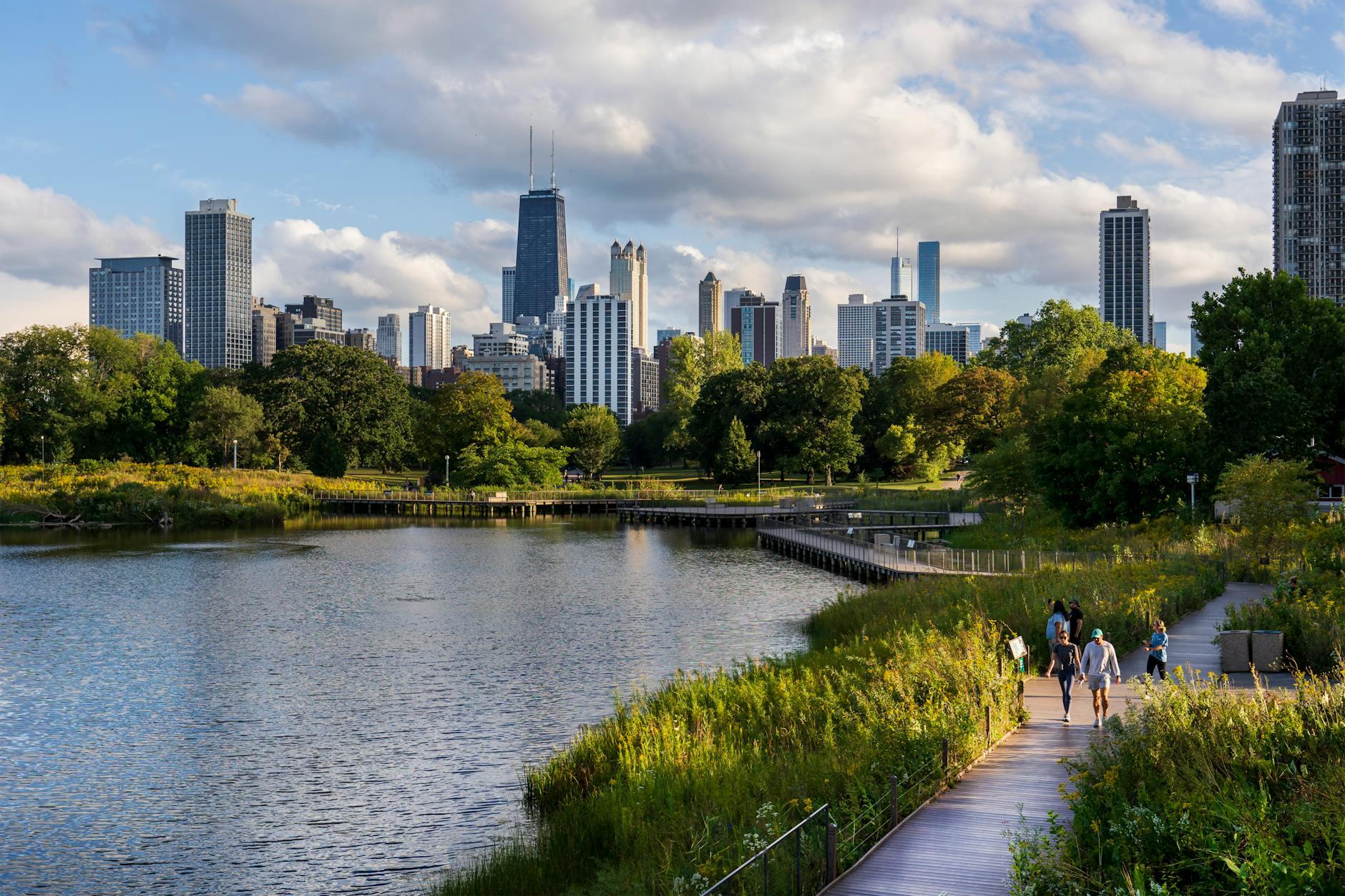
Orland Park's greatest value for LGBTQ+ travelers is its proximity to Chicago. The Metra commuter rail system connects Orland Park directly to downtown Chicago and neighborhood stations. Travel times vary but typically range from 30-50 minutes depending on destination. Chicago's Boystown neighborhood in Lakeview contains multiple gay bars, clubs, and restaurants, including long-established venues like Berlin (dance club), Sidetrack Video Bar, and numerous others. Logan Square and Pilsen neighborhoods also contain LGBTQ+-friendly establishments and venues. The Chicago Pride Parade, held annually in June along North Avenue in downtown, is one of the largest pride events in North America.
PRIDE AND EVENTS
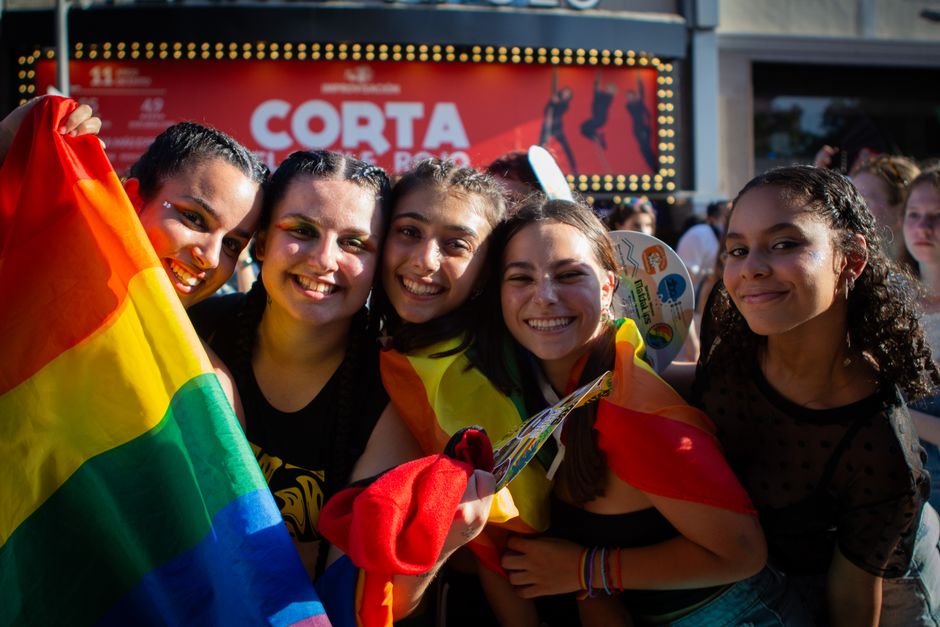
Orland Park does not host a dedicated Pride event, but residents and visitors participate in the Chicago Pride Parade and Festival held in mid-June. The Chicago event attracts hundreds of thousands of participants and features performances, floats, and community booths. Additional Chicago-area events include various neighborhood-specific celebrations and year-round LGBTQ+ programming.
WHERE TO STAY
Orland Park contains several hotel chains including La Quinta, Motel 6, Red Roof Inn, and others suitable for basic accommodations. These establishments follow standard non-discrimination policies. For more upscale lodging, nearby luxury hotels in the Chicago area offer additional options. Airbnb and vacation rental platforms provide residential accommodations throughout the village.
Orland Park maintains safe neighborhoods with standard suburban security. The village has implemented non-discrimination protections based on sexual orientation and gender identity. Crime rates are comparable to suburban averages, and the community is generally welcoming. As with any travel, standard safety practices apply.
TRANSIT AND NAVIGATION
The Metra Commuter Rail system provides access via the Rock Island District Line, with stations in Orland Park connecting to downtown Chicago. Regional bus service is available through Pace. Personal vehicles are practical for navigation within and around Orland Park. Chicago's public transit system (CTA) is extensive and LGBTQ+-friendly, making city exploration accessible.
FOOD AND DINING
Orland Park contains standard American dining chains and casual restaurants. Ethic restaurants representing various cuisines are available throughout the village. Chicago proper offers extensive fine dining and specialty cuisine options accessible via short transit rides. Local favorites include typical suburban restaurants, cafes, and casual establishments.
DAY TRIPS AND NEARBY ATTRACTIONS
Orland Park residents and visitors can explore Chicago's attractions including museums (Art Institute, Field Museum, Museum of Science and Industry), lakefront areas, neighborhoods, shopping districts, and entertainment venues. The Brookfield Zoo and Morton Arboretum are nearby suburban attractions. Starved Rock State Park and other natural areas are within reasonable driving distance for outdoor recreation.
Frequently asked questions
Orland Park is described as a welcoming suburb that has gradually become more welcoming to LGBTQ+ residents. Like much of suburban America, it did not have visible LGBTQ+ infrastructure historically, but attitudes have shifted.
No, Orland Park does not have a dedicated LGBTQ+ neighborhood or concentrated gay scene. It functions as a residential suburb for those seeking quieter, family-oriented living.
Orland Park itself does not have gay bars, nightclubs, or dedicated LGBTQ+ venues. For nightlife, dining, and entertainment, residents often travel to Chicago.
Orland Park does not have specific Pride events of its own. Residents participate in Chicago Pride and other regional events.
Orland Park offers numerous family-friendly restaurants, coffee shops, and casual dining establishments. Many business owners and establishments are welcoming to LGBTQ+ customers, though there is no concentrated gay commercial district.
Orland Park is approximately 25 miles southwest of downtown Chicago. Its proximity to major highways makes commuting to Chicago's gay scene relatively accessible.
Your privacy choices.
We use cookies to run GayOut and, with your consent, measure usage. Learn more
Your privacy choices
We use cookies to keep GayOut running, remember your preferences, and (with your permission) measure how the site is used. You can accept all, reject all, or pick what you allow. Learn more
Essential
Required for sign-in, fraud prevention, CSRF protection and remembering your language. Cannot be disabled.
Always on
Remembers your favourites, dark mode and other interface preferences across visits.
Helps us understand which pages people visit (Google Analytics, server-side stats) so we can improve.
Used by campaign tracking pixels. None are active right now, reserved for future use.
Install GayOut
Add GayOut to your home screen for faster access, offline favourites, and Pride alerts.







 Gay-Friendly Bars & Clubs
(75)
Gay-Friendly Bars & Clubs
(75)


