Marriage equality since Obergefell v. Hodges (26 June 2015). The Respect for Marriage Act (December 2022) provides a congressional floor, requiring federal recognition of all valid same-sex and interracial marriages regardless of future Supreme Court rulings. Bostock v. Clayton County (2020) held that Title VII of the Civil Rights Act prohibits employment discrimination on the basis of sexual orientation and gender identity. No comprehensive federal anti-discrimination law in housing or public…
Lincoln Park is a neighborhood located on the North Side of Chicago, Illinois. While it is not specifically known as a "gay place" in the same way as some other neighborhoods, it does have a vibrant…
Tracy is a city of approximately 90,000 residents located in San Joaquin County in California's Central Valley, about 80 miles east of San Francisco and 120 miles south of Sacramento. As a mid-sized Central Valley city, Tracy does not have the established LGBTQ+ infrastructure or visible gay scene of larger California cities, but it has developed into a reasonably welcoming community for LGBTQ+ residents and visitors.
The LGBTQ+ history and presence in Tracy reflects broader patterns in the Central Valley. For decades, LGBTQ+ individuals from smaller Central Valley towns gravitated toward San Francisco or Sacramento for community, nightlife, and social connection. However, increasing diversity, younger populations moving to the region, and broader cultural shifts have created a more visible and organized LGBTQ+ presence in Tracy and surrounding communities. Local LGBTQ+ organizations, Pride events, and inclusive businesses now exist alongside the city's traditional agricultural and industrial character.
Neighborhoods and Areas
Downtown Tracy, centered around Sixth Street and the historic district, serves as the primary commercial and social hub. This area features locally-owned restaurants, antique shops, art galleries, and cafes that are generally welcoming to LGBTQ+ visitors. The downtown waterfront area along the Delta waterway also offers parks and recreational spaces.
The broader city is relatively spread out with residential neighborhoods, shopping centers, and business parks typical of a Central Valley community. Unlike older urban areas with concentrated gay neighborhoods, Tracy's LGBTQ+-friendly businesses and gathering spaces are distributed throughout the city.
Venues and Gathering Spaces
Tracy does not have dedicated gay bars or nightclubs comparable to those in larger cities. However, several locally-owned restaurants, cafes, and bars are known to be LGBTQ+-friendly establishments where visitors are welcome. Downtown restaurants and breweries tend to be the primary social gathering spaces for LGBTQ+ residents and visitors.
The Tracy Public Library and various community centers host LGBTQ+-related programs and support groups. Local parks including Victory Park and Weston Park provide outdoor recreation spaces.
Pride and Events
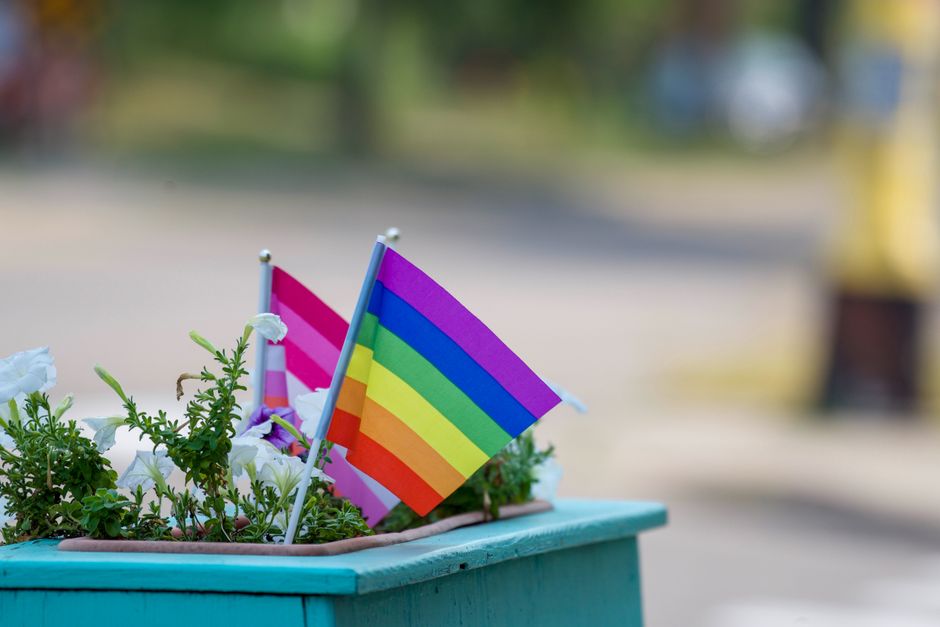
Tracy Pride events have grown in recent years. The city typically hosts Pride-related activities and celebrations in June, though Tracy does not have the elaborate week-long Pride festivals of larger cities. Local Pride events are more modest but reflect genuine community support and participation.
Beyond Pride, Tracy hosts various cultural events, farmers markets, and community festivals throughout the year that welcome LGBTQ+ participation and visibility.
Where to Stay
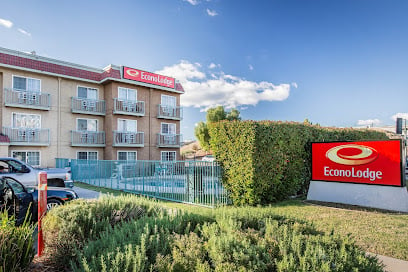
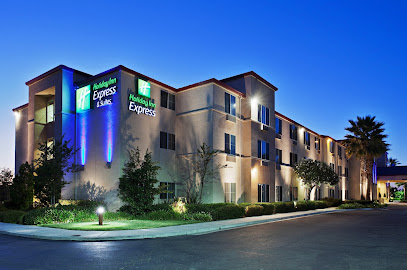
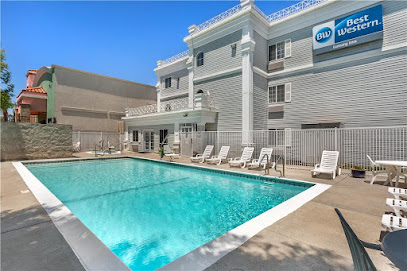
Tracy offers standard hotel accommodations typical of a Central Valley city. Chain hotels including Best Western, Holiday Inn Express, and others provide convenient lodging. Several smaller inns and bed-and-breakfasts operate in the area, though visitor reviews should be checked for specific LGBTQ+-friendly recommendations.
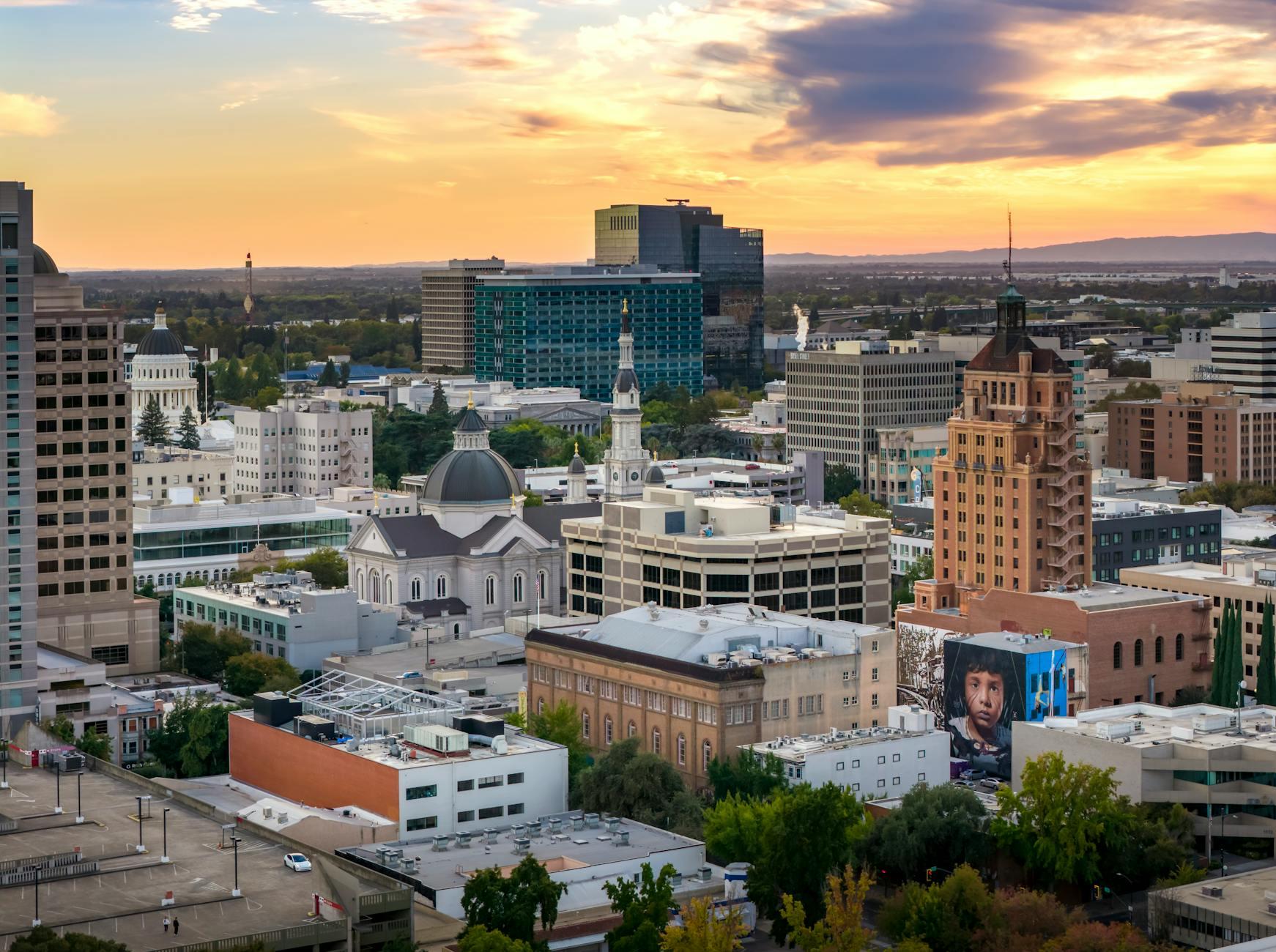
For those seeking more extensive gay hospitality and services, Sacramento (approximately 90 minutes north) and San Francisco (approximately 90 minutes west) offer more established LGBTQ+ lodging and services.
Tracy is generally a safe city with typical urban safety precautions appropriate for any mid-sized American city. LGBTQ+ visitors should exercise normal safety awareness, particularly in unfamiliar areas at night. The city has a visible police presence and responsive local government.
The broader San Joaquin County region includes rural agricultural areas with more conservative demographics, so LGBTQ+ travelers should use reasonable discretion regarding public displays of affection in less urban areas. However, within Tracy city limits and downtown areas, LGBTQ+ visitors are generally safe and welcomed.
Local LGBTQ+ organizations and community groups provide resources and support. The city's police department has worked with LGBTQ+ community members on safety and inclusion initiatives.
Transit and Getting Around
Tracy is primarily a car-dependent city typical of California's Central Valley. Most visitors will need a rental car for convenient transportation. The city has limited public transit, though Altamont Commuter Express (ACE) provides rail connections to the Bay Area and Sacramento.
Street parking is generally available in downtown areas. Most attractions, restaurants, and services are accessible by car.
Food and Dining
Downtown Tracy offers diverse dining options reflecting the city's multicultural population. Local restaurants feature Mexican, Chinese, Indian, Italian, and American cuisines. Several craft breweries and cafes have opened in recent years, contributing to downtown revitalization.
The surrounding region produces agricultural products including almonds, peaches, and walnuts. Farm-to-table dining experiences and farmers markets offer connections to local food production.
Activities and Day Trips
Tracy serves as a convenient base for exploring the broader region. Yosemite National Park is approximately 2-2.5 hours east by car, making Tracy a reasonable base for Yosemite visits. The Sierra Nevada mountains and outdoor recreation opportunities are accessible from Tracy.
Locally, the Tracy Regional Sports Complex offers recreational facilities. The city has several parks suitable for walking and outdoor recreation.
Wine tasting in nearby regions including Lodi (approximately 30 minutes north) and Amador County is popular. These wine regions feature tasting rooms, wineries, and restaurants.
The Sacramento area (90 minutes north) offers expanded cultural, dining, and entertainment options for day trips.
Conclusion
Tracy represents a different kind of LGBTQ+ travel destination compared to established gay travel hubs. Rather than concentrated gay infrastructure and nightlife, Tracy offers small-town character, genuine community inclusion, convenient access to major California attractions, and a reasonably welcoming environment for LGBTQ+ visitors. The city appeals most to travelers seeking slower pace, agricultural heritage, and outdoor recreation while exploring the Central Valley and Sierra Nevada region.
Frequently asked questions
Tracy is generally accepting, and discrimination is uncommon, particularly among younger populations and in professional settings. The LGBTQ+ presence is integrated rather than concentrated.
No, Tracy does not have distinct gay neighborhoods. The LGBTQ+ community members are dispersed throughout residential neighborhoods.
Tracy's LGBTQ+ scene is characterized by informal networks and participation in city-wide events rather than gay-exclusive venues. The community developed more quietly without the organized infrastructure of larger urban centers.
Tracy does not feature dedicated gay neighborhoods or a visible LGBTQ+ commercial district. Contemporary LGBTQ+ life is characterized by informal networks and online communities.
The source guide does not mention specific LGBTQ+ events or Pride celebrations in Tracy. Contemporary LGBTQ+ life is characterized by participation in city-wide events.
Tracy doesn't have distinct gay neighborhoods, and residential areas are dispersed. Downtown Tracy, centered around 6th Street and Main Street, is the city's commercial and social hub and is relatively compact and walkable.
Your privacy choices.
We use cookies to run GayOut and, with your consent, measure usage. Learn more
Your privacy choices
We use cookies to keep GayOut running, remember your preferences, and (with your permission) measure how the site is used. You can accept all, reject all, or pick what you allow. Learn more
Essential
Required for sign-in, fraud prevention, CSRF protection and remembering your language. Cannot be disabled.
Always on
Remembers your favourites, dark mode and other interface preferences across visits.
Helps us understand which pages people visit (Google Analytics, server-side stats) so we can improve.
Used by campaign tracking pixels. None are active right now, reserved for future use.
Install GayOut
Add GayOut to your home screen for faster access, offline favourites, and Pride alerts.




 Cruising Areas
(5)
Cruising Areas
(5)