If detained: do not sign any document you do not understand. Request your embassy and a lawyer immediately. Do not consent to phone searches without legal advice.
Kenya criminalises same-sex conduct under Sections 162 and 165 of the Penal Code. Section 162 applies to 'carnal knowledge against the order of nature' and carries a prison sentence of up to 14 years. Section 165 covers 'attempts to commit' such acts. These laws are remnants of colonial British legislation, never repealed despite Kenya's 1964 independence.
In practice, prosecutions specifically targeting consensual adult same-sex relationships are uncommon. The law is more often invoked in cases involving minors, coercion, or when authorities are responding to public complaints. However, the law's existence creates pervasive legal uncertainty and fear. Police may detain individuals on suspicion, and bail or release may depend on officials' discretion and susceptibility to bribery. LGBTQ+ activists and organisations have faced harassment and arrest on vague charges (disturbing the peace, promoting homosexuality) rather than direct prosecution under the Penal Code.
In Mombasa specifically, enforcement is inconsistent but present. Local police and community members may act on moral or religious grounds. There is no legal protection against discrimination in housing, employment, or services based on sexual orientation or gender identity.
PRACTICAL SAFETY FOR TRAVELLERS
Public Displays of Affection: Avoid any visible physical affection between same-sex partners in public spaces—streets, markets, public transport, restaurants, or beaches. This includes holding hands, touching, or even sustained eye contact that might be read as intimate. Heterosexual couples also tend to be reserved in public, so any departure from this norm draws attention.
Online Safety and Surveillance: Dating and hookup apps (Grindr, Scruff, etc.) are accessible in Mombasa and used by some locals and travellers, but they are not encrypted by default and may be monitored. Phone data and internet activity can be accessed by authorities or intercepted. Assume privacy is not guaranteed. Users who connect via apps do so at personal risk. Use VPNs if attempting any online activity related to LGBTQ+ socialising, though even this offers limited legal protection if authorities decide to investigate.
Where to Stay
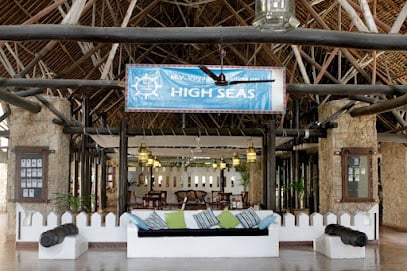
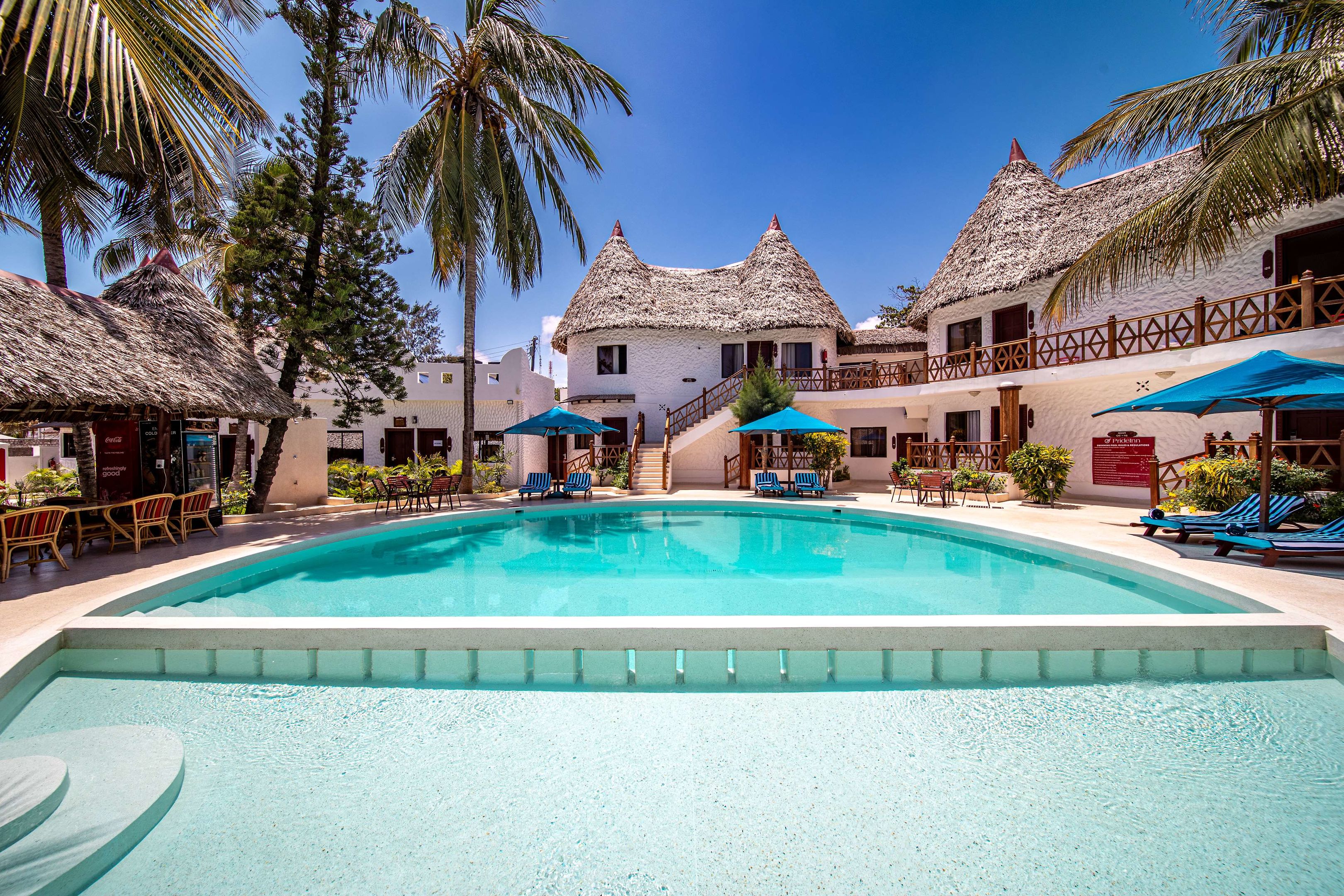
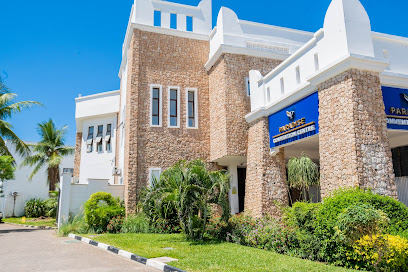
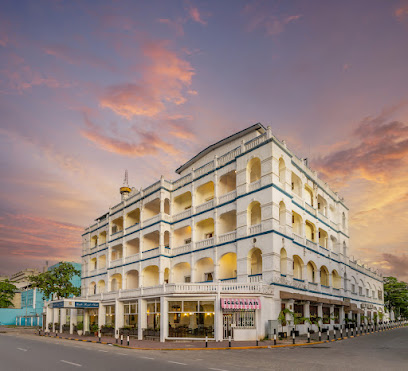
Hotels and Accommodation: International hotel chains (Serena, Hilton, Tamarind, Four Points, etc.) have professional staff trained to serve diverse clientele without comment. Same-sex couples can book rooms with confidence at these establishments; staff will not question bookings or deny service. Budget guesthouses and local hotels frequently refuse bookings for same-sex couples or allow check-in only to be problematic during the stay. When booking, use a neutral phrase ("two guests") rather than specifying relationship. Always book in advance with established, reviewed properties rather than walk-ins.
Transport and Navigation: Public minibuses (matatus) and taxis are generally safe to use. Avoid drawing attention through appearance or behaviour. Taxis are more expensive but offer privacy. Walking at night alone or in small groups is not advised for any traveller (safety issues beyond LGBTQ+ concerns); use transport after dark.
Appearance and Presentation: Gender-nonconforming presentation or visible queerness (rainbow items, nail polish, certain haircuts, makeup on men) will attract hostile attention. Dress conservatively and in keeping with local norms. This particularly applies to men; gender-nonconforming presentation among men is especially stigmatised.
What to Avoid: Do not attempt to attend or organise any LGBTQ+-specific gathering, event, or public space. Do not display rainbow items, flags, or symbols. Do not openly discuss sexual orientation or gender identity with strangers or casual acquaintances. Do not engage in sexual activity in public or semi-public spaces. Do not assume that other tourists or hotel staff are safe to confide in without knowing them well.
For LGBTQ+ travellers seeking connection in Mombasa, options are severely limited and carry inherent risk.
Private Social Circles: The most reliable way to connect is through trusted local LGBTQ+ friends or through international residents (expats, NGO workers, teachers) who maintain private social networks. These circles are small, cautious, and not advertised. Connection typically happens through mutual friends rather than public recruitment.
Hotel Spaces: Some international hotel bars and restaurants tolerate mixed groups and couples without comment, particularly upscale establishments where staff are trained for discretion. These are not gay spaces—they are simply professional hospitality environments where same-sex couples are treated as customers. Tamarind and similar beachfront restaurants attract tourists and expats; they offer a safer public environment simply because they are used to diversity and professional about service. Drinking or dining here with a same-sex partner is lower-risk than elsewhere in the city, though not risk-free.
Online Discreet Connection: Some travellers use encrypted messaging apps and apps with privacy features to connect with locals for friendship or dating. This happens, but it carries risks: catfishing, robbery, legal entrapment, or blackmail. Any online contact with locals comes with inherent uncertainty. Safety protocols (meeting in public spaces, telling someone where you are, using your own transport) are essential.
Expat Communities: Mombasa has expat communities tied to tourism, NGOs, education, and business. Some expat spaces—private dinners, university clubs, certain cafés frequented by international residents—are more openly tolerant. But assuming safety based on international background is a mistake; attitudes vary widely. The safest approach is personal connection through trusted intermediaries.
MAINSTREAM TRAVEL HIGHLIGHTS
Stone Town: The historic core of Mombasa is a UNESCO World Heritage Site, featuring narrow streets, Portuguese Fort Jesus, Arab architecture, carved wooden doors, and spice markets. It is worth exploring during daylight hours with a guide or in small groups. The architecture and history are remarkable.
Beaches: Nyali Beach, Bamburi Beach, and Diani Beach (slightly south of Mombasa) offer sand, ocean swimming, and water sports. Beach clubs and resorts cater to tourists. These are mainstream travel experiences where visitors mix freely.
Food & Drink
Food and Dining: Mombasa's food reflects Swahili, Arab, and Indian influences. Fresh seafood, coconut rice, pilau, samosas, and fresh tropical fruit are excellent. Restaurants range from street stalls to upscale beachfront establishments. Eating is a safe activity for all travellers.
Dhow Sailing: Traditional wooden sailing boats offer sunset cruises and day trips on the Indian Ocean. These are iconic Mombasa experiences and safe for all visitors.
Marine Reserves: Trips to nearby reserves (Malindi Marine Park, Watamu) can be arranged through hotels. Snorkeling and diving are popular.
Nightlife (General): Mainstream nightlife in Mombasa includes bars, restaurants, and dance clubs frequented by locals and tourists. These are not gay-specific spaces; they are ordinary social venues. Visiting is safe as long as visitors maintain general discretion and awareness (avoid excessive drinking, don't wander alone, stay in populated areas). The nightlife is heterosexual in orientation and mixed in clientele.
WHERE TO STAY
International Hotel Chains: Serena Beach Resort, Hilton, Four Points by Sheraton, Tamarind Group properties, and similar establishments are reliable. They have professional staff, security, and tolerance for diverse clientele. They are more expensive but offer safety and comfort. Same-sex couples should book confidently; no special declaration is needed.
Mid-Range Hotels: Properties with international management or international ownership are generally safe (e.g., some boutique hotels catering to tourists). Read reviews on TripAdvisor or similar platforms, paying attention to comments about inclusivity and staff professionalism.
Budget Guesthouses: Avoid where possible. Local guesthouses may refuse bookings for same-sex couples or create discomfort. If budget is a constraint, read recent reviews carefully and call ahead to gauge attitudes. Some are fine; others are not. Risk is higher.
Airbnb and Apartment Rentals: Individual hosts vary widely in attitude. Choose based on detailed reviews mentioning inclusivity or neutrality. Message hosts before booking if possible, using neutral language.
Mombasa is typically visited for 3-7 days as part of a Kenya itinerary. A short stay (3-4 days) allows exploration of Stone Town, beaches, and some excursions without requiring deep integration into local life, which minimises risk. Longer stays increase exposure and the likelihood of unwanted attention or complications. For LGBTQ+ travellers, shorter is safer.
Good Fit: Visitors comfortable with strict discretion; those interested in history, architecture, beaches, and mainstream tourism; couples or individuals who can maintain low visibility and avoid seeking or expecting LGBTQ+-specific social infrastructure; people with realistic expectations about the legal and social climate.
Poor Fit: Openly gender-nonconforming or visibly queer travellers; people seeking any form of LGBTQ+ community or nightlife; those who are not comfortable being closeted for the duration of a trip; individuals with low risk tolerance; anyone who may face heightened risk due to nationality or visa status; people seeking Pride events or queer-specific experiences.
Bottom Line: Mombasa is a beautiful coastal city with genuine travel appeal. It is accessible to LGBTQ+ travellers who understand the legal restrictions, practise careful discretion, and do not expect to find community infrastructure. It is not a destination for those seeking connection, visibility, or celebration of identity. The risk level is manageable for cautious visitors but real and non-zero. Awareness and conservative behaviour are essential.
Your privacy choices.
We use cookies to run GayOut and, with your consent, measure usage. Learn more
Your privacy choices
We use cookies to keep GayOut running, remember your preferences, and (with your permission) measure how the site is used. You can accept all, reject all, or pick what you allow. Learn more
Essential
Required for sign-in, fraud prevention, CSRF protection and remembering your language. Cannot be disabled.
Always on
Remembers your favourites, dark mode and other interface preferences across visits.
Helps us understand which pages people visit (Google Analytics, server-side stats) so we can improve.
Used by campaign tracking pixels. None are active right now, reserved for future use.
Install GayOut
Add GayOut to your home screen for faster access, offline favourites, and Pride alerts.


 Gay-Friendly Hotel
(1121)
Gay-Friendly Hotel
(1121)