If detained: do not sign any document you do not understand. Request your embassy and a lawyer immediately. Do not consent to phone searches without legal advice.
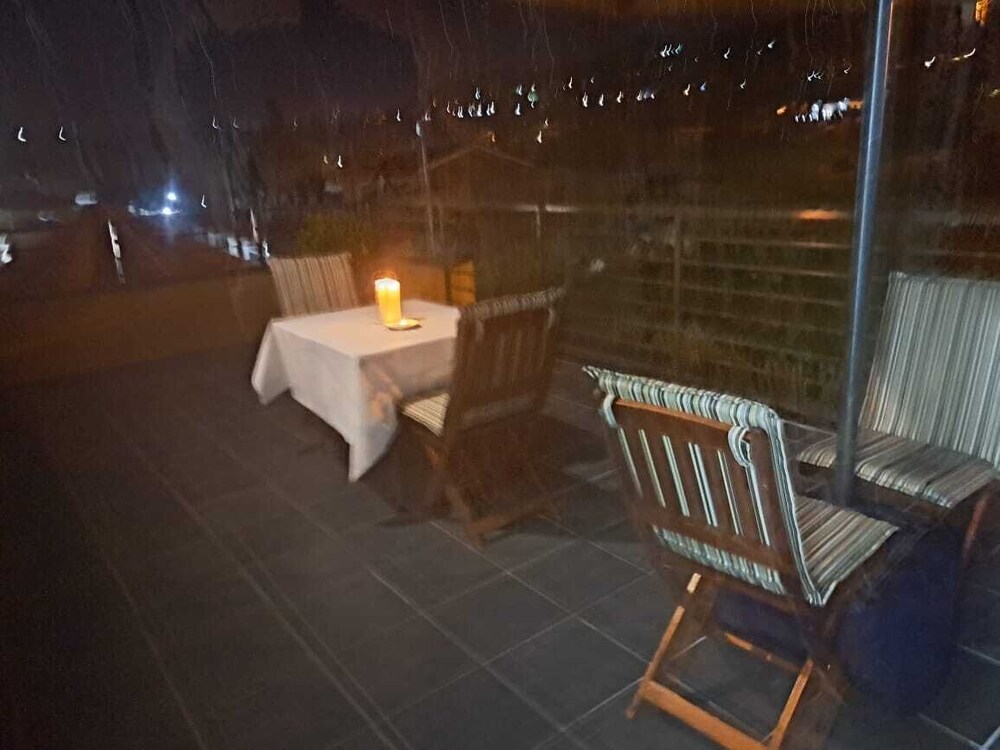
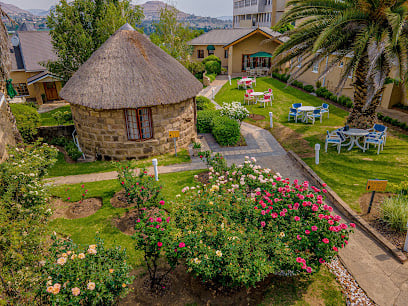
Maseru's most established hotel and social hub — a colonial-era institution that functions as the city's primary meeting point for the professional and expat community.
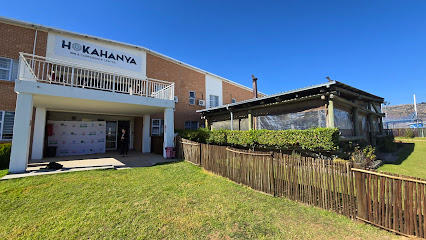
Modern four-star hotel in central Maseru — Minor Hotels brand with international standards, conference facilities, and a professional welcome for same-sex couples.
Maseru, Lesotho's capital, presents a unique and challenging destination for LGBTQ+ travelers. Understanding the legal and social landscape is essential before visiting.
Legal Context and Safety Considerations
Lesotho criminalizes same-sex sexual conduct under Section 38 of the Penal Code, with penalties including fines and imprisonment. However, enforcement is inconsistent and often depends on local attitudes and political will. The law reflects colonial-era legislation that persists in many Southern African nations. While violent crimes against LGBTQ+ individuals are not systematically documented, discrimination and social stigma are real concerns. The majority of the population holds conservative views shaped by Christian traditions and traditional customs. Travelers should exercise discretion, avoid public displays of affection, and be cautious about disclosing sexual orientation or gender identity to strangers.
Historical Context
Lesotho's LGBTQ+ history is not well-documented in public discourse. LGBTQ+ activism and visibility have been limited by legal restrictions and cultural conservatism. Unlike larger African nations with established Pride movements or visible gay communities, Lesotho has no public annual Pride celebration. However, LGBTQ+ individuals and communities do exist and have begun finding ways to connect, primarily through informal networks and increasingly through social media and dating apps. International organizations and human rights groups have documented discrimination against LGBTQ+ people in employment, healthcare, and housing.
The City and Neighborhoods
Maseru is a sprawling, relatively small capital by African standards, with a population of approximately 330,000. The city does not have delineated gay neighborhoods or districts. Instead, it functions as a traditional capital with government buildings, markets, residential areas, and commercial zones spread across the landscape. The city center, around Kingsway and Main Street, contains most commercial activity, shops, and services. Motimposo (the township area) is where many residents live in less formal housing.
Key neighborhoods include the CBD (Central Business District) along Kingsway, where most hotels, restaurants, and shops are concentrated. The areas of Maseru West and Maseru East are primarily residential. Hillside Nek, on the outskirts, is a more affluent residential area. None of these areas are specifically LGBTQ+-oriented, and there are no gay bars, clubs, or saunas operating openly in Maseru.
Accommodation
Maseru offers several hotels catering to business travelers and tourists. The Maseru Sun Hotel and Casino, located in the city center, is one of the largest hotels and a reliable option for visitors. It offers modern amenities, a casino, and restaurants. Lesotho Sun Hotel (distinct from Maseru Sun) is another established property. Smaller guesthouses and lodges operate throughout the city and in surrounding areas. Given the lack of LGBTQ+-specific accommodation, travelers should book reputable establishments and use standard travel safety practices. Many travelers opt to stay in well-reviewed hotels in the city center rather than isolated locations.
Maseru does not have gay bars, clubs, or bathhouses. Nightlife is limited and centered around hotel bars and restaurants. The Maseru Sun Casino and bar attracts a mixed crowd including travelers and locals. Some restaurants and bars operate in the city center, but these are conventional establishments without specific LGBTQ+ character or clientele. Connection between LGBTQ+ individuals happens primarily through private gatherings, WhatsApp groups, dating apps (Grindr, Scruff, Romeo), and online social networks. Travelers seeking to connect with local LGBTQ+ people should do so through discrete channels and exercise caution about meeting strangers.
Cultural Events and Pride
Maseru has no official Pride celebration. LGBTQ+ visibility during Pride season (typically June) is minimal, though some international organizations may recognize it discreetly. Human rights organizations occasionally host workshops or awareness events, but these are not public celebrations. Instead, Pride activism in Lesotho tends to focus on advocacy, legal reform, and grassroots community building rather than public festivities.
Food and Dining
Maseru's food scene reflects Southern African cuisine and international options. Traditional Sotho dishes include papali (pumpkin leaves), maize, beans, and meat-based stews. Many restaurants in the city center serve a mix of local and continental cuisine. The hotel restaurants (Maseru Sun, Lesotho Sun) are reliable for meals, though prices are higher than local establishments. Street food and local markets offer affordable options. For dining out, travelers should follow standard safety practices and dine in established, well-reviewed restaurants rather than isolated locations. Many LGBTQ+ travelers find it easiest to dine at hotel restaurants or in the commercial areas of the city center where there is good visibility and security.
Day Trips and Attractions
Maseru's main appeal for visitors is as a base for exploring Lesotho's natural beauty. The highlands offer spectacular scenery, hiking, and cultural experiences. Teyateyaneng, about 50 kilometers north, is known for traditional basket weaving and craft markets. The road to Afriski Mountain Resort (about 60 kilometers) passes through beautiful mountain scenery and traditional villages. Morija, with its museum and cultural sites, is a short drive away. The Katse Dam, one of Africa's highest arch dams, is a major engineering feat worth visiting. These day trips allow visitors to experience Lesotho's landscape and culture away from the capital. Outdoor activities like hiking, horseback riding, and 4x4 tours are popular, and LGBTQ+ travelers can enjoy these activities with the same safety considerations as any visitor.
Transportation
Maseru is served by Moshoeshoe I International Airport, located about 50 kilometers from the city. Flights connect to Johannesburg (South Africa), which is the main hub for accessing Lesotho. Ground transportation within Maseru consists of taxis (shared minibuses), rental cars, and ride-hailing services. Taxis are inexpensive but crowded and run on informal routes. For visitors unfamiliar with the system, renting a car or using ride-hailing apps (Uber operates in Maseru) is more practical and safer. Roads in Maseru are generally passable, though conditions vary. For longer trips into the highlands, a 4x4 vehicle is often necessary.
Health and Practical Considerations
Maseru has basic medical facilities, though serious medical emergencies may require travel to South Africa. Visitors should carry comprehensive travel insurance. Vaccinations against hepatitis A, typhoid, and yellow fever are recommended. Malaria is not present at Lesotho's elevation. Crime exists in Maseru, particularly petty theft and mugging in certain areas, especially after dark. Travelers should avoid walking alone at night, keep valuables secure, and stay in well-lit, populated areas. LGBTQ+ travelers should avoid disclosing sexual orientation to strangers and be cautious about discussing LGBTQ+ topics in public spaces.
Connecting with the Local LGBTQ+ Community
For travelers interested in meeting LGBTQ+ locals, the safest approach is to use dating and social apps before arrival and communicate cautiously. Some international LGBTQ+ organizations work in Lesotho on rights and health issues, but their activities are low-profile. Hotels with international clientele may have staff who can provide discrete guidance. Online forums and travel communities sometimes have information shared by previous visitors. Any meetings or social gatherings should be arranged in advance through trusted channels, and travelers should exercise caution about personal safety and privacy.
Who Should Visit Maseru?
Maseru is best suited for adventurous travelers seeking an authentic, off-the-beaten-path African experience rather than a conventional gay destination. Visitors interested in mountain landscapes, traditional culture, hiking, and independent travel will find Maseru and Lesotho rewarding. LGBTQ+ travelers with specific interests in activism, human rights work, or genuine cultural exchange may find connections and opportunities. However, those seeking LGBTQ+ nightlife, visible community spaces, or a rainbow-friendly tourist infrastructure should look elsewhere. Maseru offers an opportunity for culturally sensitive travel to a less-visited corner of southern Africa, but it requires awareness of legal risks, social conservatism, and the need for discretion.
Frequently asked questions
Lesotho has legal protections for LGBTQ+ individuals, and same-sex relationships have been legal since 1997. While the legal framework is progressive, social attitudes in Maseru can be mixed due to its religious and traditional society.
Maseru does not have formally designated LGBTQ+ neighborhoods. The central business district, particularly areas around Kingsway, is where most commercial establishments are located and tends to attract expatriates and tourists.
Maseru's bar scene is limited and venues are generally low-key, accepting LGBTQ+ patrons rather than catering specifically to them. Most social activity occurs at hotel bars and restaurants, and nightlife typically winds down by midnight.
Maseru does not have an established Pride parade or major LGBTQ+ festival. However, the city hosts various cultural events throughout the year that draw diverse crowds.
Several mid-range and upscale hotels in Maseru welcome LGBTQ+ guests. The Maseru Sun Hotel and Casino is centrally located and internationally managed, making it a welcoming option.
Dedicated LGBTQ+ venues are not common in Maseru. Word-of-mouth recommendations from local LGBTQ+ contacts or hotel staff are the best way to discover welcoming spaces.
Your privacy choices.
We use cookies to run GayOut and, with your consent, measure usage. Learn more
Your privacy choices
We use cookies to keep GayOut running, remember your preferences, and (with your permission) measure how the site is used. You can accept all, reject all, or pick what you allow. Learn more
Essential
Required for sign-in, fraud prevention, CSRF protection and remembering your language. Cannot be disabled.
Always on
Remembers your favourites, dark mode and other interface preferences across visits.
Helps us understand which pages people visit (Google Analytics, server-side stats) so we can improve.
Used by campaign tracking pixels. None are active right now, reserved for future use.
Install GayOut
Add GayOut to your home screen for faster access, offline favourites, and Pride alerts.


 Gay-Friendly Hotel
(322)
Gay-Friendly Hotel
(322)