Same-sex acts never criminalised in Cambodia. No legal recognition of partnerships or marriage. Generally tolerant society. Rainbow Community Kampuchea (RoCK) is the main LGBTQ+ NGO. No formal Pride parade ? community events only.
Never miss a gay event in Phnom Penh
One email a week — the weekend lineup, parties and deals. No spam, unsubscribe anytime.
LGBTQ+-friendly bar in the BKK1 expat district — an established venue with a lively atmosphere, regular drag nights, and a mixed crowd of Cambodian LGBTQ+-friendly men and international expats.
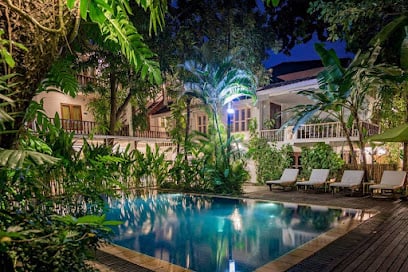
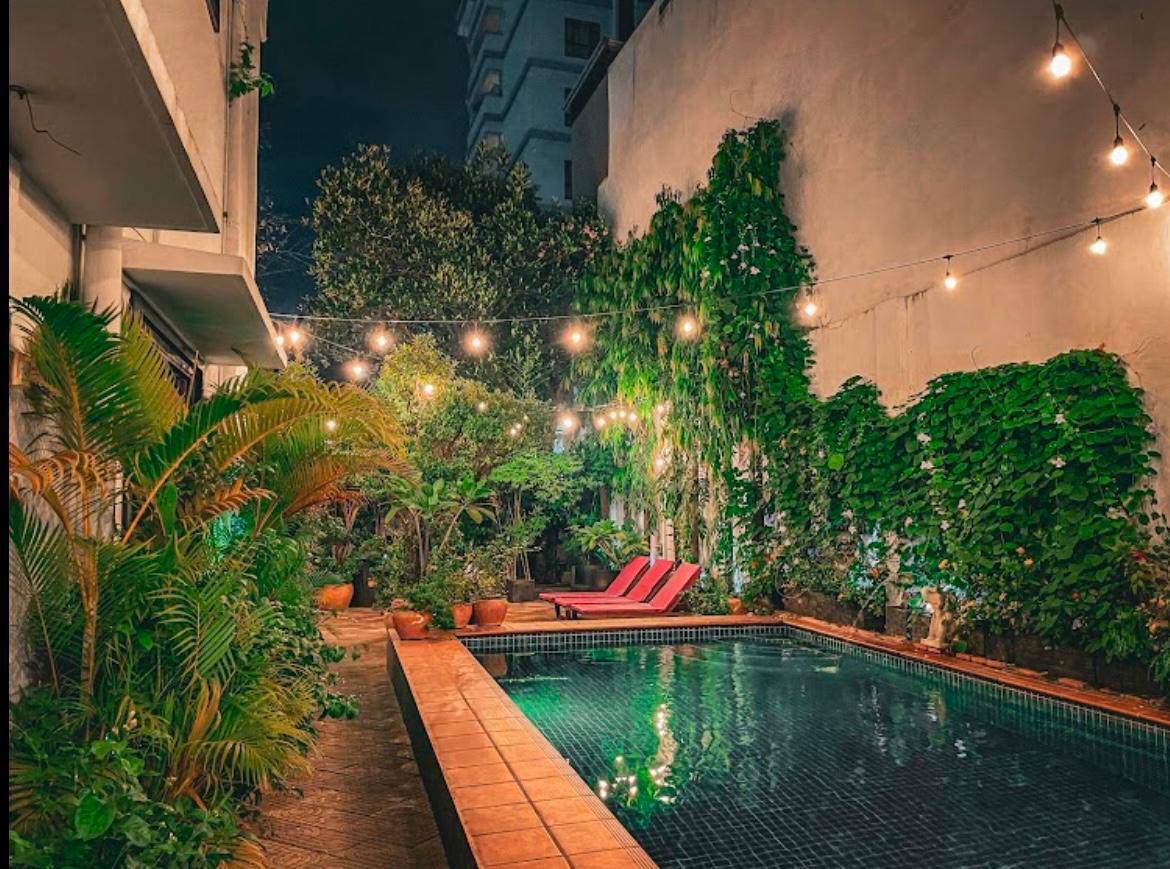
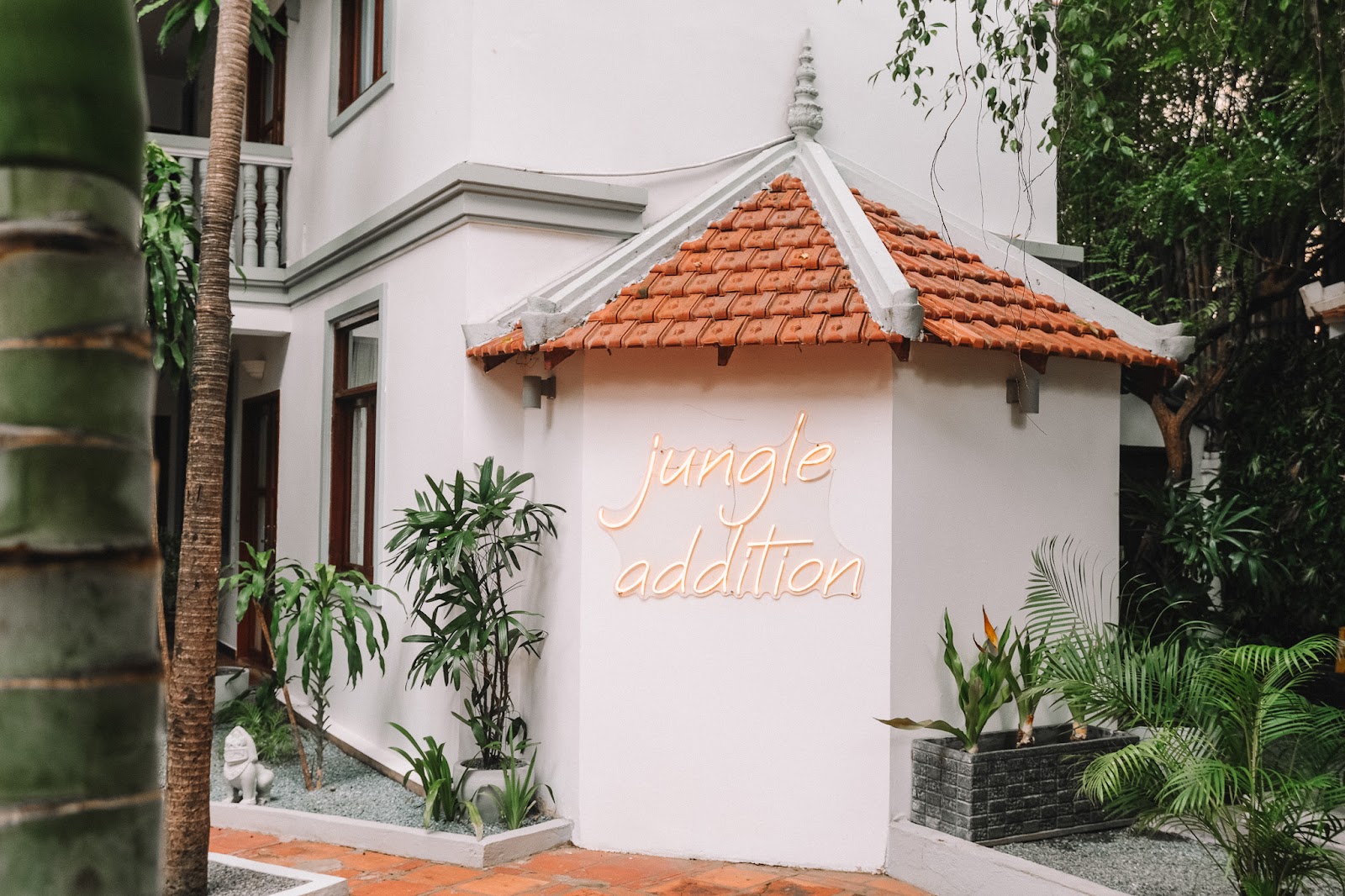
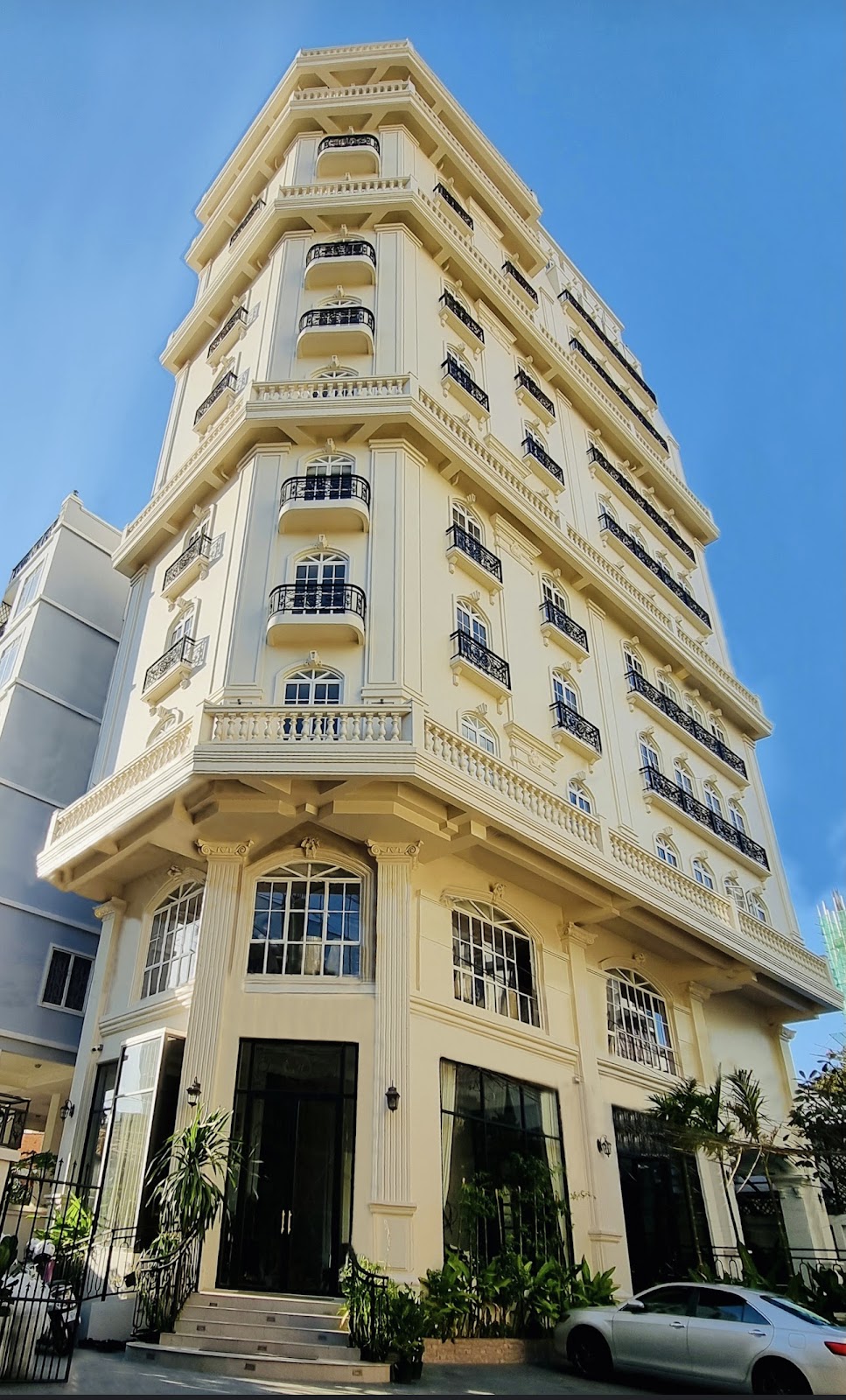
Phnom Penh's standout gay-friendly boutique hotel — a French-colonial villa in BKK1 with a central pool courtyard, warmly welcoming staff, and a consistent reputation as the best gay-friendly…
Cambodia does not have an explicit criminal statute criminalising same-sex conduct, but the legal environment remains deeply restrictive. The Constitution (Article 14) defines marriage as exclusively between a man and a woman, effectively enshrining discrimination into fundamental law. Same-sex couples have no legal recognition, inheritance rights, hospital visitation rights, or spousal protections. Transgender people have no legal recognition of gender identity and no pathway to change identity documents.
While there have been no widely publicised prosecutions of LGBTQ+ individuals in Cambodia in recent years, the absence of explicit criminal statutes does not equate to safety. Police discretion is broad, social conservatism runs deep, and local authorities can invoke public indecency, morality, or vague public order laws to harass or detain individuals. Buddhist cultural norms and family-centred values mean that LGBTQ+ people, especially those perceived as publicly non-conforming, face significant social stigma. International pressure for reform remains limited, and there is no government commitment to legal change.
In practice, enforcement against tourists is rare but possible. Authorities are unlikely to target foreign visitors discretely living their lives in international hotels. However, public displays of affection, activist activity, or flagrant behaviour could invite police intervention, fines, or deportation. The safest assumption is that discretion is mandatory, not optional.
PRACTICAL SAFETY
Geolocation dating apps such as Grindr and Jack'd use phone location data and are known to be monitored or screenshotted by both law enforcement and private individuals in countries with anti-LGBTQ+ laws. Using these apps in Cambodia poses a real risk of exposure, blackmail, or police action. Safer alternatives include creating profiles without location sharing, using VPNs, or simply avoiding these apps during travel.
Hotel policies vary significantly. International chains (Sofitel, Raffles, InterContinental, Accor properties) operate under global corporate policies that officially or unofficially accept same-sex couples in double rooms without question. Budget guesthouses, particularly those outside the central tourist zones, often refuse to book same-sex couples in the same room or will explicitly request separate beds. Always book through international platforms (Booking.com, Agoda) rather than directly with local guesthouses, as booking systems and corporate policies provide more protection than face-to-face negotiations with local owners.
Public displays of affection between same-sex couples are not socially acceptable in Phnom Penh and will attract stares, comments, and potential intervention from locals. Hand-holding, kissing, or close physical contact should be avoided in public spaces. In restaurants, bars, and hotels, mixed groups of same-sex friends are normal and unremarkable; it is couple behaviour and romantic affection that attracts negative attention.
Do not discuss sexual orientation or gender identity with strangers, local staff, or people outside trusted circles. Casual disclosure to taxi drivers, waiters, or hotel staff can lead to gossip, local exposure, or complications. Be cautious with social media: avoid posting photos that out you or reveal your location in Phnom Penh.
Visa requirements are straightforward for most nationalities (tourist e-visas or on-arrival visas), and entry and exit are routine. There are no specific questions about sexual orientation at immigration. The real risks emerge after arrival, from local exposure or police discretion.
WHAT DISCREET SOCIALISING LOOKS LIKE
There is no openly gay bar, club, sauna, or LGBTQ+ neighbourhood in Phnom Penh. LGBTQ+ socialising happens primarily through private channels: expat friendship networks, international hotel bars frequented by mixed crowds and tourists, and private gatherings in apartments.
Expat circles in Phnom Penh—teachers, NGO workers, diplomats, and business professionals—tend to be more liberal and accepting. Meeting people through international dating apps (not location-based services), social media groups for expats, or hostel communities can lead to friendships and social events in private spaces. Some international hotels have upscale bars that draw cosmopolitan crowds (tourists, expats, affluent locals) where same-sex friends can spend time together without drawing particular attention; the key is to blend in as part of a mixed tourist or expat group.
Private house parties, dinners, and gatherings hosted by expats or international residents are the primary venues where LGBTQ+ people can be open. These are invitation-only and require personal connections. Many long-term expats maintain discrete social circles.
However, visitors should be realistic: Phnom Penh does not offer a gay scene, and building the social capital to access private LGBTQ+ spaces requires either prior connections or extended time in the city. A typical tourist visiting for a week or two will not have meaningful access to LGBTQ+ community spaces. The focus should be on mainstream travel experiences and safe solo or group tourism rather than seeking LGBTQ+ nightlife.
MAINSTREAM TRAVEL HIGHLIGHTS
Phnom Penh is the gateway to Angkor Wat, one of the world's most important archaeological sites. The city itself offers substantial attractions: the Royal Palace and Silver Pagoda (stunning architecture and cultural significance), the National Museum, the Tuol Sleng Genocide Museum and Killing Fields (sobering reminders of the Khmer Rouge regime, essential for understanding Cambodian history), and the bustling Riverside area with traditional markets, colonial architecture, and street food.
Food & Drink
Food is exceptional: Khmer cuisine is underrated globally, and Phnom Penh has excellent street food, traditional restaurants, and a growing international dining scene. BKK Burger, Romdeng, and Malrec are popular eateries. The Riverside is lively in the evening with restaurants, bars, and live music.
Nightlife exists but is mainstream: karaoke bars, beer gardens, dance clubs, and late-night eateries cater to tourists and locals alike. These venues are not coded as gay; they are simply bars and clubs in a developing-world Southeast Asian city. The atmosphere is generally relaxed and tolerant of mixed groups, but not specifically welcoming to LGBTQ+ people.
Trekking, boat trips on the Mekong, craft workshops, and temple tours are popular activities. Day trips to Kbal Spean (river of 1000 lingas), Beng Mealea, and other temples are easily arranged.
WHERE TO STAY
Choose international hotels or well-reviewed guesthouses that operate through global booking platforms. Sofitel, Raffles, Accor, and InterContinental properties are safe options for same-sex couples; these chains have explicit non-discrimination policies. Prices range from mid-range ($80–150/night) to luxury ($200+). International boutique hotels in the Riverside and Central districts are also reliable.
Mid-range hotels and higher-end guesthouses on Booking.com or Agoda typically accept same-sex couples without issue if you book online and arrive with a confirmed reservation showing two names. Staff will assume you are a couple and proceed normally.
Avoid very cheap local guesthouses, especially outside the central tourist areas. These establishments often have explicit policies against same-sex room sharing, and negotiations on arrival will put you in an uncomfortable or unsafe position.
The Riverside district (Quay) is the most developed tourist area, with international restaurants, bars, hotels, and a pleasant evening atmosphere. Central areas around Monivong Boulevard are busier and more chaotic. The BKK district has boutique hotels and cafes. All are reasonably safe for tourists during the day; evening safety is standard travel precaution (avoid dark alleys, be aware of surroundings), not specific to LGBTQ+ status.
Phnom Penh is worth visiting for history, culture, food, and its role as the gateway to Angkor. It is not a destination for LGBTQ+ travellers seeking community, nightlife, or the freedom to be openly themselves.
Consider visiting if: You are comfortable being discreet, you enjoy cultural and historical tourism, you do not require LGBTQ+-specific venues or activism, you are part of an organised tour or travelling with companions, or you are an expat or long-term resident with established social networks.
Reconsider or plan very carefully if: You are newly out or need visible LGBTQ+ community and affirmation, you are uncomfortable with constant discretion, you are travelling alone and seeking social connection through apps or gay venues, you plan activist or Pride-related activities, or you are transitioning or visibly non-binary or gender non-conforming. The social and legal environment is not currently safe for conspicuous non-conformity.
Reality check: Phnom Penh is not Bangkok, which has visible (if not legally protected) LGBTQ+ spaces. It is not Singapore or Kuala Lumpur, which are developed and relatively discreet-friendly. Cambodia remains a developing country with conservative social values and legal hostility toward LGBTQ+ people. Travel here should be entered with eyes open and realistic expectations about what discretion and limited legal protection mean day-to-day.
Your privacy choices.
We use cookies to run GayOut and, with your consent, measure usage. Learn more
Your privacy choices
We use cookies to keep GayOut running, remember your preferences, and (with your permission) measure how the site is used. You can accept all, reject all, or pick what you allow. Learn more
Essential
Required for sign-in, fraud prevention, CSRF protection and remembering your language. Cannot be disabled.
Always on
Remembers your favourites, dark mode and other interface preferences across visits.
Helps us understand which pages people visit (Google Analytics, server-side stats) so we can improve.
Used by campaign tracking pixels. None are active right now, reserved for future use.
Install GayOut
Add GayOut to your home screen for faster access, offline favourites, and Pride alerts.


 Gay-Friendly Bars & Clubs
Featured
(301)
Gay-Friendly Bars & Clubs
Featured
(301)