
In this guide · 14 sections
- Chūō-ku: Tokyo's LGBTQ+ Hospitality
- The Scene: A Sophisticated Spread
- Chūō-ku's Welcoming Hotels
- ICI HOTEL Asakusabashi
- Hotel Ginnan
- BnA WALL - Art Hotel in Tokyo
- ulu Tokyo
- Dormy Inn PREMIUM Ginza
- Best Nights, Vibe, and What to Expect
- Practical Tips for the LGBTQ+ Traveler
- Getting There:
- Dress Code:
- Ages:
- Safety:
Chūō-ku: Tokyo's LGBTQ+ Hospitality
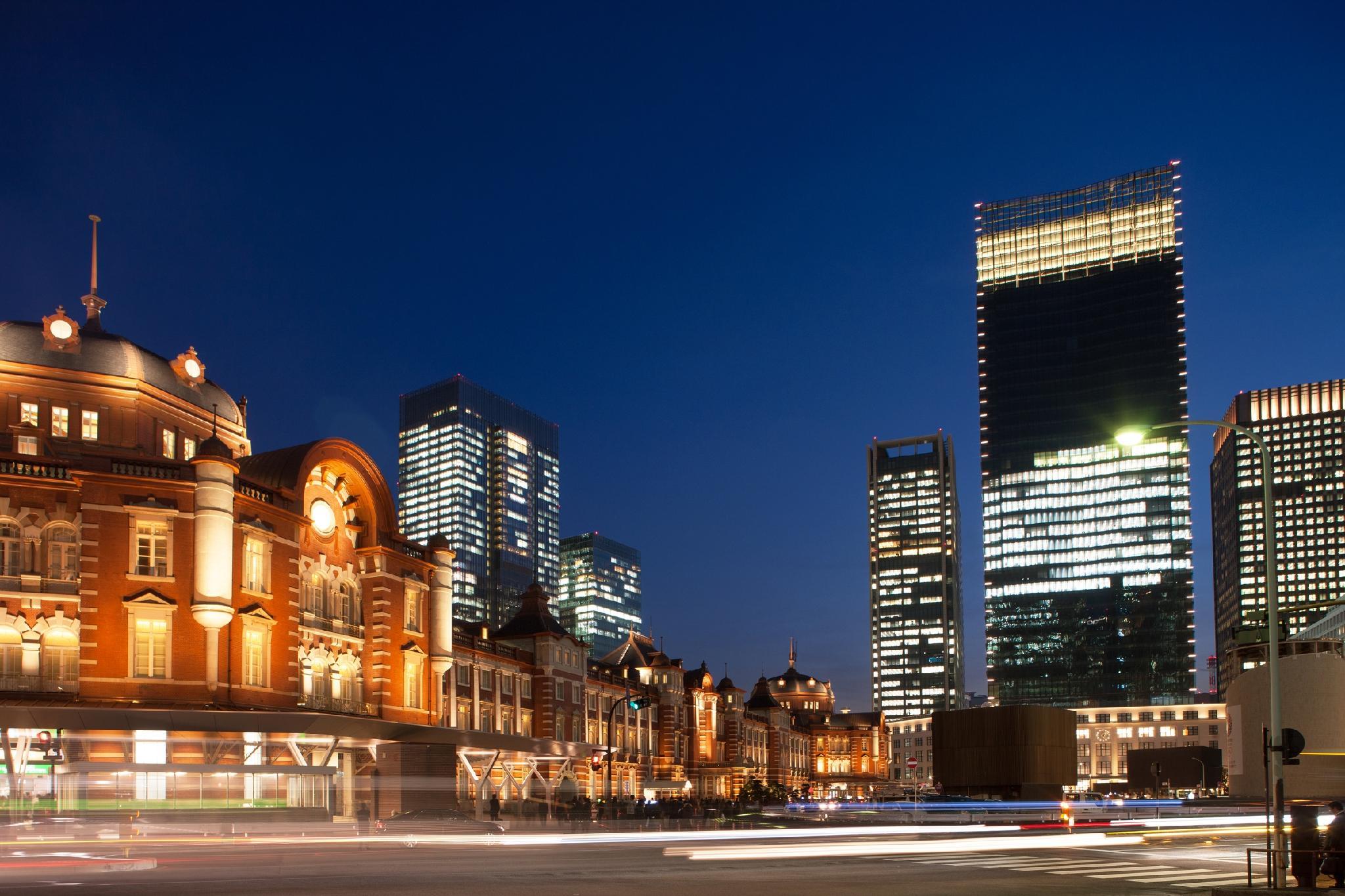
Chūō-ku, one of Tokyo's most historic districts, offers a sophisticated and welcoming experience for LGBTQ+ travelers. It's not a "gay village" like Shinjuku Ni-chome. Instead, Chūō-ku's hospitality extends a warm welcome to everyone. The district blends modernity and tradition: skyscrapers sit alongside temples and gardens. For gay travelers, this means hotels that prioritize comfort, style, and an inclusive atmosphere. It's a great base for exploring Tokyo, with its well-known gay scene just a short train ride away.
The Scene: A Sophisticated Spread
Unlike some cities where the LGBTQ+ scene is confined to a single neighborhood, Chūō-ku's appeal for gay travelers is more diffused. It's integrated within its broader upscale offerings. Areas like Ginza, Nihonbashi, and Tsukiji are known for high-end shopping, dining, and cultural attractions. Against this backdrop of refined urban living, you'll find hotels that are explicitly LGBTQ+-friendly, or so inclusive they naturally attract a diverse clientele, including many gay travelers.
Chūō-ku doesn't have gay bars or clubs directly within its borders; those are mostly in Shinjuku Ni-chome. But its hotels are excellent, welcoming places to stay. Chūō-ku's subway network means you're close to lively gay nightlife, but can retreat to a serene, luxurious environment. Here, the focus is on quality accommodation that understands and respects all guests, fostering comfort and acceptance.

Chūō-ku's Welcoming Hotels
Chūō-ku has hotels that appeal to discerning travelers, and many have cultivated an atmosphere particularly welcoming to the LGBTQ+ community. Here are some standout options:
ICI HOTEL Asakusabashi
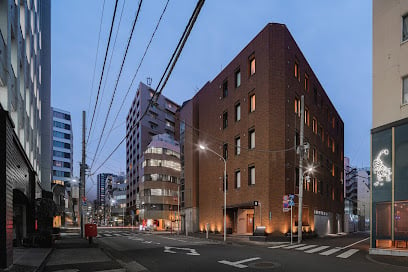
Asakusabashi technically straddles Chūō-ku and Taito-ku. ICI HOTEL Asakusabashi is a good example of the modern, efficient, and welcoming hospitality you find in the area. This hotel has a clean, contemporary design and aims to provide a comfortable, convenient stay. It appeals to travelers who like minimalist aesthetics and thoughtful amenities. Staff at ICI HOTEL Asakusabashi are professional and warm; they make sure all guests feel respected and at home. Its location, slightly on the edge of Chūō-ku, gives great access to both traditional Asakusa and the heart of Chūō-ku. It's a strategic and budget-friendly choice for exploring Tokyo. Its inclusive policy means LGBTQ+ guests can expect a hassle-free, friendly experience.

Hotel Ginnan
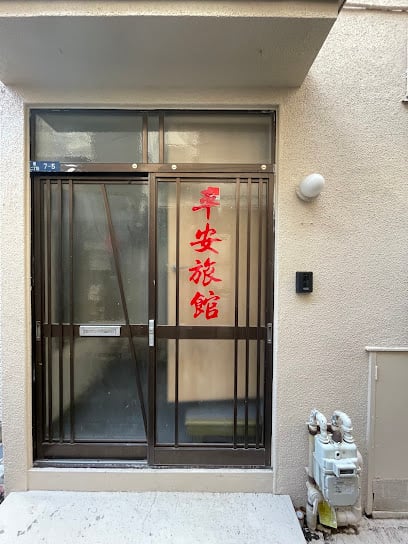
Hotel Ginnan offers a Japanese blend of comfort and hospitality. It's often praised for attentive service and a quiet atmosphere, providing a peaceful retreat from the city. While not exclusively a "gay hotel," Hotel Ginnan's commitment to exceptional service extends to creating a welcoming environment for all, including LGBTQ+ individuals. Guests often commend the staff's discretion and kindness. Its location gives easy access to Ginza shopping and Tokyo Station. This makes it ideal for leisure and business travelers seeking a sophisticated, unpretentious base. Rooms are usually well-appointed, mixing traditional Japanese elements with modern comforts.
BnA WALL - Art Hotel in Tokyo
For the LGBTQ+ traveler who loves art and unique experiences, BnA WALL - Art Hotel in Tokyo is a must-stay. It's not just a hotel; it's a living art gallery. Each room is a custom art installation by a different Japanese artist. Staying here is an experience that goes beyond mere accommodation, offering a look into Tokyo's contemporary art scene. The hotel champions creativity and diversity, making it a welcoming space for anyone who appreciates individuality and expression. Its philosophy aligns with the LGBTQ+ community's values of authenticity and self-expression. Located in Chūō-ku, BnA WALL provides a memorable, visually stimulating stay, good for those looking for something extraordinary and culturally rich. Communal spaces often host events, fostering a community atmosphere.
ulu Tokyo
ulu Tokyo offers a distinct, intimate experience, often focused on personalized service and a quiet ambiance. While its public image as an LGBTQ+ hotel might be subtle, its commitment to providing a private, comfortable stay for all guests makes it suitable for gay travelers seeking discretion and quality. The hotel often emphasizes high hospitality, which in Japan means respect for individual needs and preferences. Located in a convenient part of Chūō-ku, ulu Tokyo gives easy access to key attractions while offering a peaceful sanctuary. It's a good option for couples or solo travelers looking for a quiet, well-serviced base, confident that their comfort and privacy are paramount.
Dormy Inn PREMIUM Ginza
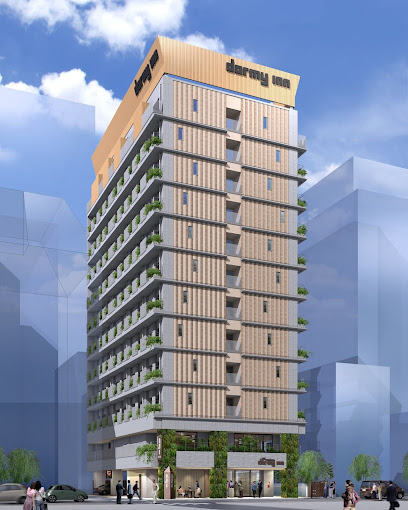
The Dormy Inn PREMIUM Ginza shows the best of Japanese business hotel chains, but with upgrades that make it appealing to a broader range of travelers, including the LGBTQ+ community. It's known for its value, comfortable rooms, and, notably, its excellent on-site public bath (onsen) facilities. This hotel blends luxury and practicality. Japanese public baths, while requiring adherence to etiquette, are generally inclusive, offering a unique cultural experience. The "PREMIUM" designation means enhanced amenities and service. Located in Ginza, it offers access to shopping, dining, entertainment, and good transport links to Shinjuku Ni-chome. Staff are professional and welcoming, ensuring all guests feel respected and cared for. The complimentary evening ramen is a nice touch.
Best Nights, Vibe, and What to Expect
Chūō-ku itself doesn't have specific "gay nights" like a dedicated gay club might. Instead, the vibe here is sophisticated urban living: good dining, high-end shopping, and cultural immersion. The hotels mentioned keep a welcoming atmosphere seven days a week. Expect a professional, courteous, and respectful environment at all times. All guests are treated with hospitality, regardless of sexual orientation or gender identity.
For Tokyo's gay nightlife, a short trip (15-25 minutes by subway) to Shinjuku Ni-chome is recommended. There, you'll find many gay bars, clubs, and cafes that come alive, especially on Friday and Saturday nights, though many are busy throughout the week. Staying in Chūō-ku lets you enjoy both worlds: a luxurious, peaceful retreat in a central location, with easy access to the lively gay scene whenever you want it.
Practical Tips for the LGBTQ+ Traveler
Getting There:
Chūō-ku is well-connected by Tokyo's subway and JR train networks. Narita (NRT) and Haneda (HND) airports offer transport options: Limousine Bus services directly to major hotels or stations like Tokyo Station (which borders Chūō-ku), or the Narita Express (N'EX) and Keikyu Line for train connections. Once in Chūō-ku, the district is easy to navigate on foot or via its subway lines (e.g., Ginza Line, Hibiya Line, Toei Asakusa Line). Google Maps helps navigate public transport in Tokyo.
Dress Code:
Tokyo, especially in districts like Chūō-ku, tends to be stylish but not overly formal. Smart casual attire is generally fine for hotels, restaurants, and shopping. For a night out in Shinjuku Ni-chome, anything from casual to trendy is acceptable, depending on the venue. There's no strict "gay dress code," so express your personal style.
Ages:
The legal drinking and smoking age in Japan is 20. Most hotels cater to adults of all ages; there are no specific age restrictions for entry beyond the legal age for alcohol consumption if you plan to visit bars. The listed hotels are generally for adult travelers, though some may accommodate families.
Safety:
Tokyo is one of the safest cities in the world. Chūō-ku is no exception. LGBTQ+ travelers can feel safe walking around, using public transport, and staying in hotels. Public displays of affection among same-sex couples are less common in Japan than in some Western countries, but this reflects general Japanese cultural norms for all couples, not specific homophobia. Discrimination is rare, and the hospitality industry is usually professional and respectful. Be aware of your surroundings, especially late at night, but serious crime is uncommon. In an emergency, dial 110 for police or 119 for fire/ambulance.
Chūō-ku offers a refined, genuinely welcoming experience for LGBTQ+ travelers to Tokyo. Choosing a hotel here puts you in a good spot to enjoy both central Tokyo's tranquility and luxury, and the energy of its gay scene.
