No national recognition of same-sex partnerships. Many municipalities issue partnership certificates. National same-sex marriage ruling is expected from courts. Social acceptance varies widely.
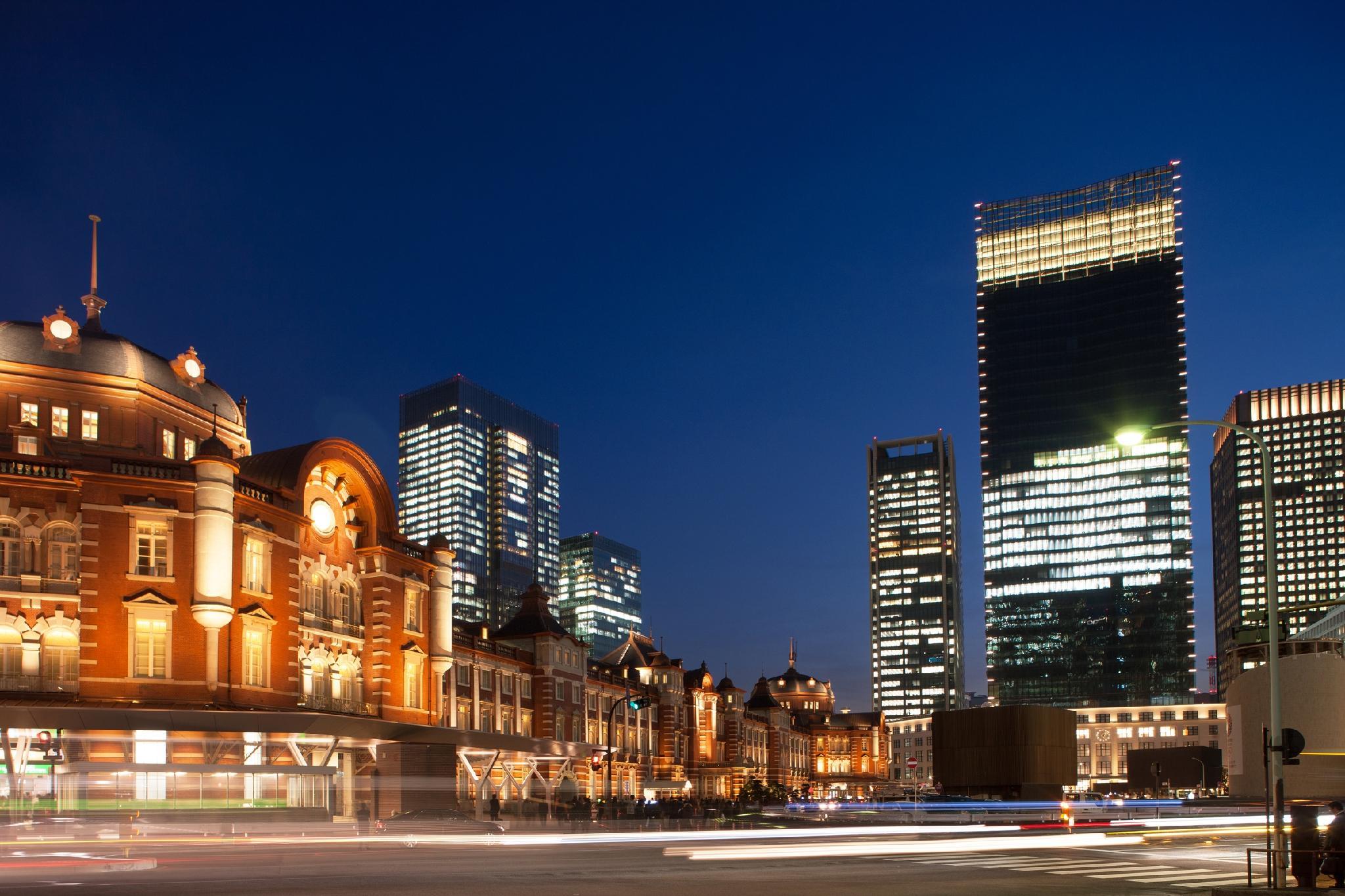
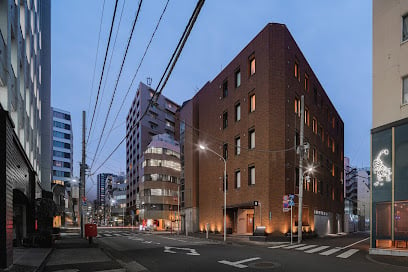
Chūō-ku is Tokyo's central ward and home to Shinjuku Ni-chōme, arguably Asia's most established and vibrant gay district. While Chūō-ku covers a wider area, the LGBTQ+ scene concentrates in Shinjuku Ni-chōme and the broader Shinjuku neighborhood, making it an essential destination for gay travelers to Tokyo.
History of the Scene
Tokyo's gay scene emerged gradually in the post-war period, but Shinjuku Ni-chōme began forming as a recognizable gay district in the 1960s and 70s. Small bars and establishments catered to gay men seeking community in a society with limited open LGBTQ+ spaces. Unlike Western cities with large-scale Pride parades in earlier decades, Tokyo's scene remained more discreet, though Ni-chōme thrived as a semi-underground hub. By the 1980s and 90s, the district had become established enough to appear in international gay travel guides.
The community faced challenges during the HIV/AIDS crisis of the 1980s and 90s, as did many global LGBTQ+ communities. However, Tokyo's healthcare system and growing acceptance allowed the scene to continue evolving. Today, while Japanese society remains conservative in some respects regarding LGBTQ+ rights (same-sex marriage is not yet legally recognized nationwide), Tokyo's gay districts operate openly and attract international visitors without significant legal restrictions.
Neighborhoods and Layout
Shinjuku Ni-chōme is the primary gay district, located in Chūō-ku's Shinjuku area. The neighborhood is compact—roughly bounded by Meiji-dori to the east and Kasuga-dori to the north. Navigation is straightforward for visitors familiar with Tokyo's grid system, though many alleys are narrow and easy to miss. The district is walkable, with most venues within 10-15 minute walks of each other.
The wider Shinjuku ward (of which Ni-chōme is a part) includes other areas of interest: Kabukichō (known for adult entertainment), the upscale Marunouchi shopping area, and residential neighborhoods with LGBTQ+-friendly restaurants and cafes. South of Shinjuku, Shibuya is another major entertainment hub and contains some gay venues, though Ni-chōme remains the primary gay neighborhood.
Key Venues and Venues Types
Ni-chōme contains an estimated 200-300 bars, clubs, and gay-oriented businesses, though exact numbers fluctuate. Venues range widely in size, theme, and clientele:
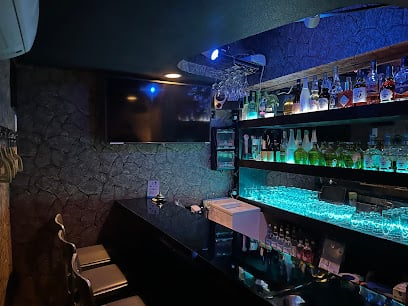
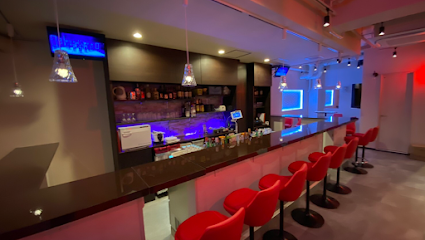
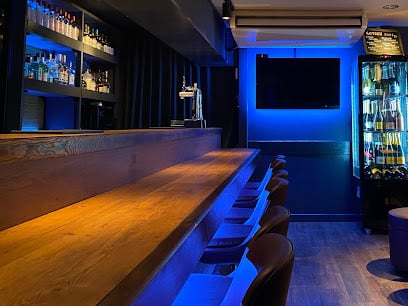
Gay bars dominate the district, ranging from tiny 5-seat counter bars (some with a single bartender serving one drink at a time) to larger establishments seating 20-50 people. Many cater to specific demographics: some to older men, others to younger crowds, some to bears, some to feminine-presenting patrons, and some specifically to women (lesbian bars are less numerous but present). Popular long-standing venues include Arty Farty, known as one of the largest and most welcoming bars for mixed crowds and foreigners, and numerous smaller bars whose names and styles reflect their regular clientele.
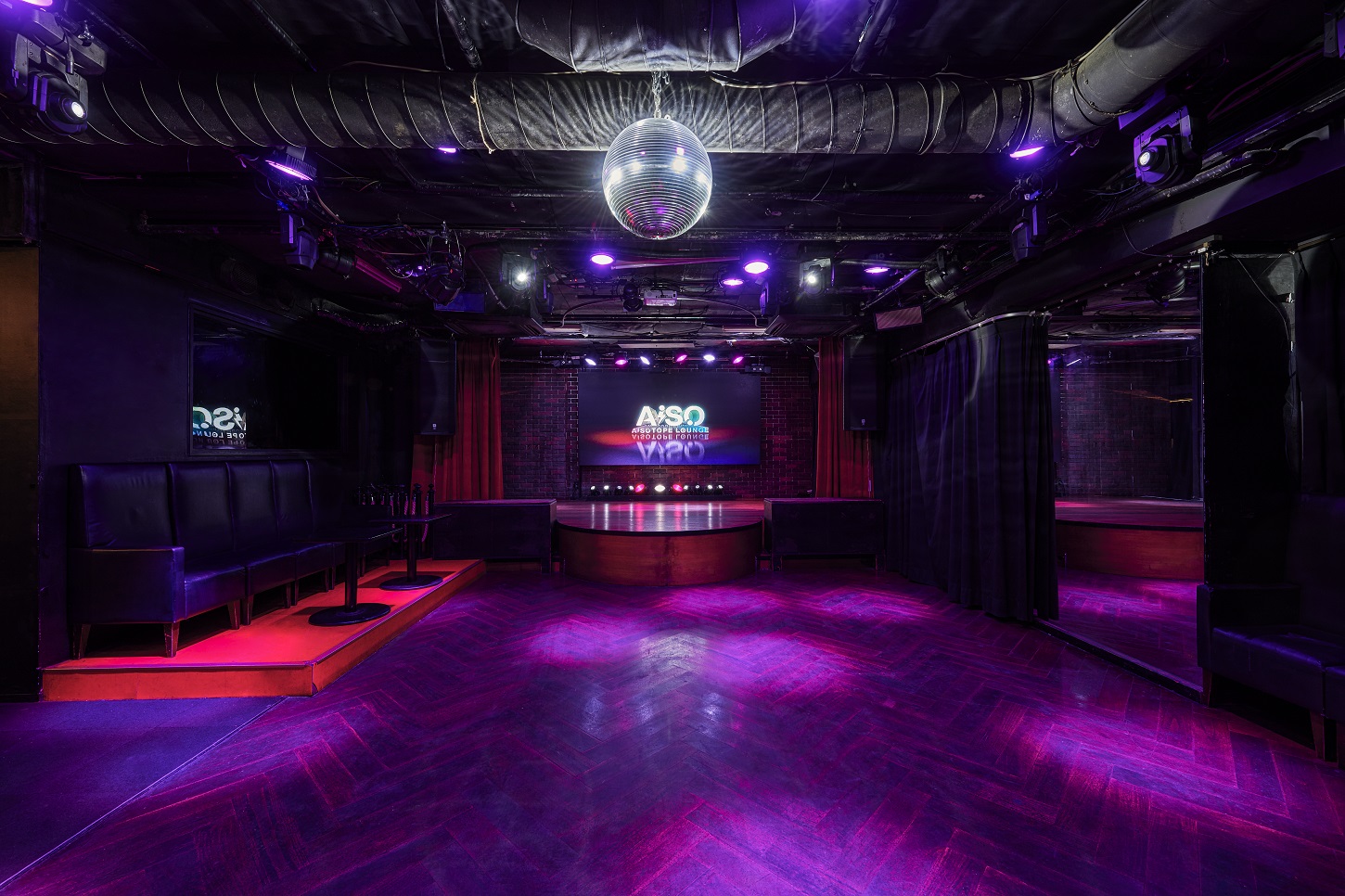
Clubs and dance venues host DJ nights, often with cover charges of 1000-3000 yen (roughly $7-20 USD) plus drink minimums. These vary in size and capacity and often feature international and local DJs, especially on weekends.
Karaoke establishments are ubiquitous throughout Tokyo and many in Ni-chōme cater to gay crowds, offering private rooms for groups.
Onsen (hot spring bathhouses) with gay clientele exist in Tokyo, though they operate in a gray legal area. Some are traditional bathhouses that happen to attract gay patrons; others operate as saunas or day-spas. These are less prominent than bars but exist for those seeking them.
Food & Drink
Restaurants and cafes: The neighborhood has numerous casual eateries, ramen shops, and restaurants with gay ownership or clientele. Many are small and informal. Larger restaurant chains throughout Shinjuku also cater to diverse crowds.
Safety, Legal Considerations, and Acceptance
Japan has no laws criminalizing same-sex relationships. Tokyo is exceptionally safe for LGBTQ+ travelers, with violent crime against gay people extremely rare. Police do not harass gay establishments or patrons. However, Japanese society remains socially conservative in many respects: same-sex marriage is not legally recognized, and corporate and family acceptance of LGBTQ+ identities varies. Public displays of affection are generally less common in Japan regardless of sexual orientation, reflecting broader cultural norms about public behavior.
Public bathrooms and changing facilities may feel less private than in some Western countries, but this is not specific to LGBTQ+ people. For transgender travelers, documentation requirements can be strict; visitors should research visa and entry requirements based on their documentation.
Within Ni-chōme and surrounding Shinjuku, LGBTQ+ people are highly visible and the area is entirely welcoming. Outside these zones, LGBTQ+ identity may attract less acceptance, though overt hostility is uncommon. English is widely spoken in tourist areas and many Ni-chōme bars, particularly those catering to international visitors.
Events and Pride
Tokyo Rainbow Pride typically occurs in late April or early May, featuring a parade through Yoyogi Park and Omotesando (a major shopping street). This is Japan's largest LGBTQ+ pride event, drawing tens of thousands of participants and spectators. The pride festival includes stages, vendor booths, and performances throughout the day. Many bars and venues in Ni-chōme host special events during pride week.
Pride & Events
Pride is not yet a national holiday, and corporate participation, while growing, remains more modest than in some Western cities. However, the event has grown substantially in recent years, with increasing visibility and media coverage.
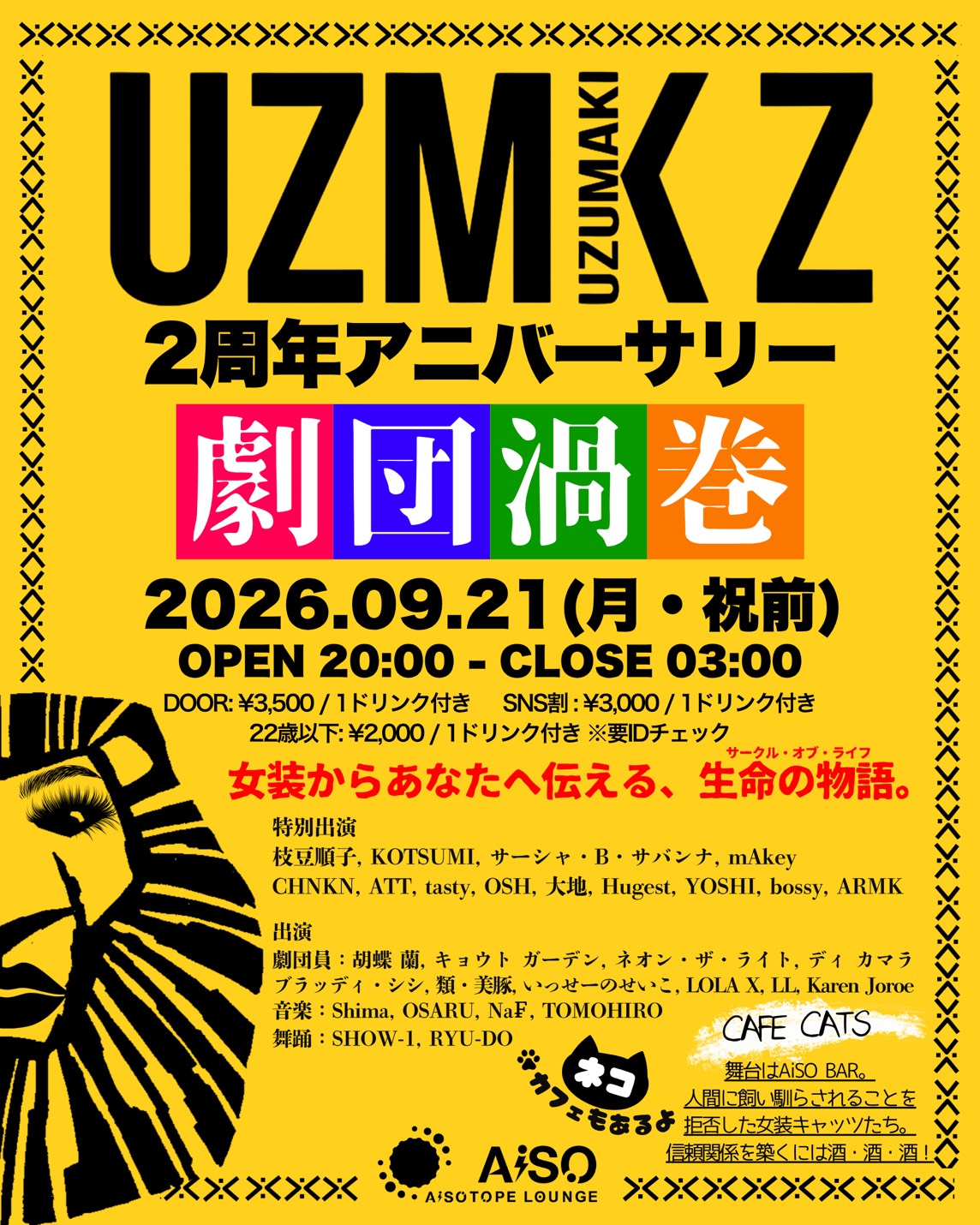
Throughout the year, individual bars and venues host themed nights, DJ events, and parties. Many clubs feature regular Friday and Saturday night events. Some venues coordinate larger events on specific nights (e.g., certain bars may have designated "bear nights" or themed parties). Checking venue websites and local gay guides (including Japanese-language resources and international travel sites) will reveal current event calendars.
Where to Stay
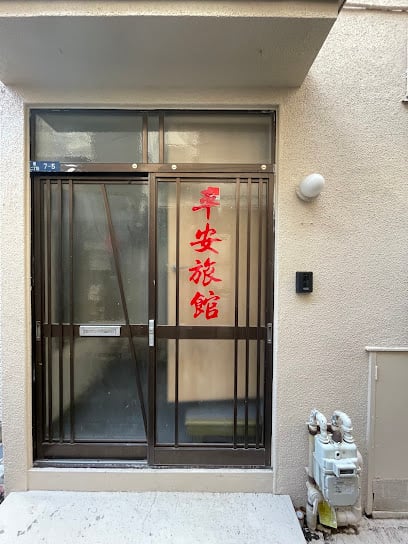
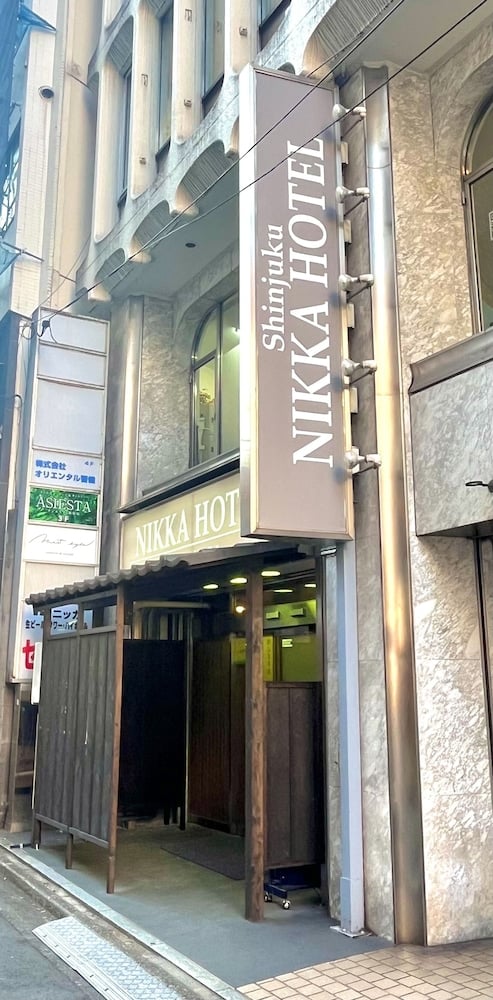
Shinjuku offers numerous hotels within walking distance of Ni-chōme, from budget capsule hotels (3000-5000 yen, or roughly $20-35 USD per night) to luxury properties. Many hotels actively market to LGBTQ+ travelers or explicitly welcome same-sex couples.
Staying in or near Shinjuku allows easy access to the gay district without needing taxis late at night (though Tokyo's public transit runs until midnight on most lines, and early morning trains resume around 5 AM). Alternatively, staying in adjacent wards like Minato-ku or Shibuya-ku is feasible, as these are minutes away by train.
Tokyo's public transit is extensive, efficient, and operates on a payment-card system (Suica or Pasmo cards, usable on trains, subways, and buses). Shinjuku Station, one of the world's busiest, is served by multiple train lines, making it easily accessible from any Tokyo neighborhood and from the airports (Narita and Haneda).
Ni-chōme is a 5-minute walk from Shinjuku Station's east exit. The JR Yamanote line, Tokyo Metro Marunouchi line, and Toei Shinjuku line all serve Shinjuku, providing multiple access points.
Walking is the primary mode of transport within the district, though taxis are readily available and affordable for late-night returns to hotels.
Food and Dining
Beyond gay-specific venues, Shinjuku and Chūō-ku offer extensive dining options: traditional ramen, sushi, tempura, yakitori (grilled chicken), and modern fusion restaurants. Many LGBTQ+ travelers enjoy exploring Tokyo's food culture, and the area's diversity means options range from inexpensive street food to Michelin-starred restaurants.
Ni-chōme itself has small restaurants and izakayas that serve LGBTQ+ clientele. Prices are generally reasonable, with meals ranging from 800 yen (roughly $5-6 USD) for a basic bowl of ramen to 5000+ yen for more elaborate meals.
Day Trips and Nearby Attractions
While Chūō-ku and Shinjuku are urban districts, Tokyo offers numerous day-trip options:
Meiji Shrine and Yoyogi Park (adjacent to Shinjuku) provide green space and cultural sites within walking distance.
The Ghibli Museum and other cultural institutions are accessible by train.
Mount Fuji and Hakone can be visited as day or overnight trips from Tokyo.
Kamakura, a coastal town south of Tokyo, offers temples and beaches and is a 1-hour train ride away.
Nikko, famous for its shrines and natural scenery, is a 2-hour train ride north.
Many travelers combine a few nights in Chūō-ku's gay district with time exploring Tokyo's broader attractions and day-tripping to nearby regions.
Practical Considerations
Language: While English is spoken in touristy areas and many Ni-chōme bars, learning basic Japanese phrases is helpful. Smartphone translation apps are widely used. Many younger Japanese speak English, particularly in central Tokyo.
Currency: Japan is primarily cash-based, despite growing card acceptance. ATMs at convenience stores (7-Eleven, Family Mart, Lawson) accept international cards. Currency exchange is available at airports and banks.
Visa requirements: Most Western travelers receive 90-day visitor status upon arrival; check current requirements for your nationality.
Phones: International phone plans are expensive; many travelers purchase prepaid SIM cards or rent pocket WiFi devices.
Dressing: Tokyo is fashion-forward and generally casual. Ni-chōme venues range from casual bars to clubs with dress codes; jeans and casual wear are generally acceptable in bars, while clubs may expect slightly dressier attire.
Conclusion
Chūō-ku's Shinjuku Ni-chōme offers one of Asia's most established gay scenes with centuries-old Japanese hospitality and modern urban amenities. The district's history, diversity of venues, and integration within Tokyo's broader culture make it appealing to a wide range of LGBTQ+ travelers. Whether visiting for Pride, a dedicated gay-focused trip, or as part of broader Tokyo tourism, Ni-chōme provides access to community, nightlife, and cultural experiences in one of the world's safest and most dynamic cities.
Frequently asked questions
Shinjuku Ni-chōme is described as the epicenter of Tokyo's LGBTQ+ community and one of the world's most significant gay districts within Chūō-ku.
The LGBTQ+ scene in Shinjuku Ni-chōme emerged organically in the 1970s, starting with gay bars that provided refuge and community. It has since grown into one of Asia's most vibrant gay entertainment districts.
Shinjuku Ni-chōme is a compact geographic area, with most establishments concentrated within a few blocks. The entire neighborhood is highly walkable, with most venues within a 10-minute walk of each other.
The main east-west streets through Ni-chōme, particularly the alley known locally as "Omoide Yokocho" adjacent area and the various small lanes, contain the highest concentration of gay bars and clubs.
While same-sex marriage is not recognized nationally, central Tokyo and particularly Chūō-ku represent Japan's most progressive attitudes toward LGBTQ+ people, with visible community infrastructure and relatively open social acceptance among younger generations.
The neighborhood is immediately adjacent to Shinjuku Station, one of Tokyo's busiest transit hubs, making it easily accessible from anywhere in the metropolitan area.
Your privacy choices.
We use cookies to run GayOut and, with your consent, measure usage. Learn more
Your privacy choices
We use cookies to keep GayOut running, remember your preferences, and (with your permission) measure how the site is used. You can accept all, reject all, or pick what you allow. Learn more
Essential
Required for sign-in, fraud prevention, CSRF protection and remembering your language. Cannot be disabled.
Always on
Remembers your favourites, dark mode and other interface preferences across visits.
Helps us understand which pages people visit (Google Analytics, server-side stats) so we can improve.
Used by campaign tracking pixels. None are active right now, reserved for future use.
Install GayOut
Add GayOut to your home screen for faster access, offline favourites, and Pride alerts.







 Gay-Friendly Bars & Clubs
(17)
Gay-Friendly Bars & Clubs
(17)