Generally tolerant society but no legal recognition of same-sex relationships. A Sexual Orientation and Gender Identity Expression (SOGIE) bill has been pending in Congress for decades. Catholic Church influence is significant.
Never miss a gay event in Puerto Princesa
One email a week — the weekend lineup, parties and deals. No spam, unsubscribe anytime.
Weekly event updates. Notifications appear on your lock screen.
On iPhone: first add GayOut to your Home Screen (Share → Add to Home Screen), then open it from there to enable notifications.
We guaranteed to maintain and keep in accordance with some basic honesty every one of the things that the voyagers expected and the right that they merited and qualified for.
Blue Lagoon Inn and Suites is a tropical heaven, intended to spoil you while finding the characteristic marvels of Palawan, for example, island-bouncing, shoreline brushing, snorkeling, scuba…
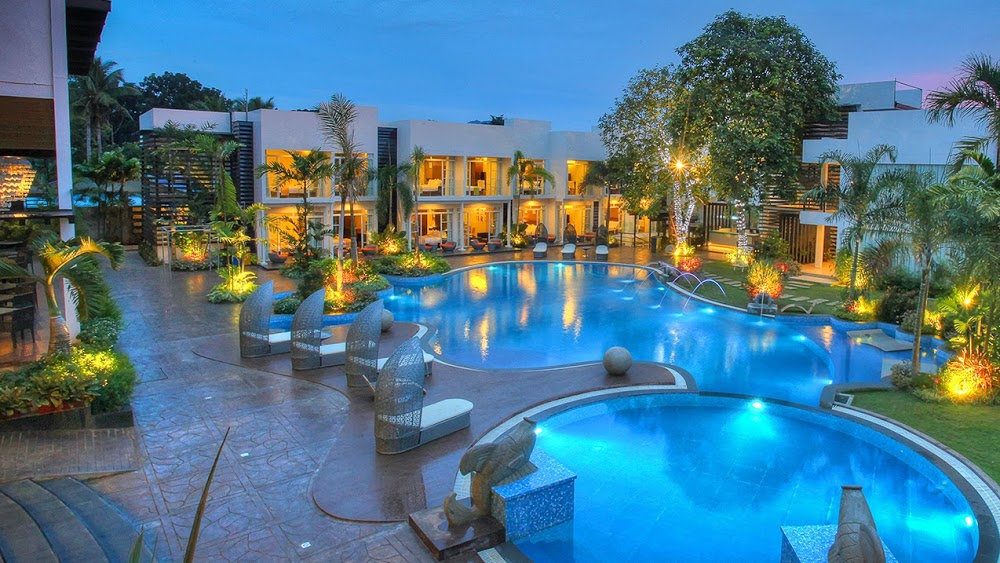
Propelled by the normal abundance of the surroundings in Puerto Princesa, every convenience at Aziza Paradise Hotel is set in earth hues and rich tints, emphasized by substantial glass windows to let…
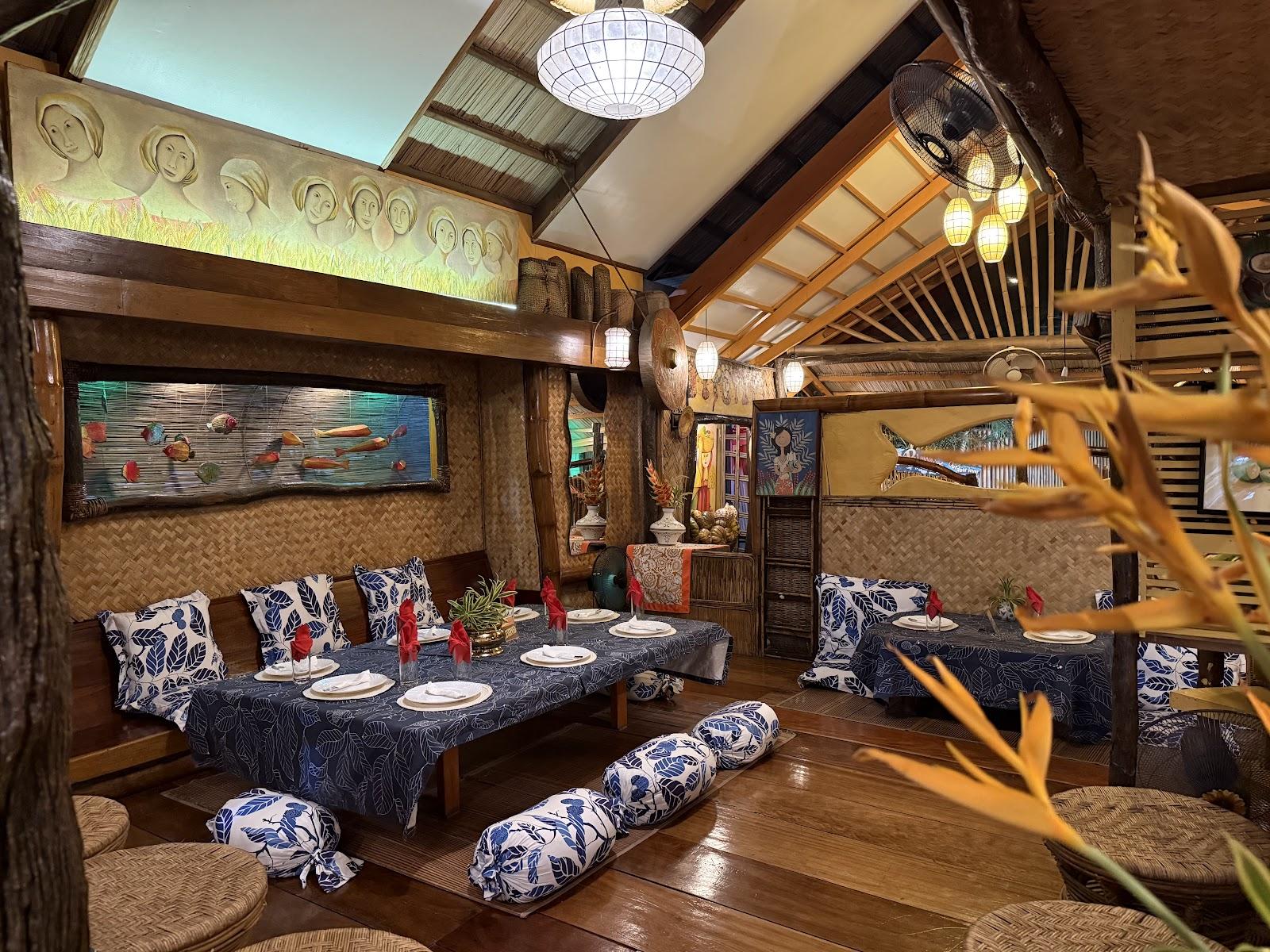
On the off chance that you are sufficiently blessed to have made an arrangement, even on a Tuesday night, you will be invited at the entryway with a solicitation to expel your shoes.
Puerto Princesa, capital of Palawan province in the Philippines, represents a different type of LGBTQ+ destination. Rather than offering a concentrated gay quarter or extensive nightlife scene, it provides a welcoming tropical setting where LGBTQ+ travelers can enjoy outdoor adventures, natural attractions, and a generally accepting local culture.
History and Social Context
The Philippines overall has a reputation for tolerance toward LGBTQ+ individuals, and Puerto Princesa reflects this broader cultural attitude. While the Philippines does not have comprehensive anti-discrimination laws, Filipino society tends toward acceptance, particularly in urban and tourist areas. Puerto Princesa has benefited from tourism development and international exposure, creating a relatively open-minded environment. The local community has a live-and-let-live approach, and LGBTQ+ travelers report positive interactions. However, legal protections remain limited, as the country lacks civil partnership recognition and anti-discrimination statutes specifically protecting sexual orientation and gender identity.
Neighborhoods and Geography
Puerto Princesa is relatively compact compared to Manila or Cebu. The city center, around the Public Market and Valencia Street, contains most commercial establishments, restaurants, and services. The waterfront area along Rizal Avenue offers scenic views and is popular with tourists and locals alike. Barangay Sta. Monica, an outlying area, contains some residential communities and guesthouses. Most LGBTQ+ travelers base themselves near the city center or along the main tourist corridors, which provide convenient access to restaurants, shops, and tour operators.
Accommodations
Puerto Princesa has numerous guesthouses and hotels catering to international tourists, many of which are LGBTQ+-friendly. Boutique guesthouses and mid-range hotels dominate the accommodation landscape rather than large resorts. Several guesthouses are openly operated by or catering to LGBTQ+ clientele, offering personalized service and local knowledge. Most accommodations are clustered around the city center or near the baywalk area. Booking through platforms like Airbnb, Booking.com, or LGBTQ+-specific sites provides good options with guest reviews indicating staff attitudes toward LGBTQ+ guests.
Unlike Manila or Cebu, Puerto Princesa lacks dedicated gay bars or clubs. However, certain establishments attract mixed and LGBTQ+ crowds. Small bars along Valencia Street and the baywalk area serve as informal gathering spots. Karaoke bars, a beloved Filipino pastime, are popular social venues where locals and tourists mix. Some restaurants and beachfront establishments have welcoming atmospheres. The scene is primarily social and informal rather than structured around specific venues.
Events and Pride
Puerto Princesa does not host a major Pride festival comparable to Metro Manila Pride or Cebu Pride. The Philippines celebrates SOGIE (Sexual Orientation and Gender Identity Expression) Equality Week in June, with some events held nationwide, though Puerto Princesa's participation is typically smaller-scale. Local celebrations may include gatherings at community spaces, though these are not formal festival events. LGBTQ+ travelers interested in major Pride celebrations should consider visiting during June in Manila or Cebu, where larger organized events occur.
Transportation
Puerto Princesa International Airport connects the city to Manila and other major Philippine cities. Several airlines operate daily flights. Buses and vans provide overland connections, though driving times from Manila exceed 15 hours. Within the city, tricycles (motorized taxis) and jeepneys (traditional public transport) are the primary transit methods. Tricycle fares are inexpensive and drivers are generally accustomed to tourists. Renting motorcycles or hiring private transport allows flexibility for exploring surrounding areas.
Culture and Dining
Filipino cuisine features prominently, with local specialties including fresh seafood, adobo, and sinigang. The baywalk area contains numerous restaurants with international and Filipino options. Dining experiences are casual and affordable. Local markets offer fresh produce and street food. Evening social life often revolves around dining and drinks rather than nightclubs.
Outdoor Activities and Day Trips
The primary draws for Puerto Princesa are natural attractions. The Puerto Princesa Underground River, a UNESCO World Heritage site, is the most famous destination, featuring an underground river through a limestone cavern. Boat tours to nearby islands, including Iwahig Island and Coronado Island, offer swimming, snorkeling, and diving opportunities. Honda Bay offers numerous islands for day trips. The city is a diving destination with reefs and marine biodiversity. Kayaking, fishing, and island-hopping tours operate daily. Most LGBTQ+ travelers combine beach and nature activities with their visit.
Safety and Practical Considerations
Puerto Princesa is generally safe for LGBTQ+ travelers, with no specific risks beyond normal travel precautions. Petty theft occurs, so standard practices like not displaying valuables and using registered transportation apply. The local population is respectful, and violence against LGBTQ+ individuals is not a characteristic concern in the city. However, it's prudent to remain aware of surroundings when visiting unfamiliar areas, particularly at night. Walking alone late at night is best avoided, as in most cities. Registering with embassies and obtaining travel insurance is recommended. Healthcare facilities exist but may be limited for specialized care, so serious medical issues might require evacuation to Manila.
Dining, Nightlife, and Recreation
Social life centers around dining, bars, and outdoor activities rather than nightclubs. Karaoke is ubiquitous and enjoyed across demographic groups. Beachfront bars offer sunset drinks. Casino Español and other establishments provide gaming and socializing options. LGBTQ+ visitors often socialize through guesthouses, tour groups, and casual encounters rather than organized venues. Hiking, island exploration, and water sports occupy much of daytime activity.
Who Should Visit
Puerto Princesa suits LGBTQ+ travelers seeking outdoor adventure, natural beauty, and a relaxed environment over an active gay scene. It appeals to couples, groups, and solo travelers interested in diving, island-hopping, eco-tourism, and beach time. It's ideal for those combining beach vacation with adventure activities. Travelers primarily interested in nightlife and gay venues should prioritize Manila or Cebu. Puerto Princesa works well as part of a longer Philippines itinerary that includes time in more developed urban centers.
Frequently asked questions
Puerto Princesa reflects the Philippines' general reputation for tolerance towards LGBTQ+ individuals. While legal protections are limited, the local community has a live-and-let-live approach, and LGBTQ+ travelers report positive interactions.
Puerto Princesa does not have a concentrated gay quarter. Most LGBTQ+ travelers stay near the city center around the Public Market and Valencia Street, or along the waterfront area on Rizal Avenue, which offer convenient access to services and attractions.
Unlike larger cities, Puerto Princesa lacks dedicated gay bars or clubs. The social scene is more integrated, with LGBTQ+ travelers enjoying the general atmosphere and outdoor adventures the city offers.
Yes, Puerto Princesa has numerous guesthouses and hotels that are LGBTQ+-friendly. Several boutique guesthouses are openly operated by or cater to LGBTQ+ clientele, offering personalized service and local insights.
Information regarding specific Pride event dates for Puerto Princesa is not available in the provided guide.
The Philippines lacks comprehensive anti-discrimination laws and does not recognize civil partnerships. While Filipino society tends toward acceptance, legal protections specifically for sexual orientation and gender identity remain limited.
Your privacy choices.
We use cookies to run GayOut and, with your consent, measure usage. Learn more
Your privacy choices
We use cookies to keep GayOut running, remember your preferences, and (with your permission) measure how the site is used. You can accept all, reject all, or pick what you allow. Learn more
Essential
Required for sign-in, fraud prevention, CSRF protection and remembering your language. Cannot be disabled.
Always on
Remembers your favourites, dark mode and other interface preferences across visits.
Helps us understand which pages people visit (Google Analytics, server-side stats) so we can improve.
Used by campaign tracking pixels. None are active right now, reserved for future use.
Install GayOut
Add GayOut to your home screen for faster access, offline favourites, and Pride alerts.


 Gay-Friendly Hotel
(54)
Gay-Friendly Hotel
(54)