Girona, Spain: A Comprehensive LGBTQ+ Travel Guide
Girona is a medieval city in northeastern Catalonia with a population of around 100,000, situated between Barcelona and the French border. While smaller than Spain's major metropolitan centers, Girona has developed a genuine and welcoming LGBTQ+ community. The city's compact size and historic beauty make it an attractive destination for gay travelers seeking authentic European culture without the intensity of larger cities.
History of Girona's LGBTQ+ Scene
Catalonia has long been at the forefront of LGBTQ+ rights in Spain. Same-sex marriage became legal nationally in Spain in 2005, and Catalonia has maintained progressive social policies. Girona's gay scene developed more gradually than Barcelona's, emerging primarily in the 1990s and 2000s as Spain democratized and LGBTQ+ visibility increased. The scene remains more understated than in larger cities, characterized by genuine community rather than commercial circuit infrastructure. Local LGBTQ+ organizations and cultural groups have been instrumental in establishing Pride celebrations and maintaining social spaces. The community has grown steadily, though many venues and social activities remain modest in scale.
Neighborhoods
The Old Town (Barri Vell) is the heart of Girona's LGBTQ+ social scene. This medieval quarter, enclosed by 12th-century walls and featuring the iconic Cathedral, contains most gay-friendly bars, cafes, and gathering spots. The neighborhood's winding streets, riverside walks along the Onyar River, and abundant outdoor seating create an inviting atmosphere. Plaça de la Independència, a major square in the old town, serves as a natural meeting point and features several gay-friendly establishments.
The Mercadal neighborhood, adjacent to the old town on the eastern bank of the Onyar River, contains residential areas, shops, and restaurants that serve both local and gay communities. This area is accessible on foot from the old town via several bridges.
The modern city extends westward through the Eixample and outer neighbourhoods such as Santa Eugenia, Sant Narcis and Montilivi (home to the University of Girona) - typical residential districts that are less relevant for tourists but where many residents live.
Venues and Scene
Girona's gay scene is more intimate than Barcelona's or Madrid's. While specific venues occasionally close or change names, the following represents the typical landscape:
Bars and Cafes: Girona has no dedicated gay bars or clubs - the community is small and integrated. The old town hosts many relaxed, gay-friendly bars and cafes where locals and visitors mingle, particularly around Placa de la Independencia and the Rambla de la Llibertat, many with outdoor seating and views of the cathedral or river. The organising heart of queer life is not a bar but the Espai LGTBI de Girona (Carrer del Torin), the shared community centre run by groups such as the Grup de Lesbianes de Girona.
Food & Drink
Restaurants: Girona has excellent restaurants throughout the old town. While not exclusively gay, many welcome LGBTQ+ guests. The city is known for Catalan cuisine, particularly seafood and traditional dishes. Gay travelers often dine in the old town without encountering hostility.
Cultural Venues: The city contains several museums and cultural institutions, including the Girona Cathedral, Museu d'Art de Girona, and Museu del Cinema, which often host exhibitions and cultural events. Pride events frequently include cultural programming beyond nightlife.
Spas and Saunas: Unlike Barcelona or major circuits, Girona does not have well-known dedicated gay saunas. Some hotels have spa facilities. Travelers seeking dedicated gay spa experiences typically visit Barcelona (one hour away by train).
Clubs: Dedicated gay nightclubs are limited. Pride season generates temporary dance events. For regular club culture, many Girona residents travel to Barcelona or the Costa Brava resort towns.
Pride and Events
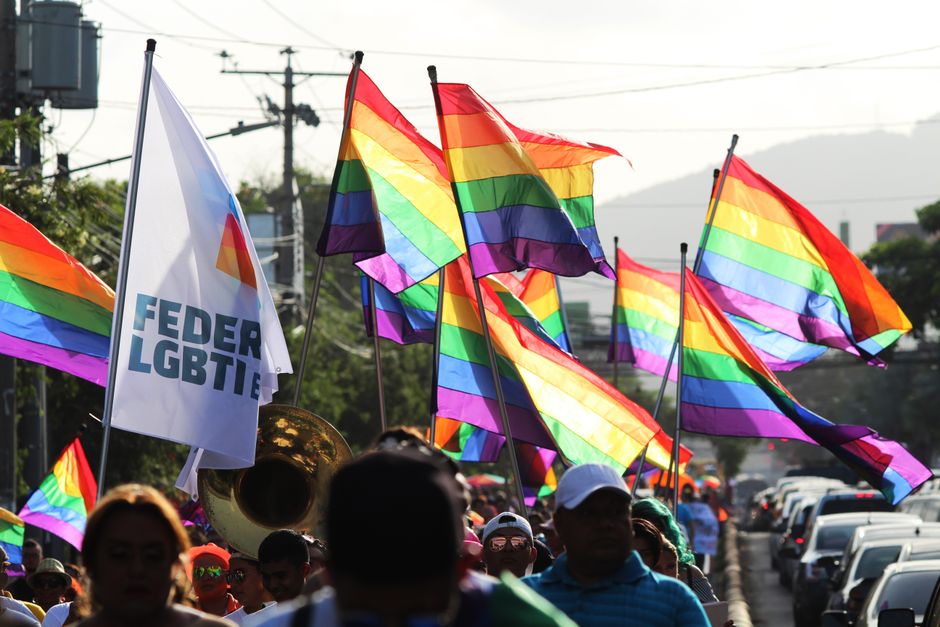
Girona Pride, known locally as Orgull Gironi, is held each June and anchored on the 28J (28 June) LGBTI liberation date. The unitary march sets off from Placa del Vi and winds through the Old Town (via Carrer dels Ciutadans, Pont de Sant Agusti and Placa de la Independencia), followed by concerts and a closing party. Much of the programme is coordinated by the Espai LGTBI de Girona and local associations, and in recent years the city has extended Pride activities into September. The scale is smaller than Barcelona Pride but reflects genuine community participation and attracts visitors from surrounding regions.
Aside from Pride, gay social events are primarily grassroots—informal gatherings, occasional themed parties at bars, and cultural events organized by local LGBTQ+ groups. The summer season brings increased tourism and more frequent events, particularly June through August.
Where to Stay
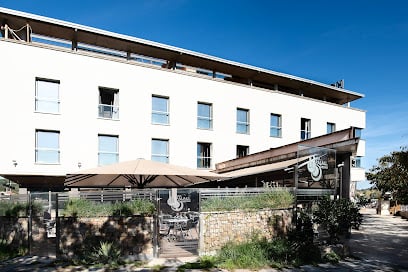
Hotels in the Old Town offer the most convenient and atmospheric experience. Options range from budget-friendly hostels to mid-range and upscale hotels, many housed in historic buildings with views of the cathedral or river. Staying in Barri Vell places travelers within walking distance of restaurants, sights, and gay-friendly social venues.
Alternatively, visitors can stay in Mercadal or surrounding neighborhoods for lower prices and a more residential feel, though this requires brief walks or transit to reach the main tourist areas.
Mercadal also contains several hotels and the centrally located train station.
Spain is generally considered safe and welcoming for LGBTQ+ travelers. Catalonia, in particular, maintains progressive social attitudes and strong legal protections for LGBTQ+ people. Girona, while smaller than Barcelona, has not experienced anti-gay violence or significant hostility in recent years. Public displays of affection between same-sex couples are normal and accepted in the old town and throughout the city.
Standard urban safety precautions apply: avoid isolated areas late at night, keep valuables secure, and be aware of surroundings. Pickpocketing can occur in crowded tourist areas, though this is not specific to LGBTQ+ travelers.
Transportation
Girona is easily accessible by train from Barcelona (approximately one hour, frequent departures) or from France (Perpignan, 1.5 hours). Regional buses also connect to surrounding towns. Within Girona, the old town is entirely walkable. Most tourist attractions and gay-friendly venues lie within walking distance. Public buses serve the broader city; taxis and ride-sharing apps are available. Rent a car only if planning day trips to the Costa Brava or interior villages.
Food and Dining
Girona's culinary scene emphasizes Catalan cuisine, featuring fresh seafood, vegetables, and traditional preparations. Signature dishes include escalivada (roasted vegetables), esqueixada (shredded salt cod salad), and arròs (rice dishes). The city hosts numerous restaurants from casual to fine dining. The old town contains abundant options at various price points. Many establishments welcome LGBTQ+ guests without issue.
Visitors should try local restaurants rather than international chains. Dining later than in Northern Europe (8:30 PM or later) is standard. Many restaurants offer menú del día (set lunch menus) at reasonable prices.
Day Trips
The Costa Brava, a scenic coastline with beaches and small resort towns, lies 30-45 minutes south of Girona by car or bus. Towns including Tossa de Mar, Lloret de Mar, and smaller villages offer beaches, water sports, and relaxation. Some coastal towns have gay scenes during summer season.
Barcelona (one hour by train) offers world-class museums, architecture, beaches, and a major LGBTQ+ scene. Many travelers combine a Girona base with Barcelona day trips.
The Pyrenees mountains to the north offer hiking and scenic views, particularly around Besalú and other interior villages.
Perspectives and Practical Information
Girona serves LGBTQ+ travelers seeking authentic medieval European culture with genuine community hospitality rather than commercialized gay tourism. The city appeals to those wanting to slow down, explore history, enjoy food and wine, and experience Catalonia's progressive culture. While the dedicated gay scene is modest compared to major cities, the overall atmosphere is welcoming and integrated.
Language: Catalan is the official regional language; Spanish is widely spoken; English is common in tourist areas, less reliable in smaller establishments.
Currency: Euro. ATMs are abundant. Most establishments accept cards.
Climate
Climate: Mild year-round; summers are warm (25-30°C); winters cool (5-10°C). Spring and fall offer pleasant conditions.
When to Visit
Best Time to Visit: June for Pride; May-June and September-October for pleasant weather and fewer crowds; July-August for peak tourism and beach season.
Visas: EU/EEA citizens require only national ID. Other nationalities should verify Spanish visa requirements.
Girona ultimately offers LGBTQ+ travelers a blend of medieval beauty, culinary excellence, and genuine welcome in a manageable, walkable city.
Frequently asked questions
Yes, Girona is considered safe for LGBTQ+ travelers. Spanish law is progressive regarding LGBTQ+ rights, with strong anti-discrimination protections in place.
There is no distinct 'gay neighbourhood' in Girona; LGBTQ+ life is integrated across the city. The Old Town (Barri Vell), around Placa de la Independencia and the Rambla de la Llibertat, is the main social hub of gay-friendly bars and restaurants, while the community's organising hub is the Espai LGTBI de Girona on Carrer del Torin, in the Devesa-Guell area.
Girona's Pride, called Orgull Gironi, is held each June, anchored on the 28J (28 June) LGBTI liberation date. The main event is a unitary march that sets off from Placa del Vi and winds through the Old Town, followed by concerts and a closing party; in recent years the city has extended Pride activities into September. It is smaller than Barcelona Pride but reflects genuine local community participation.
Honestly, Girona has no dedicated gay bars, clubs or saunas - the nightlife is mainstream and gay-friendly rather than a gay scene of its own. The LGBTQ+ community instead centres on the Espai LGTBI de Girona (Carrer del Torin) and associations such as the Grup de Lesbianes de Girona, which run regular social and cultural events. For a full gay bar, club and sauna circuit, Barcelona is about 40 minutes away by high-speed train.
Most travelers will find the old town atmospheric and convenient for exploring. The old town is compact and walkable, with the Cathedral area and Jewish Quarter forming the cultural and social heart.
Girona's LGBTQ+ scene is modest and more integrated into daily life, unlike the more visible and organized scenes in larger cities like Barcelona or Madrid.
Your privacy choices.
We use cookies to run GayOut and, with your consent, measure usage. Learn more
Your privacy choices
We use cookies to keep GayOut running, remember your preferences, and (with your permission) measure how the site is used. You can accept all, reject all, or pick what you allow. Learn more
Essential
Required for sign-in, fraud prevention, CSRF protection and remembering your language. Cannot be disabled.
Always on
Remembers your favourites, dark mode and other interface preferences across visits.
Helps us understand which pages people visit (Google Analytics, server-side stats) so we can improve.
Used by campaign tracking pixels. None are active right now, reserved for future use.
Install GayOut
Add GayOut to your home screen for faster access, offline favourites, and Pride alerts.







 Gay-Friendly Hotel
(4049)
Gay-Friendly Hotel
(4049)