










In this guide · 15 sections
- Two different destinations on one island
- Maspalomas and the Yumbo Centre
- What Gran Canaria isn't
- Winter sun destination
- Maspalomas Pride
- Bars and nightlife
- Hotels
- Events
- Practical notes
- FAQ
- What is the Yumbo Centre in Gran Canaria?
- What is the difference between Maspalomas and Las Palmas?
- When is Maspalomas Gay Pride?
- Is Gran Canaria good for a winter gay holiday?
- Is there a gay beach at Maspalomas?
Two different destinations on one island
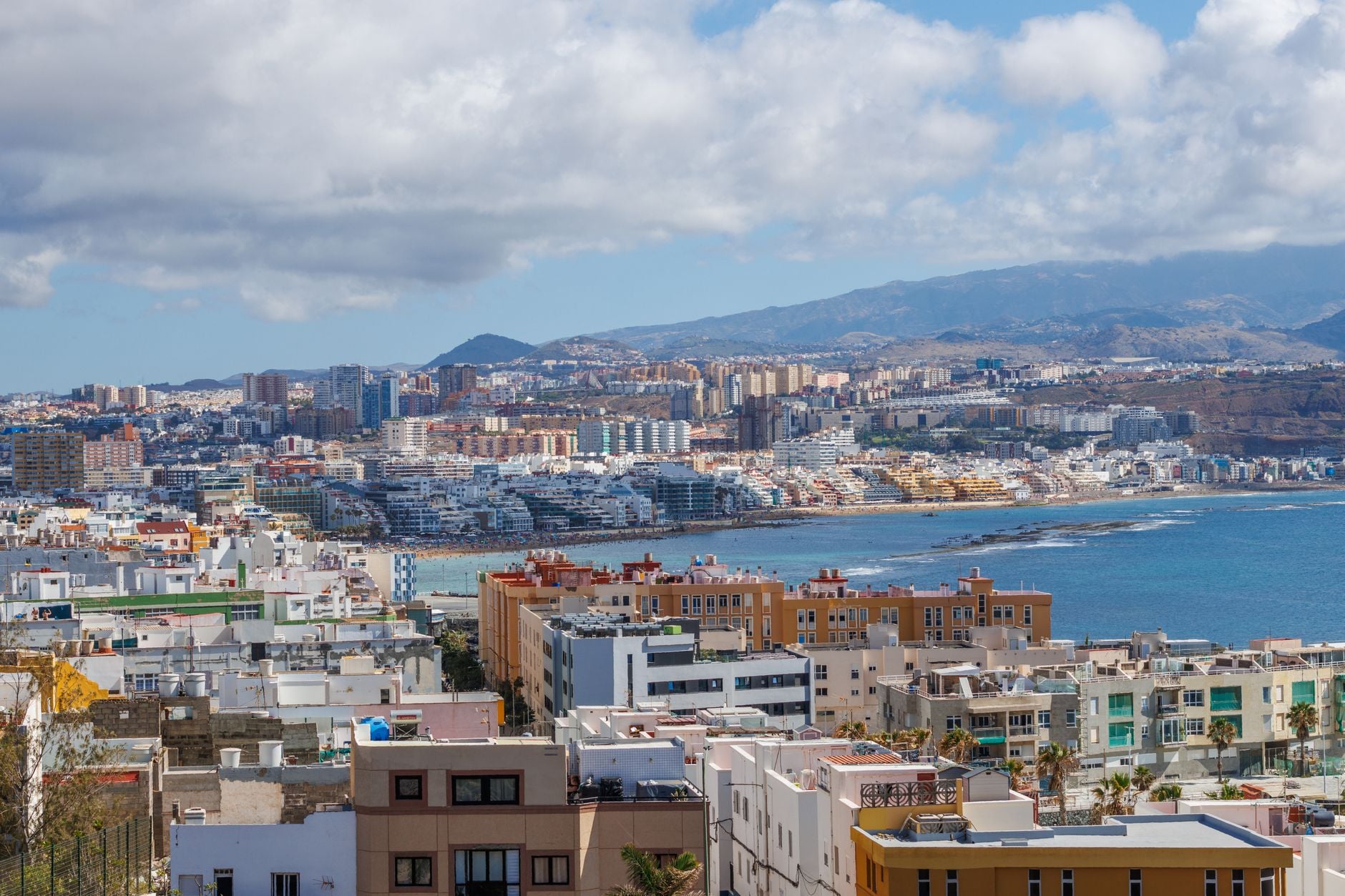
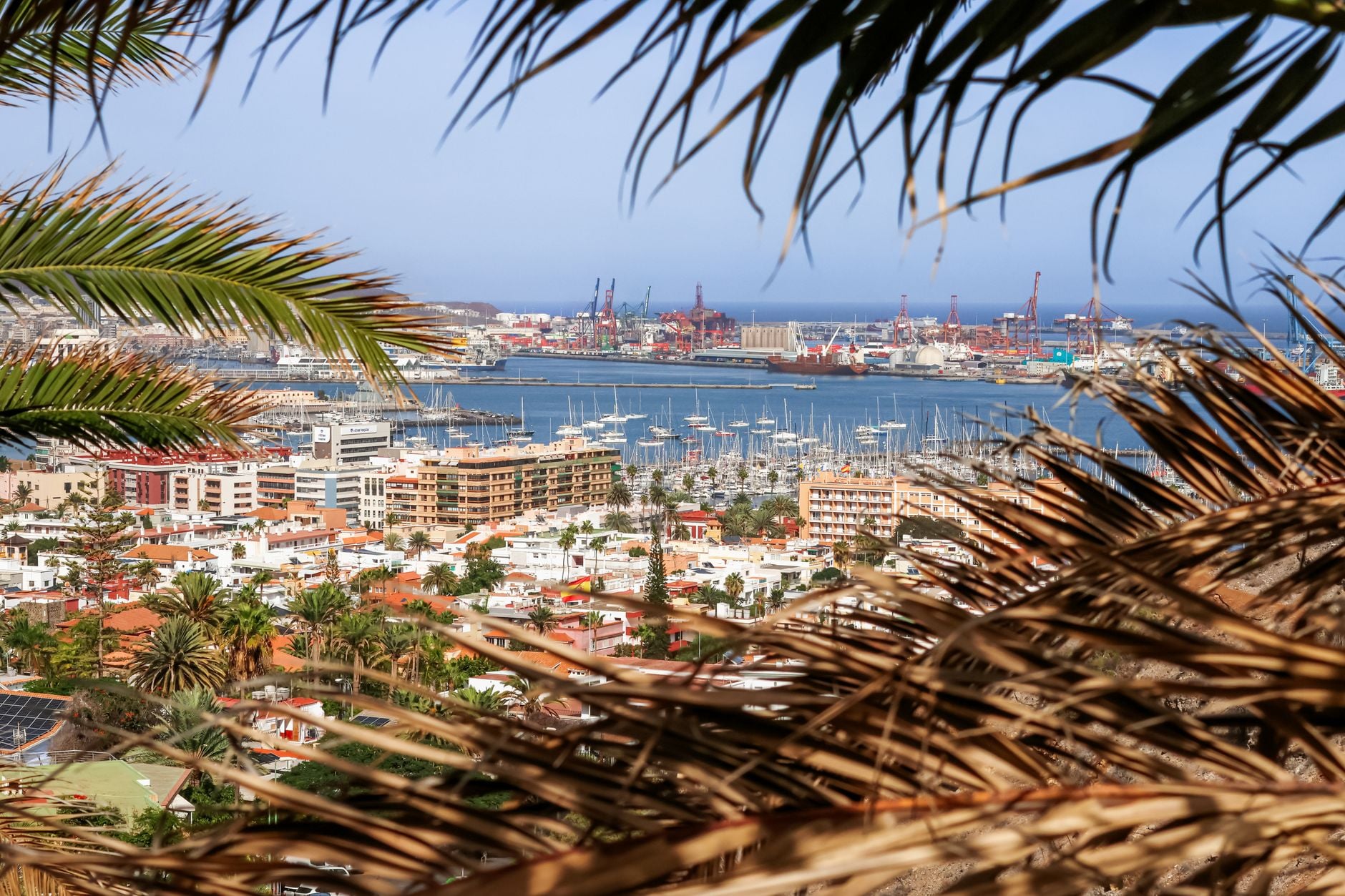
Gran Canaria is one island, but it works like two distinct places for gay visitors. Knowing the difference matters before you book. Las Palmas de Gran Canaria, the island's capital in the north, is a real Spanish city of about 380,000 people. It's got a city centre, a university, regular daily life, and a local gay scene in Triana and Vegueta. Maspalomas is a resort area at the southern tip, about 50 kilometres away, built for tourism. It's all about the sand dunes and the Yumbo Centre. This is where most international visitors go when they say "Gran Canaria."
They aren't interchangeable. If you want a city with actual urban life, stay in Las Palmas. If you want a resort holiday built around gay bars, clubs, pools, and beaches, Maspalomas is it. Many visitors pick one; some split their time. A bus runs between them regularly, taking about an hour.
Maspalomas and the Yumbo Centre
The Yumbo Centre is a multi-level shopping complex in Playa del Inglés, right next to Maspalomas. It's become the nerve centre of Gran Canaria's gay tourism. It isn't one club or bar. It's a shopping centre that holds dozens of gay bars, clubs, saunas, sex shops, and other spots spread across its floors. By day, it sells souvenirs and sunscreen. By night, it turns into the focus of one of Europe's biggest dedicated gay resort scenes.
This concentration of venues in one complex makes Yumbo unusual. Most gay scenes are spread across a city. Here, everything's within a five-minute walk. You can start with a cocktail on one floor, head down to a bar, end up in a club, and stumble into a sauna without leaving the building. For some, this density is the draw; for others, the shopping-mall look can feel a bit much. But it really works.
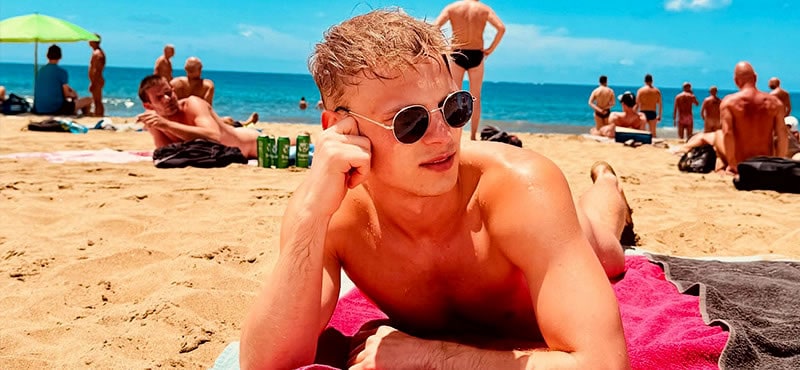
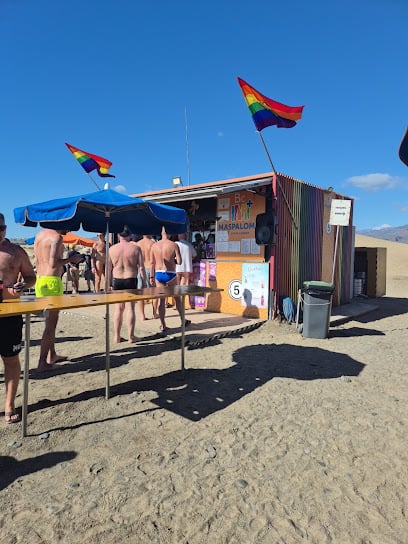
Maspalomas beach is big and well-kept. The area between the main beach and the sand dunes—a protected natural reserve—has an informal gay and naturist section. It's been there for decades. The dunes themselves are a natural wonder worth seeing regardless; they cover several square kilometres and feel genuinely desert-like, even though they're just fifty metres from a resort hotel.

What Gran Canaria isn't
Gran Canaria is not just a beach resort with gay bars. The island's interior has mountain villages, volcanic landscapes, and a distinctly Canarian (not mainland Spanish) feel. Las Palmas has real urban life, good restaurants, a historic quarter (Vegueta) with 15th-century architecture, and a working port connecting the island to the world. Most gay visitors never see any of this because Maspalomas pulls so hard. But if you have more than a week, the island rewards exploration.
Winter sun destination
Gran Canaria sits near the Tropic of Cancer, and the warm Canary Current in the Atlantic keeps the island mild all year. Average temperatures in January and February hover around 20°C. A lot of gay visitors come here during the European winter. Sun, warmth, and a fully operating resort scene are a big draw for people escaping cold northern climates. This makes Gran Canaria different from most European gay destinations, which get much quieter in winter.
The busiest time for international gay visitors is February-March, aligning with the European winter escape and Maspalomas Pride. Summer (July-August) is busy, but also full of non-gay Spanish and European beach tourists. The shoulder months of October-November and April-May are pleasant and less crowded.

Maspalomas Pride
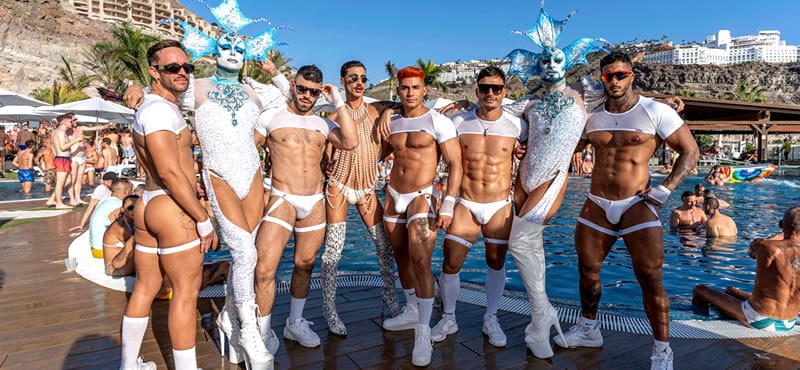
Maspalomas Gay Pride, held in May, is one of Europe's largest Pride events by attendance. It's not a single-day parade; it's a multi-week program of parties, pool events, and nightlife that ends with a parade through the resort. The scale is huge: tens of thousands of visitors, fully booked accommodation for weeks around it, and a party vibe that never stops. If you plan to go, book accommodation six months to a year ahead. There's also a smaller Carnival-themed Pride event in February-March.
Bars and nightlife
See the Gran Canaria gay bars guide for the full picture including Yumbo Centre specifics.

Hotels
See the Gran Canaria gay-friendly hotels guide for options in both Maspalomas and Las Palmas.
Events
Check the events calendar for upcoming Gran Canaria LGBTQ+ events including Maspalomas Pride.

Practical notes
- Getting there: Gran Canaria Airport (LPA) has good direct flights from across Europe. It's about a 20-minute taxi to Maspalomas and 30 to 40 minutes to Las Palmas.
- Getting around: The Global bus service (line 30 or 50) connects Maspalomas and Las Palmas for a few euros. Taxis are reasonable. Renting a car makes the island interior accessible.
- Currency: Euros. The Canary Islands are an EU territory with lower VAT than mainland Spain, so some goods are slightly cheaper.
- Climate: Mild year-round. The south (Maspalomas) is sunnier and more sheltered than the north (Las Palmas), which can be cloudier.
FAQ

What is the Yumbo Centre in Gran Canaria?
The Yumbo Centre is a multi-level shopping complex in Playa del Inglés, near Maspalomas. It holds dozens of gay bars, clubs, saunas, and other venues. By day it's a shopping centre; by night, it's the hub of Gran Canaria's gay resort scene, with everything on its multiple floors within a five-minute walk.
What is the difference between Maspalomas and Las Palmas?
Maspalomas is the resort area at the southern tip, built for tourism, with the Yumbo Centre and the famous dune beach. Las Palmas de Gran Canaria is the capital city in the north, a real Spanish city with a local gay scene and urban life. They're about 50 kilometres apart, connected by regular buses that take about an hour.

When is Maspalomas Gay Pride?
The main Maspalomas Gay Pride is in May. It's one of Europe's largest, with tens of thousands of visitors and a multi-week program of parties and events. There's also a smaller Carnival-themed Pride in February or March. For the May event, book accommodation six months to a year ahead.
Is Gran Canaria good for a winter gay holiday?
Yes. Gran Canaria's mild climate means temperatures around 20°C in January and February. The Maspalomas resort scene runs year-round. The island gets a lot of its gay visitors in the European winter because it offers sun and an active resort scene when most European destinations are cold and quiet.

Is there a gay beach at Maspalomas?
Yes. There's an informal gay and naturist section at Maspalomas beach, between the main beach and the sand dunes. It's not officially designated but has been used by the gay community for decades. The dunes themselves are a protected natural reserve and worth seeing even without the beach scene.
