


















In this guide · 14 sections
- What Seville is as a gay destination
- The summer heat problem
- Semana Santa and Feria: what gay visitors should know
- The gay scene beyond the centre
- Bars
- Hotels
- Events
- Practical notes
- FAQ
- Where is the gay area in Seville?
- Is Seville too hot to visit in summer?
- Can gay visitors enjoy Semana Santa in Seville?
- What is the Feria de Abril and can gay visitors go?
- When is Seville Pride?
What Seville is as a gay destination
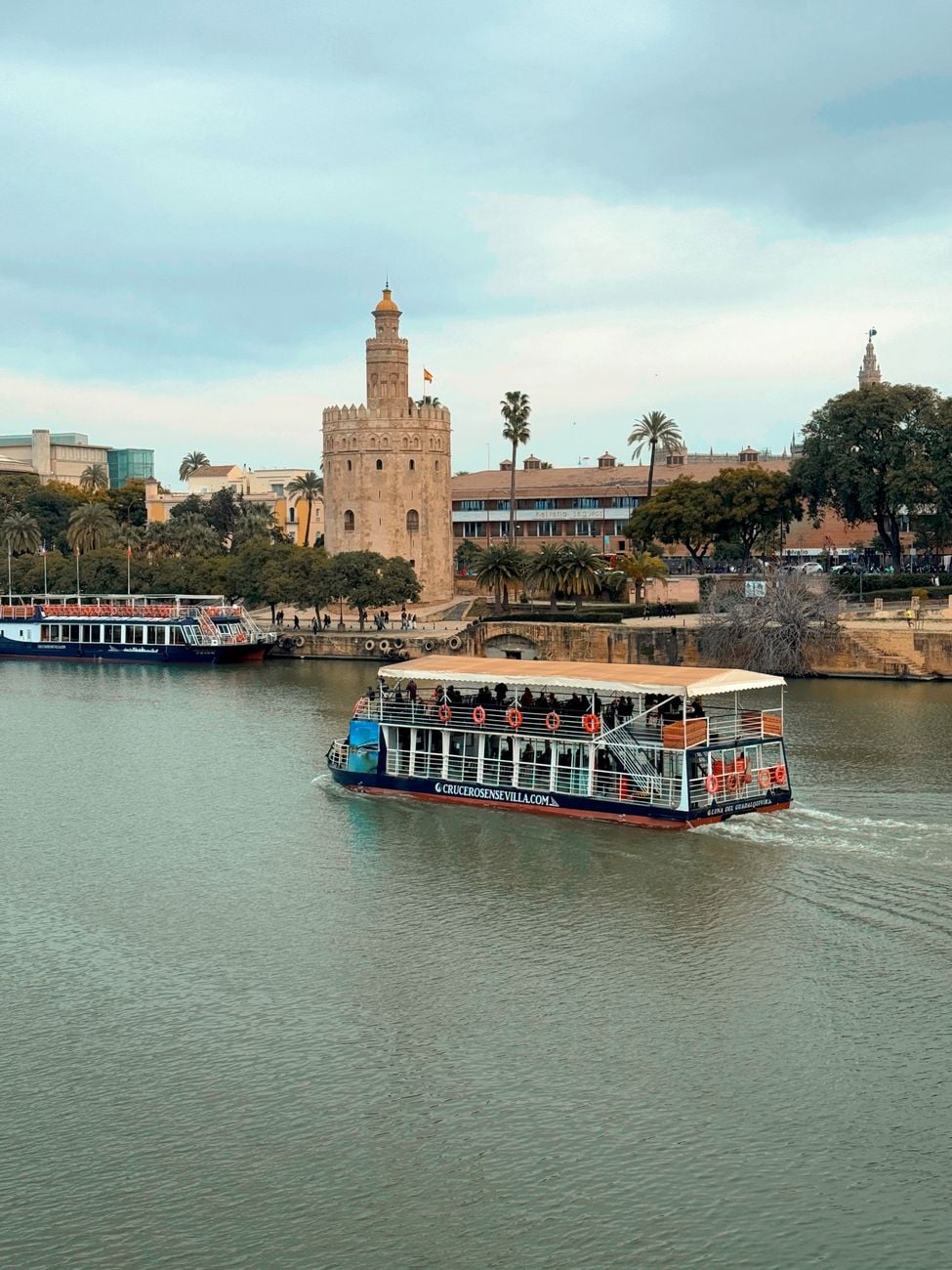
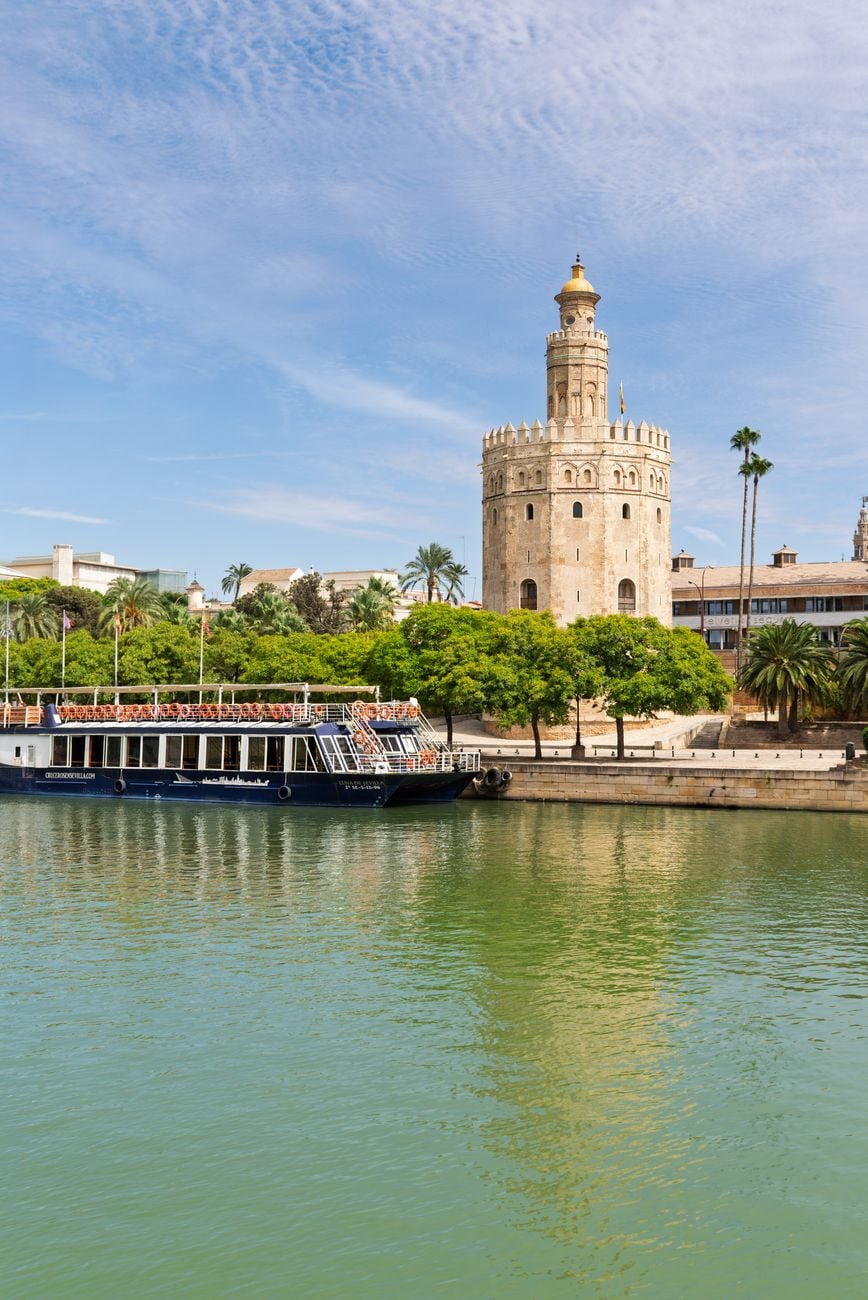
Seville is Andalusia's largest city, the regional capital. Its character is deeply rooted in its own traditions, which makes it feel different from more international Spanish cities. The Semana Santa (Holy Week) processions and the Feria de Abril are known worldwide. Flamenco here is serious and local, not a show for tourists. The food and drink culture means tapas eaten standing at bars, not sitting at restaurant tables. All of this matters for gay visitors because it shapes what Seville is, including its gay scene.
The gay area centers on the streets around Calle Amor de Dios in the Alfalfa neighborhood, in the historic core. It's a tight zone of gay bars, mixed bars with a lot of gay regulars, and the social spots that grow up around them. This isn't a sealed-off gay district with rainbow flags everywhere; it's just a few streets in the old town where gay people gather, surrounded by Seville's old residential and commercial buildings. Many visitors find this integration with the city part of its appeal.
The summer heat problem
Let's be blunt: Seville in July and August is brutally hot. Temperatures regularly hit 40°C or more. Its narrow streets and heat-retaining buildings make walking around during the day genuinely unpleasant. Locals have adapted over centuries: businesses close for long afternoon breaks, life moves indoors or into the shade during the hottest hours, and the city only truly comes alive after 8pm when temperatures drop.
For gay visitors, this means summer in Seville is a late-night affair. Daytime sightseeing means early starts (the Cathedral and Alcázar are best before 11am) and afternoon retreats to air-conditioned places, a pool, or a cool bar. Nightlife starts truly late—bars don't fill until midnight or after—and goes until early morning. Some people love this schedule; others find the heat exhausting no matter what. If you're sensitive to heat, visit in spring (March to May) or autumn (September to November), when the city is more comfortable for daytime activity and evenings are pleasant.

Semana Santa and Feria: what gay visitors should know
Semana Santa, the week before Easter, is one of Spain's most intense cultural events. Seville's processions are the country's most elaborate: huge floats (pasos) carrying religious sculptures are carried through the streets by hundreds of bearers, accompanied by brass bands. Hundreds of thousands line the streets for hours to watch. The event is deeply Catholic in its imagery and organization. The atmosphere in the city is unlike anything else in Spain.
Gay visitors wanting to see Semana Santa are welcome to watch the processions. It's a public event. Anyone can stand on the street. The atmosphere is reverential, not hostile. That said, know that Seville's cultural character this week is intensely Catholic and conservative in its expression, even if individual Sevillanos are perfectly accepting of gay visitors in other contexts. Gay bars stay open during Semana Santa; some host their own events.
The Feria de Abril, two weeks after Easter, is a week-long celebration of Andalusian culture. It includes a fairground, horse parades, and the casetas—private marquees where flamenco dancing and sherry drinking happen day and night. Most casetas are private and need an invitation from a family member to enter. There are public casetas open to everyone. Gay visitors generally enjoy the Feria, but the private caseta system can feel exclusionary if you don't know anyone. Visiting the public casetas for a drink and some dancing is easy and fun.
Both events make accommodation in Seville most expensive and scarce. Book well ahead—months for Semana Santa, at least two months for the Feria.
The gay scene beyond the centre
The Calle Amor de Dios area is the scene's core, but Seville has other gay-friendly spots. The Triana neighborhood across the river feels more local and has some gay-friendly bars. The university area has student nightlife that's generally gay-accepting, even if not explicitly gay-focused. For a city its size and with its conservative traditions, Seville's gay scene is reasonably developed.

Bars
See the Seville gay bars guide for the full picture.
Hotels
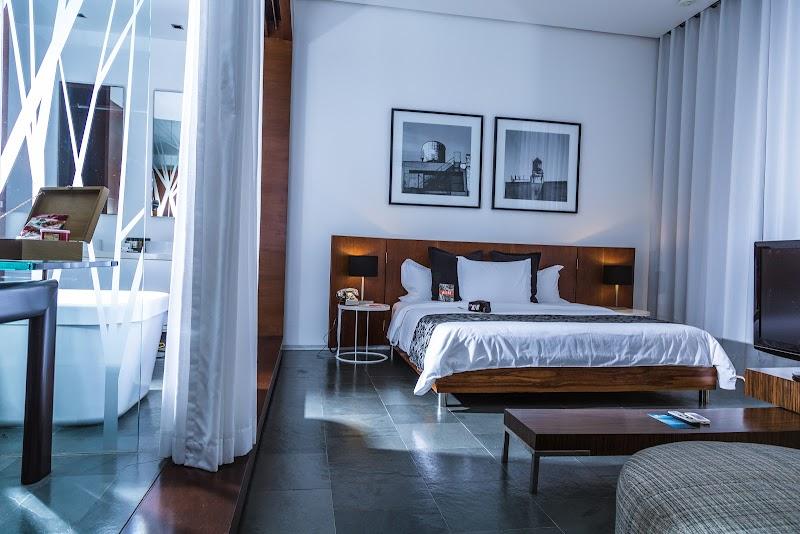
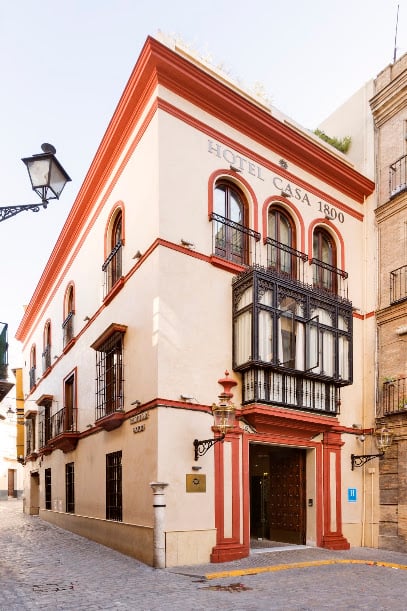
See the Seville gay-friendly hotels guide.

Events
Check the events calendar for upcoming Seville LGBTQ+ events and Pride listings.
Seville Pride happens in late June or early July. Semana Santa and the Feria de Abril are the city's big annual events; both need advance booking.
Practical notes
- Getting there: Seville's Santa Justa station connects to Madrid on the AVE high-speed rail in about two and a half hours. From Madrid's Barajas airport there are direct flights. Other Spanish cities have AVE connections.
- Climate: Visit in spring or autumn for comfortable temperatures. Summer is hot to extreme. Winter is mild, but some outdoor venues close or reduce hours.
- Semana Santa timing: Check the date against your trip. The city during Semana Santa is a different experience from any other week of the year.
- Tapas culture: Seville is arguably Spain's best city for traditional tapas. Eating standing at the bar is normal and expected. Several spots near Calle Amor de Dios are excellent for this.

FAQ
Where is the gay area in Seville?
The gay scene centers on the streets around Calle Amor de Dios in the Alfalfa neighborhood, in the city's historic core. It's a compact area of gay and gay-friendly bars integrated into the broader old town, not a separate gay district.

Is Seville too hot to visit in summer?
July and August in Seville regularly reach 40°C or above. Daytime sightseeing is uncomfortable and means early starts before 11am. Life shifts to evenings and nights when temperatures drop. If you're sensitive to heat, visit in spring (March to May) or autumn (September to November) instead.
Can gay visitors enjoy Semana Santa in Seville?
Yes. The Semana Santa processions are public events; anyone can watch from the streets. The atmosphere is intensely Catholic and reverential, not hostile to gay visitors. Gay bars stay open during the week and some host their own events. It's worth experiencing, but accommodation must be booked months in advance.

What is the Feria de Abril and can gay visitors go?
The Feria de Abril is a week-long celebration two weeks after Easter, with horse parades, flamenco, and sherry in marquees called casetas. Most casetas are private and need an invitation. Public casetas are open to everyone and offer a good way to experience the festival. Gay visitors are welcome. Book accommodation well in advance.
When is Seville Pride?
Seville Pride takes place in late June or early July. Exact dates change yearly. It centers on the Alfalfa neighborhood and the streets around Calle Amor de Dios. Check official dates before planning your visit.

