ARMAÇÃO DOS BÚZIOS: A COMPREHENSIVE LGBTQ+ TRAVEL GUIDE
Armação dos Búzios is a coastal gem on Brazil's Costa do Sol, roughly 170 kilometers northeast of Rio de Janeiro. This picturesque peninsula has evolved from a small fishing village into a cosmopolitan beach destination while maintaining much of its charm and bohemian character. For LGBTQ+ travelers, Búzios represents a different kind of gay travel experience—one focused on natural beauty, cultural sophistication, and relaxed acceptance rather than concentrated gay nightlife.
HISTORY AND EVOLUTION OF THE LGBTQ+ SCENE
Búzios transformed significantly during the 1960s and 1970s when artists, intellectuals, and bohemian types discovered the town and established a creative community. This artistic influx created a naturally progressive social environment where diverse lifestyles were celebrated. The town's development as a tourist destination accelerated in the 1980s and 1990s, and its international character has continued to attract LGBTQ+ visitors and residents. While Brazil overall has a strong gay culture and vibrant Pride celebrations, Búzios's queer scene is characterized by integration rather than separation—gay, lesbian, and transgender people are visible and welcomed throughout the town, but there isn't a specific "gay neighborhood" as one might find in Rio de Janeiro or São Paulo.
The town's economy has historically depended on tourism and arts, which contributes to its relatively progressive attitudes. The local government and business community generally support LGBTQ+ inclusivity, understanding the importance of the gay travel market. This has resulted in a welcoming environment without the heavy commercialization sometimes associated with dedicated gay districts.
GEOGRAPHY AND NEIGHBORHOODS
Búzios is organized around several key areas. Rua das Pedras is the main pedestrian thoroughfare where most of the action happens—restaurants, bars, galleries, shops, and cafes line this charming street. This is where tourists and locals congregate, and it's consistently full of energy throughout the day and evening. The street has an international, sophisticated vibe with French and Italian influences reflecting the town's cosmopolitan heritage.
The beaches are scattered around the peninsula, each with distinct character. Praia da Armação is the central beach near the town center. Praia de João Fernandes and Praia de João Fernandinho are popular with beachgoers and have nearby restaurants. Praia Brava is a more exposed, dramatic beach at the peninsula's tip. Praia da Feradura offers calm waters ideal for swimming. Each beach has its own flavor, and many visitors spend time exploring different ones.
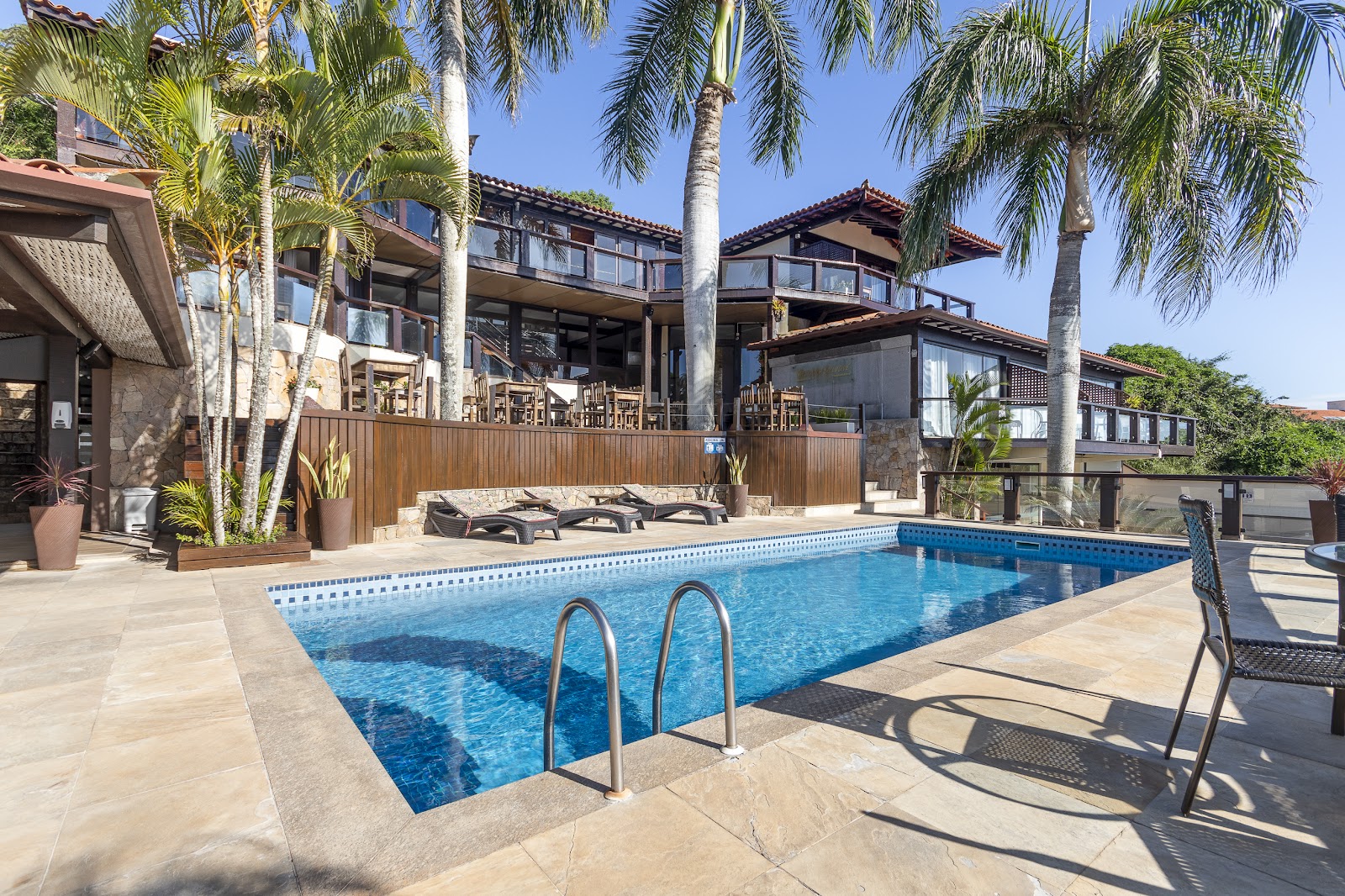
The residential areas spread inland from the beaches, with accommodations ranging from boutique hotels to pousadas (guesthouses) to vacation rentals. The town is compact enough that most areas are within walking distance or a short taxi ride from the center.
VENUES AND NIGHTLIFE
Unlike large Brazilian cities, Búzios doesn't have dedicated gay bars or clubs in the traditional sense. However, the social scene is integrated and welcoming. Rua das Pedras hosts numerous bars and restaurants where mixed crowds gather—many of these naturally attract LGBTQ+ clientele and are extremely accepting. The nightlife tends to be more relaxed and sophisticated than raucous; people gather for conversation, drinks, and dinner rather than intense club experiences.
Several restaurants and bars on Rua das Pedras have developed reputations as gathering places with welcoming atmospheres. Establishments like Satyricon and Restaurante e Pizzaria Banana Land are known for good food and friendly crowds. The bar scene is concentrated along this main street and in adjacent areas. Many visitors spend evenings dining and enjoying the town's social scene rather than bar-hopping.
The beach culture is significant—daytime social life revolves around different beaches, where visitors rent umbrellas and chairs, swim, and socialize with other tourists. This creates a natural meeting place for LGBTQ+ travelers who often recognize each other and form social connections.
EVENTS AND CELEBRATIONS
Búzios celebrates New Year's Eve (December 31) with festivities throughout the town, drawing large crowds. Carnival season (February/early March) features celebrations, though the town's Carnival is more subdued than Rio's famous spectacle—locals and tourists participate in street celebrations and themed parties.
The town doesn't host a specific Pride event of the magnitude found in Rio de Janeiro or São Paulo. However, LGBTQ+ visibility and celebration occur throughout the year. Many bars and restaurants host themed parties, and the general culture is increasingly accepting of LGBTQ+ participation in town festivals and celebrations.
WHERE TO STAY
Accommodation options suit various budgets and preferences. Boutique hotels offer upscale experiences with personalized service. Pousadas (guesthouses) provide charming, often family-run accommodations. Vacation rentals through platforms like Airbnb offer flexibility. Many LGBTQ+ travelers choose properties in or near Rua das Pedras for convenient access to restaurants and nightlife, or beachfront locations for direct beach access.
Several properties have earned reputations as particularly welcoming to LGBTQ+ guests. Staying in centrally located properties allows exploration on foot, while beachfront pousadas offer more secluded experiences.
Brazil, including Búzios, is generally welcoming to LGBTQ+ travelers, though visitors should exercise standard travel precautions. Público display of affection between same-sex couples is normal and accepted in Búzios. The town is relatively safe for tourists compared to some Brazilian destinations, with a noticeable police and security presence during peak seasons.
Visitors should take standard urban travel precautions: avoid displaying excessive wealth, don't leave valuables unattended, use authorized taxis or ride-sharing apps after dark. Petty theft can occur in tourist areas. The town is walkable and well-lit in central areas, particularly along Rua das Pedras.
Healthcare facilities are available, though serious medical issues may require travel to Rio de Janeiro. Travelers should arrange adequate travel insurance and carry copies of important documents.
GETTING AROUND
Búzios is best explored on foot, particularly the central area around Rua das Pedras and adjacent neighborhoods. The compact size makes walking practical for most visitors. Local taxis are available and inexpensive for longer distances or returning after evening outings. Ride-sharing apps like Uber and 99Taxi operate in Búzios.
The town is reached from Rio de Janeiro via bus or private transportation. Buses depart regularly from Rio's main bus station (Rodoviária Novo Rio) for the two to three-hour journey. Many visitors rent cars to explore the surrounding region, though a car isn't necessary for enjoying Búzios itself.
FOOD AND DINING
Búzios's food scene reflects its international character. Fresh seafood is abundant—grilled fish, shrimp, and octopus prepared in various styles. Italian, French, and Portuguese influences appear throughout the menu. Rua das Pedras hosts numerous restaurants ranging from casual to refined. Local specialties include moqueca (fish stew), grilled fish with garlic sauce, and fresh tropical fruits.
Cafes serve excellent Brazilian coffee and snacks. Casual boteco-style bars offer beer and appetizers. High-end restaurants provide sophisticated dining experiences. Many establishments are reasonably priced compared to major metropolitan areas. Dining culture is social and leisurely—meals are meant to be enjoyed over time with conversation.
DAY TRIPS AND REGIONAL EXPLORATION
Búzios serves as a base for exploring the Costa do Sol region. Nearby Arraial do Cabo offers different beaches and diving opportunities. Lagoa de Araruama, a large lagoon, has its own character and beach towns. Exploring different beaches around the Búzios peninsula occupies visitors for days—each offers distinct waters, waves, and atmospheres.
Those with more time can venture to Cabo Frio, another coastal town, or explore inland areas. However, most visitors find Búzios itself provides ample activities and beauty for several days.
CULTURAL CONSIDERATIONS
Portuguese is the primary language; English is spoken in tourist areas but not universally. Learning basic Portuguese phrases enhances interactions and shows respect for local culture. The town's international character means English speakers can navigate successfully, but efforts to speak Portuguese are appreciated.
The local culture values relaxation, social time, and enjoyment of natural beauty. The pace is slower than major cities—this "jogo de cintura" (looseness and flexibility) is a Brazilian characteristic particularly evident in beach towns. LGBTQ+ visibility has increased in recent years, reflecting broader Brazilian social changes and tourism industry dynamics.
CONCLUSION
Armação dos Búzios appeals to LGBTQ+ travelers seeking an alternative to concentrated gay districts—a place where natural beauty, cultural sophistication, and casual acceptance combine. The town offers excellent beaches, good food, welcoming locals, and an integrated social scene. It's ideal for those wanting sun, sea, relaxation, and social enjoyment without necessarily seeking intense nightlife. The combination of natural splendor, artistic community, and progressive attitudes makes Búzios a distinctive destination in the LGBTQ+ travel landscape.
Frequently asked questions
Búzios is described as one of Brazil's most accessible and welcoming beach destinations for LGBTQ+ travelers. The community tends toward integration, making the town feel uniformly welcoming.
The main commercial and social hub, Orla Bardot, is the most visibly gay-friendly zone, especially in the evenings. LGBTQ+ venues, restaurants, and accommodations are distributed throughout town rather than concentrated in one neighborhood.
Praia Brava has become increasingly popular with LGBTQ+ visitors and offers a more intimate atmosphere in some sections, though clothing-optional is not officially sanctioned. Praia da Ferrada and Praia João Fernandes also attract LGBTQ+ swimmers and sunbathers.
Many pousadas and rental villas in the hillside residential areas, such as Manguinhos and near Alto do Humaitá, cater to LGBTQ+ travelers, offering scenic views and privacy.
While Búzios has a gay scene, it developed more organically through word-of-mouth and seasonal tourism rather than distinct gay quarters. LGBTQ+ venues are distributed throughout town.
The guide does not specify a particular time of year or mention Pride events. The town attracts LGBTQ+ visitors and residents seasonally.
Your privacy choices.
We use cookies to run GayOut and, with your consent, measure usage. Learn more
Your privacy choices
We use cookies to keep GayOut running, remember your preferences, and (with your permission) measure how the site is used. You can accept all, reject all, or pick what you allow. Learn more
Essential
Required for sign-in, fraud prevention, CSRF protection and remembering your language. Cannot be disabled.
Always on
Remembers your favourites, dark mode and other interface preferences across visits.
Helps us understand which pages people visit (Google Analytics, server-side stats) so we can improve.
Used by campaign tracking pixels. None are active right now, reserved for future use.
Install GayOut
Add GayOut to your home screen for faster access, offline favourites, and Pride alerts.


 Gay-Friendly Hotel
(368)
Gay-Friendly Hotel
(368)