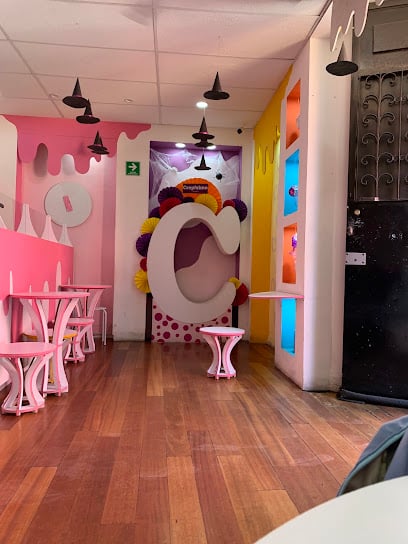
l mejor bar gay de Arequipa, variados y ricos tragos, los mejores shows y diversión asegurada. The best gay bar in Arequipa, varied and delicious drinks
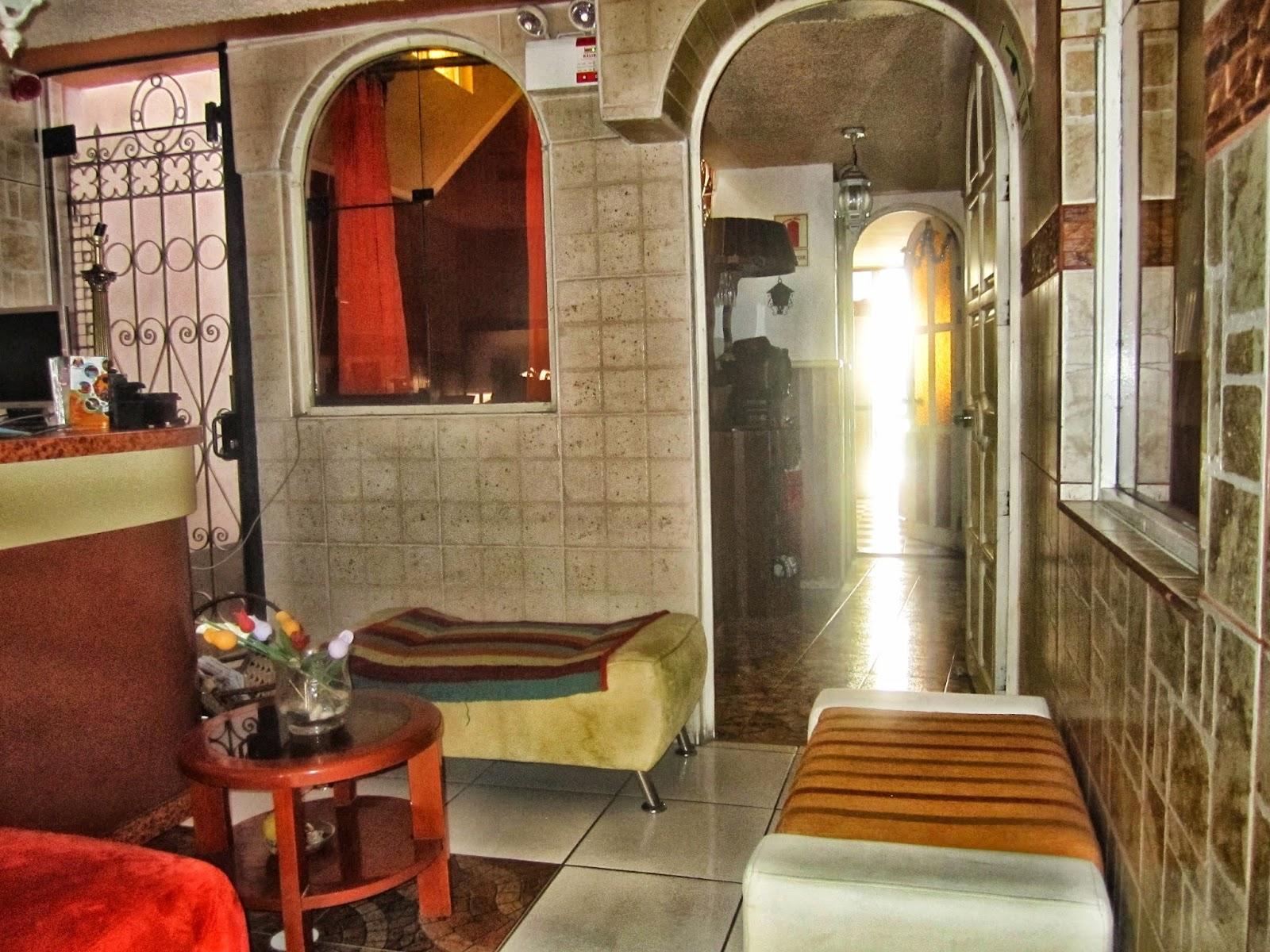
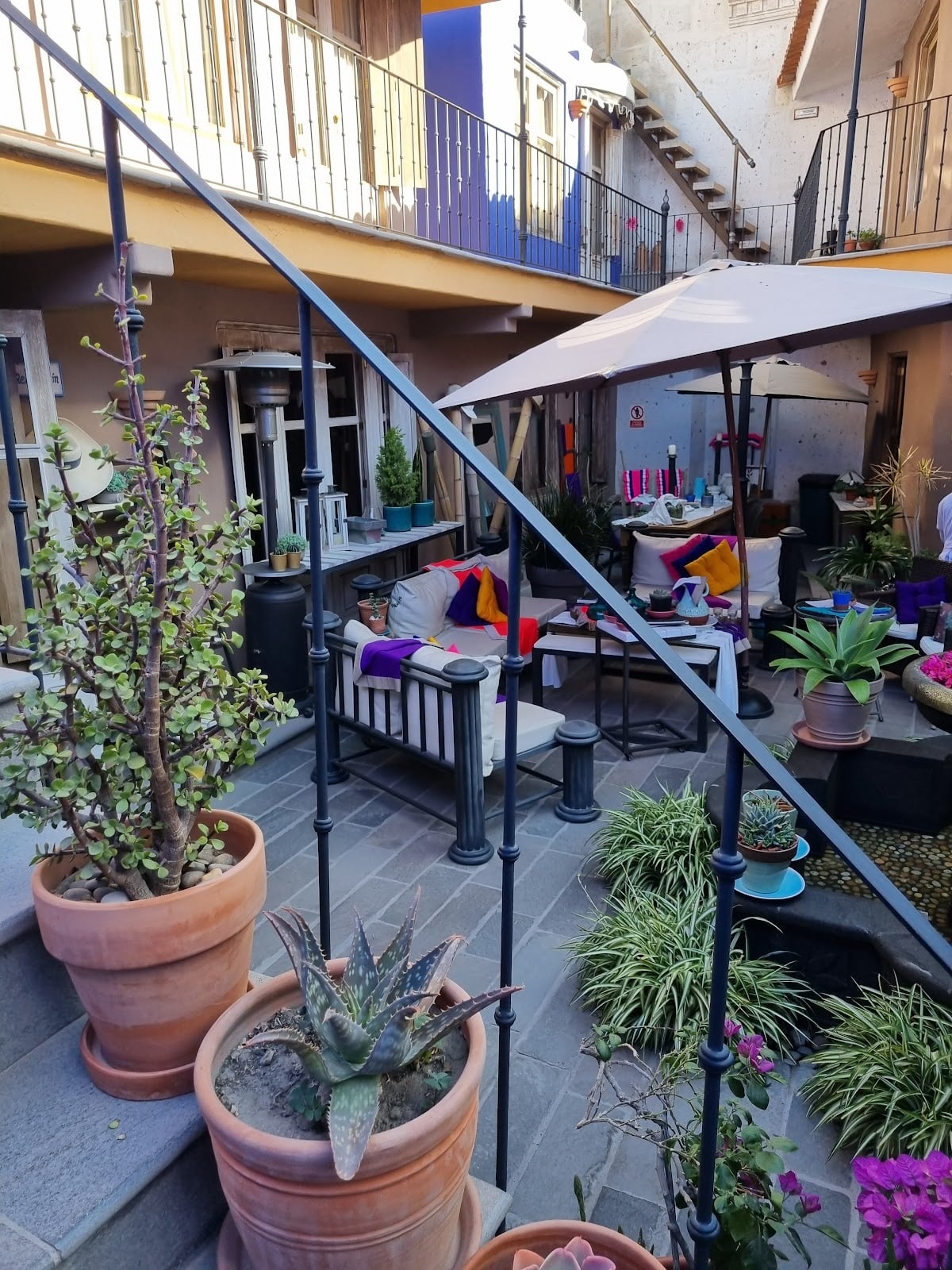
Featuring free WiFi and a sun terrace, Hotel Boutique Villa Elisa offers accommodations in Arequipa. Guests can enjoy the on-site bar. Free private parking is available on site.
Arequipa, Peru's second-largest city, sits at 2,300 meters in the Andes. While historically LGBTQ+ identities faced stigma, Arequipa has seen a shift, particularly among younger residents and in downtown commercial areas. The city's LGBTQ+ scene is more understated than Lima's, but it exists and is developing.
The Centro Histórico, the city center, is where most LGBTQ+ venues and social spaces are located. The Plaza de Armas, with its white volcanic stone Cathedral and colonial architecture, is the heart of this district. The Yanahuara district, a residential area north of downtown, also has a small LGBTQ+ presence. San Antonio, a bohemian neighborhood known for its narrow streets and galleries, draws a mixed crowd, including LGBTQ+ visitors and locals.
Arequipa's gay nightlife is less extensive than Lima's. Venues tend to operate on weekends, with several bars and small clubs in the downtown area attracting LGBTQ+ patrons. As specific venue information can change, it's advisable to check current local listings or inquire at hotels, as the scene is small and venues may relocate or close.
Pride & Events
Pride celebrations take place in June, with Arequipa Pride (Orgullo LGBTIQ+ Arequipa) typically occurring in the latter half of the month. This event includes a march, cultural activities, and parties, though on a smaller scale than Lima Pride.
For accommodation, staying in central Arequipa near the Plaza de Armas provides proximity to dining, cultural sites, and social venues. The historic downtown area offers a range of hotels. Yanahuara provides quieter, more residential lodging options. Many hotels are welcoming to LGBTQ+ travelers, though they may not be exclusively LGBTQ+-owned; confirming policies directly is recommended.
Safety
Safety for LGBTQ+ travelers in Arequipa is generally good in well-populated downtown areas. As in any city, it's wise to avoid isolated areas at night and to take standard urban precautions. Public displays of affection are becoming more common among younger people in central areas but remain more conservative in outlying neighborhoods. The city is considered relatively safe, though petty theft can occur in crowded markets and transit areas.
Public transportation consists of minibuses and taxis. Taxis are readily available and affordable; using registered taxis or ride-sharing apps is recommended for safety. Walking downtown during daylight and early evening is generally safe and pleasant, as the city center is compact and walkable.
Arequipa's food scene highlights its Andean heritage. Local specialties include rocoto relleno, ceviche, and fresh produce from local markets. Restaurants are concentrated around the Plaza de Armas and in Yanahuara. The culinary landscape is becoming more diverse, with vegetarian and international options appearing alongside traditional Peruvian dishes.
Day Trips
Day trips from Arequipa include Colca Canyon, one of the world's deepest canyons, located about three hours away and known for Andean condors and traditional villages. The Yanahuara viewpoint offers city panoramas. Lake Titicaca is several hours away, with the city of Puno on its shore accessible for overnight excursions. White-water rafting is available on the Chili River near Arequipa.
The dry season, from May through September, offers good weather for visiting and hiking. June coincides with Pride celebrations. Arequipa hosts fewer tourists than Cusco or Lima, providing a more direct experience of southern Peruvian culture.
Frequently asked questions
Arequipa has a quietly welcoming atmosphere for international travelers. While public displays of same-sex affection are less common due to conservative heritage, travelers report genuine friendliness from locals.
Arequipa's gay scene is considerably smaller and less visible than Lima's. The community is less organized and public displays of affection are less common than in the capital.
Most gay-friendly venues cluster in Arequipa's historic center, within a 10-15 minute walk of the Plaza de Armas. Some LGBTQ+ residents and gay-friendly establishments can also be found in neighborhoods surrounding the historic center.
Arequipa has hosted smaller Pride celebrations and LGBTQ+ cultural events, though these remain modest compared to Lima's massive annual Pride parade.
The LGBTQ+ community in Arequipa tends to be dispersed rather than concentrated in specific neighborhoods. Social life often occurs in mixed-orientation venues rather than exclusively gay spaces.
No, the gay scene in Arequipa is considerably smaller and less visible than Lima's. LGBTQ+ social life often occurs in mixed-orientation venues rather than exclusively gay spaces.
Your privacy choices.
We use cookies to run GayOut and, with your consent, measure usage. Learn more
Your privacy choices
We use cookies to keep GayOut running, remember your preferences, and (with your permission) measure how the site is used. You can accept all, reject all, or pick what you allow. Learn more
Essential
Required for sign-in, fraud prevention, CSRF protection and remembering your language. Cannot be disabled.
Always on
Remembers your favourites, dark mode and other interface preferences across visits.
Helps us understand which pages people visit (Google Analytics, server-side stats) so we can improve.
Used by campaign tracking pixels. None are active right now, reserved for future use.
Install GayOut
Add GayOut to your home screen for faster access, offline favourites, and Pride alerts.


 Gay-Friendly Bars & Clubs
(5)
Gay-Friendly Bars & Clubs
(5)