Costa Rica is among the most LGBTQ+-progressive countries in Latin America: same-sex marriage since 26 May 2020 (first in Central America), joint adoption, and anti-discrimination protections. San José is welcoming; main traveler concern is petty crime, not anti-LGBTQ+ violence.
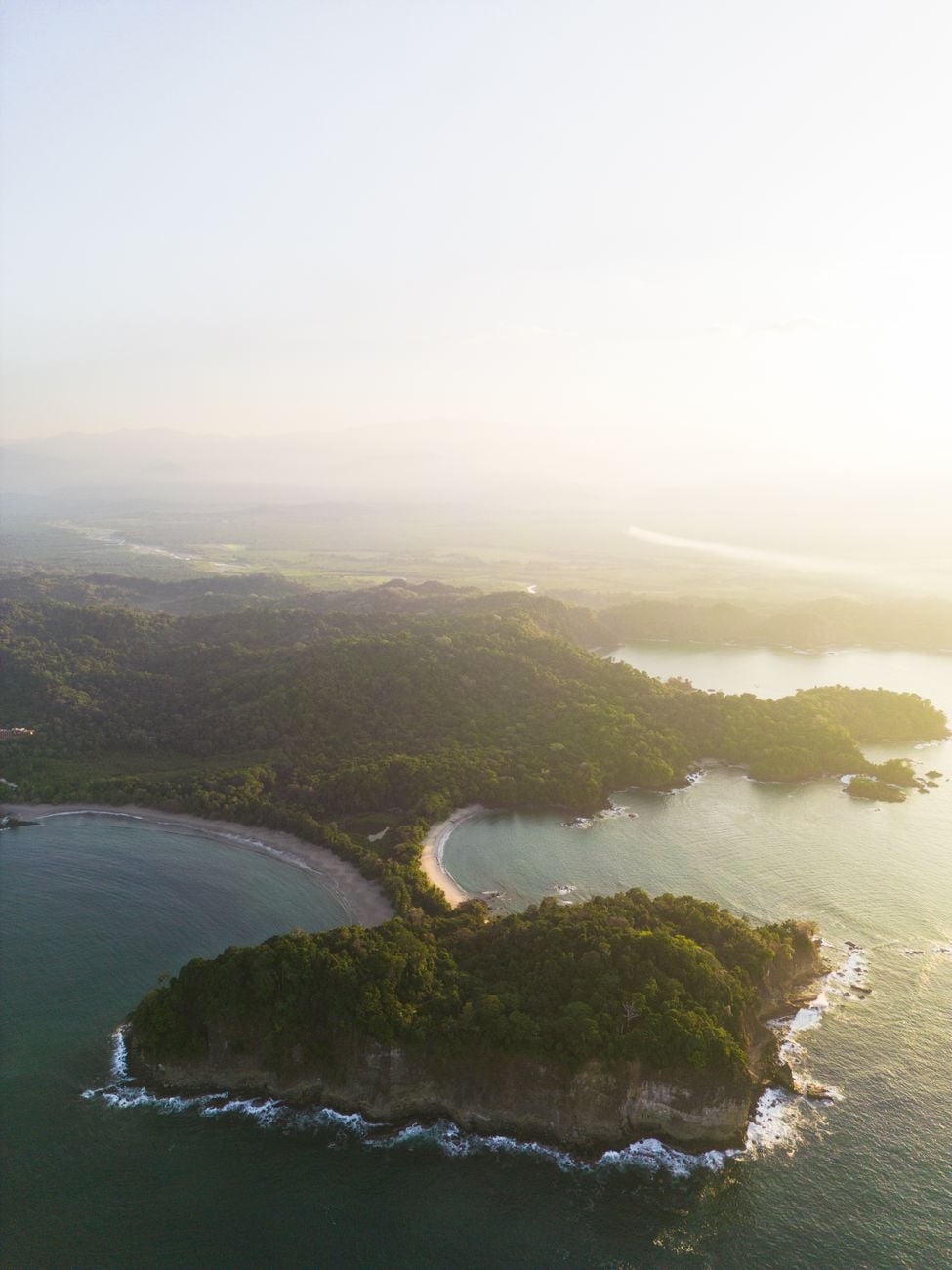
Manuel Antonio is Costa Rica's original gay beach destination — a small resort strip where rainforest hills tumble down to the Pacific, monkeys cross the road and adults-only hotels look out over the water. It has been a gay-friendly hideaway for decades and remains the most openly welcoming beach town in Central America, even though the scene itself is intimate rather than sprawling. Think one real gay club, a couple of gay-friendly cocktail bars, a famous gay beach and a cluster of gay-popular hotels, all within a few kilometres of each other along the road between the town of Quepos and the entrance to Manuel Antonio National Park.
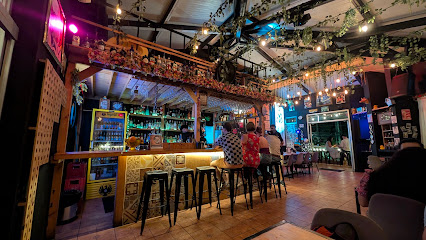
The town's dedicated gay nightspot is Drunken Monkey, up in Quepos. It's a compact dance club with DJs, drag shows and themed nights, and it's been a gay venue for years — locals still know it by its earlier names, Club Karma and Karma Disco Lounge. It's the only real gay nightclub outside San José and becomes the after-dark anchor during the Bravo circuit-party weekends and July Pride.
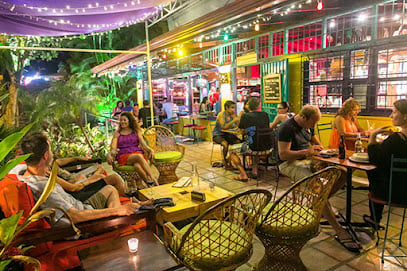
For a drink before the night gets going, APE Eclectic Social Bar is the reliable gay-friendly favourite: a small upstairs cocktail-and-tapas bar on the main road (Ruta 618), opposite Salsipuedes, that pours creative cocktails and hosts Pride-season parties. Two long-running gay-friendly spots round out the roster: El Patio de Café Milagro, a café and coffee roaster that turns into a live-music bar in the evenings, and La Terraza Café Bar Restaurante (formerly Raphael's Terrazas), a hillside sunset spot near Playa Espadilla with happy hour, live music and karaoke.
There are no gay saunas or bathhouses in Manuel Antonio — Costa Rica's gay saunas are all up in the capital, San José, which pairs naturally with a beach stop here.
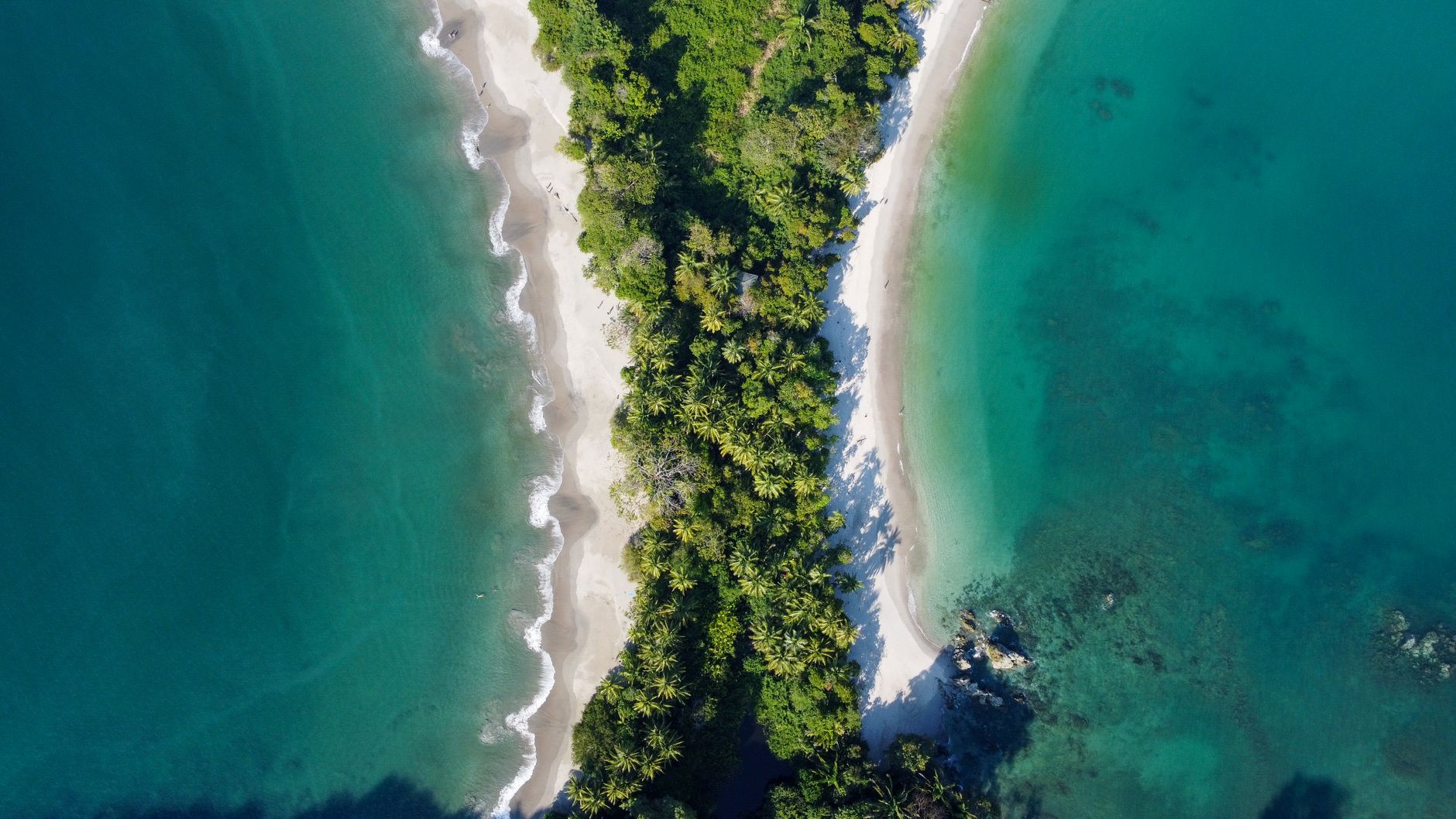
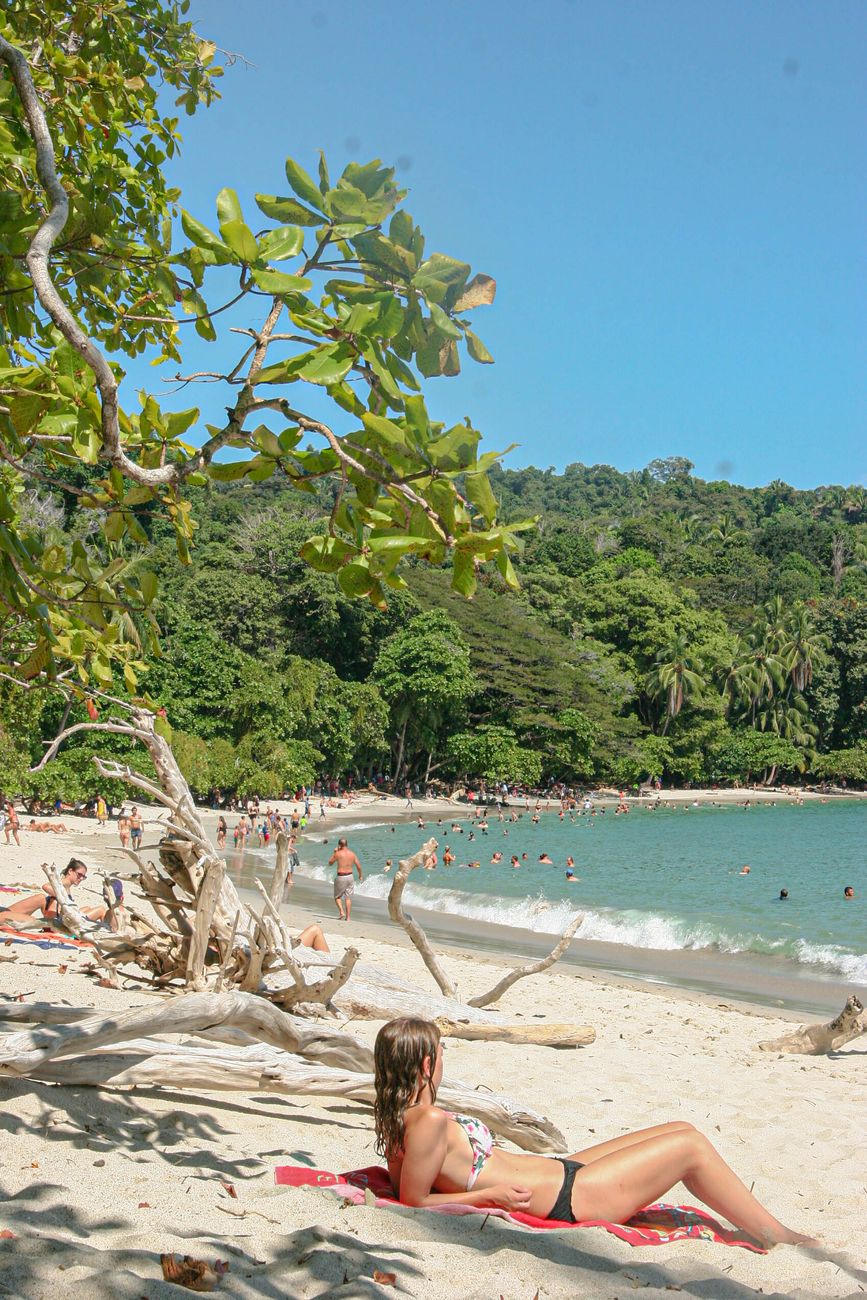
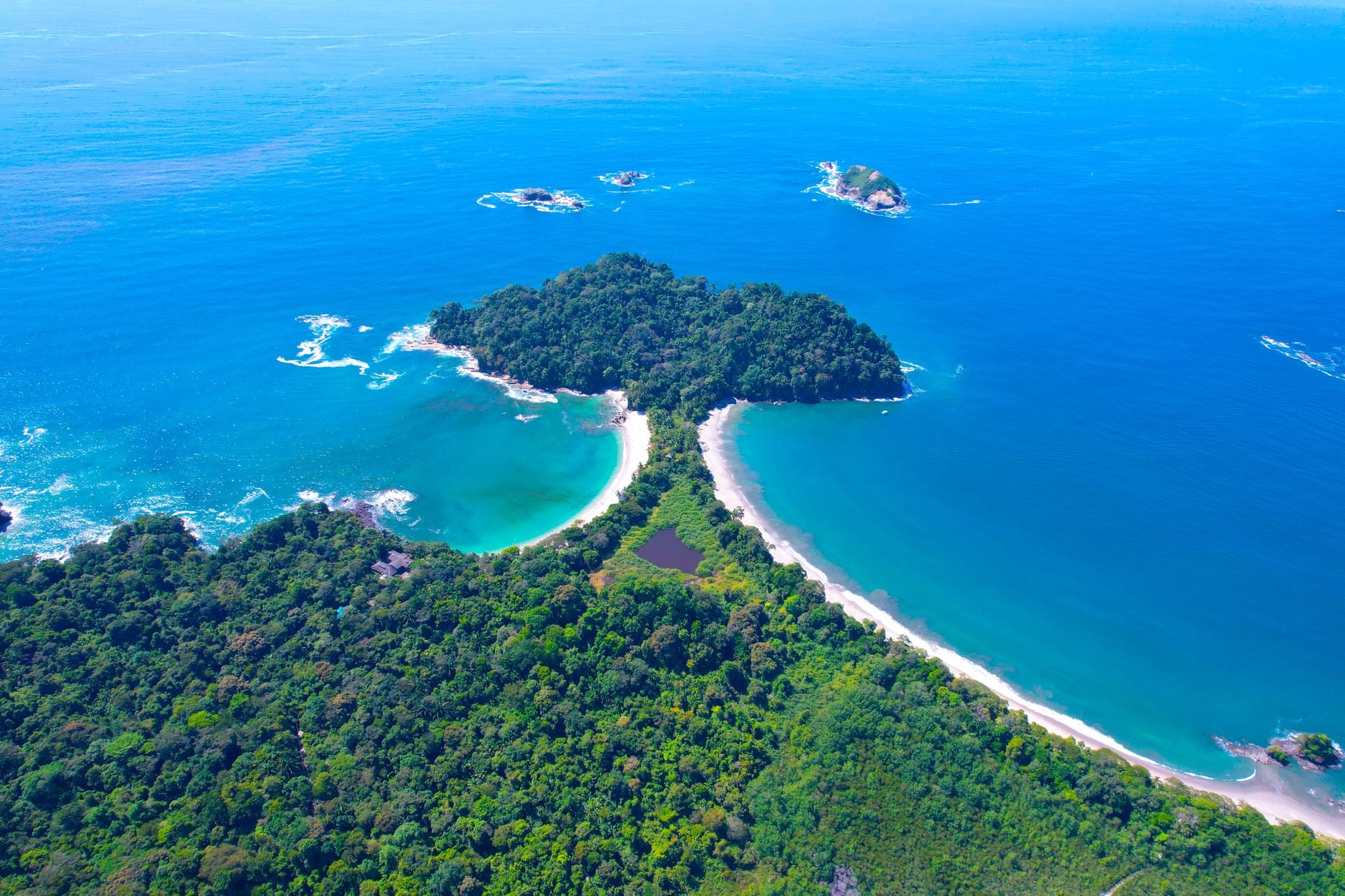
Manuel Antonio's gay beach is La Playita (also called Playa Playitas or simply "Playita"), a secluded cove reached by walking to the far north end of Playa Espadilla and scrambling over the rocky point into the next bay. It's widely regarded as the best-known gay beach in Costa Rica and has been the community's coastal gathering spot for decades — historically nude/clothing-optional, though a nudity ban has been enforced since a boutique hotel opened above the cove around 2014, so it's now mostly a clothed gay beach.
Tide safety matters here: the rock crossing from Espadilla is only passable at low tide and cuts off for roughly two hours either side of high tide, when people can get stranded. Check a tide chart before you go, head back in good time, watch for hidden rocks and strong surf, and treat it as a daytime-only spot.
Where to stay
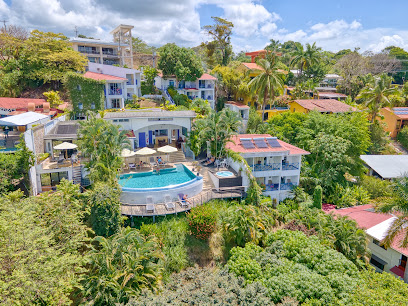
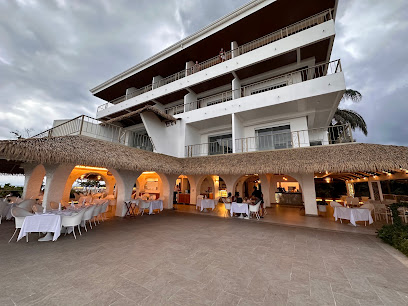
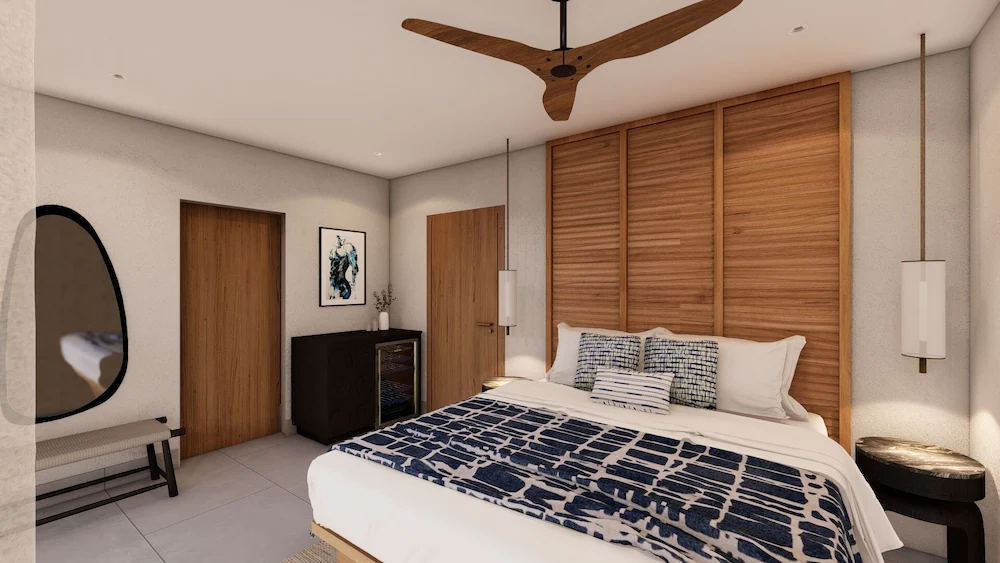
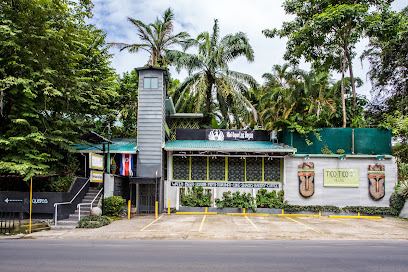
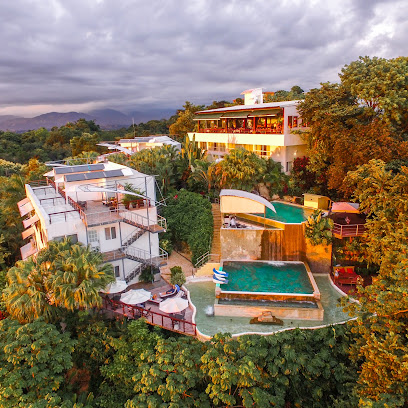
Manuel Antonio is famous for its adults-only and gay-popular hotels strung along the hill road, most with pools and Pacific views. Dedicated gay and gay-favourite options include Villa Roca Boutique Resort (gay-popular, clothing-optional pools), Tico Tico Villas (small adults-only, gay-focused villas), Royal Grand Resorts (adults-only gay men's resort with an in-house spa), and Oasis Adult Retreat. For upscale, gay-welcoming luxury there's Gaia Hotel and Nature Reserve and the landmark hilltop La Mariposa Hotel, known for some of the widest ocean views in town. Booking well ahead is smart around Pride and the circuit weekends.
The headline event is Pride on the Beach (Orgullo en la Playa), held in mid-July. It's a beach Pride rather than a street march — a parade along the sand at Playa Espadilla, pool parties, sunset sail parties and DJ nights spread across Drunken Monkey, APE and the gay hotels. On top of Pride, the Bravo party circuit runs recurring gay weekends (notably around New Year and Easter), and weekly gay pool parties pop up in season. Dates move slightly year to year, so confirm the exact weekend before booking.
Cruising
Costa Rica has full marriage equality (since 2020) and is one of Latin America's most LGBTQ+-friendly countries, so cruising exists here — but discreetly and beach-based. The only long-documented spot is La Playita itself and the northern Espadilla approach to it; activity is much reduced and low-key since the nudity ban. Public sex and public nudity are illegal, so keep it respectful, stick to daytime, and mind the same tide cut-off that applies to the beach.
Most visitors fly into Juan Santamaría International Airport (SJO) near San José and drive about 2.5–3 hours southwest to Manuel Antonio, or take a quick domestic flight (Sansa) to the small Quepos La Managua Airport (XQP), just a few minutes from town. Shared shuttles and private transfers from San José are common and easy to book. Once here, the town is essentially one road: a local bus runs between Quepos and the national-park beach every half-hour, and taxis are plentiful. A rental car is handy for the hills but not essential.
Legal status & safety
Costa Rica is among the most progressive countries in Latin America for LGBTQ+ travellers: same-sex marriage has been legal since 26 May 2020 (the first in Central America), joint adoption is allowed, and there are anti-discrimination protections. Manuel Antonio is relaxed and gay-welcoming, and same-sex couples are unremarkable here. The main practical concern is petty theft — don't leave valuables on the beach or in parked cars — rather than any anti-LGBTQ+ hostility.
Pair it with San José
Manuel Antonio works best as the beach half of a Costa Rica trip. The capital, San José, holds the country's larger gay bar scene, its saunas, its LGBTQ+ organisations and the national Pride march — an easy add-on at the start or end of your stay.
Frequently asked questions
Small but real for a beach town. Drunken Monkey, on the Manuel Antonio road below Victoria's, is the openly gay club with drag and late nights, the only one of its kind on Costa Rica's Pacific coast. El Patio de Café Milagro, La Terraza and APE Eclectic Social Bar are mixed, relaxed places along the main road. By day the scene moves to La Playita beach. San José, about 3 hours away, has the bigger nightlife.
Costa Rica scores 100 out of 100 in the GayOut legal index. It became the first Central American country with marriage equality on 26 May 2020, after an Inter-American Court opinion enforced by the Constitutional Chamber, with full joint adoption. Anti-discrimination protections in jobs and services date from 1998. In Manuel Antonio, the hillside hotels have hosted gay couples for decades and nobody blinks at a shared room. Quepos town is more local and quieter about public affection than the hotel strip.
Manuel Antonio has no Pride march of its own; the national march is in San José. What it has are recurring theme and drag nights at Drunken Monkey and live music at Café Milagro and La Terraza, busiest in the dry season from December to April.
Stay on the hillside road between Quepos and the park entrance. That is where the gay-friendly and adults-only hotels are, and Drunken Monkey, Café Milagro and La Terraza are all on or just off that road. A public bus runs along it roughly every 30 minutes by day, and taxis are cheap at night. Staying in Quepos town is cheaper but means a ride up the hill each evening, and La Playita is a walk along Playa Espadilla at low tide.
The best-rated bar on GayOut right now is El Patio de Café Milagro; El Patio de Café Milagro has more than 2,200 Google reviews and is the easy evening start. For an actually gay night, Drunken Monkey is currently open, with drag shows, theme parties and a mostly male crowd late at night. Our team last verified it on 2026-09-25.
Your privacy choices.
We use cookies to run GayOut and, with your consent, measure usage. Learn more
Your privacy choices
We use cookies to keep GayOut running, remember your preferences, and (with your permission) measure how the site is used. You can accept all, reject all, or pick what you allow. Learn more
Essential
Required for sign-in, fraud prevention, CSRF protection and remembering your language. Cannot be disabled.
Always on
Remembers your favourites, dark mode and other interface preferences across visits.
Helps us understand which pages people visit (Google Analytics, server-side stats) so we can improve.
Used by campaign tracking pixels. None are active right now, reserved for future use.
Install GayOut
Add GayOut to your home screen for faster access, offline favourites, and Pride alerts.



 Gay Bars & Clubs
Featured
(109)