Same-sex marriage is legal in all states (Supreme Court ruled in 2022 that bans are unconstitutional). Federal anti-discrimination protections exist. Safety varies greatly by region.
Never miss a gay event in Ciudad de México
One email a week — the weekend lineup, parties and deals. No spam, unsubscribe anytime.
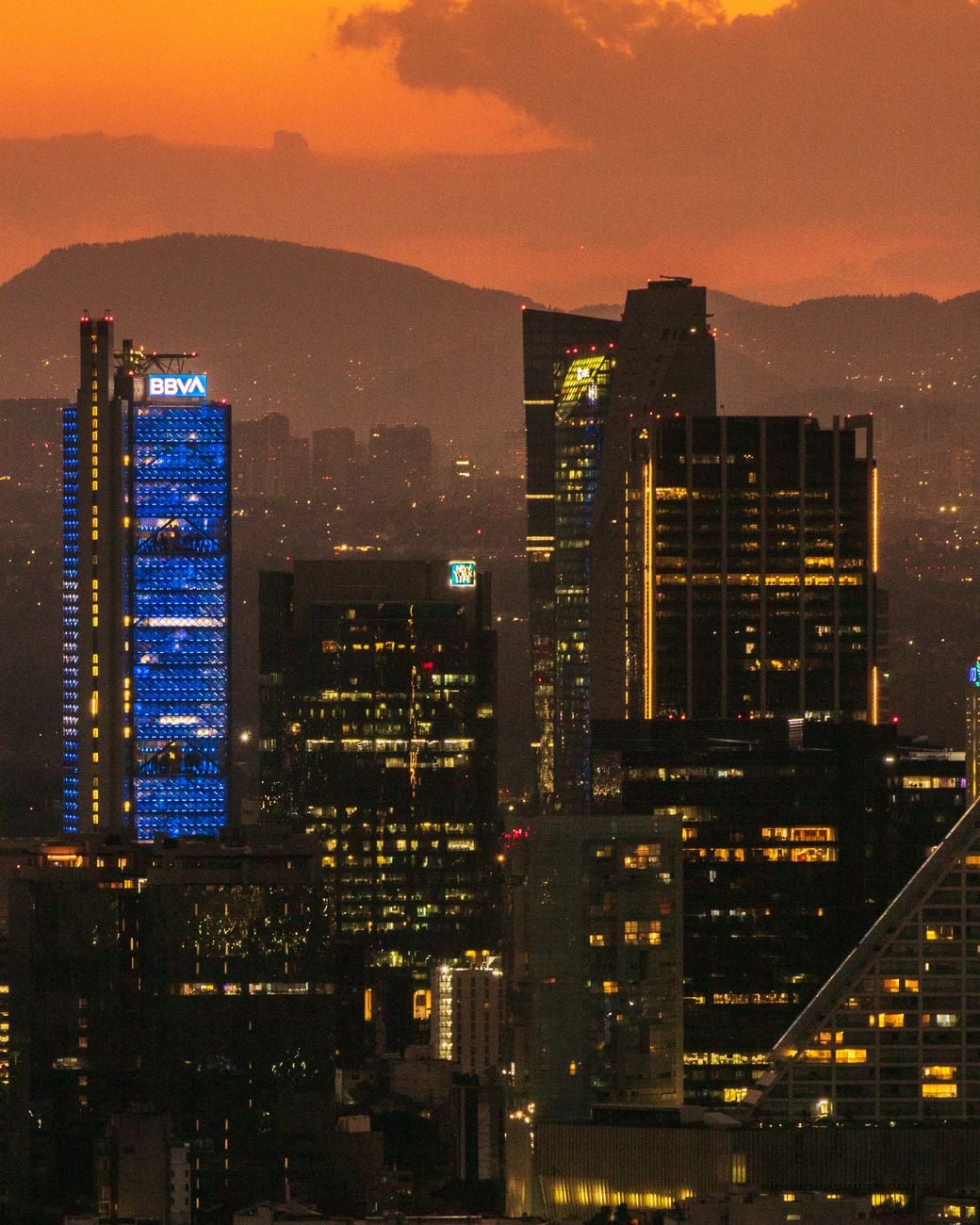
Mexico City's LGBTQ+ scene represents one of Latin America's most developed and visible gay communities, rooted in decades of activism, cultural production, and community building. The city has transformed significantly since the 1980s and 1990s, when gay culture existed in carefully demarcated spaces, to today's relatively open and integrated scene where LGBTQ+ individuals and businesses operate across multiple neighborhoods and social contexts.
HISTORY AND CONTEXT
Mexico City's modern LGBTQ+ history gained momentum in the 1970s and 1980s, with early gay bars and bathhouses operating in central locations despite legal and social restrictions. The 1985 earthquake that devastated the city paradoxically created community-building opportunities as LGBTQ+ individuals organized mutual aid and activism. By the 1990s, Zona Rosa emerged as the primary gay entertainment district, a development that continued through the early 2000s. The city legalized same-sex civil partnerships in 2009—a landmark moment in Mexico—and subsequently passed increasingly progressive legislation regarding adoption, gender recognition, and anti-discrimination protections.
NEIGHBORHOODS
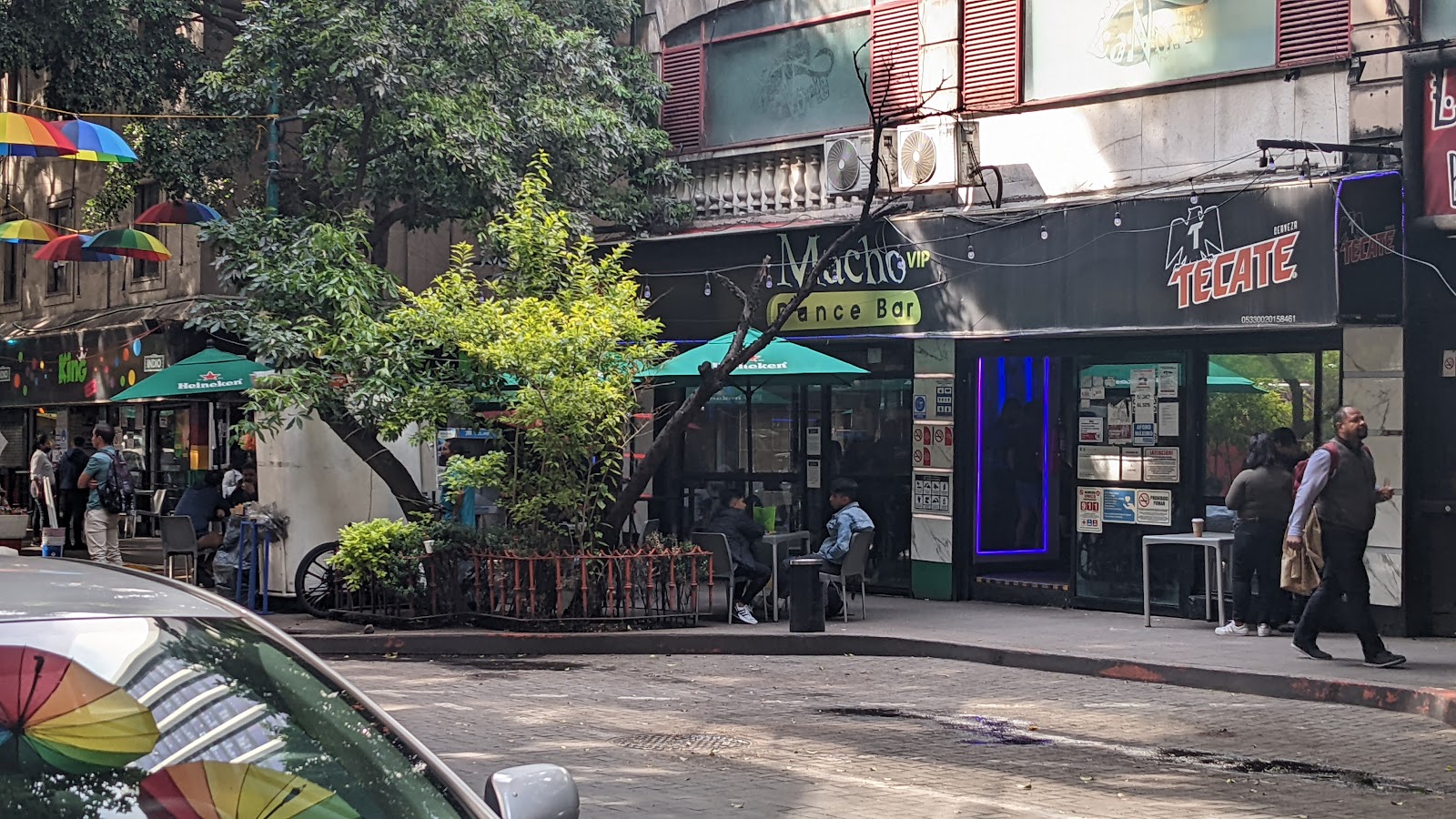
Zona Rosa remains the most recognizable gay neighborhood internationally, centered around Paseo de la Reforma and Avenida Amberes. This upscale commercial area contains numerous gay bars, clubs, restaurants, and shops, though it has become less exclusively gay-focused over time. The neighborhood is well-policed, well-lit, and comfortable for tourists, with easy access to hotels and public transportation.
Santa María la Ribiera, located north of the historic center, has become increasingly popular with younger LGBTQ+ travelers and residents. The neighborhood features contemporary bars, cafes, galleries, and cultural venues with a more laid-back atmosphere than Zona Rosa. It's walkable, increasingly gentrified, and offers authentic local flavor alongside gay nightlife.
Chueca, near the Alameda Park in central Mexico City, has developed as another emerging gay hub with artisanal bars, independent shops, and cultural spaces. The neighborhood's proximity to museums, galleries, and historic sites appeals to culture-focused travelers.
The Historic Center (Centro Histórico) itself contains important cultural institutions, colonial architecture, and public spaces that have become increasingly welcoming to LGBTQ+ visitors. While not a dedicated gay neighborhood, it's central to experiencing Mexico City's cultural richness.
VENUES AND NIGHTLIFE
Zona Rosa's established venues include traditional gay bars, dance clubs, and restaurants catering to both tourists and locals. The neighborhood has numerous options ranging from casual happy-hour bars to late-night dance clubs. Many venues operate Thursday through Sunday nights, with peak activity on Friday and Saturday. Sunday afternoons in Zona Rosa attract significant gay crowds to bars and cafes.
Santa María la Ribiera and Chueca host newer, often independently-owned bars and clubs with more contemporary aesthetics. These areas attract a younger demographic and those seeking less touristy experiences. The venues in these neighborhoods often emphasize cocktails, local craft beer, and DJs playing electronic, indie, or Latin music.
Beyond dedicated gay venues, Mexico City's broader bar, club, and restaurant scene is generally LGBTQ+-friendly throughout central and northern neighborhoods. Pulque bars, mezcal lounges, and dance clubs throughout the city welcome LGBTQ+ clientele.
Mexico City Pride takes place in June, with the main parade typically occurring on the last Saturday. The celebration has grown exponentially, now drawing over half a million participants and spectators. The parade route winds through the Historic Center and into Paseo de la Reforma, with stages, performances, and festivities extending throughout the day and into multiple evenings. Hotels book months in advance during Pride.
Beyond Pride, the city hosts LGBTQ+-focused film festivals, theater productions, and cultural events throughout the year. The Cervantino International Film Festival, held in October/November in various Mexican cities including Mexico City, features strong LGBTQ+ programming.
WHERE TO STAY
Hotels in and near Zona Rosa provide convenient access to gay nightlife and are accustomed to LGBTQ+ travelers. Options range from luxury properties to budget accommodations. Zona Rosa's centrality also means easy access to museums, restaurants, and public transportation.
Hotels in the Historic Center situate travelers near major cultural attractions and public transportation hubs, though they're slightly removed from the primary gay entertainment zone. The Condesa and Roma neighborhoods, considered among Mexico City's most vibrant areas for dining, shopping, and culture, contain numerous hotels and are queer-friendly and worth considering alongside or instead of Zona Rosa.
Santa María la Ribiera offers increasingly boutique hotel options alongside hostels, appealing to younger travelers and those seeking less touristy areas.
Mexico City is generally safe for LGBTQ+ travelers in established neighborhoods and entertainment districts. Zona Rosa, the Historic Center, Condesa, Roma, and Santa María la Ribiera are well-populated, well-lit, and patrolled by police, particularly in evening hours. LGBTQ+ individuals move openly and publicly throughout these areas without unusual concern.
However, Mexico City and Mexico generally experience violent crime in certain areas and contexts, unrelated to LGBTQ+ status. Travelers should avoid displaying expensive jewelry or electronics, remain aware of surroundings particularly late at night, avoid traveling alone to unfamiliar areas after dark, and use registered taxi services or ride-sharing apps rather than hailing cabs on the street. Crime exists but is not primarily directed at LGBTQ+ people in the city's central, established districts.
Legal protections for LGBTQ+ individuals have expanded significantly in Mexico City. Same-sex partnerships have legal recognition, and anti-discrimination laws protect LGBTQ+ people in employment, housing, and public accommodations. However, societal attitudes vary by region and context, and travelers may encounter discrimination in certain contexts outside central areas.
TRANSPORTATION
Mexico City's public transportation system includes the metro (subway), buses, and ride-sharing services including Uber and Didi. The metro is extensive, affordable, and reaches major neighborhoods and attractions. Service is efficient though crowded during peak hours. Women-only metro cars exist during rush hours; no specific LGBTQ+-designated seating, but harassment is uncommon in central areas.
Ride-sharing apps are popular and reliable, particularly in evening hours when travelers may prefer not to navigate unfamiliar neighborhoods via public transit. Taxis are available but ride-sharing apps provide more security through tracking and digital payment.
FOOD AND DINING
Mexico City's food scene is world-renowned, with options ranging from street food to Michelin-starred restaurants. The city's dining culture is open and inclusive, with LGBTQ+-friendly establishments throughout central neighborhoods. Zona Rosa contains numerous restaurants catering to international tourists and local gay clientele. Condesa and Roma neighborhoods offer exceptional dining scenes with trendy restaurants, mezcal bars, and casual establishments popular with LGBTQ+ crowds.
Traditional Mexican cuisine, contemporary fusion cooking, international options, and specialized mezcal and pulque bars represent the diversity available. Markets including La Merced and Benito Juárez offer authentic street food and local products.
DAY TRIPS AND SURROUNDING AREAS
The pyramids of Teotihuacán, located approximately 50 kilometers northeast, are accessible via organized tours or public transportation. The archaeological site ranks among Mexico's most significant. Xochimilco, within the city proper, features historic canals and traditional boats, offering a cultural day-trip experience.
Puebla, approximately 120 kilometers east, is a UNESCO World Heritage site featuring colonial architecture, good restaurants, and nearby archaeological sites including Cholula. It's accessible via bus or organized tours and makes an excellent overnight trip.
Cuernavaca, south of the city, offers a warmer climate, colonial charm, and weekend escape atmosphere for Mexico City residents. It's accessible via bus in approximately one hour.
CULTURE AND ATTRACTIONS
Beyond the LGBTQ+-specific scene, Mexico City offers world-class museums including the National Museum of Anthropology, the Museum of Contemporary Art, the Frida Kahlo Museum, and countless others. The Historic Center contains colonial churches, government buildings, and the Metropolitan Cathedral. Chapultepec Park and Forest offer green space, museums, and walking paths. Xochimilco's canals and traditional boats represent a unique Mexico City experience.
The city's cultural production—visual art, theater, dance, literature, film—is exceptionally robust and inclusive. LGBTQ+ cultural institutions, galleries, and performance spaces operate throughout the city.
PRACTICAL INFORMATION
Language: Spanish is the primary language. English is spoken in tourist-oriented areas, hotels, and many restaurants in central neighborhoods. Learning basic Spanish phrases enhances the experience and shows respect to local culture.
Currency: The Mexican Peso (MXN) is the currency. ATMs are widely available in established neighborhoods. Credit cards are accepted in most restaurants and businesses in central areas, though cash remains useful for street vendors and smaller establishments.
Visa and documentation: Most visitors from North America, Europe, and other developed nations can enter Mexico visa-free for tourist purposes. Check specific requirements based on citizenship.
Weather: Mexico City's altitude (2,250 meters) results in mild, spring-like weather year-round. Rainy season occurs May through September, with afternoon showers common. Dry season (November through April) offers clear skies and comfortable temperatures.
Mexico City represents a mature, well-developed LGBTQ+ destination within a complex, sprawling urban center. The combination of visible gay nightlife, progressive legal frameworks, world-class culture, and exceptional food and dining makes it attractive for diverse traveler types. Like all major cities, situational awareness and basic safety precautions apply, but the established gay neighborhoods and LGBTQ+-friendly areas offer comfortable, welcoming spaces for travelers of all orientations and identities.
Frequently asked questions
Mexico City is considered Latin America's most prominent LGBTQ+ destination and has a visible, confident queer culture. While attitudes can vary across Mexico, Mexico City is notably more progressive than many regions.
Zona Rosa has historically been the center of the gay scene with many bars and restaurants. La Roma is a trendy, bohemian area with LGBTQ+-friendly venues and a more relaxed vibe. Condesa is an upscale, progressive neighborhood popular with visitors, and Coyoacán offers an artistic atmosphere.
Mexico City's Pride celebration, Marcha del Orgullo, began in the 1980s and has grown into one of the world's largest Pride events, drawing over a million people.
Zona Rosa has a concentration of gay bars and restaurants. While the scene has become less exclusively gay in recent years, Zona Rosa remains an important area for LGBTQ+ nightlife.
Mexico City legalized same-sex civil unions in 2009 and same-sex marriage in 2015, making it a progressive urban center for LGBTQ+ rights in Mexico.
While Zona Rosa has historically been the center, the city's queer culture has dispersed and normalized throughout the metropolis, with neighborhoods like La Roma and Condesa also being popular with LGBTQ+ travelers.
Your privacy choices.
We use cookies to run GayOut and, with your consent, measure usage. Learn more
Your privacy choices
We use cookies to keep GayOut running, remember your preferences, and (with your permission) measure how the site is used. You can accept all, reject all, or pick what you allow. Learn more
Essential
Required for sign-in, fraud prevention, CSRF protection and remembering your language. Cannot be disabled.
Always on
Remembers your favourites, dark mode and other interface preferences across visits.
Helps us understand which pages people visit (Google Analytics, server-side stats) so we can improve.
Used by campaign tracking pixels. None are active right now, reserved for future use.
Install GayOut
Add GayOut to your home screen for faster access, offline favourites, and Pride alerts.


 Gay-Friendly Bars & Clubs