Same-sex marriage is legal in all states (Supreme Court ruled in 2022 that bans are unconstitutional). Federal anti-discrimination protections exist. Safety varies greatly by region.
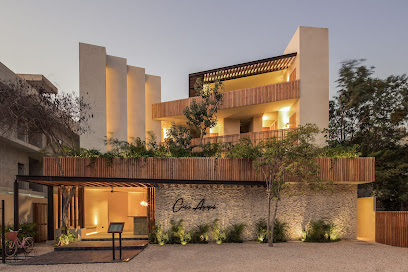
This stylish hotel offers modern spaces, a restaurant, a gym, a rooftop lounge ets. It has a perfect location near the city center of Tulum and a short drive from stunning Caribbean beaches.
Tulum as an LGBTQ+ Destination: A Comprehensive Guide
Tulum's transformation into an LGBTQ+-friendly beach town is relatively recent, reflecting broader shifts in Mexican tourism and international migration patterns. Historically, Mexico's Caribbean coast was dominated by heteronormative all-inclusive resorts and spring break tourism. However, over the past 10-15 years, Tulum attracted a wave of LGBTQ+ entrepreneurs, digital nomads, and expat residents who established welcoming businesses and social communities. This organic growth created a destination that differs markedly from traditionally gay-oriented Mexican resort towns—less focused on nightlife excess and more aligned with wellness, sustainability, and authentic cultural experiences.
Geography and Neighborhoods
Tulum is organized into distinct zones that matter for LGBTQ+ travelers. Downtown Tulum, centered on Avenida Tulum, contains the main commercial district with restaurants, shops, pharmacies, and local businesses. This area has a Mexican character—less manicured than the beach zone—and serves as the actual community hub where locals and expats intermingle. The Beachfront or Hotel Zone extends along the Caribbean coast north and south of town, with upscale resorts, boutique hotels, and beach clubs. Many LGBTQ+-friendly accommodations concentrate here, offering direct beach access. The South Beach area, further from downtown, tends toward more exclusive, quieter properties. Playa del Carmen, about 45 minutes north, offers additional nightlife and a larger gay scene if Tulum feels too quiet.
Key Venues and Social Spaces
Tulum's gay scene centers on a handful of welcoming bars and clubs rather than a concentrated "gayborhood." Downtown venues include several bars and dance spots that attract LGBTQ+ crowds, though no single venue exclusively identifies as gay. Many restaurants and beach clubs throughout town maintain LGBTQ+-friendly, inclusive atmospheres. The beachfront area hosts several clubs that feature DJ sets and dancing, with varying LGBTQ+ attendance depending on the night and season. Specific venue names and reputations shift seasonally and with ownership changes, so current local recommendations through LGBTQ+ travel groups and accommodation hosts provide the most reliable guidance.
Hostels and smaller hotels, many LGBTQ+-owned or operated, serve as informal social hubs where travelers meet and organize group outings. These spaces often host game nights, beach days, and dinners, creating community even when formal gay venues are limited.
Events and Pride
Tulum Pride takes place in June, featuring parades, parties, and cultural events. The celebration is significantly smaller than major Mexican Pride festivals in Mexico City or Puerto Vallarta, reflecting Tulum's size and philosophy. However, this means the event retains a grassroots community feel rather than commercial spectacle. The festival includes downtown celebrations, beach parties, and club events throughout the week. Other events include International Yoga Day (June 21) and occasional circuit-style dance parties at beach clubs, though these are less common than in larger resort towns.
Where to Stay
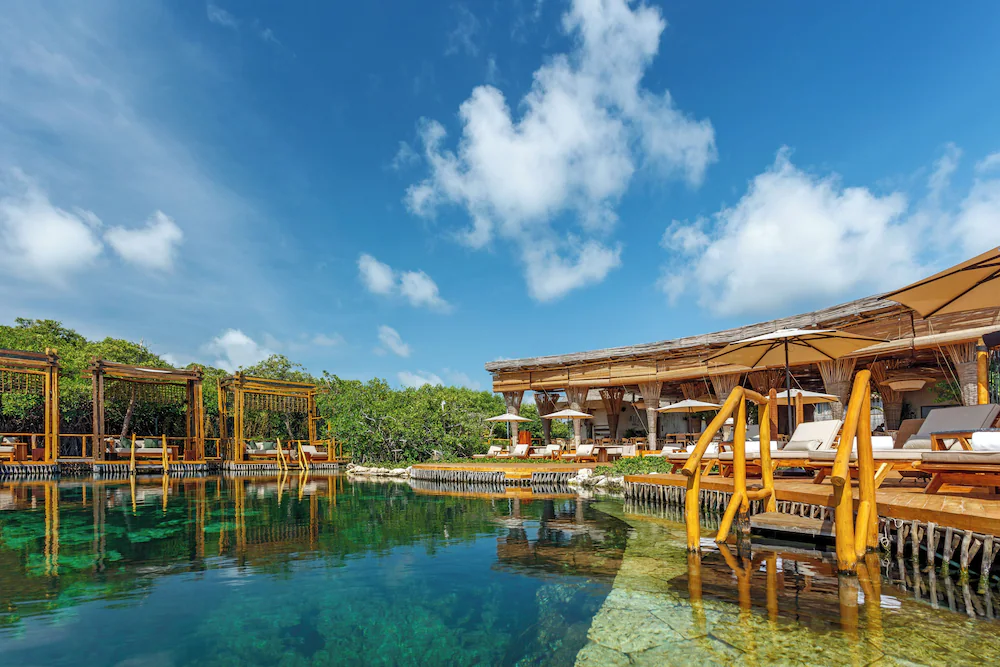
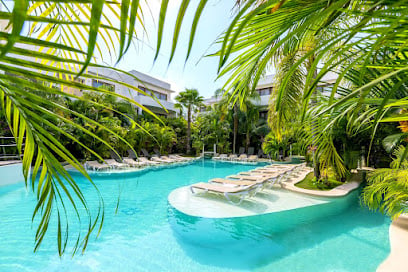
LGBTQ+ travelers should research accommodation carefully, as LGBTQ+-friendly status varies. Several small hotels and boutique resorts actively market to LGBTQ+ guests and employ welcoming staff. Beachfront options range from luxury properties with full amenities to eco-chic bungalows emphasizing sustainability. Downtown hotels offer budget and mid-range choices closer to local restaurants and nightlife. Many LGBTQ+ travelers prefer staying in these smaller properties rather than major chains, as they provide more personalized experiences and host social events. Airbnb and Vrbo also offer gay-owned or operated vacation rentals, which can provide local knowledge and community connection.
Mexico's legal framework provides constitutional protections against discrimination based on sexual orientation and gender identity, though enforcement varies regionally. Quintana Roo state, where Tulum is located, has not legalized same-sex marriage at the state level (though federal court recognition applies). In practice, Tulum as a tourist destination is very safe for LGBTQ+ travelers, with established tourism infrastructure and a significant foreign resident population. The town's economy depends on tourism, incentivizing inclusive policies.
Common sense precautions apply: avoid displaying excessive wealth, be cautious late at night in unfamiliar areas, and stick to well-traveled routes after dark. Public displays of affection are generally acceptable in tourist areas, though exercising judgment in non-tourist zones is wise. Healthcare facilities are modern and available; the town has pharmacies and clinics serving tourists. Purchasing travel insurance covering medical evacuation is advisable for any Mexico travel.
Transport and Getting Around
Tulum is accessible via Cancún International Airport, approximately 45 minutes north by car, bus, or shuttle service. Several shuttle services cater specifically to Tulum visitors, offering safer alternatives to unmarked taxis. Once in town, local transport includes colectivos (shared vans) running on set routes, standard taxis, and car rentals. The downtown area is walkable, and many hotels offer bicycles or arrange transportation. Renting a car provides flexibility for day trips to cenotes and ruins, though traffic on Highway 307 can be congested during high season.
Food and Dining
Tulum offers diverse dining reflecting its international population. Downtown features local taquerias, cevicherias, and authentic Yucatecan cuisine at reasonable prices. The beachfront contains upscale seafood restaurants, fusion concepts, and wellness-focused eateries. Many establishments cater to dietary preferences including vegetarian, vegan, and gluten-free options. LGBTQ+-owned restaurants and cafes provide welcoming spaces and local perspectives. The town's coffee culture is strong, with several third-wave cafes. Local markets offer fresh produce for self-catering. Dining scenes vary seasonally; high season (December-March) brings more restaurants and higher prices, while shoulder seasons offer fewer options but better values and fewer tourists.
Day Trips and Activities
Tulum's surrounding area offers extensive day-trip possibilities. Tulum Ruins, located just south of downtown on a clifftop overlooking the Caribbean, provides archaeological interest and stunning photos. Cenotes—freshwater sinkholes unique to the Yucatán—are accessible throughout the region for swimming and snorkeling. Popular cenotes include Cenote Dos Ojos, Gran Cenote, and Aktun Ha. Playa del Carmen (45 minutes north) offers larger-scale dining, shopping, and nightlife. The Sian Ka'an Biosphere Reserve provides ecological tours and wildlife viewing. Bicycle tours, zip-lining, and jungle adventures appeal to adventure-oriented travelers. Many LGBTQ+ travelers group together for these activities through hostels or online communities.
Seasonal Considerations
High season runs December through March, offering perfect weather but peak prices and crowds. Shoulder seasons (April-May, September-November) provide quieter experiences with occasional rain. Summer (June-August) brings heat and humidity but fewer tourists and lower prices. Hurricane season peaks September-October, though Tulum experiences fewer direct hits than other Caribbean destinations. Travel insurance covering weather events is advisable during this period.
Community and Resources
Tulum has developed LGBTQ+ community groups through social media, accommodation networks, and volunteer organizations. Newcomers and extended travelers often connect through hostels, coworking spaces, and meetup groups. Spanish language ability enhances integration with local community, though English is widely spoken in tourist areas. Several LGBTQ+-focused expat Facebook groups provide information sharing and event announcements.
Tulum represents an evolving LGBTQ+ destination—not a traditional circuit party town but rather a place for community, wellness, cultural exploration, and beach life alongside acceptance and visibility. Its appeal grows as more LGBTQ+ people build lives there, creating authentic queer spaces woven into the fabric of the town rather than segregated from it.
Frequently asked questions
Mexico's legal framework protects against sexual orientation discrimination in many areas. While Tulum's scene is subtle and integrated, many hotel owners and tourism operators actively welcome LGBTQ+ guests.
Tulum's LGBTQ+ hospitality is more subtle and integrated throughout the town rather than concentrated in one district. The scene is distributed rather than concentrated, with venues spread across the Hotel Zone and town center.
Yes, some properties cater directly to gay guests. Posada Margherita is an upscale beachfront hotel known for attracting gay couples, and The Palms Tulum is a clothing-optional all-inclusive resort that welcomes LGBTQ+ guests.
Tulum's bar and nightlife scene is more low-key than party-focused resort towns. The scene is distributed rather than concentrated, with popular venues like Gitano located in the Hotel Zone.
Most visitors spend time in the Hotel Zone, where beachfront resorts and restaurants cluster along the coast. The town center also offers options, with many guesthouses and smaller hotels run by international owners familiar with diverse clientele.
The provided guide does not mention specific dates for Pride events in Tulum.
Your privacy choices.
We use cookies to run GayOut and, with your consent, measure usage. Learn more
Your privacy choices
We use cookies to keep GayOut running, remember your preferences, and (with your permission) measure how the site is used. You can accept all, reject all, or pick what you allow. Learn more
Essential
Required for sign-in, fraud prevention, CSRF protection and remembering your language. Cannot be disabled.
Always on
Remembers your favourites, dark mode and other interface preferences across visits.
Helps us understand which pages people visit (Google Analytics, server-side stats) so we can improve.
Used by campaign tracking pixels. None are active right now, reserved for future use.
Install GayOut
Add GayOut to your home screen for faster access, offline favourites, and Pride alerts.


 Gay-Friendly Saunas
(402)
Gay-Friendly Saunas
(402)