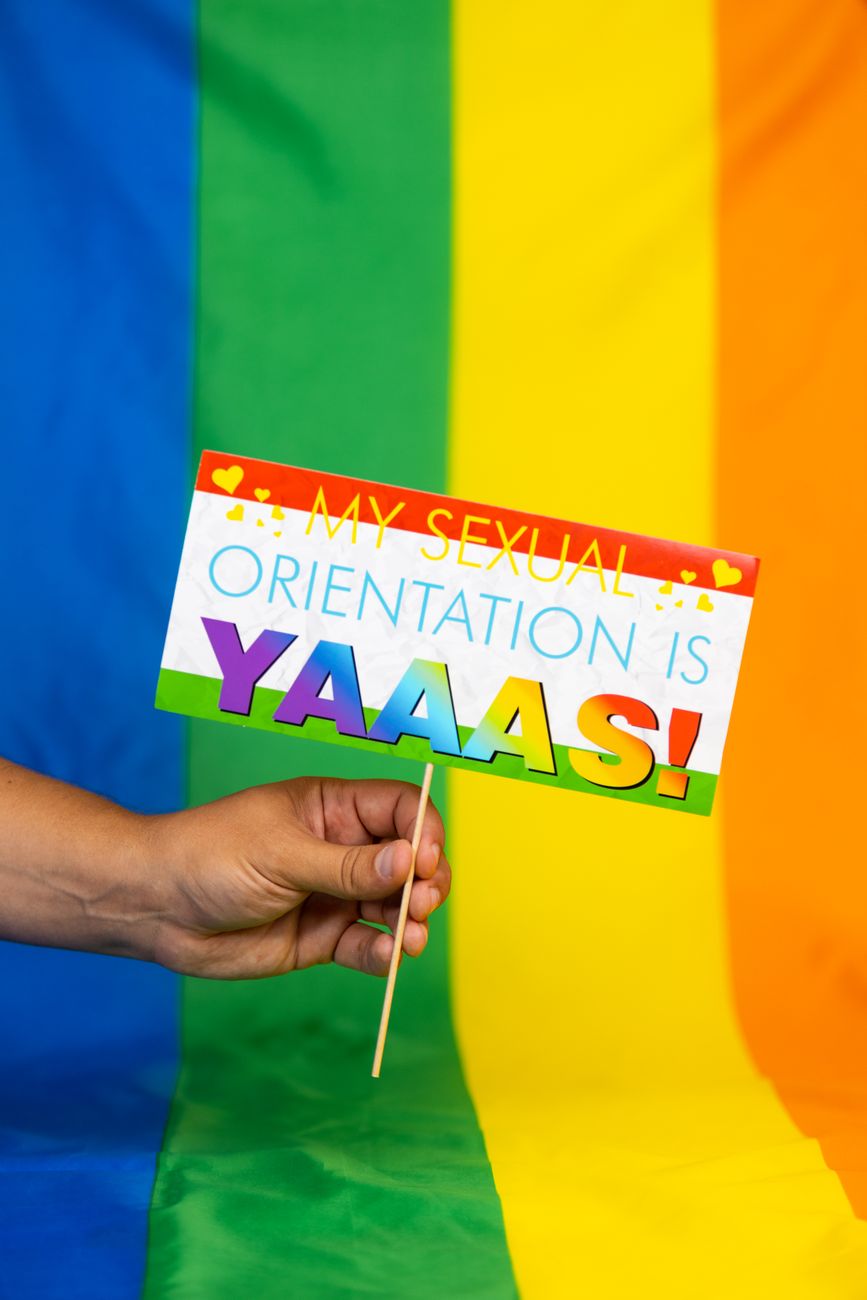
Marriage equality since Obergefell v. Hodges (26 June 2015). The Respect for Marriage Act (December 2022) provides a congressional floor, requiring federal recognition of all valid same-sex and interracial marriages regardless of future Supreme Court rulings. Bostock v. Clayton County (2020) held that Title VII of the Civil Rights Act prohibits employment discrimination on the basis of sexual orientation and gender identity. No comprehensive federal anti-discrimination law in housing or public…
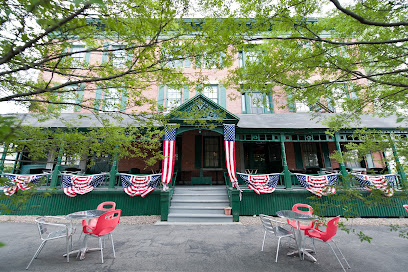
Full Service Hotel with indoor pool, onsite restaurant and bar and onsite fitness center. Over 3,000 sq. feet of event/meeting space able to accommodate weddings and other events.
Ithaca, New York: A Progressive College Town Guide
Ithaca occupies a unique position in upstate New York's LGBTQ+ landscape. As home to two major universities—Cornell University and Ithaca College—the city has developed a notably progressive, inclusive atmosphere where LGBTQ+ visibility and acceptance are woven into the community fabric. Unlike larger cities with concentrated gay neighborhoods, Ithaca's LGBTQ+ culture is dispersed throughout the downtown area and integrated into the broader community, reflecting both the city's size and its progressive values.
History and Community
The LGBTQ+ community in Ithaca has grown substantially since the 1980s and 1990s, paralleling the expansion and increasing social liberalism of the two universities. Both Cornell and Ithaca College have established LGBTQ+ resource centers, student organizations, and inclusive policies that contribute to a welcoming environment. The city itself has adopted anti-discrimination ordinances and elected openly LGBTQ+ officials to local government, establishing legal protections and institutional support. This combination of university culture and municipal progressivism has created one of the most LGBTQ+-friendly small cities in upstate New York.
Neighborhoods and Layout
Ithaca's geography centers on the downtown Commons, a pedestrian mall and historic district that serves as the heart of the city. This area contains most of the city's restaurants, bars, shops, and cultural venues. The Commons connects to surrounding blocks that extend toward Cornell's campus to the north and east. The downtown area is compact and walkable, making it easy to navigate on foot.
The city doesn't have a designated gay neighborhood, but LGBTQ+-friendly businesses and organizations are scattered throughout downtown and surrounding areas. The proximity to the universities means a younger demographic and more liberal social attitudes than in surrounding rural areas. Residential neighborhoods spread outward from downtown, with many visitors choosing accommodations within walking distance of the Commons for convenience.
Venues and Nightlife
Ithaca's nightlife is considerably more subdued than major metropolitan areas, reflecting its character as a college town rather than a party destination, and the city has no dedicated gay bar. Instead, the queer scene is event-driven. The Rhine House (632 W Seneca St), a bar and music room in the West End, hosts "Cheers Queers" every Friday night, with queeraoke, guest DJs, and Finger Lakes Bears meetups, making it the closest thing Ithaca has to a regular gay night. ThursGAY, a roving monthly queer dance party billed as "Ithaca's premier queer night," pops up at rotating downtown venues.
Everyday gathering spots include Bar Argos and the Alley Cat Café near The Commons, both known as welcoming, queer-friendly hangouts. Much of Ithaca's LGBTQ+ social life centers on student organizations, community groups, and university-hosted performances rather than traditional nightlife venues. Both Cornell and Ithaca College host events, lectures, and social gatherings that welcome the broader LGBTQ+ community.
Ithaca Pride takes place each June, organized by the volunteer-run Ithaca Pride Alliance. The festival spans a weekend in mid-June (2026: June 12-14) and includes a RainbowFest concert, an all-ages dance party at the Bernie Milton Pavilion on The Commons, and "Pride in the Park" at DeWitt Park, where 70+ vendors, community-organization booths, and family-friendly activities fill the day. Pride in Ithaca emphasizes community inclusion and education rather than commercialization, reflecting the city's character. The Cornell LGBT Resource Center and Ithaca College's Center for LGBT Education, Outreach & Services play year-round organizing and programming roles.
Beyond Pride, the city hosts numerous cultural events throughout the year. The Ithaca Festival, a beloved community arts festival held each spring since 1977, fills downtown with a parade, music, and local artists, with queer-inclusive programming alongside. Both universities present theatrical productions, film screenings, lectures, and performances with LGBTQ+ themes or artists, and the surrounding Cayuga Wine Trail occasionally hosts LGBTQ+-friendly tastings.
Where to Stay
Accommodation options range from hotels to bed-and-breakfasts to Airbnb rentals. The downtown Commons area offers the most convenient location for walkability and access to restaurants and venues. Several hotels, including The Hotel Ithaca and the Statler Hotel (part of Cornell's hotel school program), are centrally located. Many innkeepers and property owners in the area are LGBTQ+-owned or actively welcoming.
The Meadow Court Inn and other locally owned inns offer more intimate accommodation options. Those seeking quieter settings can find properties in surrounding neighborhoods or rural areas outside the city, though accessibility to downtown venues would require a car or rideshare service.
Ithaca has earned recognition for its exceptional farm-to-table dining scene driven by proximity to local farms, orchards, and producers. The city's food culture emphasizes seasonal ingredients, sustainability, and culinary creativity. Many restaurants prominently display LGBTQ+ pride flags or signage indicating welcoming policies.
Notable establishments include Morada Restaurant, known for farm-focused cuisine, and various cafes and casual eateries throughout the Commons. The Analog Restauraunt, Ithaca Bakery, and numerous other venues provide casual to upscale dining options. The city supports diverse cuisines including Italian, Thai, Vietnamese, Indian, and Mediterranean restaurants alongside American fare.
Ithaca's local brewery scene, including breweries such as Ithaca Beer Company, has expanded in recent years. These venues typically host diverse clientele and special events. The farmer's market operates seasonally and offers a gathering place reflecting the city's agricultural heritage and progressive values.
Outdoor Recreation and Day Trips
Ithaca's greatest appeal for many visitors lies in its spectacular natural surroundings. The city sits in the Finger Lakes region of New York State, known for gorges, waterfalls, and pristine hiking. Ithaca Falls, Cascadilla Falls, and Taughannock Falls State Park offer accessible waterfall hikes ranging from short walks to more strenuous treks. These locations draw visitors year-round and provide dramatic natural beauty.
Seneca Lake and Cayuga Lake, the two largest Finger Lakes, offer boating, swimming, and waterfront activities. The Finger Lakes Trail provides extensive hiking opportunities through the region. Wineries dot the surrounding countryside, particularly along the Cayuga Wine Trail, offering tastings and scenic views.
Day Trips
Day trips to nearby towns expand recreational options. Aurora, about 30 minutes away, features historic architecture and the Mackenzie-Childs decorative arts studio. The town of Syracuse, approximately 90 minutes north, offers urban cultural attractions. The Corning Museum of Glass, about 45 minutes south, showcases contemporary and historic glass art.
Safety and Practical Considerations
Ithaca is a generally safe city with low violent crime rates. The city's progressive values and institutional commitments to inclusion create a welcoming environment for LGBTQ+ visitors. Both the city government and university administrations have anti-discrimination policies and visible support for LGBTQ+ inclusion.
Transportation primarily relies on personal vehicles or rideshare services, particularly for day trips beyond downtown. The downtown Commons is highly walkable, but reaching accommodations or attractions outside central areas may require transportation. Ithaca Transit operates local bus service, and regional transportation connects to major cities.
Weather varies significantly by season. Winters are cold with substantial snowfall, while summers are mild and pleasant. Spring and fall offer beautiful foliage and comfortable temperatures. Visitors should plan accordingly and check seasonal conditions.
Pharmacy and medical services are available at Cayuga Medical Center and through various clinics and practitioners throughout the city. As a college town, Ithaca maintains health services appropriate to a city of its size and character.
Best Times to Visit
June Pride celebrations draw visitors specifically for LGBTQ+ events and community. Summer months offer the most pleasant weather and access to outdoor recreation including waterfall hikes and lake activities. Fall brings spectacular foliage and comfortable temperatures—many consider September through October the ideal visiting season. Winter offers snowy landscapes and holiday festivities but requires appropriate cold-weather preparation.
Conclusion
Ithaca represents a distinctive LGBTQ+ travel destination emphasizing community acceptance, natural beauty, intellectual culture, and genuine warmth rather than commercialized gay tourism. The city's college town character, progressive values, and commitment to inclusion create an authentically welcoming environment. Visitors seeking relaxation, outdoor adventure, cultural engagement, and connection with a genuinely inclusive community will find Ithaca rewarding. The city works best for those willing to embrace a slower pace and smaller-scale social scene while enjoying exceptional natural surroundings, dining, and cultural offerings.
Frequently asked questions
Ithaca is known for its progressive politics and inclusive values, ranking among the most LGBTQ+-friendly small cities in America. The city has visible queer representation in local government, business, and cultural institutions.
The downtown core, centered on The Commons, serves as the heart of LGBTQ+ activity. This pedestrian mall area features local shops, restaurants, and galleries, and connects to surrounding blocks with cafes and cultural venues.
Ithaca has no dedicated gay bar. The closest thing to a regular queer nightlife anchor is The Rhine House (632 W Seneca St), which hosts "Cheers Queers" every Friday night with queeraoke, guest DJs, and Finger Lakes Bears meetups. ThursGAY, a roving monthly queer dance party, pops up at rotating downtown venues, and Bar Argos and the Alley Cat Café near The Commons are welcoming everyday hangouts.
Ithaca has a strong progressive cultural identity and has developed visible queer cultural institutions and businesses. The city has a history of LGBTQ+ activism tied to its universities and elected one of New York's first openly gay town council members in the 1980s.
Ithaca Pride is held each June. The Ithaca Pride Festival, organized by the Ithaca Pride Alliance, spans a weekend in mid-June (2026: June 12-14) and features a RainbowFest concert, an all-ages dance party at the Bernie Milton Pavilion on The Commons, and "Pride in the Park" at DeWitt Park with 70+ vendors and community booths.
The downtown core, centered on The Commons, is the heart of LGBTQ+ activity and is walkable. Collegetown, surrounding Cornell University, has a younger demographic and more active nightlife scene.
Your privacy choices.
We use cookies to run GayOut and, with your consent, measure usage. Learn more
Your privacy choices
We use cookies to keep GayOut running, remember your preferences, and (with your permission) measure how the site is used. You can accept all, reject all, or pick what you allow. Learn more
Essential
Required for sign-in, fraud prevention, CSRF protection and remembering your language. Cannot be disabled.
Always on
Remembers your favourites, dark mode and other interface preferences across visits.
Helps us understand which pages people visit (Google Analytics, server-side stats) so we can improve.
Used by campaign tracking pixels. None are active right now, reserved for future use.
Install GayOut
Add GayOut to your home screen for faster access, offline favourites, and Pride alerts.



 Gay-Friendly Bars & Clubs
Featured
(198)
Gay-Friendly Bars & Clubs
Featured
(198)