Marriage equality since Obergefell v. Hodges (26 June 2015). The Respect for Marriage Act (December 2022) provides a congressional floor, requiring federal recognition of all valid same-sex and interracial marriages regardless of future Supreme Court rulings. Bostock v. Clayton County (2020) held that Title VII of the Civil Rights Act prohibits employment discrimination on the basis of sexual orientation and gender identity. No comprehensive federal anti-discrimination law in housing or public…
An absolute fantastic experience spent dining and drinking with local Mauians. Excellent food and service. Nancy was a sensational host who kept us fed and watered throughout the evening.
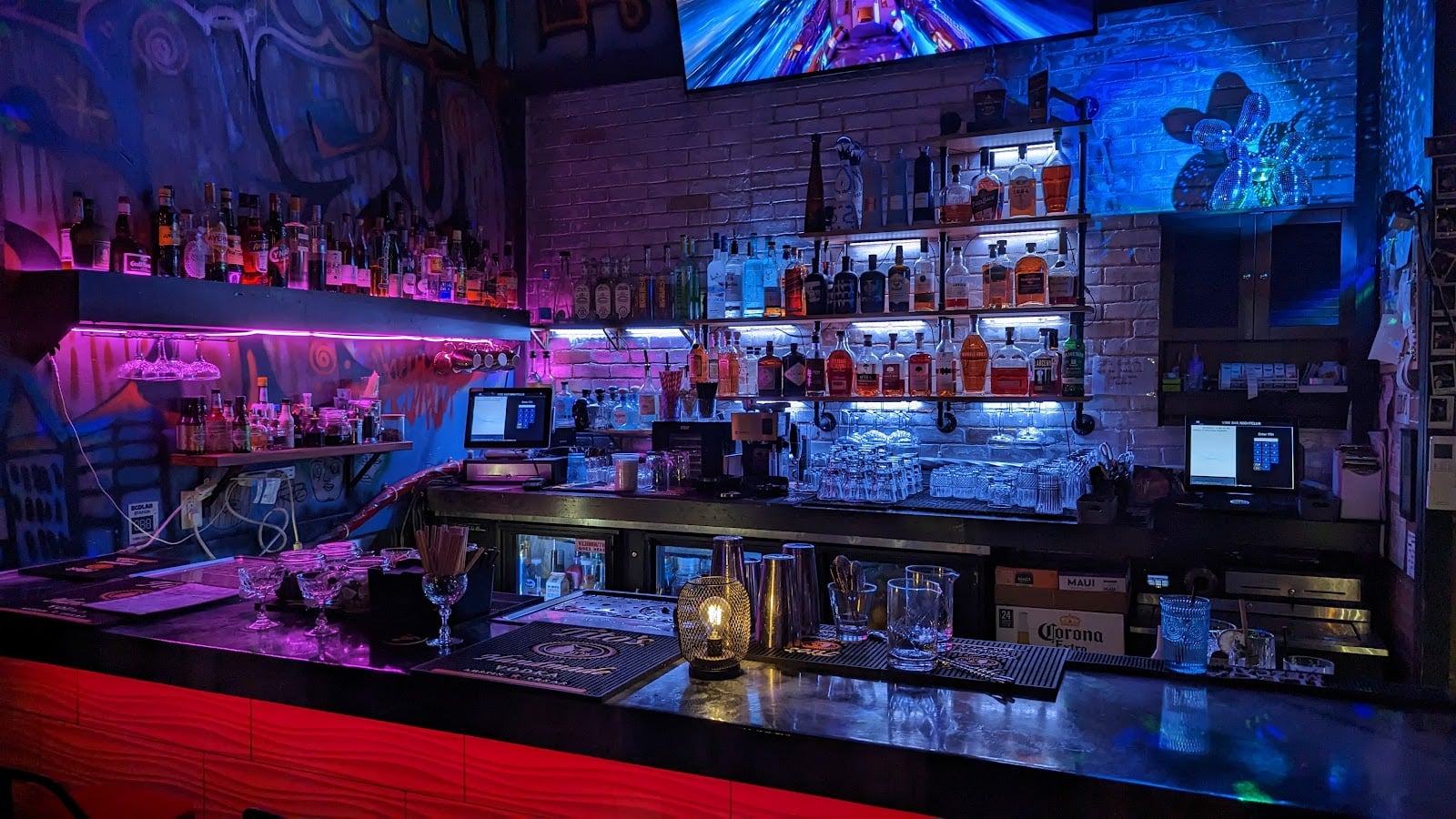
BEST COCKTAIL BAR ON MAUI. We loved Jessie and the cocktails she makes are some of the best we’ve had ever. Go there for happy hour, try all the cocktails. We loved the Mai tais.
Maui's LGBTQ+ community developed gradually as tourism increased from the 1980s onward. While Hawaii as a whole has long been known as relatively progressive and accepting, Maui's gay scene remained understated compared to Oahu's more established infrastructure. Over the past 15-20 years, the community has become more visible and organized, culminating in the establishment of Maui Pride as an annual celebration. The island's LGBTQ+ population includes both long-term residents and seasonal visitors, creating a transient but welcoming social fabric.
NEIGHBORHOODS AND GEOGRAPHY
Maui is divided into several regions, with the main tourism and LGBTQ+ activity concentrated in West Maui and South Maui. Lahaina, the historic whaling village turned tourist hub on the west side, serves as the de facto gay social center, offering restaurants, bars, and a walkable downtown area. Ka'anapali, just north of Lahaina, caters to resort tourism with several LGBTQ+-friendly hotels. Wailea, on the south side, features upscale resorts and a more affluent vacation demographic. Kihei, between Wailea and Lahaina, offers more budget-friendly accommodations and beaches. Central Maui, including the towns of Kahului and Wailuku, functions primarily as the commercial and administrative hub rather than a tourist or gay social destination.
VENUES AND NIGHTLIFE
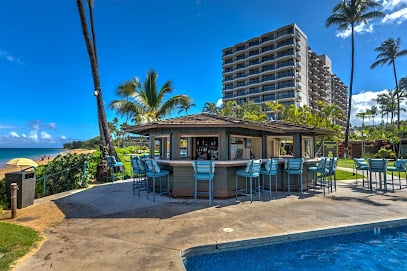
Maui's gay bar scene is limited compared to larger destinations, reflecting the island's small population and tourism-dependent economy. Mama's Snack Stop in Lahaina has long served as an informal gathering place and is known to welcome LGBTQ+ clientele. Several beach clubs and resort bars in Lahaina and Ka'anapali areas host regular events and are known to cater to gay tourists. Ocean Grill and similar waterfront dining establishments in Lahaina attract mixed crowds including LGBTQ+ visitors.
For organized nightlife, visitors should check local event listings closer to their travel dates, as venue ownership and event schedules change seasonally. The island does not currently have dedicated gay bathhouses or large nightclubs comparable to those in Honolulu.
Maui Pride typically takes place in June, centering around a street festival in Lahaina featuring live music, local performers, food vendors, and community tables. The event has grown from a small gathering to an island-wide celebration attracting hundreds of participants. The festival is family-friendly and focuses on community connection rather than commercial excess. Several resorts and restaurants host Pride-themed events and parties during this period.
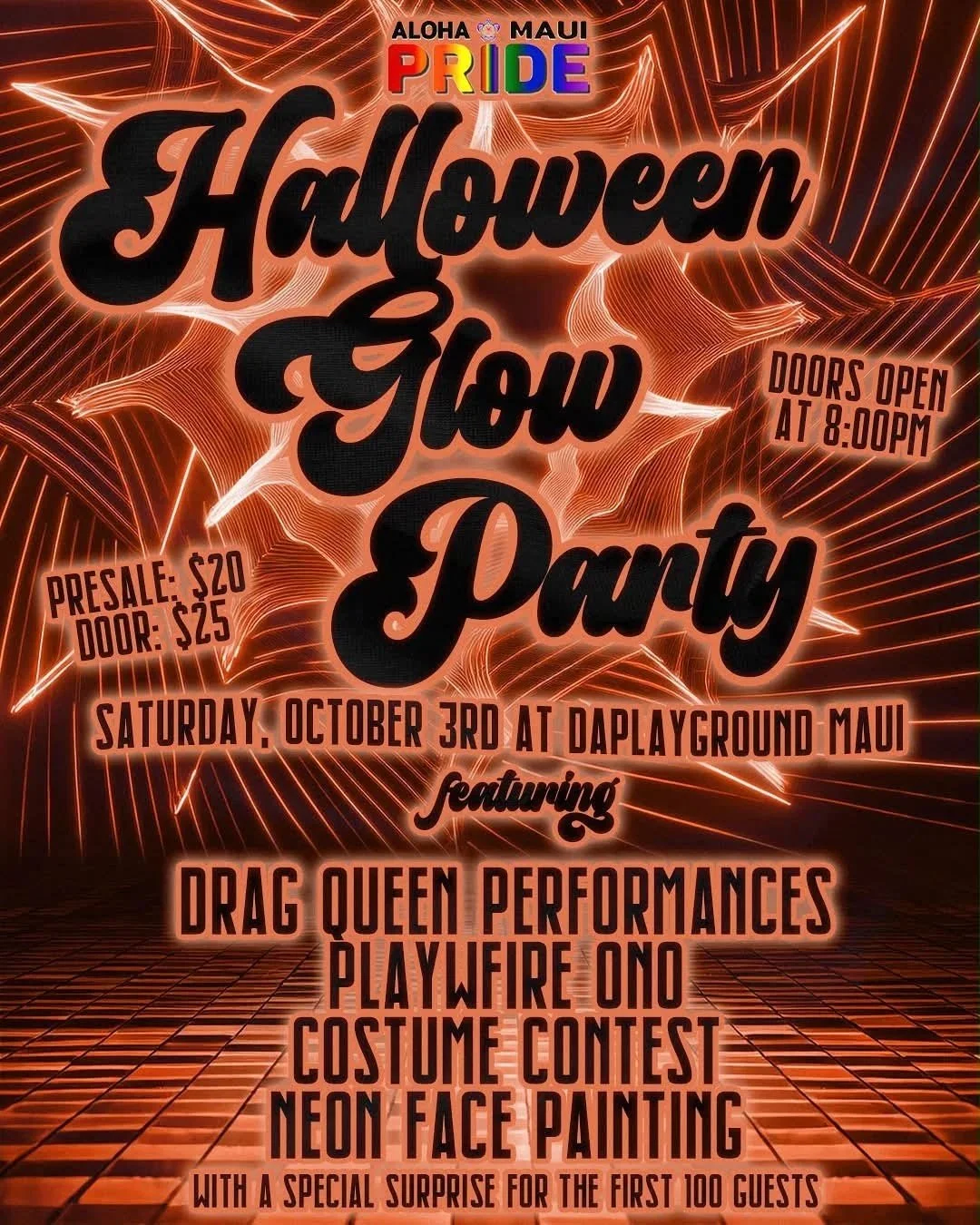
Beyond Pride, the island hosts various LGBTQ+-friendly events throughout the year, including drag shows and themed parties at hotels and restaurants. Visitors should check current event calendars with the Maui Visitors Bureau or online LGBTQ+ event platforms for up-to-date information.
WHERE TO STAY
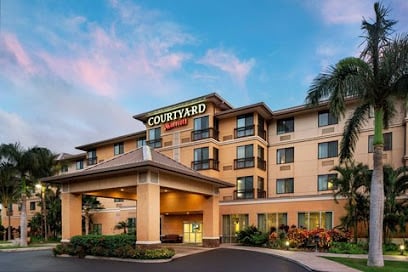
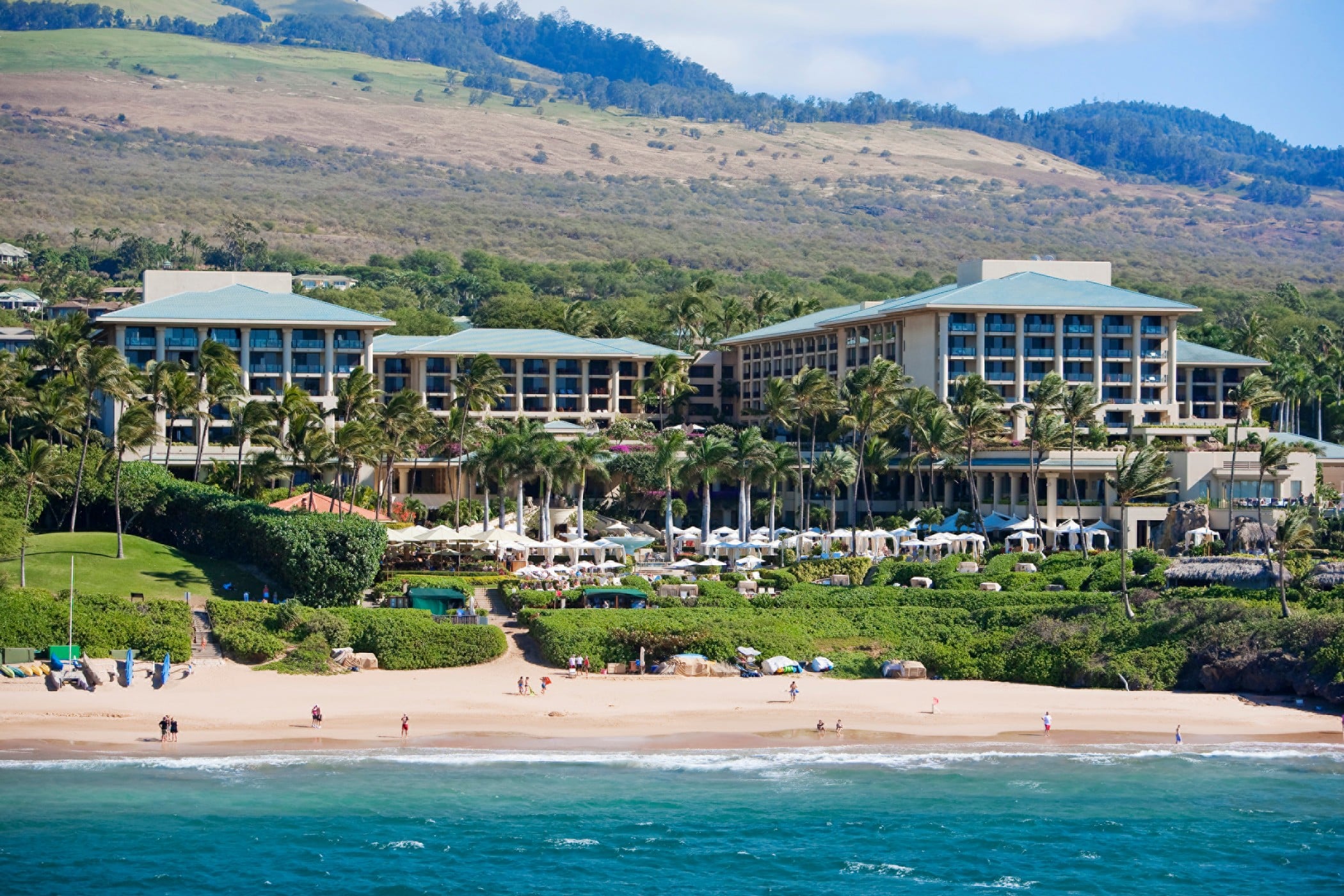
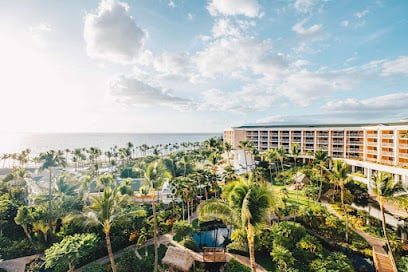
Several major resorts explicitly welcome LGBTQ+ guests and actively market to this demographic. In Lahaina, the Lahaina Shores Beach Resort and various smaller inns offer LGBTQ+-friendly accommodations in the heart of town. The Grand Wailea and Fairmont Kea Lani in Wailea cater to upscale travelers. Ka'anapali resorts including the Sheraton Maui and Hyatt Regency Maui serve both gay and straight tourists.
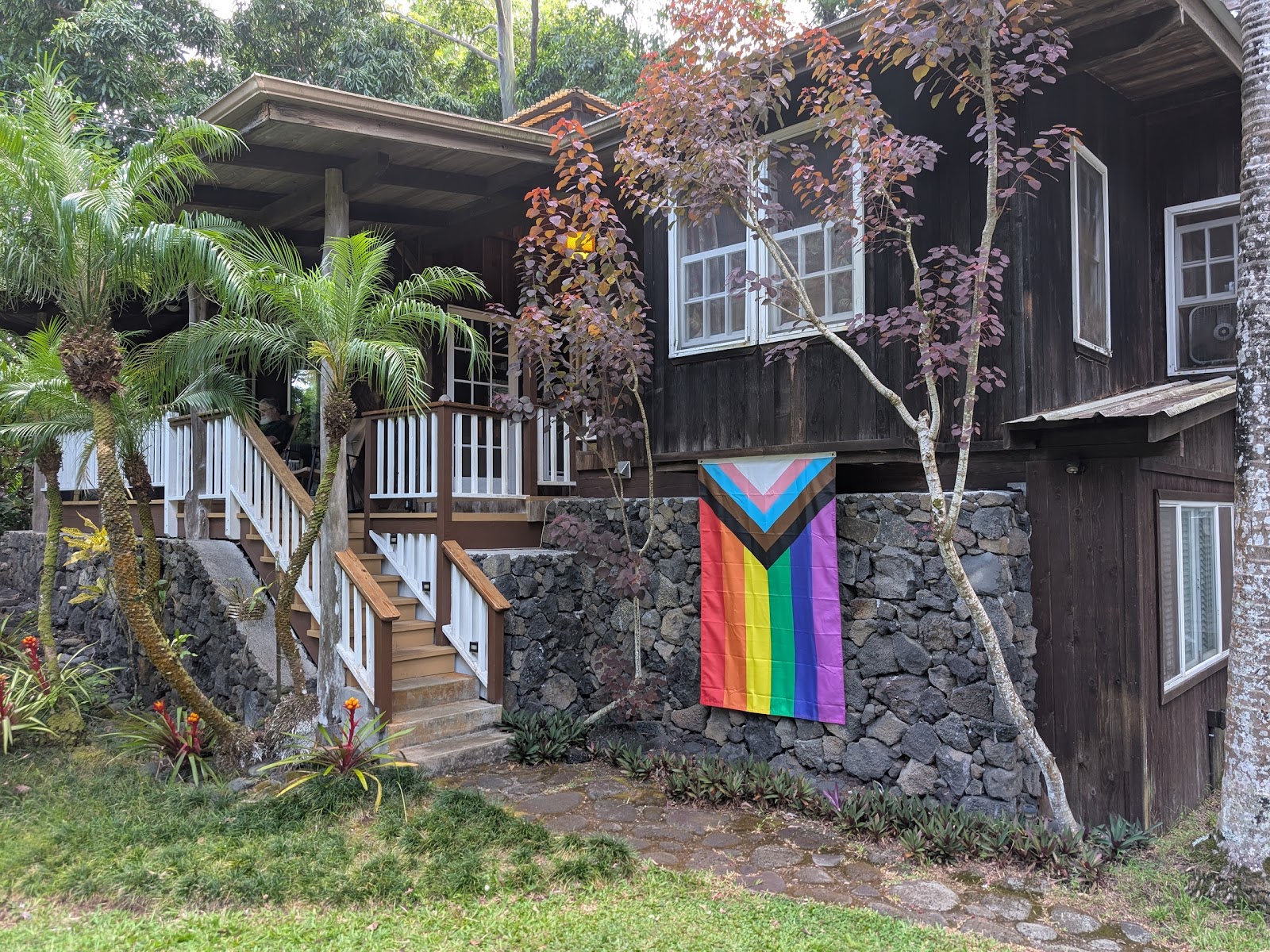
Budget travelers can find LGBTQ+-friendly guesthouses and smaller hotels throughout West and South Maui, particularly in Lahaina and Kihei. Vacation rental platforms like Airbnb offer numerous LGBTQ+-owned properties across the island. Many accommodations are independently owned and explicitly welcoming, though larger chains are generally accepting as well.
For a romantic getaway, beachfront resorts in Wailea offer luxury amenities and stunning ocean views. For a more casual, social experience, staying in central Lahaina provides walkability and proximity to restaurants and bars.
Maui is served by Kahului Airport (OGG), the island's main hub. Major airlines including Hawaiian Airlines, Southwest, United, and American operate daily flights from mainland U.S. cities and interisland destinations. Car rental is highly recommended for island exploration, as public transportation is limited. The Maui Bus system operates limited routes between main towns, but service is infrequent and not practical for tourists wanting flexibility.
Getting Around
Getting around Lahaina and immediate resort areas is possible on foot or by local shuttles, but exploring beaches, Haleakala volcano, and the Road to Hana requires a vehicle. Uber and Lyft operate on Maui but are less available than on Oahu; rideshare availability varies by area and time of day.
FOOD AND DINING
Maui offers diverse dining reflecting its multicultural population and tourism economy. Lahaina's downtown features upscale restaurants, casual eateries, and food trucks catering to all budgets. Mama's Snack Stop, beyond its social role, serves local plate lunch and casual fare. Several seafood restaurants along the waterfront in Lahaina and Wailea offer oceanview dining.
Authentic Hawaiian plate lunch and Asian fusion are prevalent throughout the island. Paia, a bohemian North Shore town, offers eclectic cafes and restaurants popular with travelers. Kihei's dining scene caters primarily to budget tourists with casual chains and local spots.
For farm-to-table dining, Maui's agricultural heritage produces fresh fruits, vegetables, and coffee. Many upscale resorts feature contemporary Hawaiian cuisine incorporating local ingredients.
DAY TRIPS AND ACTIVITIES
Haleakala National Park, featuring a massive volcanic crater, offers sunrise hikes and scenic drives from central Maui. The Road to Hana winds through East Maui with waterfalls, black sand beaches, and lush landscapes. Both are day-trip worthy and popular with visitors. Beach activities include snorkeling at Molokini Crater, accessible by tour boat from West Maui, offering exceptional marine biodiversity.
Watersports including surfing, paddleboarding, and kayaking are available at most beaches. Hiking trails of varying difficulty crisscross the island. Whale watching is excellent during winter months (December-April) when humpback whales migrate to Hawaiian waters. Ocean Center Aquarium in Maalaea and the Maui Ocean Center provide educational marine experiences.
The nearby island of Lanai is accessible via ferry from Lahaina and offers uncrowded beaches and a slower pace. Snorkel tours, sunset catamaran cruises, and private beach rentals are popular activities.
SAFETY CONSIDERATIONS
Maui is generally safe for LGBTQ+ travelers. Hawaii has strong anti-discrimination laws and a culturally progressive population, particularly in tourism-focused areas. Lahaina and resort areas are well-populated and well-lit. Standard travel precautions apply: avoid isolated areas at night, secure valuables, and be aware of surroundings as in any tourist destination.
Homeless encampments in Lahaina have increased in recent years, though they present no specific threat to tourists. Petty theft in rental cars and from beaches is the primary concern for visitors. Natural hazards including strong ocean currents, sharp coral, and sun exposure require appropriate caution.
CulTURAL CONSIDERATIONS
Maui is part of Native Hawaiian homelands. Visitors should approach the island respectfully, learning about Hawaiian culture and history rather than treating it as a mere backdrop. Respecting sacred sites, native plants, and local customs enhances the experience and honors the community.
Hawaiian place names and the Hawaiian language are increasingly prominent in public spaces. Learning basic Hawaiian terms and pronunciations shows respect and enriches cultural understanding.
BEST TIME TO VISIT
Maui has a warm climate year-round, with temperatures ranging from 75-85°F (24-29°C). Winter months (December-March) are slightly cooler and wetter on windward sides; this is also prime whale-watching season. Summer (June-August) is warm and drier, with Maui Pride in June. September-October and April-May offer pleasant weather with fewer crowds.
Planning around Maui Pride in June allows participation in community celebrations and LGBTQ+-focused events and gatherings. Outside Pride, the island offers quieter, more intimate experiences.
PRACTICAL INFORMATION
Hawaii observes Hawaiian-Aleutian Standard Time, two hours behind Pacific time and five hours behind Eastern time. The U.S. dollar is currency. English is widely spoken. Travel to Hawaii requires valid identification (passport or Real ID-compliant driver's license for U.S. citizens). International visitors should check visa requirements.
Travel insurance is recommended given the island location and medical facility distances in some areas. Cell service and internet are generally reliable in tourism areas. Tipping customs follow U.S. norms: 15-20% for restaurants and services.
CONCLUSION
Maui offers a distinctive LGBTQ+ travel experience blending island natural beauty, cultural richness, and community welcome. While the scene is smaller and less commercial than major mainland gay destinations, this creates authenticity and accessibility. The combination of pristine beaches, outdoor adventures, genuine aloha spirit, and growing LGBTQ+ visibility makes Maui ideal for travelers seeking relaxation, romance, and cultural connection in a tropical setting.
Frequently asked questions
Maui welcomes LGBTQ+ travelers with a genuine spirit of hospitality. Hawaii has a history of being progressive regarding LGBTQ+ rights, legalizing same-sex marriage in 2013.
The LGBTQ+ population on Maui is integrated throughout the island rather than concentrated in one neighborhood, creating a different dynamic than traditional gayborhoods on the mainland.
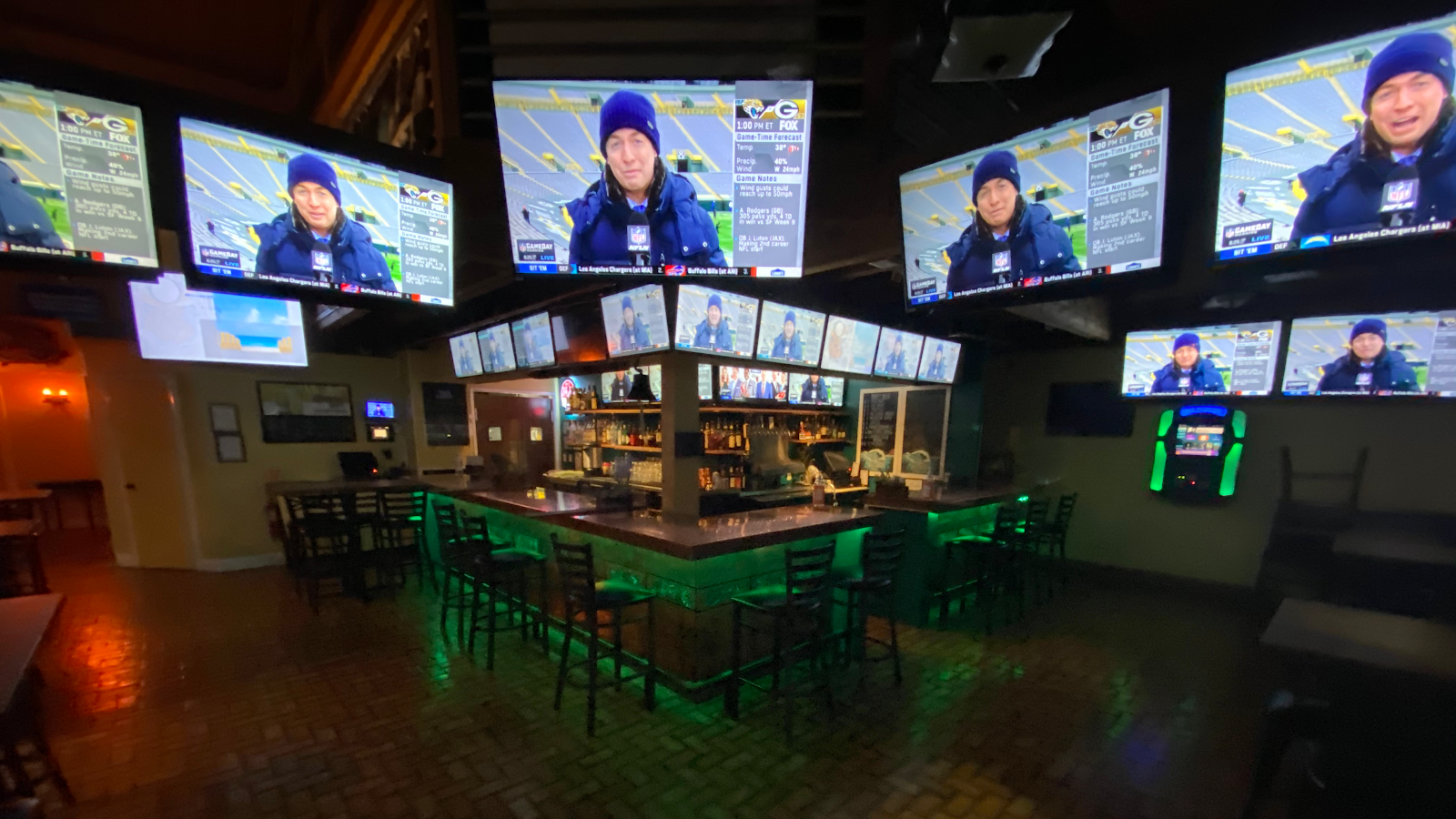
Maui's bar scene is modest. Lahaina has historically hosted primary venues where LGBTQ+ travelers and locals gather, tending toward casual restaurant-bars rather than dedicated nightclubs. Checking current information upon arrival is essential as bar hours and venues can change.
West Maui, including Lahaina and Ka'anapali, serves as the primary tourist hub where most LGBTQ+ visitors spend time. South Maui, with Kihei and Wailea, also offers resorts and vacation rentals.
The provided guide does not mention specific LGBTQ+ events or Pride celebrations in Maui.
Many hotels and resorts in Ka'anapali and Wailea employ LGBTQ+ staff members and maintain inclusive atmospheres. Maui offers various lodging options for LGBTQ+ travelers.
Your privacy choices.
We use cookies to run GayOut and, with your consent, measure usage. Learn more
Your privacy choices
We use cookies to keep GayOut running, remember your preferences, and (with your permission) measure how the site is used. You can accept all, reject all, or pick what you allow. Learn more
Essential
Required for sign-in, fraud prevention, CSRF protection and remembering your language. Cannot be disabled.
Always on
Remembers your favourites, dark mode and other interface preferences across visits.
Helps us understand which pages people visit (Google Analytics, server-side stats) so we can improve.
Used by campaign tracking pixels. None are active right now, reserved for future use.
Install GayOut
Add GayOut to your home screen for faster access, offline favourites, and Pride alerts.



 Gay-Friendly Bars & Clubs
(607)
Gay-Friendly Bars & Clubs
(607)