Everything worth knowing before you go.
Princeton, New Jersey offers an LGBTQ+ travel experience focused on its academic environment and intellectual atmosphere, rather than a traditional nightlife scene or established gay tourism infrastructure. It provides a base for those interested in a community-oriented visit with access to regional attractions.
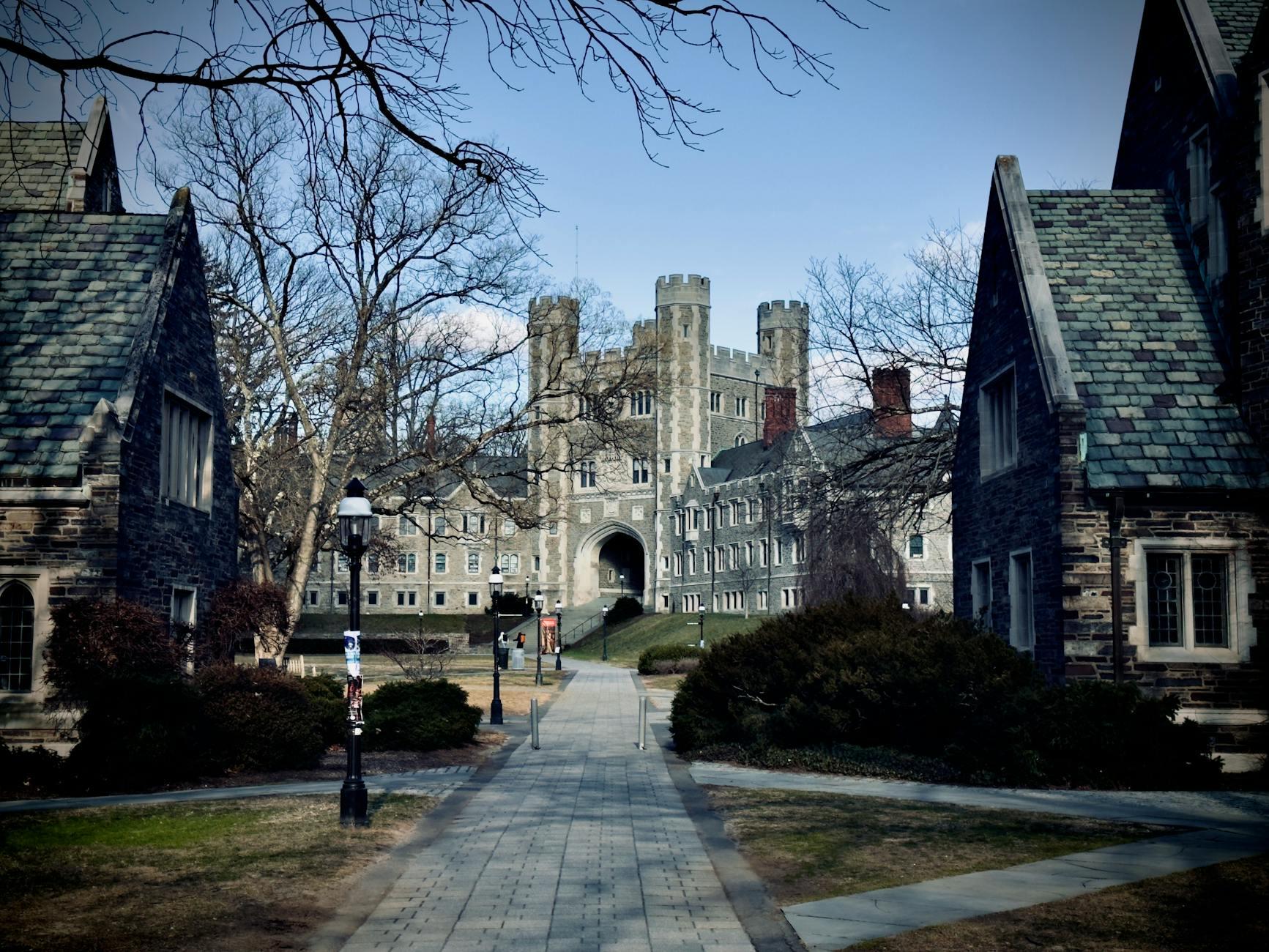
Princeton University has a history of LGBTQ+ inclusion in higher education, with formal student organizations and support services established early on. The university's policies on non-discrimination, inclusive housing, and LGBTQ+-related programming have fostered an environment where queer students and faculty are integrated into campus life. This institutional stance has influenced the broader town, contributing to a generally accepting atmosphere for LGBTQ+ visitors.
While not historically recognized as a gay destination, the town has benefited from the university's progressive outlook. As university initiatives have grown and the local population has become more diverse, businesses and services in Princeton have increasingly demonstrated inclusivity.
Princeton is a compact town, with the main downtown commercial district situated along Nassau Street, adjacent to the university campus. This area houses most dining, shopping, and entertainment venues. The university campus itself, while primarily for students, is architecturally notable and partially accessible to visitors. Residential areas surrounding downtown feature tree-lined streets and historic homes. The downtown core is highly walkable, though a car or local transit may be needed for accommodations or attractions on the outskirts.
The Bayard Rustin Center for Social Justice on Stockton Street is the practical heart of LGBTQ+ community life in Princeton, hosting free peer support, youth groups, and regular social events. Beyond it, socializing in Princeton centers on restaurants, cafes, and cultural venues, rather than dedicated LGBTQ+ nightlife. The downtown area offers a range of dining options. While specific establishments popular with the LGBTQ+ community are not highlighted, the town's general atmosphere is welcoming. Social interaction often occurs through university events, private gatherings, or day trips to nearby New York City for those seeking a traditional gay bar experience.
The town supports several cultural institutions, including theaters and art galleries that host performances and exhibitions. The Princeton Public Library serves as a community space, and various bookstores and cafes function as informal meeting points for the intellectual community.
Princeton Pride takes place each June, organized by the Bayard Rustin Center for Social Justice and billed as New Jersey's only no-cost Pride. The day centers on a community parade through the historic Witherspoon-Jackson neighborhood along Witherspoon Street, ending near the Princeton YMCA on Paul Robeson Place, followed by a festival and after-party. Alongside the town parade, Princeton University's Gender + Sexuality Resource Center and the youth-focused nonprofit HiTOPS run Pride-month programming, panel discussions, and an annual flag-raising. These celebrations emphasize community connection and education. The university calendar also features other LGBTQ+-related programming throughout the year, including heritage month events, speaker series, and social gatherings.
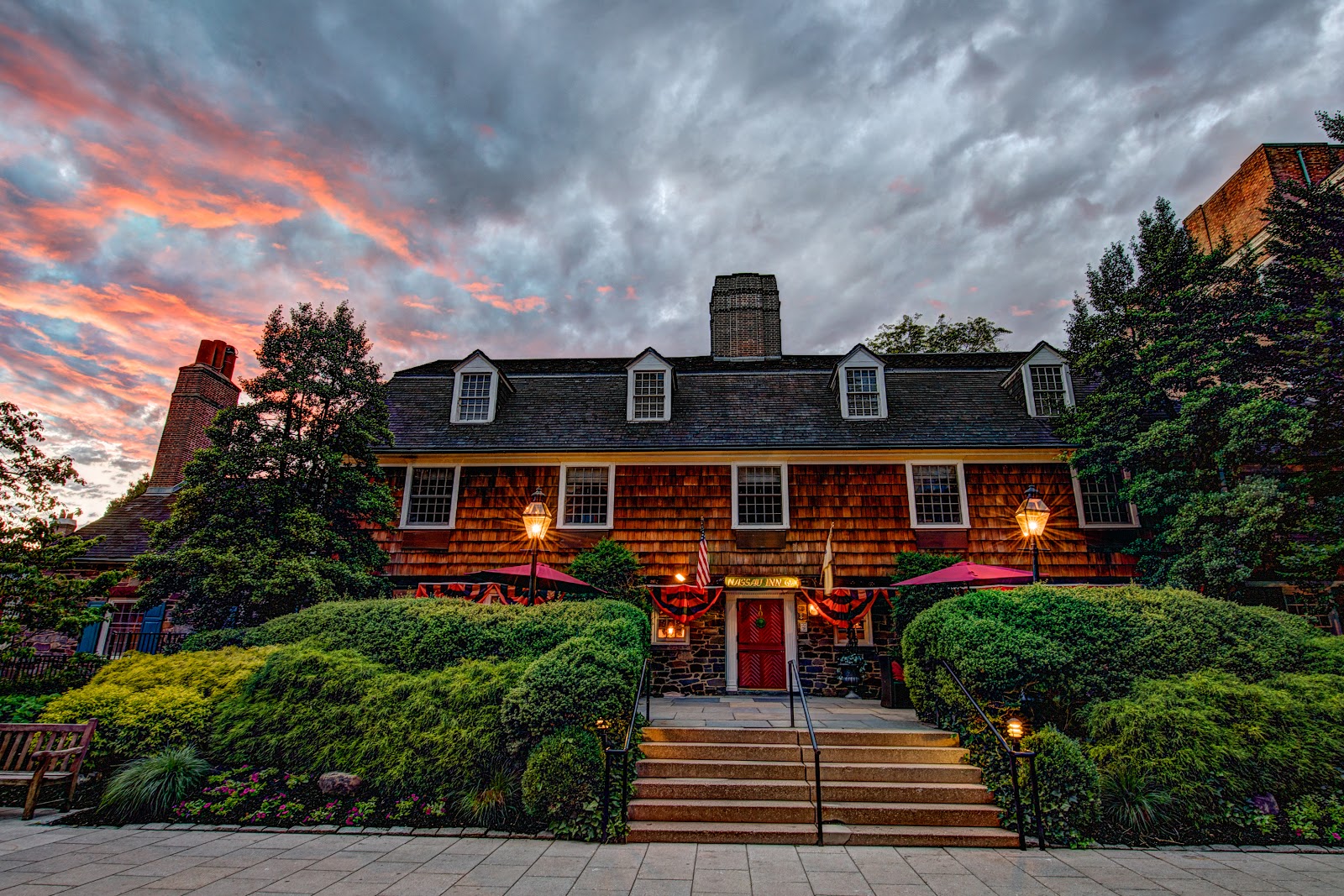
Princeton offers several accommodation options suitable for LGBTQ+ travelers. The Nassau Inn, located downtown near campus, is a historic property known for its comfortable accommodations and welcoming atmosphere. The Peacock Inn, also downtown, provides boutique lodging. Chain hotels are available along Route 1, and hotels in nearby New Brunswick offer additional choices. Many bed-and-breakfasts in the area are welcoming to LGBTQ+ travelers, with owners often making clear statements of inclusion.
Princeton is a safe town with low crime rates and a visible police presence. The community is generally accepting of LGBTQ+ individuals, and public displays of affection or identity are typically unremarkable. The university and town have non-discrimination policies and diversity initiatives. The downtown area is mostly flat and accessible for travelers with disabilities, with many businesses offering accessible entrances. The university provides accessibility information for campus visits.
Princeton is best reached by car or New Jersey Transit. The town is served by New Jersey Transit bus routes connecting to New Brunswick, which offers train service to New York City and Philadelphia. Amtrak service is also available in New Brunswick. Within Princeton, the downtown area is walkable. Rideshare services are available for trips to surrounding areas or New York City. The university provides shuttle services to nearby transit hubs.
The town's dining scene offers diverse cuisine options, including Italian, Asian, Mediterranean, and American. Many restaurants are locally owned. Casual options include cafes, pizzerias, and sandwich shops, while upscale establishments feature farm-to-table and contemporary cuisine. The university community supports a competitive restaurant landscape.
Princeton's location provides access to regional attractions. New York City is about an hour away by train or car, offering extensive nightlife, cultural, and entertainment options. New Brunswick, about 15 minutes away, provides a college-town atmosphere and dining. The Delaware River offers scenic areas and outdoor activities, including Washington Crossing State Park. Philadelphia, approximately 45 minutes away, provides another major city with historical sites, museums, and cultural attractions.
Princeton appeals to LGBTQ+ travelers seeking intellectual engagement, quiet refinement, and progressive community values, rather than a dedicated gay scene. It is suitable for alumni, academics, families, and those interested in cultural experiences. The town is less ideal for those primarily seeking nightlife, though its proximity to New York City allows for combining a visit with NYC's gay venues. Princeton offers a travel experience focused on community values, intellectual culture, and inclusion.





 Gay-Friendly Hotel
(1310)
Gay-Friendly Hotel
(1310)