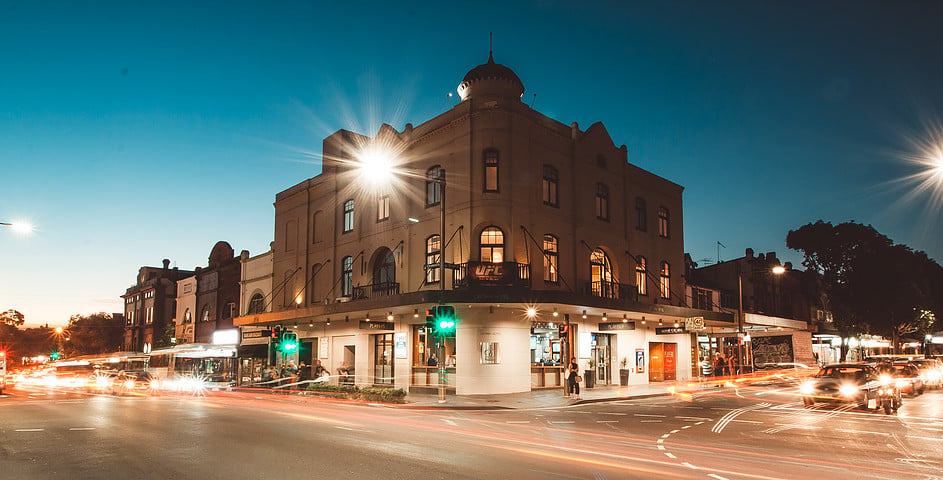
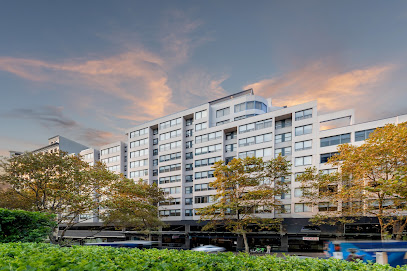
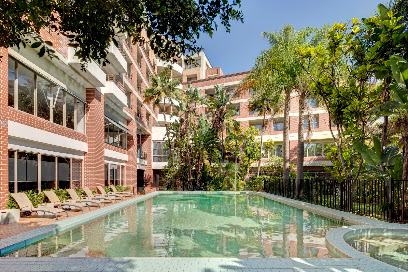
Surry Hills has been a focal point for Sydney's LGBTQ+ community since the 1970s. As social attitudes shifted and activism grew, the suburb became a central gathering place. Oxford Street emerged as the symbolic heart, lined with establishments that offered community and safe spaces.
The history of LGBTQ+ rights in New South Wales is closely tied to Surry Hills. The suburb was a center for community organizing, particularly after the decriminalization of homosexuality in New South Wales in 1995. Before this, safe spaces in Surry Hills were essential for the community. Today, the neighborhood reflects this history while continuing to be a contemporary LGBTQ+ destination.
Geography and Neighborhoods
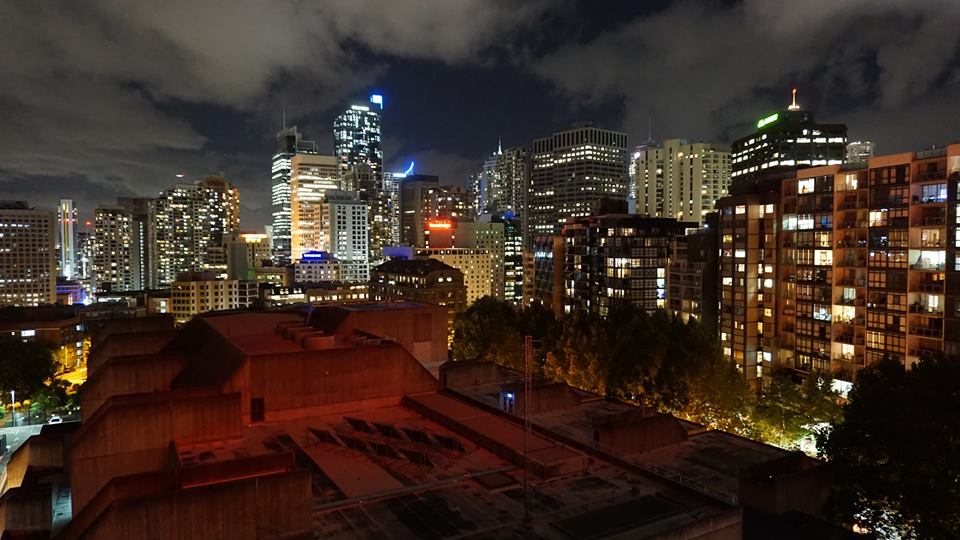
Surry Hills is located in inner Sydney, east of the CBD and south of Darlinghurst. It's bordered by Crown Street to the west, Bourke Road to the north, and extends towards Centennial Park. Oxford Street runs through the suburb, serving as the primary LGBTQ+ precinct. Most venues, cafes, and shops are within easy walking distance of this main street.
The concentration of LGBTQ+ venues and businesses is primarily along Oxford Street, between Crown Street and South Dowling Street. This area is often referred to as the "Pink District." Nearby Crown Street offers additional dining and entertainment, while the residential streets provide a more local feel with cafes, boutiques, and galleries.
Venues and Nightlife
Surry Hills has a range of LGBTQ+ venues, with the specific offerings evolving over time. Oxford Street has traditionally hosted bars and clubs catering to various preferences. These establishments offer spaces for dancing, socializing, drag shows, and live entertainment. Many venues host themed nights and events.
Beyond dedicated LGBTQ+ venues, Surry Hills has many inclusive bars, cafes, and restaurants. Rainbow flags are often visible, indicating a welcoming atmosphere. Cafe culture is prominent, with numerous coffee shops and brunch spots popular with the community.
The neighborhood also includes spa and wellness venues that cater to LGBTQ+ clientele, reflecting Sydney's broader wellness trend. These facilities offer services and serve as social spaces.
Sydney Gay and Lesbian Mardi Gras, Australia's largest LGBTQ+ celebration, takes place annually in February or March. While events occur across Sydney, Surry Hills is a traditional center for the festivities. The parade starts in Taylor Square and proceeds along Oxford Street, drawing large crowds. The parade features floats, performers, activists, and community groups.
Mardi Gras includes weeks of related events such as parties, performances, and film screenings. Surry Hills venues often host special events, and the neighborhood becomes particularly busy during this period. Accommodation should be booked well in advance.
Various community events, markets, and cultural activities also take place in Surry Hills throughout the year, reinforcing its role as a community hub.
Where to Stay
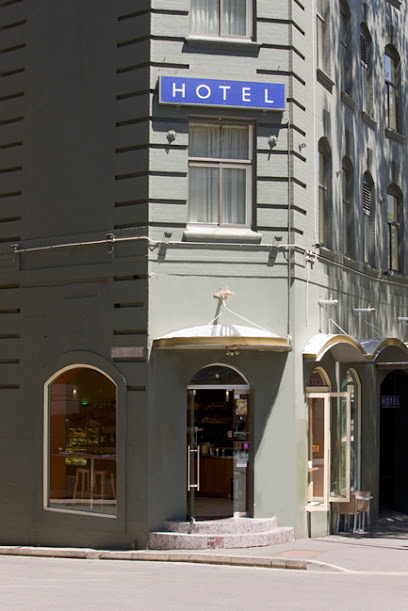
Surry Hills offers hotels, guesthouses, and serviced apartments suitable for LGBTQ+ travelers, placing visitors close to venues, cafes, and shops. Accommodation is available at different price points.
Nearby neighborhoods are easily accessible by public transport. Darlinghurst, immediately north, also has LGBTQ+ venues and accommodation. Paddington, to the east, is upscale and walkable. The CBD, to the west, provides more hotel options. All areas are well-connected by bus and light rail.
Surry Hills is a significant dining destination with diverse culinary options. Along Oxford Street and surrounding areas, visitors can find casual cafes, brunch spots, and fine dining restaurants. Many venues are LGBTQ+-owned or explicitly friendly, while others are simply inclusive and popular with the community.
Cafe culture is strong, with many places offering good coffee and breakfast. The neighborhood offers a range of cuisines and dining styles. Many restaurants and bars have outdoor seating.
Food & Drink
Food tours and cooking experiences are available in Sydney and Surry Hills.
Transportation and Accessibility
Surry Hills is easily navigable on foot, with most venues and attractions accessible by walking. Multiple bus routes serve the neighborhood, and it is near the Museum and St. James train stations. Light rail also serves nearby areas, connecting to the wider city.
Sydney's public transport is efficient, and Surry Hills' central location makes it a convenient base for exploring the city. Taxis and ride-sharing services are available.
Safety and Practical Considerations
Australia is generally a safe country with anti-discrimination laws. New South Wales has legislation protecting LGBTQ+ people. Surry Hills is a well-established LGBTQ+ neighborhood where people can socialize openly.
As in any urban area, standard safety practices apply: be aware of your surroundings, secure valuables, and use official transport if out late.
Visa and Entry
Visitors should check current visa requirements for Australia based on their nationality. Many nationalities can enter Australia with an Electronic Travel Authority (ETA) or eVisitor, which can be processed online.
Day Trips and Nearby Attractions
Sydney offers numerous attractions. Bondi Beach is accessible by bus or train. Taronga Zoo and the Blue Mountains are popular day trips. The Royal Botanic Garden is near the CBD. Walking trails and coastal paths are accessible from Surry Hills via public transport.
Practical Tips
Book accommodation in advance, especially for major events like Mardi Gras. The Australian summer (December to February) can be hot and is peak travel season. The currency is the Australian Dollar (AUD). English is the primary language. Most venues accept card payments.
Smartphone apps for maps and translation can be helpful for navigation and communication.
Frequently asked questions
Surry Hills has served as Sydney's primary gay neighborhood since the 1970s and remains the undisputed center of the city's LGBTQ+ community. The neighborhood is known for its queer identity and has a history of activism and cultural output.
Crown Street is the primary thoroughfare running through Surry Hills and contains most of the major LGBTQ+ venues and hospitality options. The most concentrated gay scene is between Oxford Street and Devonshire Street.
Sydney's LGBTQ+ community began establishing itself in Surry Hills during the 1970s. The neighborhood became a gathering point due to its proximity to the city center, affordable housing, and village-like atmosphere. It has since gentrified while maintaining its queer identity.
Crown Street is the main street with the most LGBTQ+ venues and hospitality options. The core section between Oxford Street and Devonshire Street is highly walkable and densely packed with bars, restaurants, cafes, and shops.
The provided guide does not mention specific dates or times for LGBTQ+ events or Pride celebrations in Surry Hills.
Surry Hills is characterized by its transformation from a working-class area to an affluent and culturally significant destination, deeply intertwined with the city's LGBTQ+ history. It offers a village-like atmosphere with independent boutiques and a thriving hospitality scene.
Your privacy choices.
We use cookies to run GayOut and, with your consent, measure usage. Learn more
Your privacy choices
We use cookies to keep GayOut running, remember your preferences, and (with your permission) measure how the site is used. You can accept all, reject all, or pick what you allow. Learn more
Essential
Required for sign-in, fraud prevention, CSRF protection and remembering your language. Cannot be disabled.
Always on
Remembers your favourites, dark mode and other interface preferences across visits.
Helps us understand which pages people visit (Google Analytics, server-side stats) so we can improve.
Used by campaign tracking pixels. None are active right now, reserved for future use.
Install GayOut
Add GayOut to your home screen for faster access, offline favourites, and Pride alerts.



 Gay-Friendly Bars & Clubs
(3274)
Gay-Friendly Bars & Clubs
(3274)