Dubrovnik has become an increasingly welcoming destination for LGBTQ+ travelers, though it's important to understand the city within Croatia's broader social context. While younger, urban Croatians tend toward progressive attitudes, the country remains predominantly Catholic and socially conservative in many areas. Dubrovnik itself—as a major international tourist hub—has developed genuine LGBTQ+ friendliness, particularly during summer months.
History and Current Scene
Croatia decriminalized homosexuality in 2002, and same-sex civil partnerships became legal in 2014. Dubrovnik's LGBTQ+ community and visibility have grown substantially over the past decade, driven partly by tourism and international investment. The city's gay scene is relatively small but established, with a handful of dedicated venues and many others that are simply welcoming to all visitors. Unlike larger European cities, Dubrovnik doesn't have a distinct gay neighborhood—instead, LGBTQ+-friendly spaces are distributed throughout the Old Town and harbor areas.
Geography and Neighborhoods
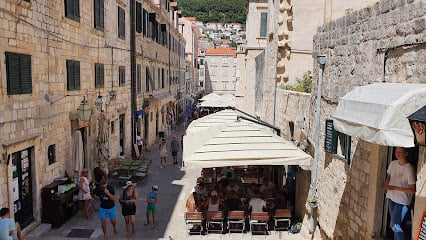
Dubrovnik's Old Town is extremely compact, roughly 350 meters east to west and 220 meters north to south, enclosed entirely by medieval walls. The Stradun, the main limestone-paved street running through the center, connects the Pile Gate (western entrance) to the Ploče Gate (eastern entrance). This street and its surrounding plazas—particularly Luža Square near the harbor—form the social and commercial heart of the city.
The harbor waterfront, accessible from Luža Square, has undergone significant development and now features numerous cafés, bars, and restaurants with outdoor seating overlooking Adriatic views. This area is popular with international visitors and LGBTQ+ travelers, with a notably cosmopolitan atmosphere.
The area around the Dominican Monastery and the eastern portions of the Old Town tend to be quieter and less touristy, though still welcoming.
Key Venues
Dubrovnik's gay scene is intimate rather than extensive. Visitors should be aware that specific venues may change seasonally or transition over time; as of recent reports, the following have been popular with LGBTQ+ visitors:
Gay-Friendly Bars and Cafés: Several waterfront and Old Town establishments are known for welcoming LGBTQ+ patrons. Buža Bar, an informal spot built into the city walls with sea views, attracts a mixed crowd including LGBTQ+ visitors. Numerous harbor-area bars and cafés operate on a welcoming basis, even if not explicitly marketed as gay venues. During summer, many venues host LGBTQ+ friendly events and gatherings.
Clubs and Nightlife: Dubrovnik's nightlife is relatively modest compared to major European cities. Dance clubs operate seasonally and with varying popularity. The Pride season (June) brings increased LGBTQ+ programming and temporary events.
No dedicated gay saunas or bathhouses are widely known to operate in Dubrovnik itself, though the broader region may have options.
Pride and Events
Dubrovnik Pride (Povorka Ponosa) typically occurs in early June, usually around the first or second week of the month. The event has grown significantly, featuring a street parade through the Old Town, parties at various venues, cultural events, and performances. The parade route traditionally moves through major streets including the Stradun. Pride week often extends beyond a single day, with clubs and bars hosting themed events throughout the period.
Capacity swells during Pride, so accommodation booking well in advance is essential. The event draws international visitors and represents a significant statement of visibility within a country where LGBTQ+ acceptance remains a work in progress.
Other summer events, including international music and theatre festivals, often feature LGBTQ+-friendly programming and attract diverse crowds.
Where to Stay
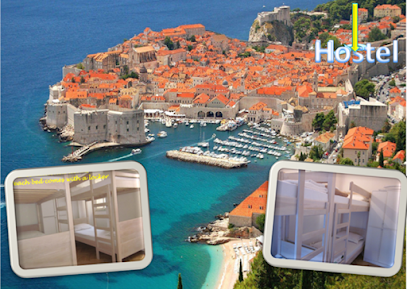
Accommodation ranges from luxury hotels to private apartments and hostels. Several hotels and guesthouses, particularly those catering to international visitors, are notably welcoming to LGBTQ+ guests. The Old Town offers the most central location but is also the most expensive and touristy. The Lapad neighborhood, a short bus ride or 20-minute walk west, offers a more residential feel with beaches, pine forests, and a mix of accommodation options. Gruž, the port area north of the Old Town, has modern hotels and less medieval tourism density.
Booking platforms like Airbnb, Booking.com, and specifically gay-friendly sites like misterb&b offer options throughout the city. During Pride week, accommodation sells out entirely—advance booking (months in advance) is not just recommended but necessary.
Dubrovnik itself is generally very safe, with high police presence and extensive CCTV. Tourist areas are secure and welcoming. Walking through the Old Town at night is common and feels safe. As an international tourist destination, the city maintains a cosmopolitan atmosphere where LGBTQ+ visitors and couples are not unusual or unwelcome.
That said, outward displays of affection between same-sex couples may draw attention in some contexts, particularly outside major tourist zones or outside summer season. Public hand-holding or kissing is not dangerous but may attract stares in less touristy areas. Within the Old Town and tourist areas, LGBTQ+ visibility is normalized.
It's worth noting that while Dubrovnik and Zagreb are Croatia's most LGBTQ+-friendly cities, attitudes in smaller towns and rural areas remain more conservative. Traveling as an openly LGBTQ+ couple in major tourist zones is straightforward; elsewhere in Croatia requires somewhat more discretion, though Croatia is not a dangerous country for LGBTQ+ travelers.
Transportation
Dubrovnik has excellent connections to the broader region. The Dubrovnik Airport (Čilipi) is 18 kilometers south; shuttle buses, taxis, and ride-share services connect it to the city center (approximately 30-45 minutes depending on traffic). Bus service is reliable and inexpensive.
Within Dubrovnik, the Old Town is entirely walkable and most attractions are within a 15-minute walk of central plazas. Local buses serve the Lapad and Gruž neighborhoods. Taxis are available and reasonably priced. Scooter and car rentals are common for exploring beyond the immediate city.
Ferries connect Dubrovnik to nearby islands including Lopud, Šipan, and Koločep (the Elafiti Islands). Ferry service also extends to other Dalmatian islands and the Balkans. These day trips are straightforward and popular.
Food and Dining
Dubrovnik's food scene reflects Dalmatian cuisine: fresh seafood, locally produced wines (particularly white wines from the region), grilled meats, and Mediterranean vegetables. The harbor area, while touristy, offers reliable quality. Many restaurants cater to international visitors without compromising authenticity. Local specialties include peka (slow-cooked meat and vegetables), risotto with seafood, and fresh grilled fish.
Naive Idea restaurant and similar establishments offer upscale local dining. Casual waterfront tavernas are atmospheric and less expensive. Several wine bars throughout the Old Town showcase Croatian wines. The city accommodates dietary preferences and restrictions readily, as tourism is the primary industry.
Day Trips and Surrounding Region
Several compelling day trips extend from Dubrovnik:
Elafiti Islands: Ferries (20-30 minutes) connect to Lopud, Šipan, and Koločep. These less-touristy islands offer beaches, hiking, small villages, and a relaxed atmosphere.
Cavtat: A charming small town 20 kilometers south, easily reached by local bus (30 minutes). Features museums, beaches, and a slower pace.
Mountain Hikes: The surrounding Dalmatian mountains offer hiking trails with panoramic views. Mount Srđ (elevation 412 meters) overlooks the city; a cable car ascends from the north side (though the walk is also popular).
Wine Country: Nearby wine regions produce excellent Malvasia and other white wines. Organized tours or self-guided visits to small family wineries are feasible day trips.
Monasteries and Historical Sites: Trsteno Arboretum, Konavle villages, and various monasteries scatter throughout the region.
Bay of Kotor (Montenegro): Approximately 1.5 hours south by car or bus, across the Montenegrin border. This dramatic fjord-like bay with historic towns is a classic side trip.
Cultural Considerations
While Dubrovnik is LGBTQ+-friendly in a tourist context, it's part of Croatia, a predominantly Catholic and socially conservative country by Western European standards. LGBTQ+ Croatians work continuously for greater acceptance and rights. Respectful engagement with local culture—understanding that acceptance is growing but still evolving—reflects awareness of these dynamics.
Many local LGBTQ+ individuals and organizations in Dubrovnik and throughout Croatia work on visibility and rights. International visitors spending money at LGBTQ+-friendly businesses provide economic incentive for businesses to maintain welcoming environments.
Final Notes
Dubrovnik offers LGBTQ+ travelers a genuine experience: a beautiful historic city with expanding LGBTQ+ community visibility, particularly during summer months and Pride season. The scene is smaller and more integrated than in some destinations, but that reflects the city's character generally—intimate, walkable, social, and genuinely welcoming to international visitors.
Best visited June through September for warm weather and maximum social programming. Spring and fall offer fewer crowds and pleasant weather. Winter is quieter, though milder than northern Europe; some venues close seasonally.
The city works best as part of a larger Dalmatian or Croatian trip, with easy connections to islands, other coastal towns, and Zagreb. For LGBTQ+ travelers seeking cultural tourism, natural beauty, and welcoming social spaces without massive gay scene infrastructure, Dubrovnik is an increasingly reliable choice.
Frequently asked questions
Croatia decriminalized homosexuality in 1977. Dubrovnik, as a major tourist destination, has become increasingly cosmopolitan and open-minded, fostering a more progressive atmosphere.
The LGBTQ+ community integrates throughout the Old Town and the Lapad peninsula. You'll find gay-friendly spaces alongside mainstream tourism attractions rather than dedicated gay districts.
Dubrovnik Pride typically occurs in June and includes street celebrations, parties, and cultural programming. Pride events began in the early 2000s and have grown steadily.
Dubrovnik lacks dedicated gay bars or clubs comparable to those in Zagreb or Split. The social scene is more integrated into mainstream venues, with some gay-friendly bars and social venues located in the Old Town.
Lazareti is a cultural and event space in the Old Town that hosts occasional LGBTQ+-focused events. D'vino wine bar in the Old Town is popular with a relaxed, welcoming atmosphere, and Proto restaurant has a gay-friendly reputation.
Banje Beach, visible from the Old Town walls, is popular with gay swimmers and sunbathers during summer months. Several beachfront bars along the Lapad coast also attract a mixed but queer-friendly crowd in summer.
Your privacy choices.
We use cookies to run GayOut and, with your consent, measure usage. Learn more
Your privacy choices
We use cookies to keep GayOut running, remember your preferences, and (with your permission) measure how the site is used. You can accept all, reject all, or pick what you allow. Learn more
Essential
Required for sign-in, fraud prevention, CSRF protection and remembering your language. Cannot be disabled.
Always on
Remembers your favourites, dark mode and other interface preferences across visits.
Helps us understand which pages people visit (Google Analytics, server-side stats) so we can improve.
Used by campaign tracking pixels. None are active right now, reserved for future use.
Install GayOut
Add GayOut to your home screen for faster access, offline favourites, and Pride alerts.