Same-sex marriage (Ehe für alle) legalised 1 October 2017. Civil partnerships (Lebenspartnerschaft) had been available since 2001. Joint adoption rights for same-sex couples since 2017. Strong federal anti-discrimination protections (AGG, General Equal Treatment Act 2006) covering employment, goods and services. Conversion therapy banned for minors 2020; full ban for adults proposed but not yet enacted as of 2026. Trans legal gender change requires psychological assessment and court order…
Never miss a gay event in Braunschweig
One email a week — the weekend lineup, parties and deals. No spam, unsubscribe anytime.
Weekly event updates. Notifications appear on your lock screen.
On iPhone: first add GayOut to your Home Screen (Share → Add to Home Screen), then open it from there to enable notifications.
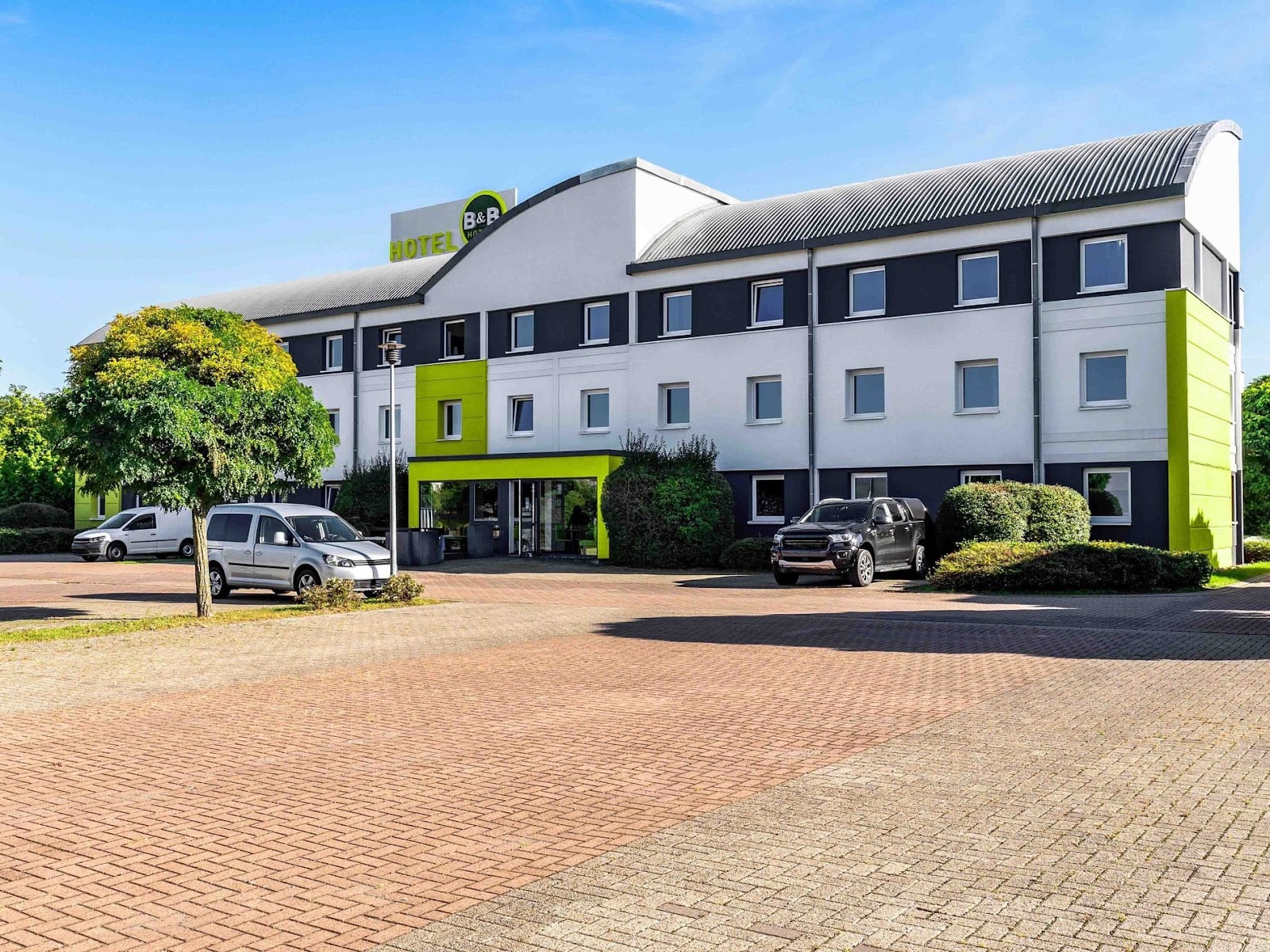
This modern 2-star hotel in the Veltenhof district of Braunschweig offers cozy accommodations and great links with the A2 motorway, just 4.3 mi north of the city center.
Braunschweig: Exploring LGBTQ+ Life in Lower Saxony
Braunschweig, situated in Lower Saxony, is a city blending historical depth with a contemporary outlook. As a university town and cultural hub, it supports an LGBTQ+ community that, while smaller than in larger German cities, is present and engaged. This guide offers insights for LGBTQ+ visitors.
History of Braunschweig's LGBTQ+ Scene
Germany has a progressive history regarding LGBTQ+ rights. Braunschweig, influenced by its university population, saw increasing queer visibility through the late 20th century. The city has a history of hosting Pride events, and local groups have worked to establish community spaces and advocate for LGBTQ+ rights. Today, Braunschweig benefits from anti-discrimination laws at state and federal levels, contributing to its safety for LGBTQ+ travelers.
Neighborhoods and Areas
The Altstadt (Old Town) is Braunschweig's historic center and where many LGBTQ+-friendly venues are located. This area features medieval architecture and is easily navigable on foot, with good public transport links.
The Eintracht neighborhood also has a community presence. The Weststadt offers a more residential environment with cafes and shops. The university area (Campusviertel) attracts students and generally has a liberal atmosphere.
Venues and Nightlife
Braunschweig's LGBTQ+ scene is concentrated. Key gathering spots include bars and cafes in the Altstadt. Given the scene's size, venues and their popularity can change; checking current local community resources or recent traveler information is advisable before visiting.
Typical venues include cocktail bars, traditional gay bars, and casual meeting places. Many are welcoming to mixed crowds, reflecting the city's inclusive atmosphere. Weekends, particularly Friday and Saturday nights, tend to be busier.
Braunschweig does not have a prominent sauna culture compared to larger German cities. Information on any existing options can be found through current online community resources.
Pride and Events
Braunschweig Pride, sometimes referred to as Braunschweig Pride Week or CSD (Christopher Street Day), typically occurs in July or August. The event usually includes a parade, information booths, entertainment, and parties, drawing participants from the city and surrounding regions. Exact dates and the event's format can vary annually, so checking the official Braunschweig tourism website or Pride organizers is recommended.
Beyond Pride, the city hosts various cultural events. The university may organize LGBTQ+-related networking and social events, and local community organizations might arrange film screenings, discussions, or social meetups.
Where to Stay
Hotels in the Altstadt provide convenient access to LGBTQ+-friendly venues and historic sites. This area offers a range of mid-range and boutique hotels. Larger hotel chains are located near the train station and in other districts. LGBTQ+-friendly accommodation is generally standard across Braunschweig due to existing legal protections.
Airbnb is widely available, with many hosts specifically welcoming LGBTQ+ guests. Staying in the Altstadt or near the Ringgleis (the circular avenue) offers good access to venues and attractions.
Braunschweig is considered a safe city for LGBTQ+ travelers. Germany has strong legal protections against discrimination and hate crimes. Same-sex marriage has been legal since 2017, and protections for transgender individuals are in place. Public displays of affection between same-sex couples are generally accepted.
As in any city, standard safety precautions are advised: avoid isolated areas late at night, be aware of your surroundings, and use registered taxis or public transport after dark. The local population is largely tolerant, particularly in the university-influenced areas.
Public Transit and Getting Around
Braunschweig is served by frequent local bus services and regional trains. The Braunschweig Hauptbahnhof (main train station) connects to other German cities. Local buses are efficient and affordable, with day and weekly passes available.
The city is relatively compact and suitable for cycling. Bike rentals are available, and cycling is a popular way to get around. Taxis and ride-hailing services operate in the city, though public transit is usually sufficient.
Food and Dining
Braunschweig's food scene includes traditional Lower Saxon dishes and modern European cuisine. The Altstadt offers numerous restaurants, cafes, and beer halls. Local specialties include Braunschweiger Leberwurst and regional beers.
Many restaurants are LGBTQ+-friendly, and the city's international student population has contributed to a diverse culinary landscape. Vegan and vegetarian options are widely available. Coffee culture is strong, with independent cafes found throughout the Altstadt and other neighborhoods.
Day Trips and Attractions
Braunschweig itself offers cultural attractions such as the Herzog Anton Ulrich Museum, the Martinskirche, and the nearby Schloss Wolfenbüttel. The Harz Mountains are accessible for day trips offering nature and hiking.
Wolfenbüttel, a historic ducal residence town, is 15 km away and reachable by regional train. Goslar, a UNESCO World Heritage site known for its medieval architecture and mountain scenery, is about 60 km away.
For those interested in broader LGBTQ+ history and culture, nearby Hamburg and Berlin offer larger scenes and are accessible via train.
Practical Tips
Learning basic German phrases can be helpful, though English is widely spoken, especially among younger people and in tourist areas.
Checking current venue information online before visiting is recommended, as bars and clubs can change. Local Facebook groups and community websites often provide up-to-date details.
The Braunschweig Tourist Information office in the Altstadt can assist with maps, event information, and accommodation bookings.
Frequently asked questions
Braunschweig is generally considered a liberal and welcoming city in Germany. The LGBTQ+ community is present and active, contributing to a progressive atmosphere.
The heart of Braunschweig's gay scene is in the Altstadt (Old Town), particularly around Martinsplatz and near Schlossplatz. This area concentrates most gay bars and social venues.
Braunschweig has a low-key but genuine gay scene with several established venues. While there isn't a large number of permanent dedicated gay clubs, periodic themed events are organized, especially around Pride season.
The source guide mentions that themed events are organized throughout the year, particularly around Pride season. Specific dates for Pride events would need to be confirmed locally.
The Altstadt (Old Town) is the center of the gay scene. Orichtenbruch, a residential area south of the city center, is also becoming popular with LGBTQ+ residents seeking quieter areas.
Socializing often happens in bars and cafes within the Altstadt. Community events are also a key part of the scene, and these are often advertised through community networks and social media.
Your privacy choices.
We use cookies to run GayOut and, with your consent, measure usage. Learn more
Your privacy choices
We use cookies to keep GayOut running, remember your preferences, and (with your permission) measure how the site is used. You can accept all, reject all, or pick what you allow. Learn more
Essential
Required for sign-in, fraud prevention, CSRF protection and remembering your language. Cannot be disabled.
Always on
Remembers your favourites, dark mode and other interface preferences across visits.
Helps us understand which pages people visit (Google Analytics, server-side stats) so we can improve.
Used by campaign tracking pixels. None are active right now, reserved for future use.
Install GayOut
Add GayOut to your home screen for faster access, offline favourites, and Pride alerts.


 Gay-Friendly Hotel
(380)
Gay-Friendly Hotel
(380)