Same-sex marriage (Ehe für alle) legalised 1 October 2017. Civil partnerships (Lebenspartnerschaft) had been available since 2001. Joint adoption rights for same-sex couples since 2017. Strong federal anti-discrimination protections (AGG, General Equal Treatment Act 2006) covering employment, goods and services. Conversion therapy banned for minors 2020; full ban for adults proposed but not yet enacted as of 2026. Trans legal gender change requires psychological assessment and court order…
Halle, the capital of Saxony-Anhalt in eastern Germany, is a city with deep cultural roots and a quietly welcoming LGBTQ+ community. With approximately 240,000 residents, it strikes a balance between being a significant regional hub and maintaining the character of a manageable, walkable city. For LGBTQ+ travelers, Halle offers authenticity and cultural richness rather than the intensity of Berlin or Cologne.
History and Community Context
Halle's modern LGBTQ+ scene developed gradually following German reunification in 1990. Like many East German cities, Halle had a different historical trajectory: the German Democratic Republic (East Germany) decriminalized homosexuality in 1968, earlier than West Germany, though social acceptance lagged behind legal status. After reunification, LGBTQ+ visibility and community organizing expanded across eastern Germany.
Today, Halle's queer community is relatively small but integrated into the city's social life, bolstered significantly by the large student population at Martin Luther University (MLU), one of Germany's oldest universities. The city has developed a reputation for liberal attitudes and cultural progressivism, with LGBTQ+ events and organizations operating openly. The community tends to be younger, more casual, and less commercialized than in larger cities—which appeals to travelers seeking authentic local experience over tourist infrastructure.
Neighborhoods and Geography
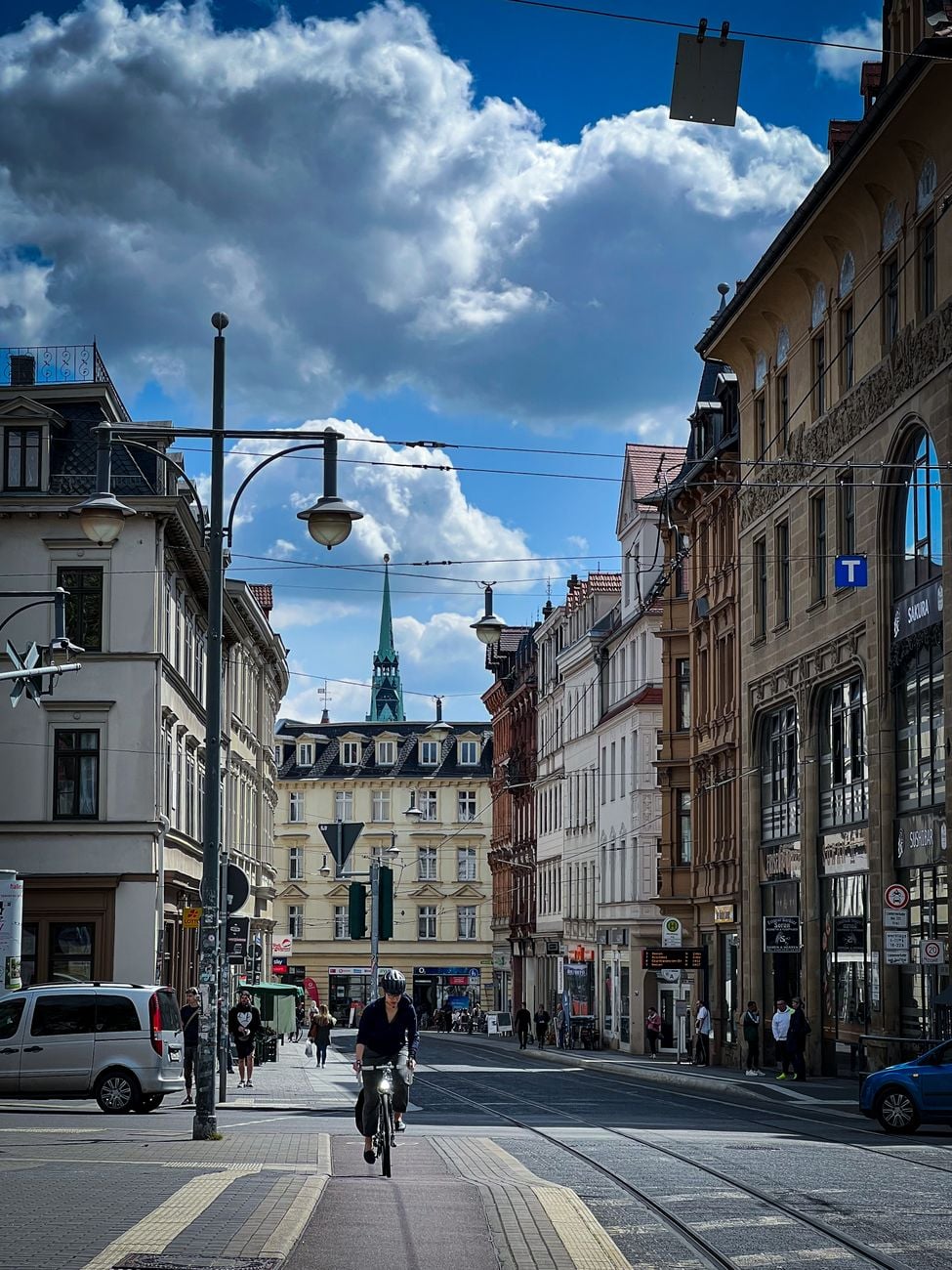
Halle's city center is highly walkable and concentrated around the Marktplatz (Market Square), dominated by the distinctive red tower of the Roter Turm. This historic square serves as the heart of the city and is surrounded by cafés, restaurants, and shops. The Altstadt (Old Town) extends from the Marktplatz northward and contains many restaurants and cultural venues. North of the Marktplatz, the Paulusviertel - a leafy Wilhelmine-era quarter beside the university - is the closest thing Halle has to a queer-leaning district: the city's main gay bar, Black Angel, and several community-friendly cafés cluster along Ludwig-Wucherer-Straße. The wider student and alternative scene spreads across the university areas south and east of the centre.
The university campus is dispersed throughout the city, with the main academic buildings concentrated south and east of the center. Student housing and bars frequented by younger crowds are scattered across these areas. The Süd (South) district contains residential neighborhoods and some dining options.
Venues and Social Scene
Halle's LGBTQ+ venue scene is small but genuine. The anchor is Black Angel on Ludwig-Wucherer-Straße, a dark, gothic- and fetish-leaning gay bar that doubles as the community's main meeting point. Much of queer life, though, runs on events rather than fixed addresses: GAYschorre - one of central Germany's biggest LGBT parties - draws crowds to larger club spaces around the city, and the queer centre BBZ lebensart e.V. on Beesener Straße hosts a monthly Queer Club alongside counselling, youth and trans groups and refugee support. Independent bars keep limited, sometimes seasonal hours, so it is worth checking BBZ lebensart, csdhalle.de or local social-media groups for what is on during your visit.
The city does not have well-established saunas or dedicated gay clubs in the traditional sense. Some travelers visit larger nearby cities like Leipzig (approximately 35 kilometers away) for more extensive gay nightlife, treating Halle as a cultural base.
Pride and Events
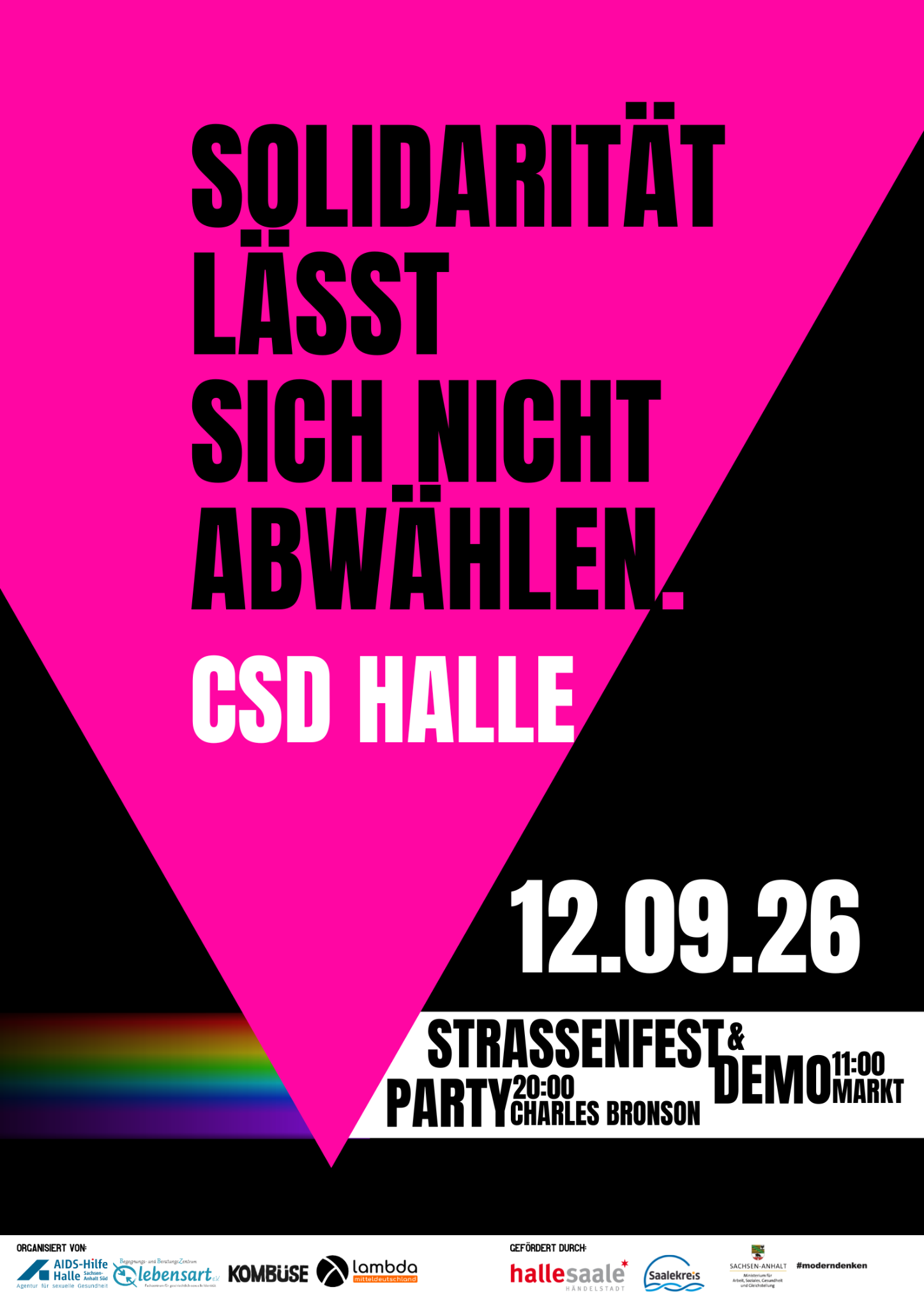
CSD Halle (Christopher Street Day) is the city's primary LGBTQ+ event, held in September - the 2026 edition falls on Saturday, 12 September, with Pride Weeks running from late August to mid-September. Organised by BBZ lebensart e.V. together with AIDS-Hilfe Halle, the day centres on a demonstration and parade that begins and ends at the Marktplatz, followed by a street festival of information booths, live performances and cultural programming. The parade draws several thousand participants, making it a significant but relaxed celebration compared with the big-city Prides - an excellent chance to meet local community members and experience eastern German Pride culture.
Beyond Pride, the city hosts cultural events year-round at venues like the Staatstheater Halle (state theater), Händel-Haus (museum dedicated to composer Georg Friedrich Händel), and various smaller cultural centers. Many of these events attract diverse audiences and create informal community spaces.
Where to Stay
Halle offers a range of accommodation options concentrated in and around the Altstadt and city center. Mid-range hotels and guesthouses dominate; there is no dedicated LGBTQ+ hotel, but major chains and local properties maintain welcoming policies. The city is small enough that location matters less than in larger cities; most accommodations are within walking distance of key attractions.
Booking platforms like Booking.com, Hotels.com, and German-specific sites like Hrs.de list current options. Airbnb is available but less prevalent than in larger cities. Student housing services through the university may offer temporary accommodation during off-peak periods.
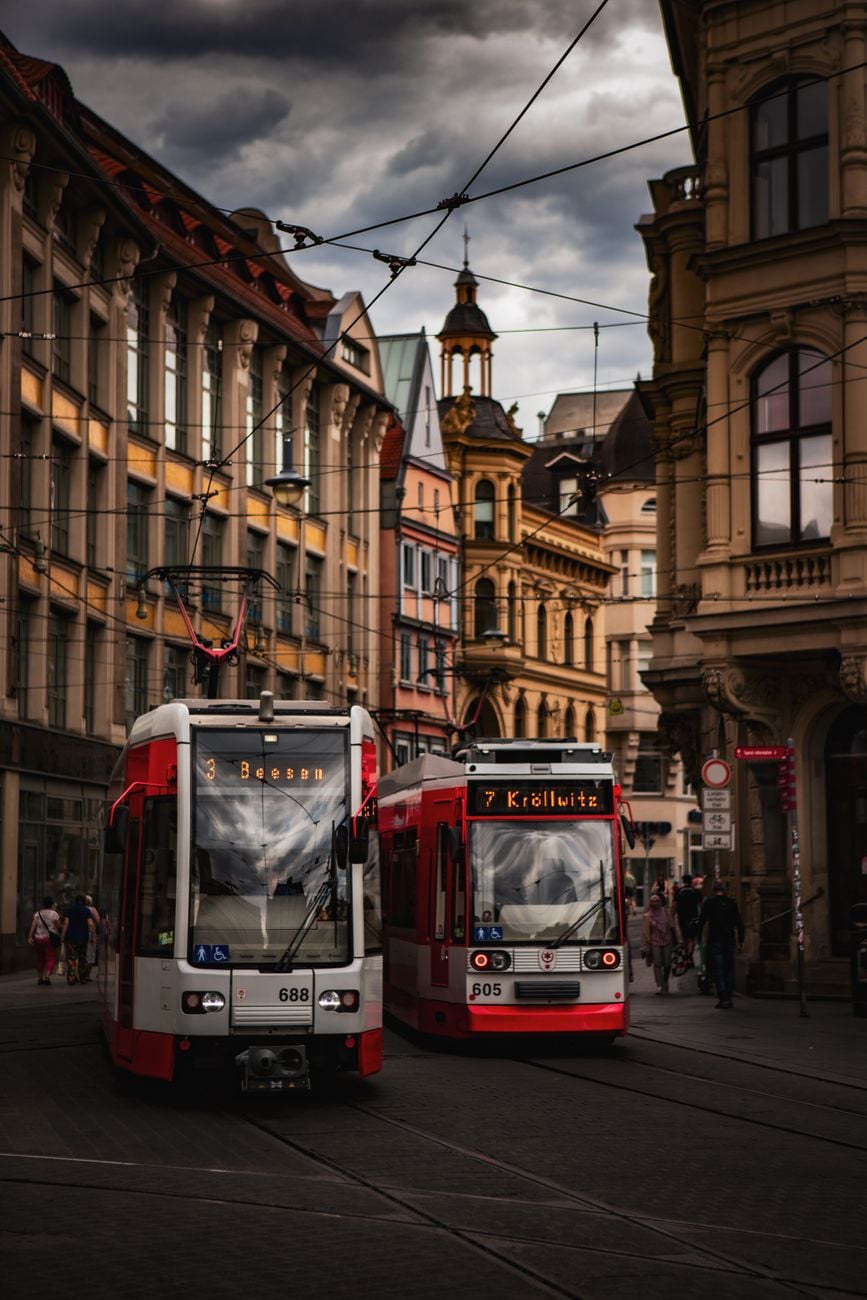
Halle is extremely walkable for the city center and immediate surroundings. The Altstadt and Marktplatz are best explored on foot. For longer distances, the city operates an integrated public transit system (Hallesche Verkehrsbetriebe) with trams and buses. A day pass is affordable and provides access to all routes within the city.
The main train station (Halle Hauptbahnhof) connects the city to Berlin (approximately 3 hours), Leipzig (less than 1 hour), and other major German cities. This makes Halle easily accessible as part of a larger eastern German itinerary. Cycling is popular and practical; bike rentals are available through local services and some hotels.
Food and Dining
Halle's food scene reflects East German culinary traditions alongside modern offerings. The Altstadt contains numerous cafés and restaurants ranging from casual to upscale. Traditional East German cuisine (Hausmannskost) remains popular and offers hearty, affordable meals. International cuisine, including Italian, Greek, and Asian restaurants, is represented, particularly near the university.
Cafés in the Marktplatz area serve as informal social hubs and are generally welcoming. Wine bars and beer halls are common throughout the city. Several restaurants and cafés are operated by or frequented by LGBTQ+ individuals and allies, creating informal safe spaces.
Cultural Attractions
Halle's primary draw for many travelers is cultural rather than primarily LGBTQ+-focused. Key sites include:
- Händel-Haus: Museum dedicated to composer Georg Friedrich Händel, with historical collections and performances
- Marktkirche: Historic church with exceptional acoustics, important in the city's musical heritage
- Kunstmuseum Moritzburg: Art museum with collections spanning medieval to contemporary work
- Halloren Chocolate Factory: Historic chocolate maker with tours
- Saale River walks: Scenic paths along the river offering outdoor recreation and views
These attractions provide cultural substance and appeal to travelers seeking more than nightlife-focused tourism.
Safety and Practical Considerations
Halle is generally safe for LGBTQ+ travelers. Germany maintains strong legal protections for LGBTQ+ individuals, including anti-discrimination laws and recognition of same-sex partnerships. Eastern Germany has experienced some right-wing political movements, but Halle itself, as a university city, maintains liberal social attitudes. LGBTQ+ visibility is normal and accepted in public spaces, particularly in the city center.
Practical notes: German is the primary language; English is spoken in tourist areas and hotels but less consistently in smaller establishments. Street signs and schedules are clear. Currency is the Euro. The city operates on Central European Time.
Day Trips
Halle's location makes it ideal for exploring the broader Saxony-Anhalt region and neighboring areas:
- Leipzig: Major city 35 kilometers away with more extensive gay scene, cultural institutions, and nightlife
- Dessau: Approximately 60 kilometers away, home to the Bauhaus design school and historic sites
- Wörlitzer Park: Neoclassical estate gardens and park near Dessau, UNESCO World Heritage site
- Saale Valley: Scenic region popular for hiking, cycling, and wine touring
Best Time to Visit
May through September offers pleasant weather and maximum daylight. July/August coincides with Pride season. Winter (December-February) is cold and gray but features Christmas markets and cultural events. Spring (April-May) and early autumn (September-October) offer comfortable temperatures and fewer crowds.
Who Should Visit
Halle works best for travelers seeking cultural experiences, LGBTQ+ community connection in a smaller-city context, and authentic East German heritage. It appeals to those combining travel across eastern Germany, history enthusiasts, music lovers (given the Händel heritage), and travelers interested in university city atmosphere. It is less suitable for those prioritizing large gay nightlife infrastructure or seeking a primary party destination—though certainly LGBTQ+-friendly and welcoming.
Frequently asked questions
Halle has evolved into one of eastern Germany's more welcoming mid-sized cities for LGBTQ+ travelers. The community tends toward cultural events and smaller bars rather than large commercial venues.
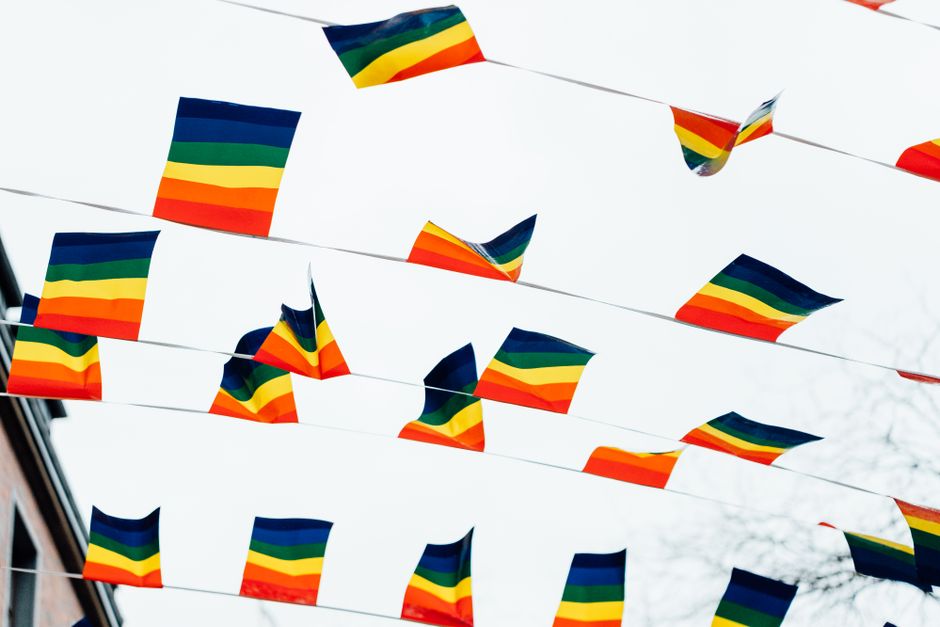
Halle doesn't have a Castro-style gay village, but the Paulusviertel north of the Marktplatz - a student and Wilhelmine-era quarter beside the university - is its most queer-leaning area, with the Black Angel gay bar and community-friendly cafes along Ludwig-Wucherer-Strasse. Rainbow flags appear across the centre during CSD season.
Halle's Pride is CSD Halle (Christopher Street Day), held in September - in 2026 it falls on Saturday, 12 September, with Pride Weeks from late August to mid-September. It is organised by BBZ lebensart e.V. and AIDS-Hilfe Halle, and the parade starts and ends at the Marktplatz.
The one explicitly gay bar is Black Angel on Ludwig-Wucherer-Strasse in the Paulusviertel. Beyond it, queer life is event-driven - the GAYschorre party series and the BBZ lebensart e.V. queer centre (Beesener Strasse 6) are the best entry points. Nearby Leipzig, under an hour away by train, has a larger scene.
No, Halle does not maintain permanent large gay clubs on the scale of Leipzig or Berlin. The scene operates on a more intimate scale with fewer mega-clubs but more authentic social spaces.
For current, reliable information check the queer centre BBZ lebensart e.V. (bbz-lebensart.de), the Pride organisers at csdhalle.de, and local LGBTQ+ social-media groups, which are the most up-to-date sources for one-off parties and venue nights.
Your privacy choices.
We use cookies to run GayOut and, with your consent, measure usage. Learn more
Your privacy choices
We use cookies to keep GayOut running, remember your preferences, and (with your permission) measure how the site is used. You can accept all, reject all, or pick what you allow. Learn more
Essential
Required for sign-in, fraud prevention, CSRF protection and remembering your language. Cannot be disabled.
Always on
Remembers your favourites, dark mode and other interface preferences across visits.
Helps us understand which pages people visit (Google Analytics, server-side stats) so we can improve.
Used by campaign tracking pixels. None are active right now, reserved for future use.
Install GayOut
Add GayOut to your home screen for faster access, offline favourites, and Pride alerts.





 Gay Bars & Clubs
Featured
(165)
Gay Bars & Clubs
Featured
(165)