

 Gay Bars & Clubs
(65)
Gay Bars & Clubs
(65)

Gay Zaragoza
LGBTQ+ Travel Guide & City Directory · Aragon
675,000 residents
03:25 GMT+02:00
View on Maps
17°C · Partly cloudy
EUR €
BCN · 250 km
Build a 3-Day Zaragoza Trip
2 Gay Bars & Clubs
6 Gay-Friendly Hotels
LGBTQ+ Legal Status in Spain
Based on national laws as of 2025
96/100
LGBTQ+ Friendly
Legal 60/60 · Scene 36/40 · Spain national score
Spain — Gay Travel Index profile →
Compare all 208 countries →
Legal rights details
✓
Same-sex relations legal
✓
Equal age of consent
✓
Partnership / union
✓
Same-sex marriage
✓
Adoption rights
✓
Anti-discrimination law
✓
Legal gender change
Marriage equality since 2005. Trans rights law enacted 2023. One of Europe's most LGBTQ+-friendly countries.
Upcoming Events in Zaragoza
Know an event that's not listed here?
+ Add it now
Never miss a gay event in Zaragoza
One email a week — the weekend lineup, parties and deals. No spam, unsubscribe anytime.
Weekly event updates. Notifications appear on your lock screen.
On iPhone: first add GayOut to your Home Screen (Share → Add to Home Screen), then open it from there to enable notifications.
Gay Bars & Clubs in Zaragoza
Gay Bars & Clubs
(65)
 Gay Bars & Clubs
(16)
Gay Bars & Clubs
(16)
Gay-Friendly Hotels in Zaragoza
View all 6 → Gay-Friendly Hotel
(2145)
Gay-Friendly Hotel
(2145)
Hotel Sauce
Gay-Friendly Hotel
One of Zaragoza's better-rated stays — a solid, welcoming base close to the action.
gay-friendly
LGBTQ+ Friendly
Aug 2026
 Gay-Friendly Hotel
(3849)
Gay-Friendly Hotel
(3849)
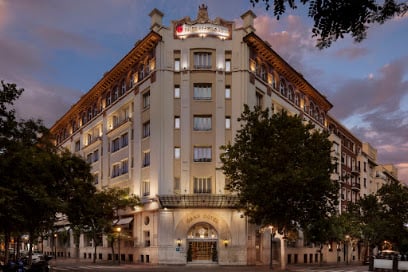
Hotel NH Collection Gran Hotel de Zaragoza
Gay-Friendly Hotel
Well-reviewed and central — a comfortable pick for a Zaragoza weekend.
gay-friendly
LGBTQ+ Friendly
Aug 2026
 Gay-Friendly Hotel
(3369)
Gay-Friendly Hotel
(3369)
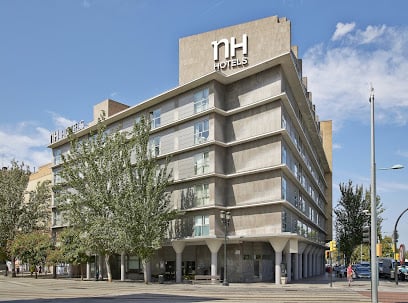
Hotel NH Ciudad de Zaragoza
Gay-Friendly Hotel
A popular choice with consistently good guest ratings in Zaragoza.
gay-friendly
LGBTQ+ Friendly
Aug 2026
 Gay-Friendly Hotel
(3485)
Gay-Friendly Hotel
(3485)
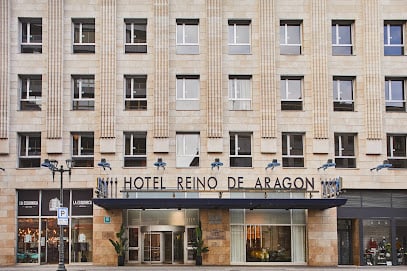
Hotel Silken Reino de Aragón
Gay-Friendly Hotel
One of Zaragoza's better-rated stays — a solid, welcoming base close to the action.
gay-friendly
LGBTQ+ Friendly
Aug 2026
Where to stay in Zaragoza
via Stay22Where to stay in Zaragoza
Loading map…
🎟️ Tours & Experiences in Zaragoza
via GetYourGuideSkip-the-line tickets, walking tours, day trips and unique LGBTQ+ friendly experiences — booked instantly with free cancellation.


- Free cancellation
- Reserve now, pay later
- Mobile tickets
Travel Guide
Gay Zaragoza — Your Complete Guide
Everything worth knowing before you go.
Gay venues
2
LGBTQ+ status
Welcoming
In this guide · 14 sections
- Zaragoza LGBTQ+ Travel Guide
- History and Community Context
- Neighborhoods and Districts
- Venues and Nightlife
- Pride and Annual Events
- Where to Stay
- Safety and Practical Considerations
- Public Transportation
- Food and Dining
- Cultural Attractions and Day Trips
- Day Trips
- Language and Communication
- When to Visit
- Conclusion
Zaragoza LGBTQ+ Travel Guide
Zaragoza, the capital of the autonomous community of Aragon in northeastern Spain, has emerged as an increasingly welcoming destination for LGBTQ+ travelers. While smaller than Spain's major cities, Zaragoza offers an authentic local gay scene, cultural attractions, and a relaxed atmosphere that appeals to visitors seeking genuine community connections.
History and Community Context
Spain decriminalized homosexuality in 1978 and has since become one of Europe's most progressive countries regarding LGBTQ+ rights. Same-sex marriage has been legal since 2005. Zaragoza, as a major provincial capital, reflects this broader Spanish acceptance while maintaining its own distinct local character. The LGBTQ+ community in Zaragoza has organized around community centers, cultural organizations, and annual Pride celebrations that have grown significantly over the past two decades.

Neighborhoods and Districts
The primary gay-friendly area is centered in the Casco Histórico (historic center) of Zaragoza, particularly around Calle de la Paz and the surrounding streets near the Plaza del Pilar. This area combines medieval architecture with modern gay-friendly establishments. The historic center is walkable and compact, making it easy to navigate between venues and attractions.
The Barrio de Justicia, adjacent to the historic center, also has gay-friendly bars and restaurants and represents a slightly more residential, less touristy extension of the gay quarter. The Barrio San Pablo, further from the center, is increasingly popular with younger LGBTQ+ residents but has fewer dedicated gay venues.
Venues and Nightlife
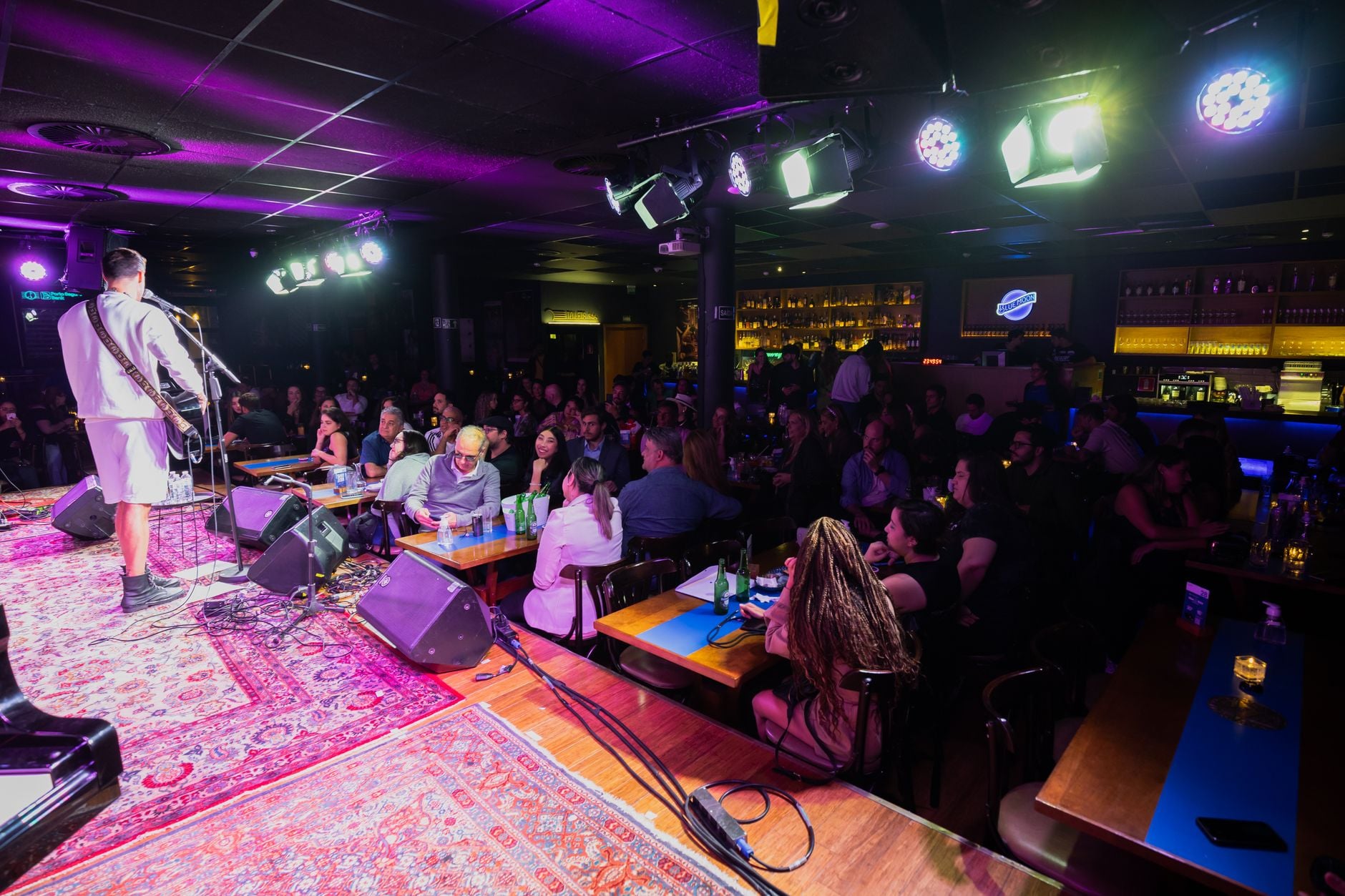
Zaragoza's gay scene centers on bars and small clubs rather than mega-clubs. Most venues are concentrated in the historic center within walking distance of each other. The bar scene tends to be more social and conversational than dance-focused, reflecting Spanish culture where people often bar-hop through the evening.
While specific venue names and details change, travelers should expect to find gay bars, cafes, and social spaces in the Casco Histórico. The best approach is to check current local LGBTQ+ guides or ask at the tourist information center, which has become increasingly knowledgeable about gay-friendly establishments. Many bars are small and intimate rather than large commercial spaces.

Pride and Annual Events
Zaragoza Pride (Orgullo de Zaragoza) typically takes place in June and features a street parade through the historic center, cultural events, live music, and community gatherings. The celebration has grown substantially over the years and draws participants from across Aragon and neighboring regions. The dates and specific programming vary by year, so travelers should check local sources for current schedules.
Beyond Pride, various cultural events throughout the year include LGBTQ+ film festivals, theater productions, and community celebrations. The city's cultural calendar offers opportunities for visitors beyond the main Pride period.
Where to Stay
Accommodations near the Casco Histórico offer proximity to most gay-friendly venues and major attractions like the Basilica del Pilar. The historic center has options ranging from luxury hotels to budget hostels. Staying in the heart of the old town allows for walkable exploration of both the gay scene and cultural sites.
Alternatively, the modern district around the Paseo de la Independencia offers more contemporary accommodations and is still easily connected to the historic center by a short walk or public transit. Budget travelers can find affordable options in various neighborhoods; Zaragoza's overall cost of living makes accommodation reasonable compared to Barcelona or Madrid.
Find gay-friendly hotels in Zaragoza, spain
Real prices · Free cancellation · Verified bookings

Safety and Practical Considerations
Zaragoza is generally very safe for LGBTQ+ travelers. Spain has strong legal protections against discrimination, and Zaragoza reflects the country's progressive values. Open displays of affection by same-sex couples are normal and accepted in the city center. That said, as in any city, basic urban safety precautions apply—avoid isolated areas late at night and watch belongings in crowded areas.
Public restrooms and facilities are generally clean and accessible. Healthcare is excellent should travelers need medical services; Spain has high-quality public and private medical care.
Public Transportation
Zaragoza's public transit system (Autobuses Urbanos de Zaragoza) includes buses covering the entire city. The historic center is highly walkable, and most gay-friendly venues are within walking distance of each other. Taxis are readily available and inexpensive. The city is well-connected to other Spanish cities by train and bus, making it feasible as a stop on a larger Spanish itinerary.
Food and Dining
Zaragoza offers excellent Spanish cuisine at reasonable prices. The city is known for regional Aragonese specialties including ternasco (lamb), jamón ibérico (cured ham), and local wines. The historic center has numerous restaurants and cafes, many with outdoor seating in plazas. LGBTQ+-friendly establishments often welcome visitors warmly, and Spanish dining culture tends to be relaxed and inclusive.
Local markets like the Mercado de San Agustín offer fresh produce, meats, and prepared foods at excellent prices. The food culture in Zaragoza is less touristy and more authentically local than in larger cities.
Cultural Attractions and Day Trips
The Basilica del Pilar is Zaragoza's most iconic landmark and is worth visiting regardless of religious affiliation—the architecture and riverside location are stunning. The Cathedral of La Seo, another major architectural site, is nearby. The Museum of the Forum and other cultural institutions provide context for the city's history.
For those interested in Spanish art, the Goya Museum dedicates significant space to Francisco Goya, who had connections to Zaragoza. The city's riverside parks along the Ebro offer pleasant walking and relaxation spaces.
Day Trips
Day trips from Zaragoza include the wine regions of Campo de Borja and Calatayud, historic towns in the surrounding region, and natural areas for hiking and outdoor activities. The Monasterio de Piedra, a Cistercian monastery with beautiful gardens and waterfalls, makes for a popular day excursion.
Language and Communication
English is spoken in many tourist-oriented establishments in the historic center, though less universally than in Barcelona or Madrid. Learning basic Spanish phrases is helpful and appreciated by locals. Translation apps work well for navigating menus and signage.
When to Visit
Spring (April-May) and fall (September-October) offer pleasant weather and smaller crowds than summer. June's Pride celebrations attract more visitors but transform the city atmosphere. Summers are hot, and many locals leave for vacation. Winters are mild by northern European standards but can be gray. Most of Zaragoza's LGBTQ+ venues operate year-round, making any season viable for visiting.
Conclusion
Zaragoza offers LGBTQ+ travelers an authentic Spanish experience with a welcoming local community. The city works well for those seeking to experience Spanish gay culture outside the major metropolises, with lower costs, less tourism congestion, and genuine local connections. While the scene is smaller than Barcelona or Madrid, it reflects the progressive values that characterize modern Spain and provides visitors with memorable experiences in a beautiful historic setting.
Frequently asked questions
Zaragoza benefits from Aragón's relatively progressive regional politics and has a growing visibility and infrastructure for LGBTQ+ travelers. Like much of Spain, visibility increased significantly following the legalization of same-sex relationships.
The Casco Histórico (historic center) and the Zona Centro (central district) are where most LGBTQ+ activity concentrates. These areas contain gay-friendly venues and are where gay travelers will feel most comfortable.
Zaragoza's gay scene is smaller and less internationally marketed than Barcelona or Madrid, but it maintains a welcoming community with growing visibility and infrastructure.
Zaragoza lacks a specifically designated "gay neighborhood" in the sense of San Francisco's Castro or Madrid's Chueca. However, the Casco Histórico and Zona Centro are where most LGBTQ+ activity concentrates.
Bar Andaluz has been a longstanding gay bar in the center, known for its social atmosphere and mixed crowd. La Cava is another established venue.
Pride events began gaining prominence in Zaragoza in the 2000s, reflecting broader Spanish acceptance and legal protections. The guide does not specify exact dates for current Pride celebrations.
Cities like Zaragoza
Gay Zaragoza on YouTube
Videos representative of Spain

GAY MADRID - We Show You EVERYTHING in Spain’s Gay Capital
Know a great venue in Zaragoza?
Help the community by adding it to our directory — it's free and reviewed within 48 hours.