









In this guide · 8 sections
Bologna: Europe's Oldest Gay Scene
Bologna's an outlier. It’s not Italy's largest, most famous, or most visited city. But it consistently ranks as Italy's most LGBTQ+-friendly. That comes down to one remarkable institution and the politics that built it.
The Cassero LGBTQ+ Center started in 1982, literally inside a medieval city gate. It was a bar and community space within Porta Saragozza, one of Bologna's twelve surviving medieval gates. Forty-four years later, it's still going, now in bigger digs on Via Don Minzoni. It still has a bar, a disco, a cinema, advocacy services, and it’s still a focal point for one of Europe’s densest queer communities, relative to the city’s size. No other Italian city has anything like it. The Cassero is why Bologna punches so far above its 400,000-person population in every LGBTQ+ travel ranking.
The Cassero
Cassero LGBTQ+ Center at Via Don Minzoni 18 is where everything begins and ends for Bologna's gay scene. You need an Arcigay membership card (tessera Arcigay) to get in—a few euros a year, available at the door or online. It’s not a hurdle; it’s a declaration of community solidarity that’s funded the Cassero's advocacy work for four decades. The bar is open Tuesday through Sunday from 9 PM; Friday and Saturday are disco nights. The Cassero Cinema screens films most weeks, with the annual Bologna Queer Festival in May.
The Cassero's location—literally occupying public civic architecture—isn't accidental. Bologna's left-wing politics (the city was run by communists from 1945 to 1999 and is still very progressive) created a municipality that, in 1982, was willing to give a medieval city gate to an LGBTQ+ association. That same political culture built the social tolerance that makes the whole city, not just its gay venues, comfortable for LGBTQ+ people.

Via del Pratello
Via del Pratello is where Bologna goes on a Tuesday night. It runs west from Piazza Maggiore toward the train station. This long, narrow street has been the city's counter-cultural spine since the 1970s: trattorias with no menus and long communal tables, political bars with Lenin on the wall, independent bookshops, and music venues that have hosted underground acts for decades. L'Altrov'è at number 46 is the main gay anchor: low-key, local, good for aperitivo and late drinks with a crowd that’s known each other for years.
Bars and Nights
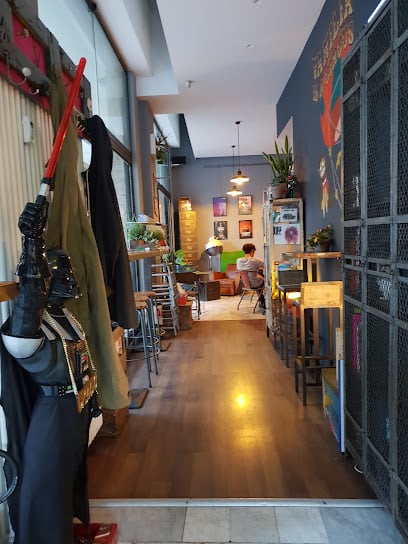
Beyond the Cassero and Via del Pratello, Sottotraccia near the university is the politically engaged alternative: a queer feminist bar with art openings, film nights, and spoken word, especially welcoming to the trans and non-binary community. For bigger club nights, in the Via Stalingrado industrial area hosts monthly leather, fetish, and mixed queer events that pull people from across Emilia-Romagna.

Saunas
near Porta Galliera is Bologna's main gay sauna. It's compact, well-kept, with a Turkish steamroom, dry sauna, darkroom, and private cabins. Most of the clientele are local. It's open daily from 2 PM, closing later on Friday and Saturday.
Where to Stay
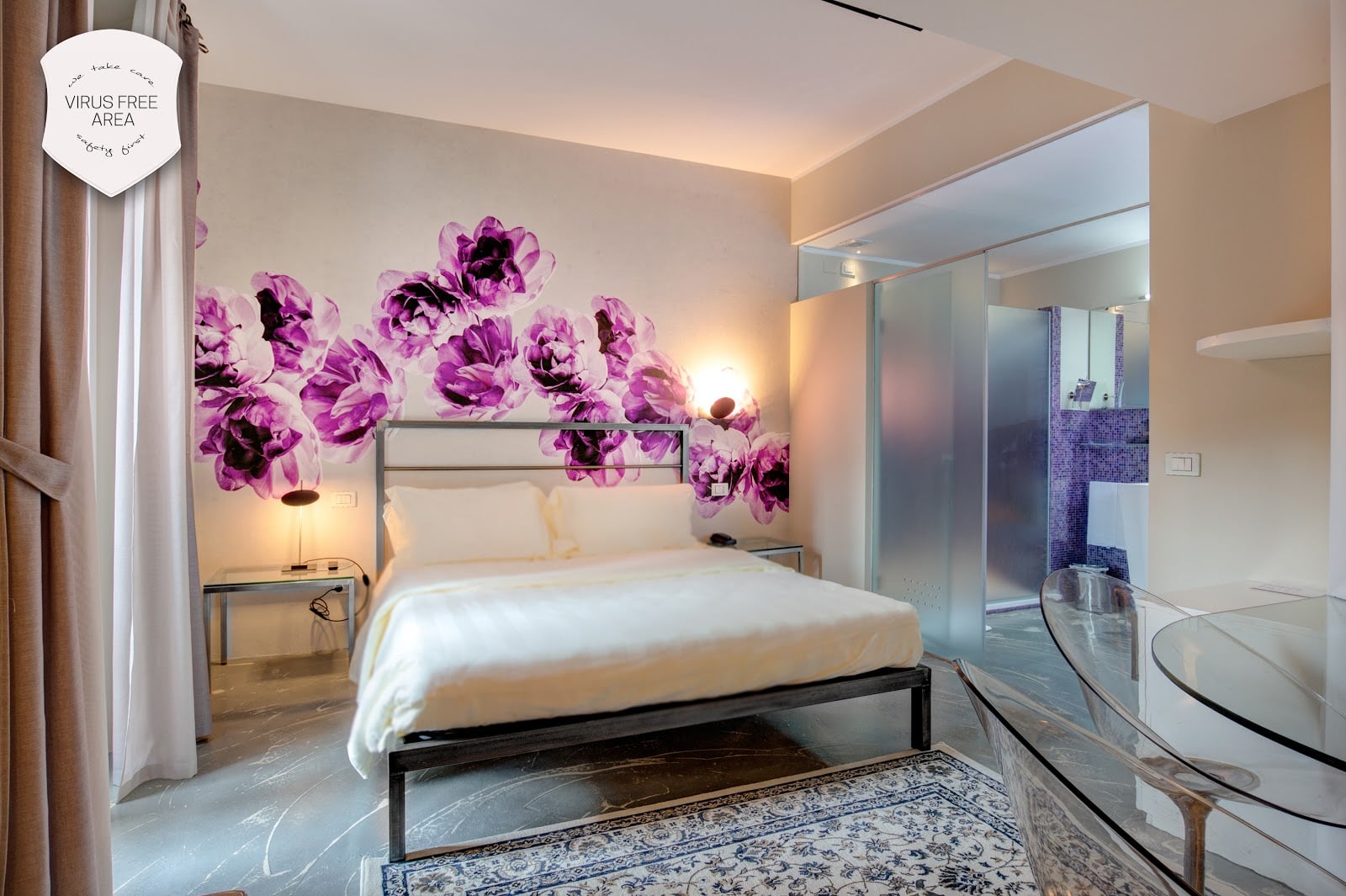
Il Convento dei Fiori di Seta on Via Orfeo is the city's best-known LGBTQ+-welcoming boutique hotel: a converted 15th-century convent with individually decorated rooms and a walled garden courtyard. It’s a 12-minute walk from the Cassero. People consistently rate it highly for its inclusive atmosphere. The city also has plenty of apartment rentals in the historic center, which is small and easy to walk everywhere.

Bologna Pride 2026
Bologna Pride march: June 20, 2026. The route goes down Via dell'Indipendenza from Piazza VIII Agosto to Piazza Maggiore, under the UNESCO-listed porticoes. Pride Week (June 13–20) includes Cassero Cinema screenings, panel discussions, and club nights. Expect 30,000–50,000 attendees—modest by Rome or Milan standards, but it feels intense. This is a Pride where the community marches for itself, not for tourists.
Getting There and Around
Bologna has great train connections: 35 minutes from Florence by high-speed train, 1 hour from Milan, 2 hours from Rome. The airport (Bologna Guglielmo Marconi) is 20 minutes by shuttle bus or taxi. The historic center is completely walkable—the Cassero is a 15-minute walk from the main train station, and almost every venue is within 25 minutes of every other. Cycling is popular, and bike share is available.

