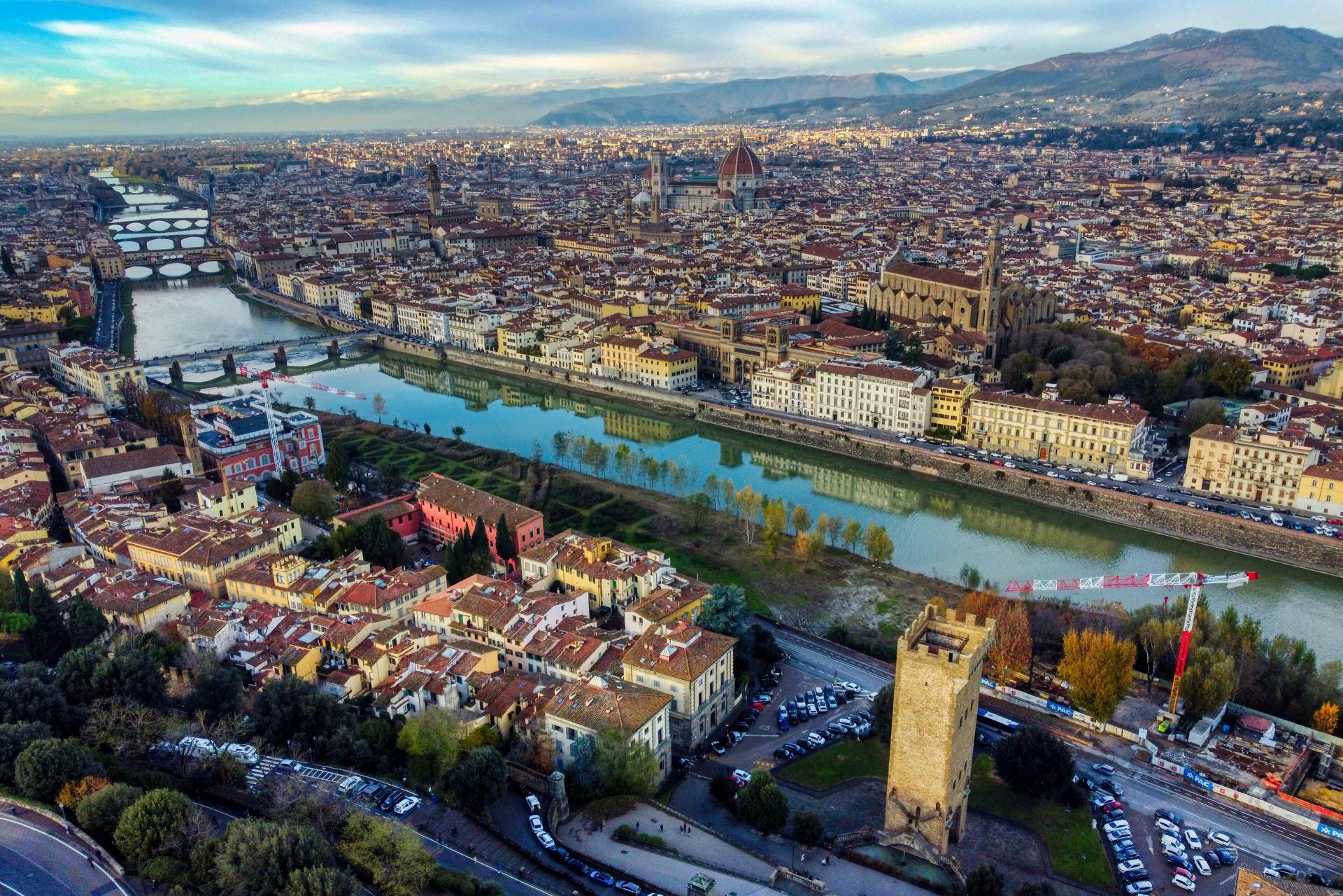
Florence and LGBTQ+ History
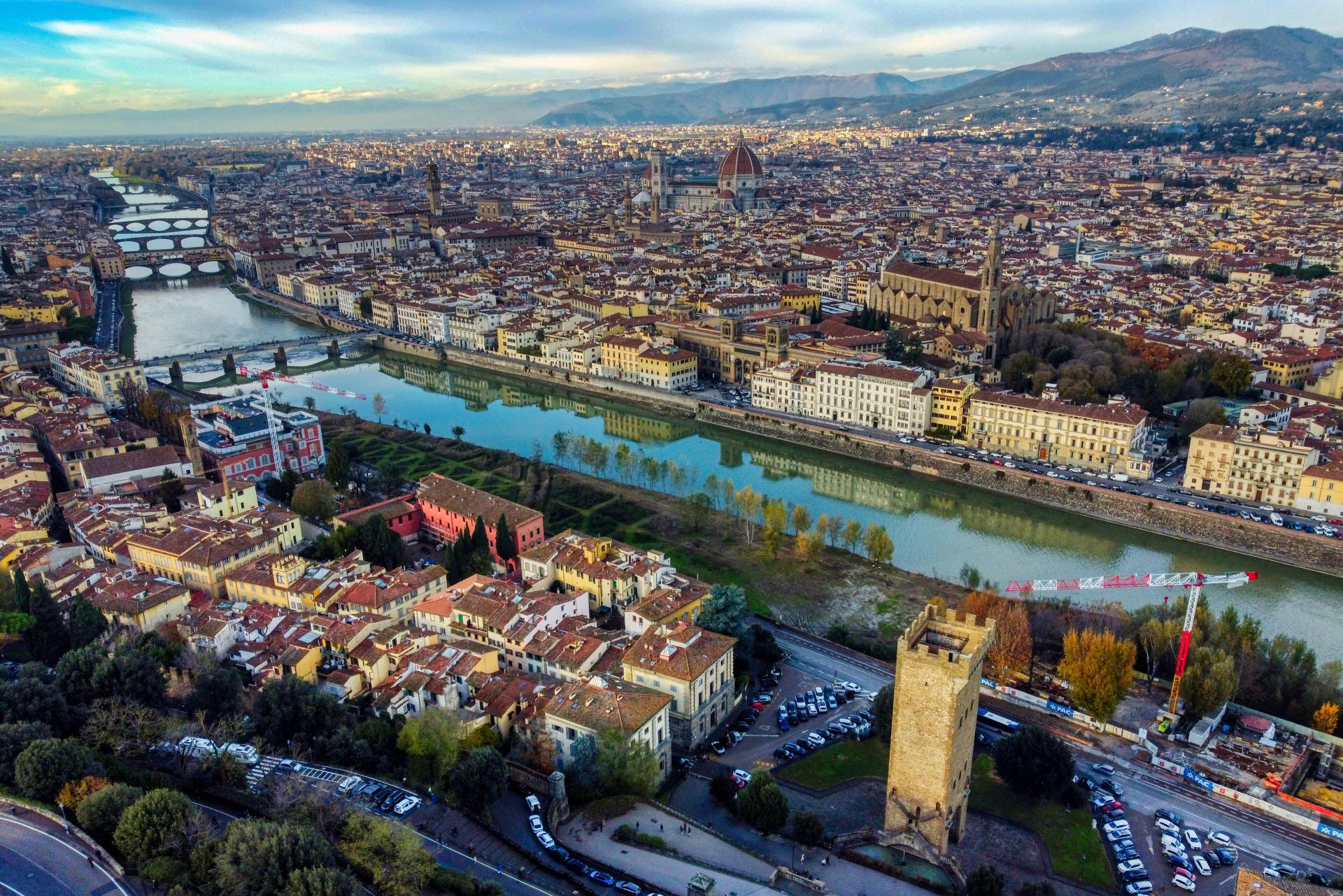
The Renaissance city of Florence has an LGBTQ+ history that predates the modern concept by five centuries. Three of the period's towering figures — Michelangelo, Leonardo da Vinci and Sandro Botticelli — were connected by documented or extensively argued same-sex relationships to a culture of patronage, artistic collaboration and homosocial intimacy that 15th-century Florence either tolerated or prosecuted depending on political circumstance. Michelangelo is buried in Santa Croce. Italy's oldest continuously operating gay bar, Tabasco Disco Bar, stands a few steps from that same basilica.
This is not coincidence. Florence's gay scene is small by Italian standards — Rome and Milan both have larger, more active scenes — but it operates in a context of such historical density that every evening out carries a weight of context. You drink your Negroni in the same streets where Renaissance patrons walked. The scale of Florence helps: the entire historic centre is walkable in 40 minutes, which means the gay bars, the Uffizi and Piazza della Signoria occupy the same small territory.
Tabasco
Tabasco Disco Bar at Piazza Santa Cecilia 3r opened in 1978 — the same year that Italy legalised the Communist Party and four years before the AIDS crisis changed gay culture globally. It is not merely Italy's oldest gay bar but one of the oldest in continental Europe. Three connected rooms with low vaulted ceilings, four and a half decades of accumulated atmosphere, a mainstream pop and house soundtrack and a crowd that mixes local regulars with international visitors who have come specifically to visit. Entry is free most nights. Open from 22:00.
Crisco and the Club Scene
A few streets away, Crisco Bar on Via Sant'Egidio takes the scene in a more underground direction: two floors, a bar and dance area upstairs, a darker cruise section below. Crisco's crowd is more local and older than Tabasco's, reflecting the venue's appeal to Florentines rather than tourists. Friday and Saturday nights are the main events. Coordination with the Arcigay Firenze calendar means the venue hosts circuit and community events throughout the year.
Oltrarno
Queer Bar on Via dei Serragli offers the neighbourhood alternative: a welcoming cocktail bar in the Oltrarno — south bank Florence, less touristy, more local — that attracts a genuinely mixed gay/lesbian/queer crowd from the surrounding artistic community. Good for aperitivo before crossing back to Santa Croce for the clubs.
Saunas and Cruising
Sodoma Sauna west of the Oltrarno is Florence's main gay sauna — well-maintained, Turkish steamroom and dry sauna, darkroom, jacuzzi. The name references both biblical history and a 16th-century Sienese painter documented for same-sex relationships. Parco delle Cascine along the Arno is the outdoor option.
Firenze Pride 2026
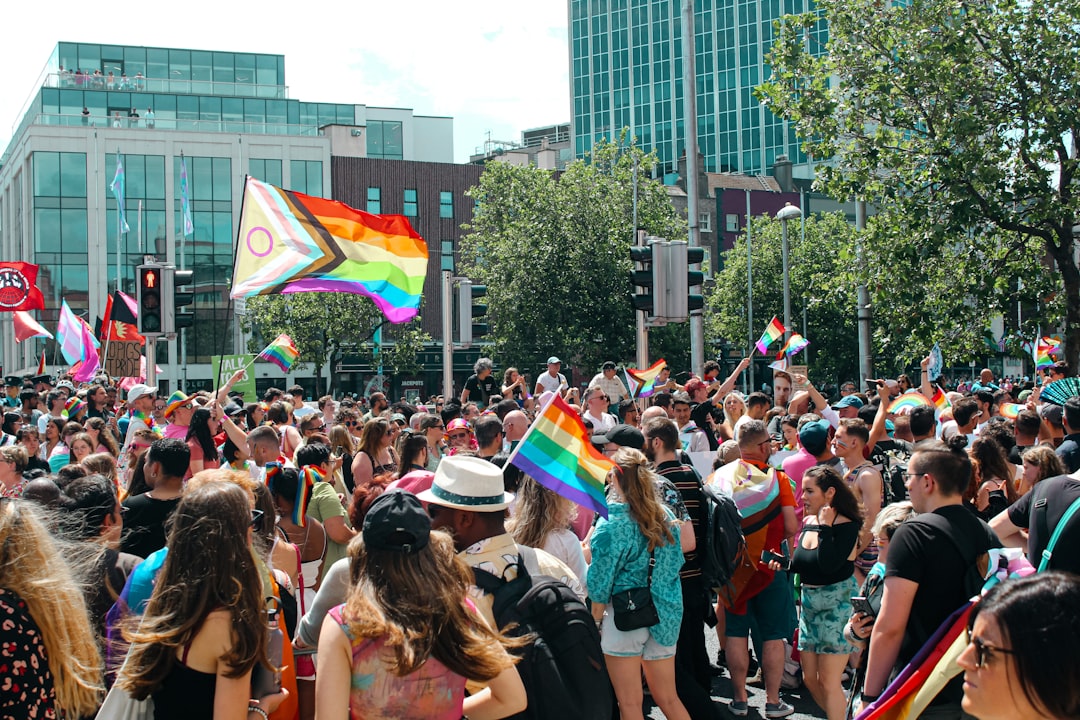
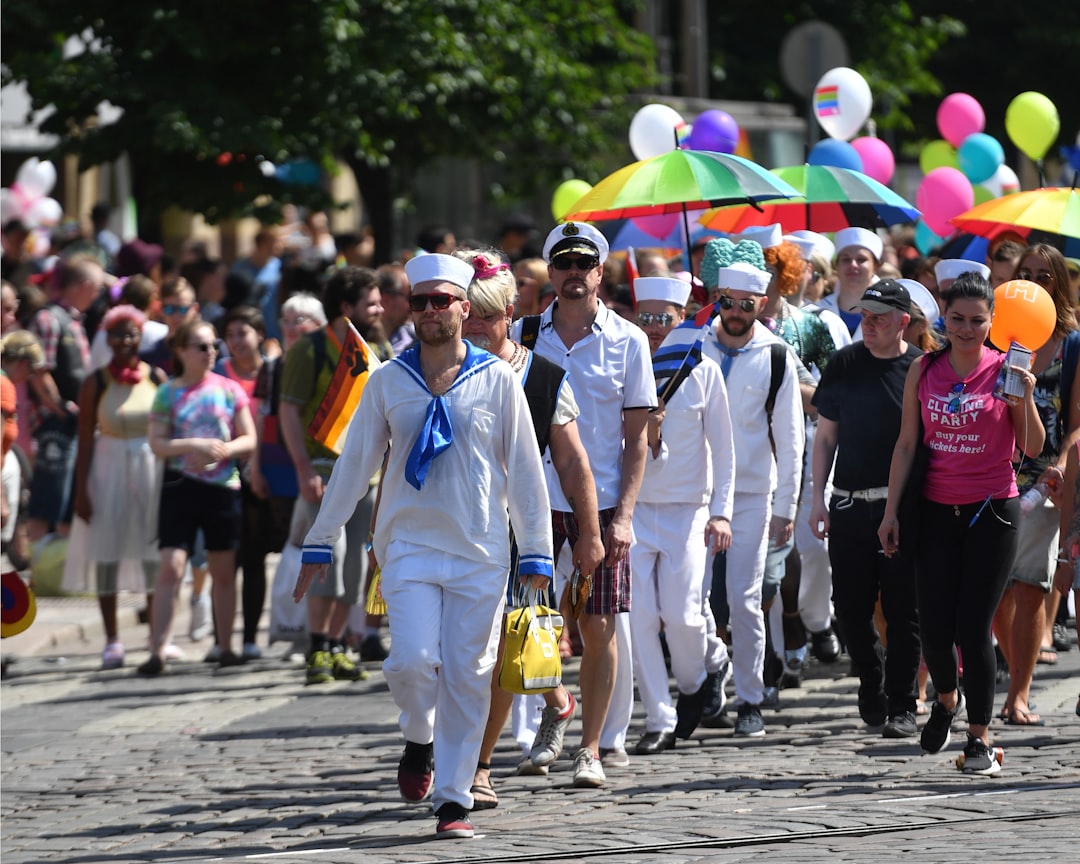
Firenze Pride march: 6 June 2026. Route from Piazza della Repubblica to Piazza Santa Croce — past the Uffizi, through streets lined with the world's greatest concentration of Renaissance architecture. Expected attendance 25,000. Michelangelo's tomb is your destination.