







In this guide · 17 sections
- Quebec City isn't Montreal. Good.
- Saint-Roch: where the scene is
- The Old Town: mostly for tourists
- Catholic heritage and a quieter vibe
- French-only, mostly
- Quebec City vs. Montreal
- Bars
- Saunas
- Hotels
- Events
- Practical notes
- FAQ
- Does Quebec City have a gay scene?
- How does Quebec City compare to Montreal for gay travel?
- Do I need to speak French in Quebec City?
- Where is the gay-friendly area in Quebec City?
- Is Quebec City safe for LGBTQ+ visitors?
Quebec City isn't Montreal. Good.
Don't come to Quebec City expecting Montreal's Le Village. You won't find anything like it. Quebec City's gay scene is smaller and spread out. The whole metro area has about 800,000 people, compared to Montreal's 4 million, and the gay infrastructure reflects that. There's no multi-block strip of dedicated gay venues here. Instead, you'll find a few bars scattered across the inner districts, mostly in Saint-Roch.
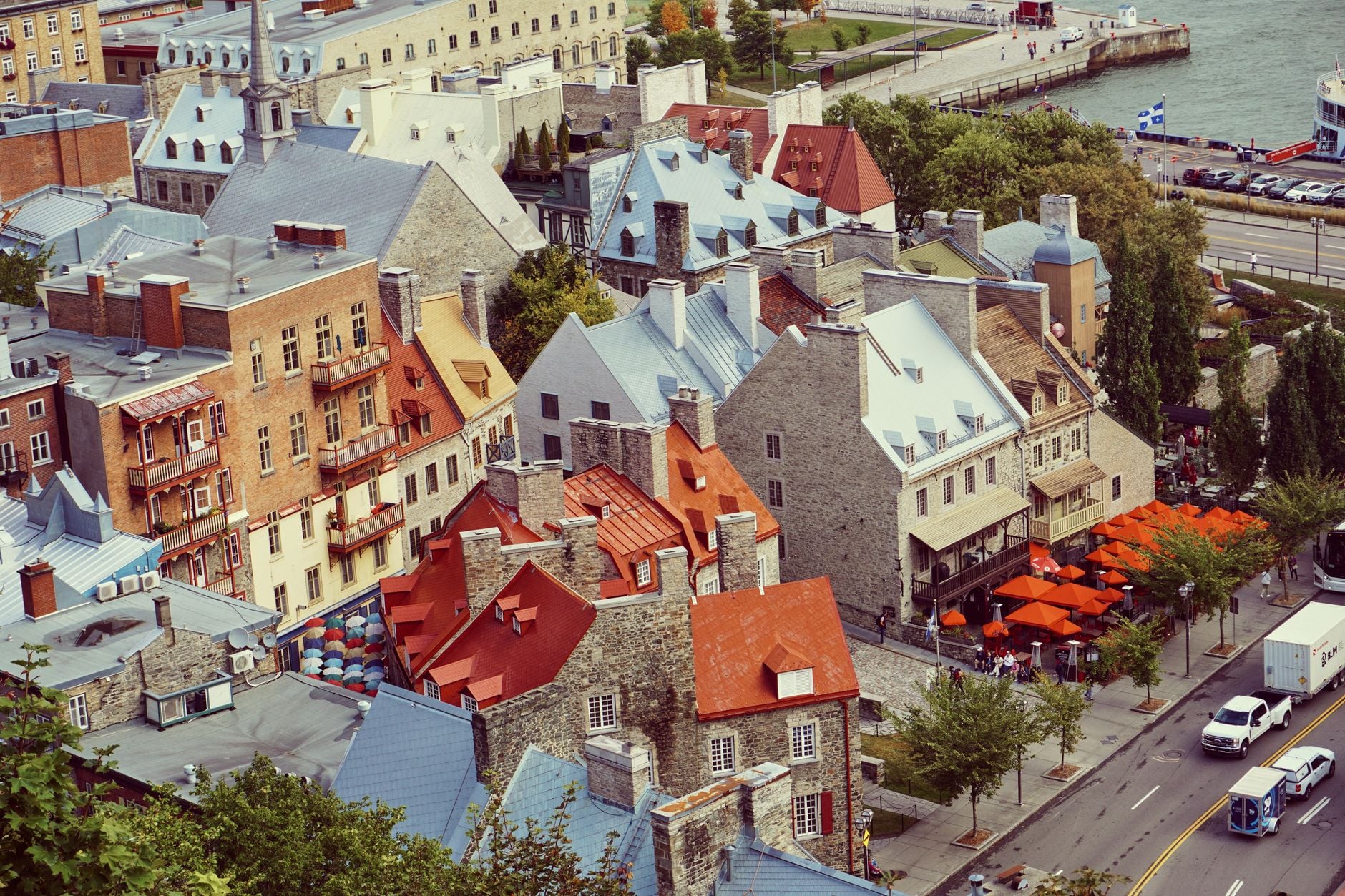
That's not a bad thing. Quebec City is a different place. It's compact, walkable, and a UNESCO World Heritage site, with its old walls still standing. The gay scene here fits the city's character and size.
Saint-Roch: where the scene is
Saint-Roch, west of the Old City in the lower town, has become Quebec City's most gay-friendly neighborhood over the last two decades. It's also where younger, artsy, and creative types live and hang out. Rue Saint-Joseph Est, Saint-Roch's main commercial drag, has the best restaurants, coffee shops, bars, and independent stores. Several bars here are consistently gay-friendly or explicitly gay.
Saint-Roch's turnaround is fairly recent. In the 1990s, it was a declining commercial area. Big investments and demographic shifts have made it one of the city's more interesting neighborhoods. The Méduse cultural co-operative, one of Quebec City's larger arts organizations, is here. The neighborhood feels creative and open, a contrast to the more traditional Old Town up the hill.

The Old Town: mostly for tourists
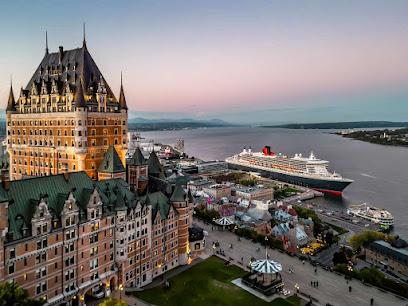
The Old Town — Vieux-Quebec — is split into upper and lower sections by the escarpment Chateau Frontenac sits on. The upper town, around the castle and Grande-Allee, gets the most visitors. You'll find Parliament, the historic fortifications, and most of the tourist hotels here. Gay venues aren't concentrated in the Old Town; it's mostly for tourists, and the few bars here are general, not gay-specific.
Grande-Allee, the boulevard running west from Parliament, has a strip of bars and terraces. They're lively in summer and draw a general crowd. A couple might have a gay following, but the strip as a whole isn't gay-identified.
Catholic heritage and a quieter vibe
Quebec's Catholic past still shapes its social culture, even after decades of secularization. The Quiet Revolution, from the 1960s onward, quickly and dramatically transformed the province from one of North America's most religious societies into a largely secular one. But that heritage still marks Quebec City's social character in ways different from Montreal.
Quebec City is the provincial capital. It feels more traditional, administrative, and historically French-Canadian than Montreal, which is bigger, more cosmopolitan, and more of a cultural mix. Practically, this means the gay scene here is less intense commercially and has a lower international profile than Montreal's. The city's social atmosphere is a bit more conservative — not hostile, but quieter and less overtly expressive. A gay couple walking through Saint-Roch won't have any trouble. The same couple in parts of the Old Town's upper city might get less obvious public acknowledgment.

French-only, mostly
Quebec City is emphatically French. Unlike Montreal, where bilingualism is a given in hospitality and English is widely spoken, Quebec City operates in French. English proficiency among service staff exists, but it's not as universal as in Montreal. Menus, signs, and general communication in bars and restaurants will be in French.
If you have any French at all, this won't be a problem. Basic French — ordering, asking for directions, saying thanks — is enough for most interactions and is well-received. The city is used to anglophone tourists, especially from the US and English Canada, and will accommodate. But arriving in Quebec City with no French and expecting English service everywhere is different from Montreal, where that assumption generally holds true.
The gay bars in Saint-Roch operate in French. The social atmosphere is French-speaking. For French-speaking gay visitors, Quebec City offers a completely French gay experience you don't get to the same degree in Montreal — Montreal's gay scene is notably more bilingual than the city overall.
Quebec City vs. Montreal
Montreal is 250 kilometers southwest, about 2.5 hours by bus or car. If you're spending time in the province, seeing both cities is worth it; they're genuinely different places with different feels. Montreal's gay scene is one of North America's best. Quebec City's is smaller but feels more local and French. If you have a week in Quebec and primarily want gay nightlife, Montreal is the better choice. If you want to experience French Quebec culture and a city with incredible physical character, and you're fine with a smaller, more neighborhood-scale gay scene, Quebec City is rewarding.

Bars
For the full breakdown, see the Quebec City gay bars guide.
Saunas
See the Quebec City gay saunas guide for details.

Hotels
Most of Quebec City's hotels are in the Old Town, concentrated around Chateau Frontenac and along Grande-Allee. You can stay in Saint-Roch, which puts you closer to the gay-friendly nightlife. But the Old Town hotels offer proximity to the historic sites and are the more popular choice.
Events
Check the events calendar for upcoming Quebec City LGBTQ+ events.
Practical notes
- Language: French is essential here. Basic French is enough for practical interactions, but English-first service isn't guaranteed like it would be in Montreal.
- Getting there: Quebec City Jean Lesage Airport (YQB) is about 16km from the Old Town. Take a bus or taxi/rideshare into the city. VIA Rail runs from Montreal (3 hours) and other Canadian cities.
- Transit: The RTC bus network covers the city. The Old Town and Saint-Roch are walkable from each other if you don't mind hills — the escarpment between upper and lower town is steep. The funiculaire connects upper and lower town near Chateau Frontenac.
- Best months: June to September for outdoor activities. February for the Winter Carnival (one of North America's largest winter festivals).
FAQ

Does Quebec City have a gay scene?
Yes, but it's small by Canadian city standards. There's no dedicated gay village like Montreal's. Gay-friendly bars and venues are mostly in the Saint-Roch neighborhood, in the lower town west of the Old City.
How does Quebec City compare to Montreal for gay travel?
Montreal has one of North America's best gay scenes, centered on Le Village. Quebec City's is much smaller, more conservative, and primarily French. Montreal is 250km southwest, about 2.5 hours away.

Do I need to speak French in Quebec City?
Basic French is strongly recommended. Unlike Montreal, where English is widely spoken in hospitality, Quebec City is French-first. English will be understood, but French is the expected language throughout.
Where is the gay-friendly area in Quebec City?
Saint-Roch, in the lower town west of the Old City. Rue Saint-Joseph Est is the main commercial street. The neighborhood has the most gay-friendly bars and an artsy, creative character that feels more open than the Old Town.
Is Quebec City safe for LGBTQ+ visitors?
Yes. Canada has had marriage equality since 2005, and Quebec has strong anti-discrimination protections. The city is socially more conservative than Montreal, but there are no safety concerns. Saint-Roch and the inner city are straightforwardly welcoming.