





















このガイドでは · 20 セクション
- The neighbourhoods
- Bars and clubs
- Saunas and cruising
- Pride: the Parada do Orgulho LGBT+
- Museum and community
- Museu da Diversidade Sexual · República metro station
- Centro de Referência LGBTI+ Brunna Valin · Rua Major Sertório 292, República
- Health
- Safety
- Where to stay
- Getting around
- Eat like a paulistano
- A few paulistano words
- At a glance
- Frequently asked questions
- Is São Paulo gay-friendly?
- Where is the gay area of São Paulo?
- When was São Paulo Pride in 2026?
- Is São Paulo safe for gay travellers?
- Can visitors get PEP or PrEP in São Paulo?
Seen from the top of a tower on Avenida Paulista, São Paulo is concrete to the horizon: more than eleven million people, helicopters ferrying executives between rooftops, and a grey sky that turns to a thunderstorm at five o'clock. Down at street level it's warmer. Office workers queue for a pastel at a street market, men in tight T-shirts wander up Rua Frei Caneca on a Friday night, and on Avenida Vieira de Carvalho the bear bars have put their plastic tables out on the pavement. Paulistanos like to say their city has no beach, so it has everything else, and that includes a huge gay scene. It isn't pretty or compact, and the centre needs street sense after dark, but it's open, cheap, very late and spread across several neighbourhoods. This guide covers the whole city; our bar, sauna and cruising guides go deeper.
Legal in one line: sex between men has never been a crime in independent Brazil; since Resolution 175 of the National Council of Justice (CNJ) in 2013, registry offices across the country must perform same-sex marriages; and since 2019 the Supreme Court (STF) has treated homophobia and transphobia as crimes under the anti-racism law. Trans people can change their name and gender at a registry office. The law is good; the street is less predictable, so read the safety section below.
The neighbourhoods
- Consolação and Rua Frei Caneca: the city's best-known gay street, a short walk downhill from Avenida Paulista (Consolação and Paulista stations). Bars, clubs, a cinema and Shopping Frei Caneca, a mall so popular with gay locals that it's jokingly called "Shopping Gay Caneca". Younger, busier and the easiest place for a first night.
- Rua Augusta: the long, scruffy street parallel to Frei Caneca, running down from Paulista towards the centre. Indie bars, cheap eats, students and a mixed, alternative crowd, plus the Eagle cruise bar at number 620. Lively at night; keep your phone pocketed.
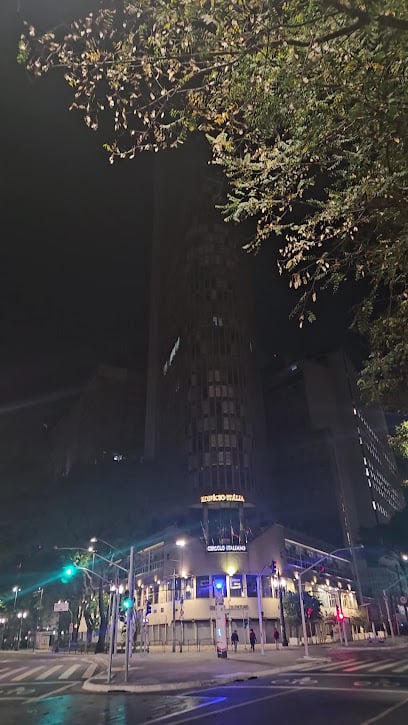
- República, Largo do Arouche and Vila Buarque: the old centre and the historic heart of gay São Paulo. Bear bars on Avenida Vieira de Carvalho, small bars on Rua Bento Freitas, cruise clubs, the 24-hour sauna-hotel on the Largo, the Museu da Diversidade Sexual and the city's central LGBTI+ centre. Cheap and full of life, and the part of town where you need the most care at night.
- Vila Madalena: hilly, bohemian and covered in street art (walk Beco do Batman). Bars spill onto the pavements, especially on Thursday and Friday nights; it isn't a gay district but is relaxed and mixed.
- Pinheiros: next door to Vila Madalena, with good restaurants, craft-beer bars such as the trans-run Torneira, and Le Rouge 80, the city's classic sauna.
- Jardins: leafy and expensive, with designer shops on Rua Oscar Freire, smart restaurants and several of the hotels below. Calm and walkable, and a short ride from Frei Caneca.
- Frei Caneca: A Lôca (no. 916), the dark, sweaty, alternative club that has been here since the mid-1990s; Bofetada Club (Rua Peixoto Gomide 131), bar, karaoke and dance floor in one; and the drag bar Casa Fluida (Rua Bela Cintra 569), Thursday to Saturday with shows from 22:00.
- Vieira de Carvalho: the bear avenue. Soda Pop (no. 43), Woof Bar (no. 31) and Caneca de Prata fill the pavement on warm evenings, Sundays included.
- The big clubs: Tunnel (Rua dos Ingleses 355, Bela Vista), three dance floors; Blue Space (Rua Brigadeiro Galvão 723, Barra Funda), famous for its lavish drag shows and marking 30 years in 2026; and ABC Bailão (Rua Marquês de Itu 182), an old-school dance hall with a mostly over-40 crowd.
- For women and the queer crowd: Bandeira Bandeira (Rua Sousa Lima 81, Barra Funda), a bar for lesbian, bisexual and trans women, and Cabaret da Cecília, the jazz, drag and burlesque cabaret, which announced its reopening at a new address, Rua Nestor Pestana 189, for 17 October 2026. Check its website before you go.
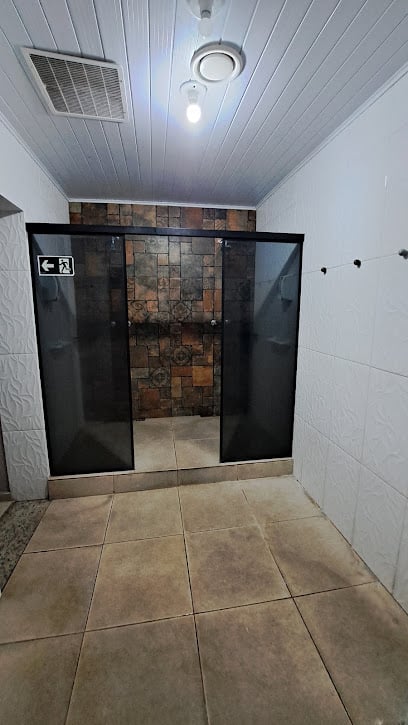
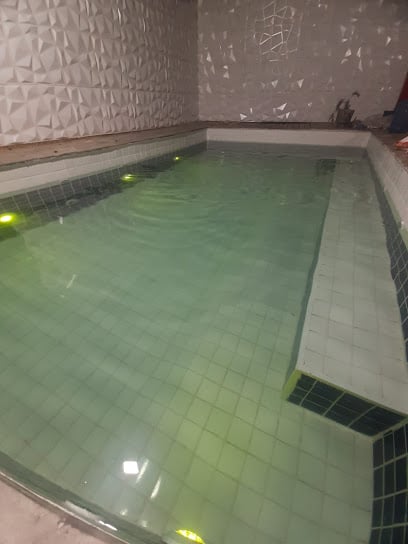
- Le Rouge 80 (Rua Arruda Alvim 175, Pinheiros): open since 1980, two heated pools, a mostly 30-to-50 crowd, and garotos are not allowed.
- Wild Thermas (Rua Doutor Veiga Filho 802, Higienópolis): the party sauna, open until 05:00 on Fridays.
- Top Man Club (Rua Marquês de Paranaguá 363): the most central, near Frei Caneca, with a pool and rooftop.
- 269 Chilli Pepper Single Hotel (Largo do Arouche 610): a men-only sauna and hotel, open 24 hours.
- PEP (post-exposure prophylaxis) is free through the public health system, SUS, for visitors too, and must start within 72 hours of the risk; the sooner the better. Go to a public emergency unit (UPA) or to the specialist CRT-DST/AIDS centre on Rua Santa Cruz, Vila Mariana.
- PrEP is free through SUS for people enrolled in the programme. São Paulo has even put PrEP machines in the metro (at Brás, Consolação, Luz, Santana and Vila Sônia), but they require a consultation via the city's e-saúdeSP app and are only for residents of the city. Visitors should bring their own supply.
- Testing: free HIV and STI tests are available at the city's CTA testing centres (Centros de Testagem e Aconselhamento) and specialist units; the city's IST/Aids pages list the addresses. The city reports that new HIV diagnoses have fallen by 53% since 2016.
- Condoms are handed out free at health posts and provided at licensed saunas.
- Hotel Belas Artes SP Paulista, Rua Frei Caneca 1199: a mid-range Accor-managed hotel (formerly Golden Tulip Belas Artes) at the Paulista end of Frei Caneca, about 300 metres from the avenue. The most convenient base for the Frei Caneca scene.
- Hotel Emiliano, Rua Oscar Freire 384, Jardins: a five-star design hotel with a spa and restaurant, on the city's smartest shopping street.
- Hotel Fasano, Jardins: the flagship of the Fasano group, with an Italian restaurant and a pool.
- Hotel Unique, Avenida Brigadeiro Luís Antônio, Jardim Paulista: the boat-shaped landmark by architect Ruy Ohtake, with a rooftop bar and pool, near Parque do Ibirapuera.
- Bourbon São Paulo Business Hotel, Avenida Vieira de Carvalho, República: a mid-range hotel on the bear-bar avenue, walking distance from the centre's bars and the museum. Take a ride app home late at night anyway.
- Also listed: Grand Hyatt São Paulo (in the Brooklin business district, far from the scene) and Guest Urban Hotel & Festa Deck. See all gay-friendly hotels in São Paulo.
- From Guarulhos airport (GRU): CPTM Line 13-Jade runs from Aeroporto–Guarulhos station, which is next to Terminal 1, with a free shuttle bus to Terminals 2 and 3. The Airport Express trains run direct to Luz and Palmeiras–Barra Funda roughly hourly, from about 5:00 to midnight, at the normal train fare; otherwise ride Line 13 to Engenheiro Goulart and change. It's cheap, but awkward with big luggage at rush hour.
- Airport Bus Service coaches run from GRU to the hotels around Avenida Paulista, to Congonhas airport, and to the Barra Funda and Tietê bus terminals; fares are much higher than the train. A taxi or ride app takes 40 minutes to well over an hour, depending on traffic.
- Metro: clean, safe and cheap, but it closes around midnight. Useful stations: Consolação and Paulista (Lines 2-Green and 4-Yellow) for Frei Caneca and Augusta; República (Lines 3-Red and 4-Yellow) for Arouche, Vieira de Carvalho and the museum; Fradique Coutinho (Line 4) for Pinheiros and Vila Madalena; Clínicas (Line 2) for Le Rouge 80.
- Money: cards are accepted almost everywhere. Pix, Brazil's instant payment system, needs a Brazilian CPF number, so most visitors can't use it. In bars, look after your comanda, the tab card you pay on the way out.
- Apps: Grindr and Hornet are both widely used.
- Pastel de feira: a big, crisp fried pastry filled with cheese, minced beef or palm hearts, eaten standing at a street market (feira livre), traditionally with a glass of fresh sugar-cane juice (caldo de cana).
- Coxinha: the teardrop-shaped croquette of shredded chicken, sold in every padaria (bakery) and boteco. The perfect snack with a cold chope.
- Virado à paulista: the city's own plate of rice, beans mashed with manioc flour, pork chop, sausage, fried egg, kale, fried banana and crackling, traditionally served on Mondays in simple lunch places.
- Mortadella sandwich at the Mercadão: the Mercado Municipal near the old centre, with its stained-glass windows, is known for an absurdly thick mortadella sandwich (sanduíche de mortadela), plus pastel de bacalhau and tropical fruit stalls. Go for lunch on a weekday and watch your bag.
- Liberdade: São Paulo has a very large Japanese-Brazilian community, and Liberdade (Line 1-Blue) is its old heart: red lanterns, ramen and sushi counters, Japanese grocers and a weekend street fair. The city's love of Japanese food runs everywhere, from cheap all-you-can-eat rodízio sushi to high-end omakase.
- Pizza: paulistanos will tell you their pizza beats Italy's. Sunday night is pizza night.
- Meu / mano: "mate", "dude", sprinkled through every sentence ("meu, que calor!").
- Balada: a night out or a club. Rolê: an outing, a wander ("bora dar um rolê?", shall we go out?).
- Da hora: cool, great. Mó: very ("mó fila", a huge queue).
- Farol: traffic light (elsewhere in Brazil it's semáforo). Bolacha: biscuit, a word that starts arguments with people from Rio, who say biscoito.
- Pingado: coffee with a splash of milk, ordered at the bakery counter.
- Celular: mobile phone. Golpe: scam. Comanda: bar tab card.
- Bicha: gay man (reclaimed; fine among friends, an insult from strangers). Mona: queen, girl, between gay men. Urso: bear.
Bars and clubs
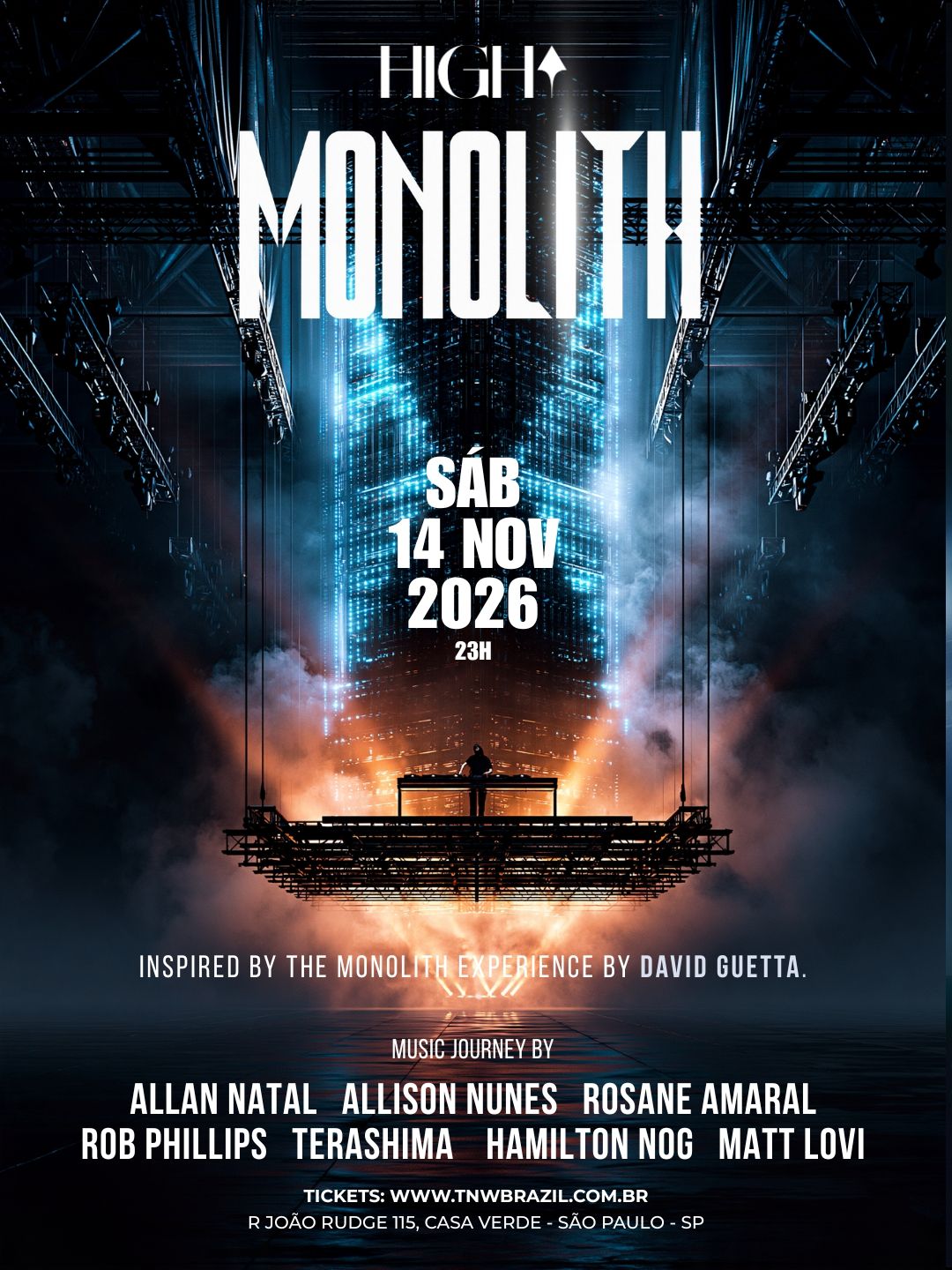
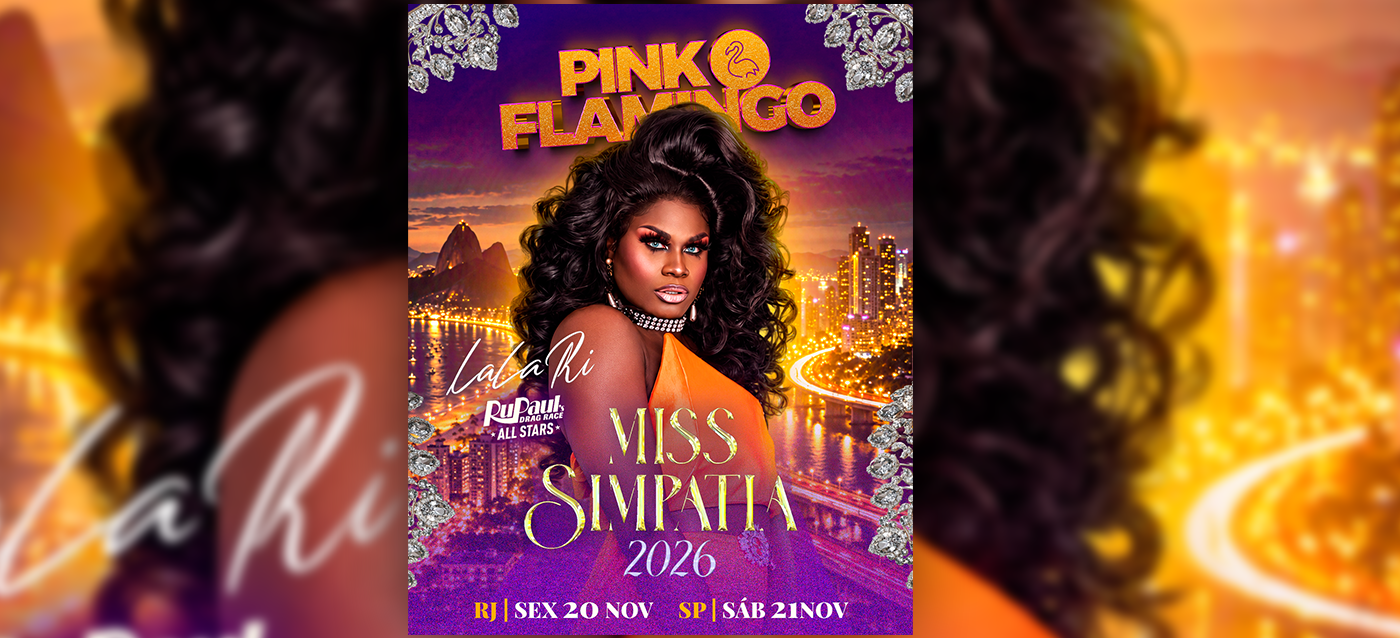
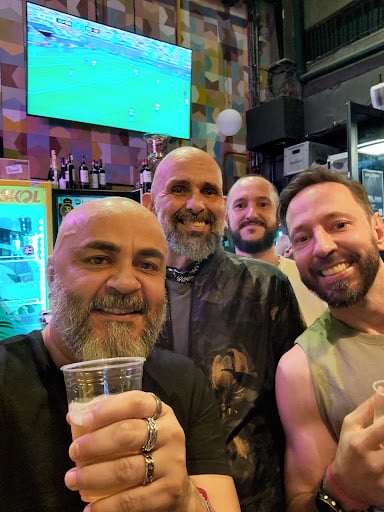
São Paulo goes out late: bars fill from about 10 p.m., clubs after 1 a.m., and most clubs only open from Thursday or Friday to Sunday. Our São Paulo bars guide covers around two dozen venues. The short version:

Saunas and cruising
São Paulo's saunas are mostly an afternoon scene, and some are thermas, where part of the crowd are garotos de programa, men who charge for sex. If you're not sure, a polite "você é de programa?" early on settles it. Full details, hours and prices are in our São Paulo saunas guide.
For cruise clubs, see our São Paulo cruising guide. The best known is Dédalos (Rua Bento Freitas 38, Vila Buarque), a cruise bar open 24 hours a day; Club Cine Hot (Av. São João 1081) is the daytime cinema-style option. Outdoors, Largo do Arouche is a social square for the start of an evening, and in Parque do Ibirapuera regulars describe a gay-popular stretch of lawn at weekends, by day. Neither is a place for sex: a public obscene act (ato obsceno, Article 233 of the Penal Code) is a crime in Brazil, and the clubs are minutes away.
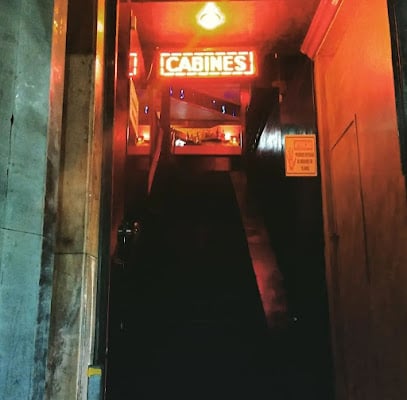
Closed or not confirmed: the long-running Arouche disco Cantho and the Barra Funda club Flex are marked closed by the BaresSP city guide; the cruise clubs Champion Club (República) and Clube 555 (Pacaembu) were shut when we checked in 2026. Cabaret da Cecília has left its old house on Rua Fortunato.
Pride: the Parada do Orgulho LGBT+
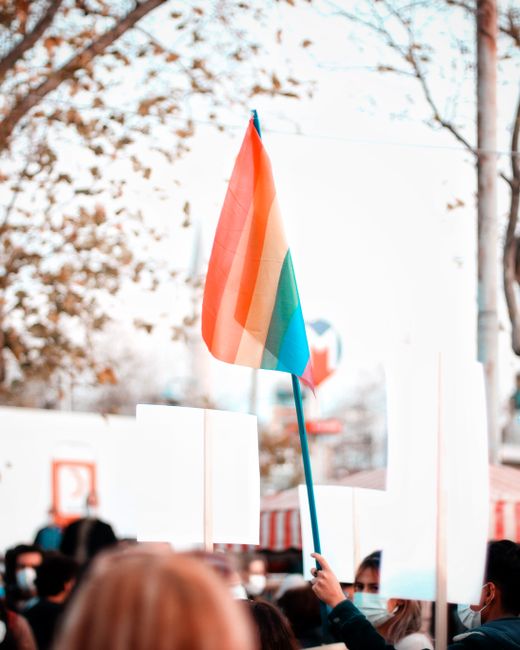
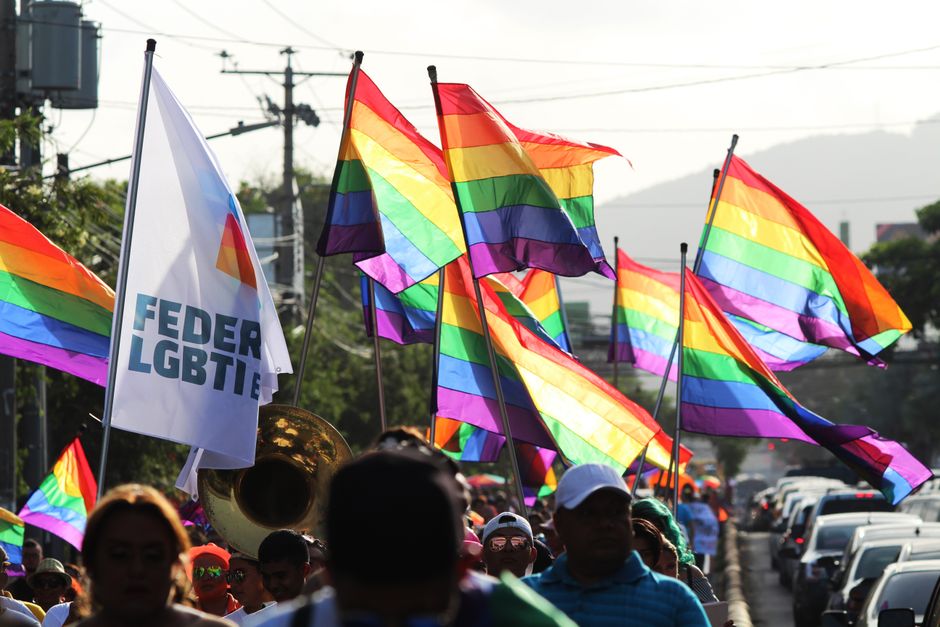
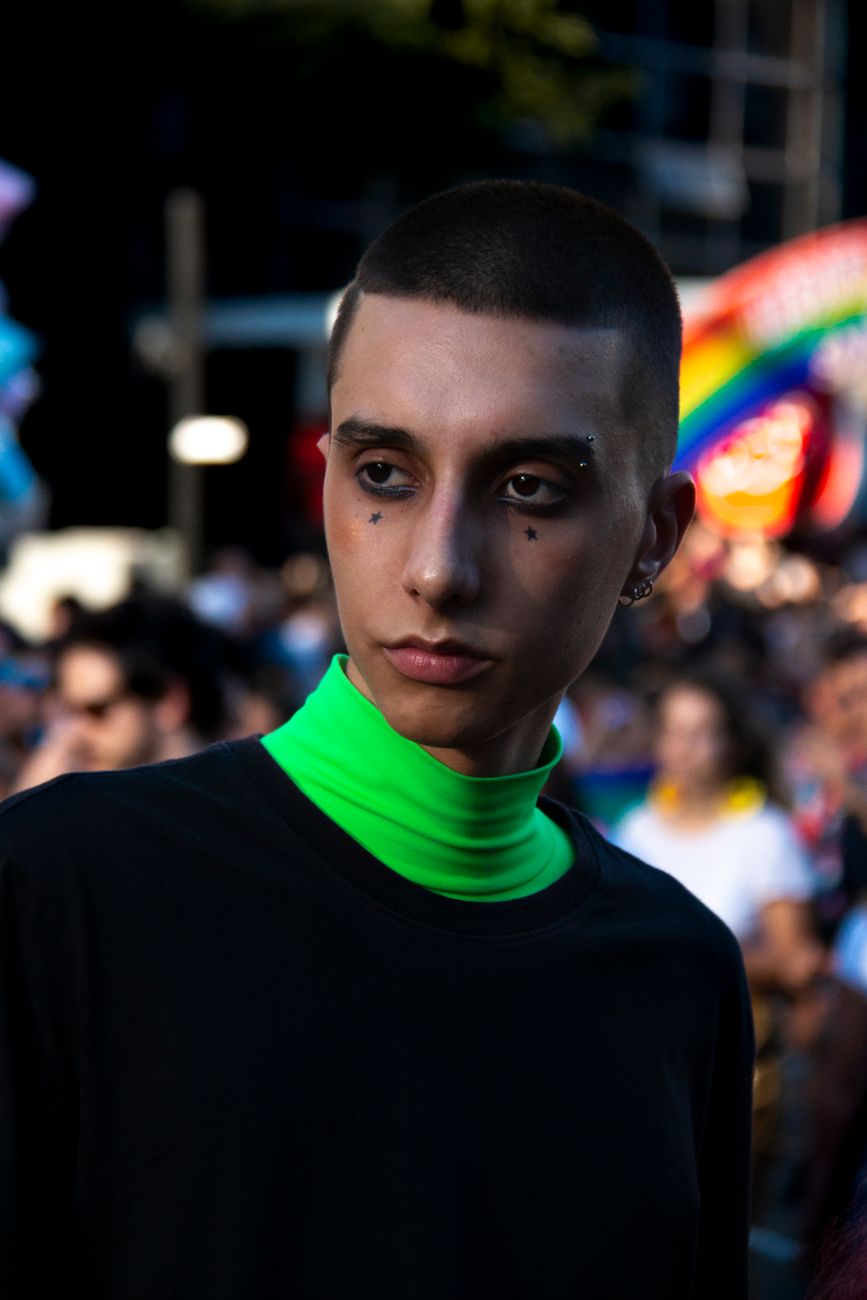
The Parada do Orgulho LGBT+ de São Paulo, organised by APOLGBT-SP, is held on a Sunday in late May or June on Avenida Paulista. The 30th edition took place on Sunday 7 June 2026 under the theme "30 anos Parada SP: A rua convoca, a urna confirma" ("The street calls, the ballot box confirms"), a call to vote in Brazil's October 2026 elections. The crowd gathered from 10:00 near MASP, and the floats rolled down Paulista and into Rua da Consolação.
How many came? Numbers for this parade have long been contested. In 2026 the Monitor do Debate Político (USP/Cebrap) and the NGO More in Common counted heads on drone photos taken at the peak, at 14:37, and estimated about 36,800 people, with a margin of about 4,400; the same partnership had estimated about 48,000 in 2025. That is far below the multi-million figures often quoted for the parade in the past, and the press also reported fewer big-brand sponsors in 2026, with Amstel the only official one. We did not find an official 2026 attendance figure from the organisers or a Datafolha count. Whatever the number, Pride week is still the busiest week of the year in the bars and saunas, so book hotels early. The 2027 date had not been announced when we checked in October 2026.
Two other dates draw visitors: Festival Mix Brasil, the LGBTQ+ film and culture festival, which is traditionally held in November (check this year's programme), and The Week's New Year's party.

Museum and community
Museu da Diversidade Sexual · República metro station
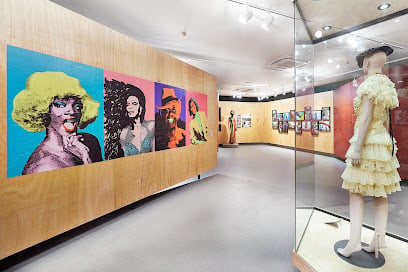
A small, free museum inside República station (Praça da República, Lines 3-Red and 4-Yellow), run by the São Paulo state government and often described as Latin America's first museum devoted to sexual diversity. It shows changing exhibitions on LGBTQIA+ history, art and memory; the first half of 2026 brought Todos os Rios, a reading of the Pinacoteca's collection through LGBTQIA+ eyes. Open Tuesday to Sunday, 10:00–18:00, with free entry. A good start to a walk around the centre and the Largo do Arouche.

Centro de Referência LGBTI+ Brunna Valin · Rua Major Sertório 292, República
The city's network of LGBTI+ centres began with the Centro de Cidadania LGBT, opened on Largo do Arouche under mayor Fernando Haddad. Today the City of São Paulo runs five Centros de Referência LGBTI+, one in each region; the central one, Brunna Valin, is at Rua Major Sertório 292 in República (phone (11) 3151-5786), open Monday to Friday, 9:00–17:00. They offer free psychological, social and legal support, including help if you've suffered LGBTphobic violence. Mobile units also visit events. The city's general helpline is 156.
Health

Safety
Your celular is the target. Central São Paulo has a serious phone-snatching problem, on foot and by thieves on bikes and motorbikes, and it's worst at night around República, Largo do Arouche, Santa Ifigênia and Rua Aurora, exactly where much of the scene is. Don't walk along texting or holding your phone up to read a map; step into a shop or a bar. Carry one card and a little cash, and leave the rest in the hotel safe.
Uber or 99, door to door. Both apps are cheap and widely used. Order your ride from inside the bar or sauna and step out only when the car is at the door, even for a few blocks. Check the plate and the driver's name before you get in.
Dating-app robberies. São Paulo's anti-kidnapping police have linked most of their kidnapping arrests to fake dating-app profiles: the victim is lured to a meeting, held, and forced to make Pix transfers, take out loans or hand over passwords. Similar gangs have targeted users of gay apps in other Brazilian cities, the so-called golpe do Grindr. Meet first in a busy bar or café, tell a friend where you're going, never go to an unknown address or get into a stranger's car, and keep your drink in sight (drugging, "boa noite, Cinderela", is a known tactic).
Emergencies: police 190, ambulance (SAMU) 192. In São Paulo state you can file many police reports (boletim de ocorrência) online, and homophobic crimes can be reported to the police's specialist unit for hate crimes, DECRADI.
Where to stay
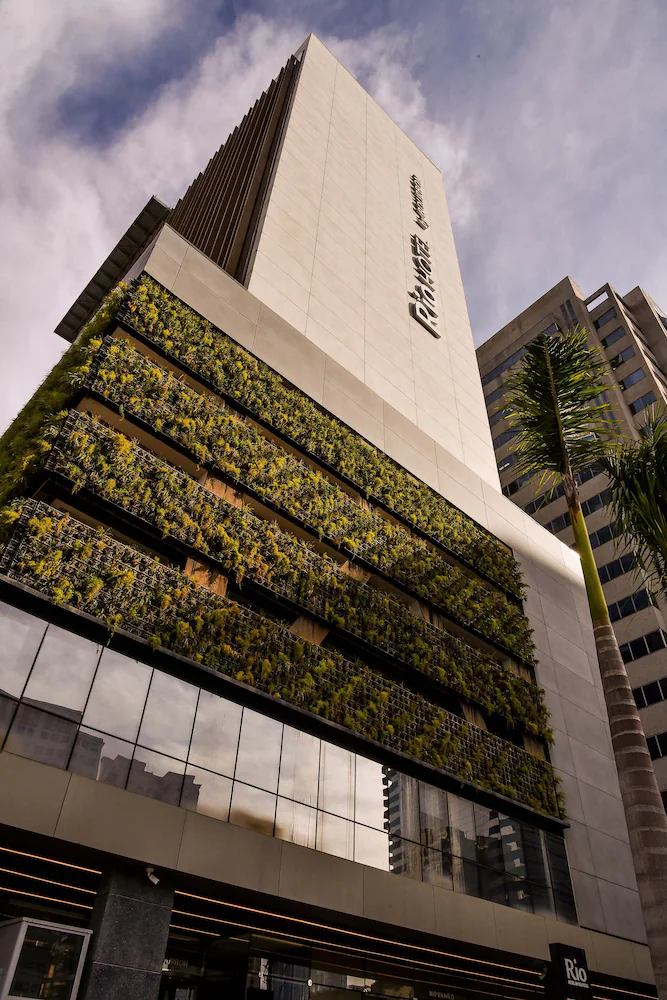
Staying near Avenida Paulista or in Jardins puts you a short walk or ride from Frei Caneca, near the metro, and in calmer streets at night. Hotels in the old centre are cheaper and close to the bear bars, but you'll take more taxis after dark. From GayOut's list:

Getting around
Eat like a paulistano

A few paulistano words
At a glance
| Place | Type | Address | When | Note |
|---|---|---|---|---|
| A Lôca | Club | Rua Frei Caneca 916 | Thu–Sun, late | Alternative classic |
| Casa Fluida | Drag bar | Rua Bela Cintra 569 | Thu–Sat 18:00–00:30 | Shows from 22:00 |
| Soda Pop Bar | Bear bar | Av. Vieira de Carvalho 43 | Daily, evenings | Pavement crowd |
| Tunnel | Club | Rua dos Ingleses 355 | Thu–Sat, late | Three floors |
| Blue Space | Club | Rua Brigadeiro Galvão 723 | Sat late; Sun evening | Drag shows |
| Bandeira Bandeira | Women's bar | Rua Sousa Lima 81 | Wed–Sun | LBT women |
| Le Rouge 80 | Sauna | Rua Arruda Alvim 175 | Afternoons–evenings | Pools; no garotos |
| Top Man Club | Sauna | Rua Marquês de Paranaguá 363 | Daily 14:00–22:00 | Central; rooftop |
| 269 Chilli Pepper | Sauna-hotel | Largo do Arouche 610 | 24 hours | Men only |
| Dédalos | Cruise bar | Rua Bento Freitas 38 | 24 hours | Men only |
| Museu da Diversidade Sexual | Museum | República metro station | Tue–Sun 10:00–18:00 | Free |
| Centro de Referência LGBTI+ Brunna Valin | City support centre | Rua Major Sertório 292 | Mon–Fri 9:00–17:00 | Free legal and social help |
| CRT-DST/AIDS | Sexual health | Rua Santa Cruz, Vila Mariana | Check hours | PEP within 72 hours |
| Hotel Belas Artes SP Paulista | Hotel | Rua Frei Caneca 1199 | – | Base for Frei Caneca |

Frequently asked questions
Is São Paulo gay-friendly?
Yes, by Latin American standards it is one of the most open cities you can visit. Same-sex marriage has been available across Brazil since 2013, and since 2019 the Supreme Court has treated homophobia and transphobia as crimes. Gay bars, saunas and clubs advertise openly, and the city runs its own LGBTI+ support centres.

Where is the gay area of São Paulo?
There is no single village. Rua Frei Caneca in Consolação, just off Avenida Paulista, is the best-known gay street, with Rua Augusta a block away. The older, cheaper scene is in the centre around República, Largo do Arouche and Avenida Vieira de Carvalho. Vila Madalena, Pinheiros and Jardins are relaxed, mixed neighbourhoods for eating and drinking.
When was São Paulo Pride in 2026?
The 30th Parada do Orgulho LGBT+ de São Paulo took place on Sunday 7 June 2026 on Avenida Paulista, under the theme A rua convoca, a urna confirma. A drone count by the USP/Cebrap Monitor do Debate Político and More in Common put the crowd at about 36,800 at its peak. The 2027 date had not been announced when we checked in October 2026.

Is São Paulo safe for gay travellers?
Inside the venues, generally yes. The everyday risk is phone snatching on the street, especially at night in the centre, so keep your phone out of sight and order Uber or 99 from indoors. Police have also linked robberies and kidnappings to fake dating-app profiles: meet first in a busy public place and never go to an unknown address.
Can visitors get PEP or PrEP in São Paulo?
PEP is free through Brazil's public health system, SUS, and must start within 72 hours: go to a public emergency unit (UPA) or the CRT-DST/AIDS centre on Rua Santa Cruz. PrEP is also free through SUS, but the city's metro-station PrEP machines are only for São Paulo residents, so visitors should bring their own supply.
Part of the GayOut city guides. See also our São Paulo bars, saunas and cruising guides.

