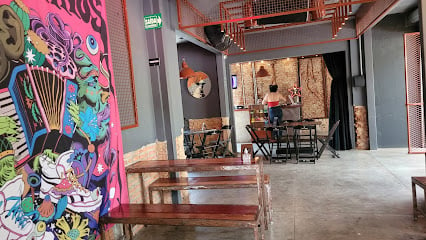
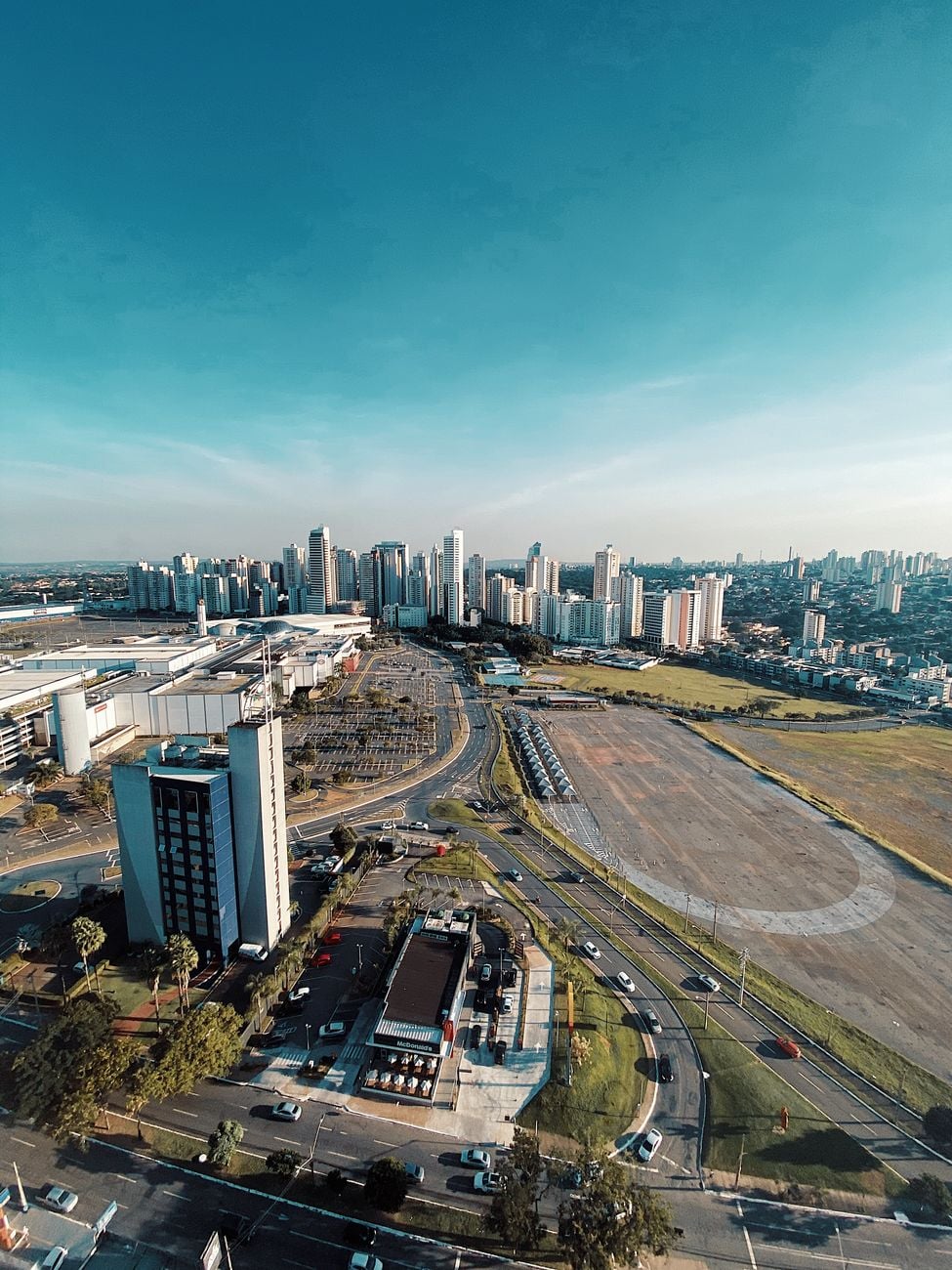
Goiânia, the planned capital of Goiás founded in 1933, holds a proud place in Brazilian LGBTQ+ history: in 1996 it hosted the country's second-ever Pride march — after Rio de Janeiro in 1995 — when a handful of activists gathered at the Praça Cívica. From those beginnings the city built one of central Brazil's most established gay scenes, and today the Parada do Orgulho LGBTQIA+ de Goiânia draws around 100,000 people every September. Same-sex marriage has been legal nationwide since 2013, and while Goiânia is a large, spread-out inland city rather than a coastal tourist magnet, it rewards visitors with a warm, local, unpretentious queer nightlife.
Neighborhoods and Districts
Goiânia's gay venues cluster in three central sectors rather than one single strip. Setor Central (downtown) is the historic heart, home to the Babylon Liberty Pub, the club Kaus on Avenida Tocantins, and two of the city's gay saunas. Setor Sul, just south, has become the busiest nightlife pocket, with the LGBTQ+ nightclub Roxy on Rua 87, the open-bar club Pulsar Open on Rua 115, and Sauna Acqua Sul. Setor Marista is the upscale bar-and-dining district where the gay-friendly Retetê is a popular meeting point, while nearby Setor Pedro Ludovico is home to the drag-forward lounge Maracutaia. Setor Oeste rounds things out with the huge alt-bar Shiva and the discreet Sauna Tamandaré.
Setor Bueno and Setor Marista are good, safe areas to stay, with hotels within a short ride-share of the nightlife — but the venues themselves are concentrated in Central, Sul and Pedro Ludovico.
Bars and Clubs
Roxy (Rua 87, Setor Sul) is one of Goiânia's main LGBTQ+ nightclubs, with two areas, karaoke nights and weekend parties. Kaus (Avenida Tocantins, Setor Central) is a long-running reference club for the city's alternative and queer crowd, mixing pop and electronic sets. Maracutaia (Setor Pedro Ludovico) is an open-air lounge-bar known for its drag shows. Babylon Liberty Pub (Rua 7, Setor Central) is a stylish, central gay pub good for drinks and conversation before a night out.
Alongside these dedicated venues, several gay-friendly spots draw a strong queer crowd: Retetê in Setor Marista (a large beer-garden bar and dance floor), Pulsar Open in Setor Sul (an open-bar party club), Shiva alt-bar in Setor Oeste, and Furna in Setor Central. Most venues get going after 10pm and run until 3–4am on weekends; ride-shares (Uber, 99) are the easy, safe way to move between sectors late at night.
For a mid-sized inland city, Goiânia has a notably strong bathhouse scene — four gay saunas operate here. Thermas Botafogo (Alameda Botafogo, Setor Central) is the largest and oldest, running since 2002, with dry and steam saunas, a darkroom, private rooms, bar and gym. Sauna Très Chic (Rua 21, Setor Central, near Banana Shopping) is a long-listed men's sauna. Sauna Acqua Sul (Setor Sul) is a newer arrival that bills itself as the city's best gay sauna, with pool and themed events. Sauna Tamandaré (Rua 9, Setor Oeste) rounds out the list with a more discreet, low-key crowd.
Parque do Botafogo, in the Setor Central near Alameda Botafogo, is a long-documented gay cruising (pegação) spot. Activity is discreet and after dark. Same-sex relationships are fully legal in Brazil, but public sexual acts fall under the "ato obsceno" provision, so keep to public, well-trafficked areas and stay aware of your surroundings at night.
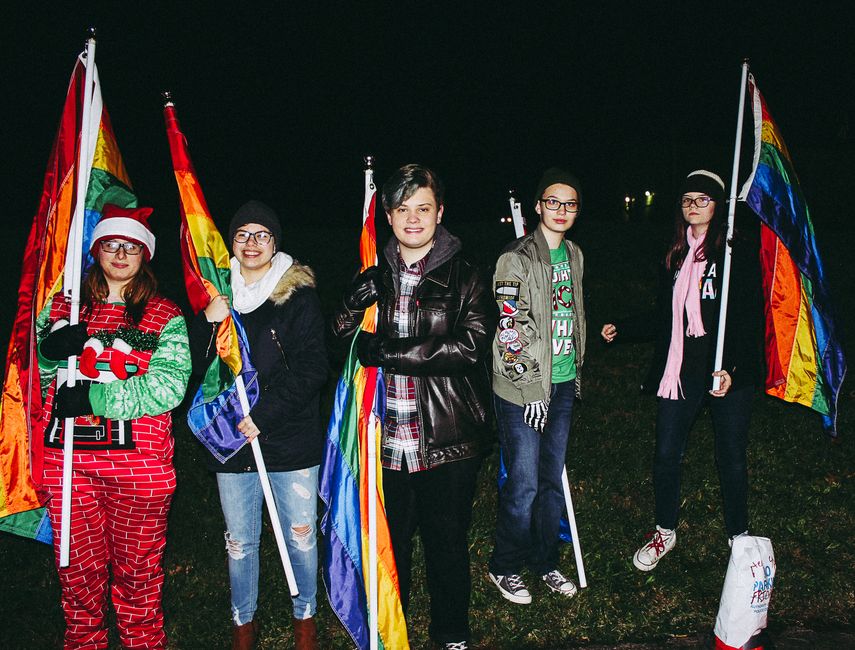
The Parada do Orgulho LGBTQIA+ de Goiânia is held every September (the second Sunday in recent years) at the Praça Cívica, around the Monumento às Três Raças, with the parade moving along Avenidas Araguaia, Paranaíba and Tocantins. Organised by PARADA-GO (Associação da Parada do Orgulho LGBT de Goiás), it is among Brazil's oldest Prides and draws roughly 100,000 people. Note that the neighbouring city of Aparecida de Goiânia holds its own separate Pride in July. Goiânia also hosts DIGO, the Goiás Sexual Diversity and Gender International Film Festival. Throughout the year, the clubs run drag shows, themed nights and DJ parties.
Organizations
Goiânia has a deep activist tradition. PARADA-GO organises the annual Pride and works on human rights, health and culture; the Associação Goiana de LGBT (AGLT), founded in 1997, is one of the longest-running LGBTQ+ rights groups in the state.
Where to Stay
Hotels concentrate in Setor Oeste, Setor Central, Setor Bueno and around Jardim Goiás, all within a short ride-share of the nightlife. Options range from international chains (Holiday Inn, ibis) to comfortable local hotels. Book well ahead for Pride weekend in September, when the city fills up; outside that, rooms are plentiful and inexpensive compared with Rio or São Paulo.
Goiânia calls for standard big-city awareness: use ride-shares at night, keep valuables out of sight, and travel in a group when leaving venues late. The central nightlife sectors are generally fine for a night out. LGBTQ+ people live openly and public affection is common in nightlife areas, though a little discretion is sensible in quieter residential streets.
Getting Around and Beyond
Santa Genoveva International Airport is about 20km from the centre, with taxis, ride-shares and buses into town. The city is spread out, so ride-shares (Uber, 99) are the practical way to get between sectors. For a day trip, the colonial town of Pirenópolis (about two hours away) offers 18th-century architecture, waterfalls and a laid-back, welcoming vibe. Local specialities to try include pequi and regional goiano cooking.
Frequently asked questions
Yes, with normal big-city precautions. Goiânia is a large inland Brazilian capital where LGBTQ+ people live openly and same-sex marriage has been legal since 2013. The central nightlife sectors — Setor Central, Setor Sul and Setor Marista — are generally fine for a night out. Use ride-shares (Uber, 99) late at night, keep valuables out of sight, and travel in a group when leaving venues after midnight.
Goiânia's gay venues cluster in a few central sectors rather than one strip. Setor Central (downtown) is the historic heart, with Babylon Liberty Pub, the club Kaus and two saunas. Setor Sul is the busiest nightlife pocket (Roxy, Pulsar Open, Sauna Acqua Sul). Setor Marista is the upscale bar district (Retetê), and neighbouring Setor Pedro Ludovico has the drag lounge Maracutaia. Setor Bueno is mainly a place to stay, not a nightlife hub.
Goiânia's Parada do Orgulho LGBTQIA+ takes place every September (the second Sunday in recent years) at the Praça Cívica in the city centre, with the parade running along Avenidas Araguaia, Paranaíba and Tocantins. Organised by PARADA-GO, it draws around 100,000 people. Goiânia is historically important: it hosted Brazil's second-ever Pride march, back in 1996. The neighbouring city of Aparecida de Goiânia holds its own separate Pride in July.
The dedicated LGBTQ+ nightlife is in Setor Central (Babylon Liberty Pub, Kaus, plus saunas Thermas Botafogo and Très Chic), Setor Sul (the club Roxy, Pulsar Open, Sauna Acqua Sul) and Setor Pedro Ludovico (the drag lounge Maracutaia). Gay-friendly favourites include Retetê in Setor Marista and Shiva in Setor Oeste. Venues are spread across the city, so ride-shares are the easiest way to move between them.
Yes. Goiânia has plenty of hotels — international chains such as Holiday Inn and ibis plus many comfortable local options — concentrated in Setor Oeste, Setor Central, Setor Bueno and around Jardim Goiás, all a short ride-share from the nightlife. Book ahead for Pride weekend in September, when the city fills up; the rest of the year rooms are easy to find and inexpensive.
Very established for an inland Brazilian city. Goiânia hosted the country's second-ever Pride march in 1996 and has built a durable scene of gay bars, four gay saunas, drag venues and long-running activist organisations such as PARADA-GO and the AGLT (founded 1997). It is more local and less touristy than Rio or São Paulo, which is part of its appeal.
Your privacy choices.
We use cookies to run GayOut and, with your consent, measure usage. Learn more
Your privacy choices
We use cookies to keep GayOut running, remember your preferences, and (with your permission) measure how the site is used. You can accept all, reject all, or pick what you allow. Learn more
Essential
Required for sign-in, fraud prevention, CSRF protection and remembering your language. Cannot be disabled.
Always on
Remembers your favourites, dark mode and other interface preferences across visits.
Helps us understand which pages people visit (Google Analytics, server-side stats) so we can improve.
Used by campaign tracking pixels. None are active right now, reserved for future use.
Install GayOut
Add GayOut to your home screen for faster access, offline favourites, and Pride alerts.




 Gay Bars & Clubs
Featured
(516)
Gay Bars & Clubs
Featured
(516)